


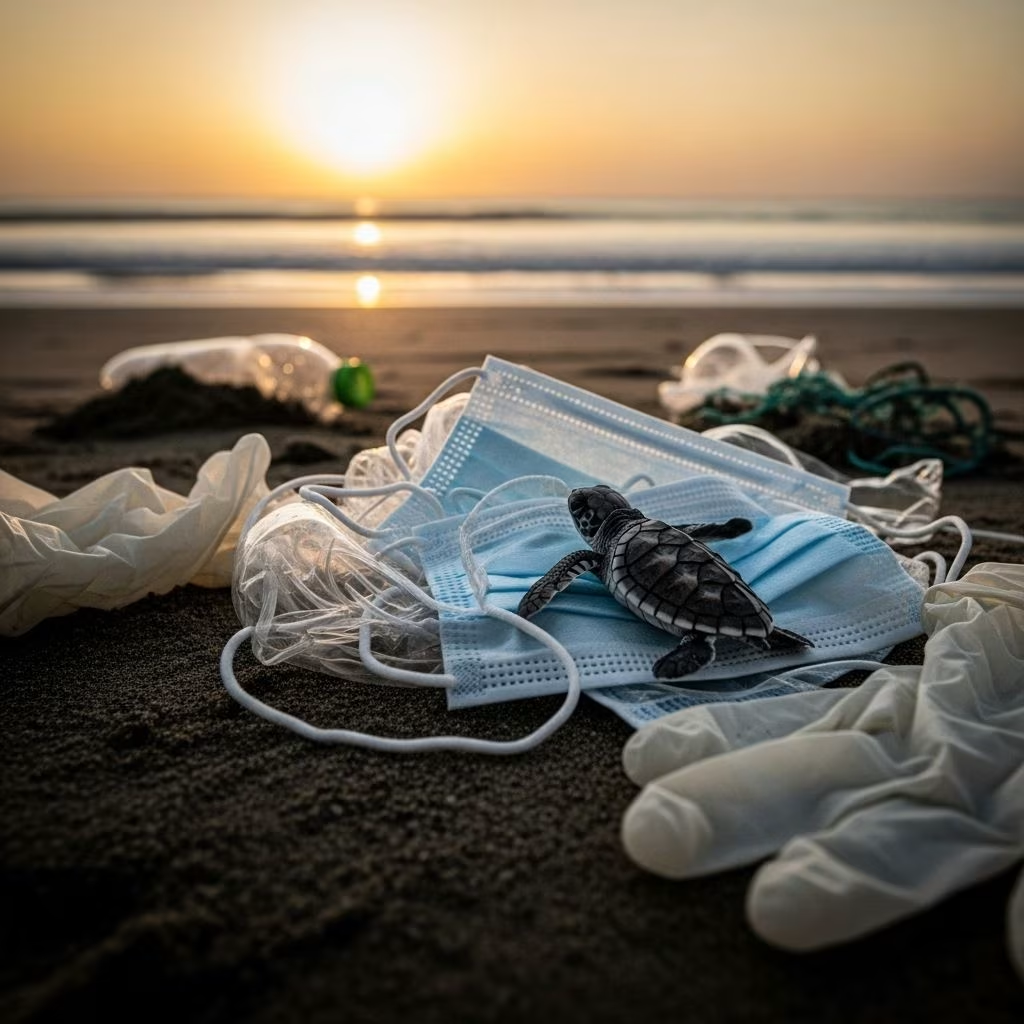
How PPE Pollution Is Endangering Wildlife Worldwide
Personal protective equipment (PPE) has become ubiquitous in daily life since the onset of the COVID-19 pandemic, playing a critical role in protecting public health. However, this necessary protective gear—especially single-use face masks and gloves—has emerged as a new environmental threat, with scientists now documenting widespread harm to wildlife and ecosystems.
The Rise of PPE Pollution
PPE, especially single-use masks and latex gloves, proliferated globally during the pandemic as protective measures against SARS-CoV-2. While vital for reducing COVID-19 transmission, the environmental consequences of this abrupt surge in disposable gear were largely overlooked until troubling evidence began to accumulate.
Researchers first documented direct harm in the Netherlands in August 2020, when a ”Perca fluviatilis”—a freshwater fish—was discovered trapped inside a discarded latex glove during a canal cleanup. Subsequent months revealed hundreds of masks littering Dutch waterways, and similar cases surfaced worldwide.
PPE’s Threats to Animals: Entanglement, Ingestion, and More
- Entanglement: Wildlife can become ensnared in mask ear loops and glove fingers, leading to injury, immobility, or even death. Birds have been found with legs or wings entangled, impairing their ability to fly, feed, or avoid predators.
- Ingestion: Animals, including birds, fish, mammals, and pets, sometimes mistake PPE for food. Ingestion can lead to fatal obstruction, starvation, or poisoning. Documented examples range from penguins in Brazil and domestic pets in North America to stray dogs and foxes in Europe.
- Nesting Material: Some birds incorporate masks and gloves into nests, complicating their survival as young animals may become tangled or ingest microplastics shed from these items.
- Habitat Disruption: PPE litter in aquatic environments may physically alter habitats, block drainage, and introduce microplastics and chemical pollutants into delicate food chains.
Global Documentation: Troubling Case Studies
| Species | Location | Incident Type |
|---|---|---|
| Macaque monkey | Malaysia | Playing with mask |
| Fish (Perca fluviatilis) | Netherlands | Entrapped in latex glove |
| Common coot (Fulica atra) | Netherlands | Nesting material (face mask) |
| American robin (Turdus migratorius) | Canada | Died from mask entanglement |
| Peregrine falcon (Falco peregrinus) | UK | Talon stuck in face mask |
| Mute swan cygnets (Cygnus olor) | Italy | Masks wrapped around beaks |
| Red fox (Vulpes vulpes) | UK | Entangled in mask |
| European hedgehog (Erinaceus europaeus) | UK | Entangled in latex glove |
| Magellanic penguin | Brazil | Ingested face mask |
| Octopus | France (coast) | Seeking shelter under mask |
Scale of the Problem: From Local Cases to Global Crisis
Research teams, including those at the Naturalis Biodiversity Center and European universities, have compiled dozens of cases, but the true scale is assumed to be vastly underreported. PPE waste now contributes substantially to the global plastic pollution crisis. For example, an OceansAsia report estimates 1.56 billion masks entered oceans in 2020 alone, swelling the annual influx of plastics that already threaten marine life and food chains.
Key findings from scientific literature:
- Cases of PPE entanglement, ingestion, and nesting have been documented on every continent except Antarctica.
- Most reports feature birds and aquatic animals, likely due to higher visibility and urban proximity, but experts warn all wildlife is at risk.
- Latex gloves and polypropylene masks persist for years, breaking down into microplastics that infiltrate soils, waterways, and digestive tracts.
- Cats, dogs, and other domestic animals have suffered from ingestion or entanglement, highlighting risks to pets as well as wild species.
Hidden Threats: Microplastics, Chemical Leaching, and Vector Risks
Beyond visible impacts, PPE pollution generates hidden dangers:
- Microplastics: Masks and gloves degrade into microscopic plastics, which travel through water and food chains, accumulating in organisms and causing sub-lethal harm to health and reproduction.
- Chemicals: Additives and treatments in PPE materials can leach into the environment, carrying toxins into aquatic systems and soils.
- Vectors for Invasive Species: Discarded PPE can act as rafts or substrates for invasive species, enabling their spread between ecosystems.
- Potential Disease Transmission: Some PPE litter may carry active pathogens, raising the risk of zoonotic disease transmission, though this remains under study.
Why Birds and Aquatic Life Face Special Risks
Birds are highly represented in reports due to their visibility and nesting habits—face masks and gloves are often mistaken for natural nest materials. Aquatic animals are vulnerable because PPE rapidly travels through water systems, becoming hazards for fish, amphibians, and marine mammals.
For example:
- Coastal birds may become tangled in elastic mask straps while foraging.
- Marine organisms like fish and octopuses interact with PPE items on seabeds, risking both physical harm and exposure to toxic residues.
- Red algae has been observed colonizing discarded masks, pointing to possible substrate effects and new ecological imbalances.
Citizen Science: Tracking the Impact
The challenge of comprehensively documenting PPE pollution has led researchers to enlist citizen scientists. Online platforms, such as www.covidlitter.com, encourage the public to report sightings of PPE-entangled or affected wildlife, providing valuable data to guide cleanup and prevention strategies.
Mitigation and Solutions
Addressing the PPE pollution crisis requires coordinated action, ranging from individual behavioral changes to regulatory shifts and technological innovation. Key recommendations from scientists and environmental groups include:
- Switch to Reusable PPE: Where medically appropriate, use reusable masks and cleaning protocols to minimize disposable waste.
- Safe Disposal: Properly discard single-use PPE in waste bins, never in nature. Cut glove fingers and mask straps before disposal to minimize entanglement risks.
- Recycling and Innovation: Foster technologies for environmentally safe PPE recycling, and encourage manufacturers to design biodegradable or non-toxic alternatives.
- Public Awareness: Launch campaigns highlighting the ecological dangers of PPE litter and safe disposal practices.
- Policy Intervention: Governments and health authorities should implement clear guidelines for disposal and promote research into sustainable PPE design and management.
Ongoing Challenges and Research Frontiers
The long-term ecological consequences of the pandemic’s PPE surge remain uncertain, as most current knowledge is based on anecdotal and limited field data. Researchers call for:
- Ongoing wildlife necropsies to better understand ingestion impacts across species.
- Expanded monitoring in remote and marine locations, where much PPE pollution occurs unseen.
- Multi-disciplinary research on microplastics, chemical leachates, and the potential for disease transmission via littered PPE.
Balanced View: Human Health vs. Wildlife Protection
There is no question PPE saves human lives in pandemic conditions. The challenge now is balancing vital public health needs with ecosystem stewardship. The emergence of PPE as a new vector for plastic pollution calls for innovation and responsibility from consumers, manufacturers, and policymakers alike.
Frequently Asked Questions (FAQs)
Q: How does discarded PPE harm wildlife?
A: Animals become entangled in mask straps or glove fingers, suffer injury, or die from ingesting the items. Some birds use masks and gloves for nesting, exposing chicks to further risks.
Q: What are some of the most affected species?
A: Birds and aquatic life feature prominently in reports, but mammals, reptiles, and even domestic pets have been harmed.
Q: Does PPE pollution contribute to the plastic waste crisis?
A: Yes. Disposable PPE has added billions of new plastic items to oceans and landfills, exacerbating existing pollution problems and microplastic contamination.
Q: What can individuals do to help?
A: Use reusable masks where possible, properly cut and dispose of single-use PPE, participate in local clean-ups, and share data via citizen science platforms.
Q: Are there substitutes for single-use PPE that are less harmful?
A: While some reusable cloth masks and biodegradable options exist, medical settings still require single-use standards. Manufacturers are researching sustainable alternatives.
Conclusion
The COVID-19 pandemic magnified our reliance on PPE, yet the subsequent fallout for wildlife and ecosystems is only beginning to be understood. Scientists urge swift action to mitigate this emerging threat, balancing necessary infection control with sound environmental practice. As evidence mounts of animals suffering globally—from birds to marine creatures—addressing PPE pollution has become an environmental imperative for individuals, organizations, and nations worldwide.
References
- https://www.ecowatch.com/ppe-wildlife-2652766542.html
- https://pmc.ncbi.nlm.nih.gov/articles/PMC8313889/
- https://www.sciencenews.org/article/coronavirus-covid-ppe-trash-masks-gloves-pollution-deadly-wildlife
- https://pmc.ncbi.nlm.nih.gov/articles/PMC10421242/
- https://research2reality.com/energy-environment-nature/creatures/ppe-pollution-harming-animals-covid-pandemic/
- https://www.nhm.ac.uk/discover/news/2022/august/pandemic-face-masks-could-harm-wildlife-for-years-to-come.html


