


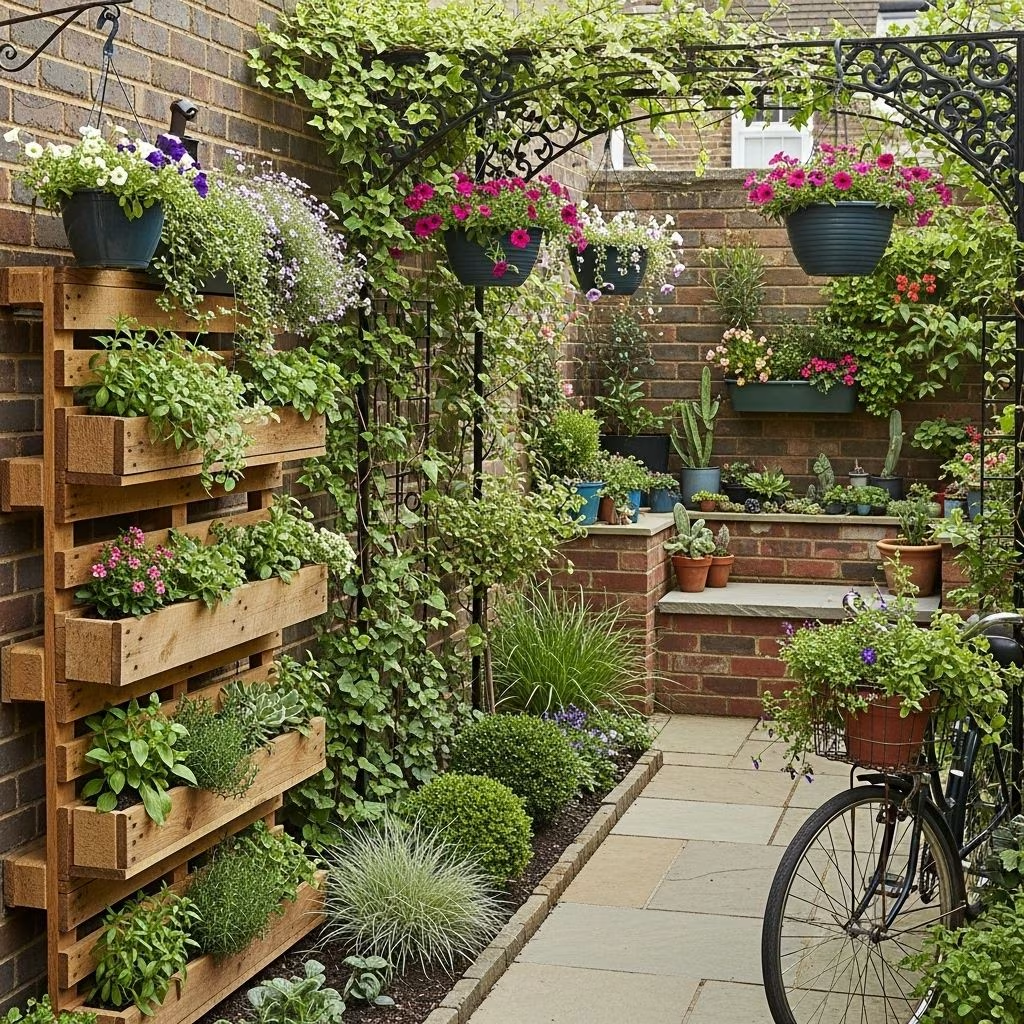
Do you ever walk through your beloved garden, eyes sparkling with inspiration and longing, only to wonder: Where could I possibly fit one more plant? For maximalist gardeners and plant lovers alike, the urge to pack in more beauty, texture, and color seems insatiable—even as borders fill, beds overflow, and every conceivable patch appears claimed. Yet with creativity and strategic planning, it’s always possible to find a little more space for something new. This article explores how to maximize your planting capacity while nurturing diversity and ecological health, even in already-busy, mature gardens.
Understanding the Art of Squeezing in Plants
“Crowded” is a subjective term in gardening. What feels full to one gardener might look sparse to another. Many thriving gardens appear lush and abundant because seasoned gardeners continually seek new ways to add or layer plants. The secret lies not in thoughtlessly stuffing in more, but in deliberately integrating new elements to enhance rather than overwhelm.
- Observe your garden through all seasons to spot potential gaps and opportunities.
- Consider the needs of both existing and new plants—light, water, soil, and space requirements.
- Acknowledge that mature gardens are dynamic, with shifting canopies, ground cover, and sunlight.
Layering Plants: Make Vertical Space Work
One of the most effective ways to fit additional plants is to think vertically, not just horizontally. Layering plants by height and growth habit mimics natural ecosystems: large, structural plants at the top, medium-sized shrubs or perennials beneath, and groundcovers or bulbs at soil level.
Try these layering tactics:
- Tall Anchors: Trees, large shrubs, or statement perennials provide overhead structure and filtered shade.
- Mid-Layer: Bushes, ornamental grasses, and smaller perennials fill in middle spaces and add depth.
- Ground Level: Low-growing herbs, creepers, and bulbs crowd out weeds and extend seasonal interest.
- Epiphytic & Climbing Plants: Use trellises, fences, or tree trunks for vines and vertical growers, expanding upwards instead of outwards.
By intentionally arranging plants in overlapping vertical layers, you can multiply your planting area without increasing your footprint.
Embracing Underplanting: Beneath Shrubs, Trees, and Roses
Many gardeners overlook the abundant space beneath established trees and shrubs. With the right choices, you can underplant without harming established roots.
- Under Trees: Select shade-tolerant perennials like heucheras, hostas, epimedium, ferns, or woodland bulbs such as bluebells and snowdrops.
- Beneath Roses and Shrubs: Hardy geraniums, nepeta, campanula, or low-growing sedges can soften hard lines and fill awkward open soil.
- Consider Root Competition: Use a trowel rather than a shovel to minimize root disturbance, and water new underplants well until established.
Inner tip: Prioritize underplanting with early-spring bulbs, which grow, bloom, and die back before canopy foliage blocks the sunlight.
Inventive Use of Containers and Pots
When in-ground space is maxed out, containers offer tremendous flexibility. Pots, troughs, window boxes, hanging baskets, and even repurposed found objects can bring plant life to patios, decks, or bare spots on hardscape.
- Cluster Containers: Group pots of various heights and diameters to create a garden-within-a-garden feel.
- Layer Within Planters: Use tall plants in the center (thrillers), trailing plants along the rim (spillers), and low fillers for depth and interest.
- Moveable Feast: Shift pots seasonally or as needed to adapt to changing sun, weather, and space availability.
- Go Vertical: Stack pots on shelves, steps, or specially designed stands to maximize verticality in small footprints.
Thinking Beyond Borders: Hardscape, Walls, and Odd Spaces
Plantable spaces don’t have to be conventional flower beds. Get creative about every available nook and cranny by harnessing hardscape, walls, and underutilized pockets.
- Crevice Planting: Slot diminutive wildflowers, alpines, or succulents into cracks in paving, between rocks, or along retaining walls.
- Green Walls: Install living wall systems or DIY vertical planters to add lushness to fences, posts, and blind house walls.
- Steps and Treads: Place shallow troughs, alpine containers, or prostrate creepers where stairs or stepping stones meet earth.
- Edges and Margins: Borders, paths, and driveways can often be fronted with narrow strips full of tiny, tough plants that don’t need much soil.
Layering Bulbs and Perennials: Successive Color
Bulbs are a squeezing gardener’s secret weapon. They can be planted deeply below perennials, groundcover, or lawns, emerging and dying back with little interference. Stagger selections for spring, summer, and fall so beds are rarely empty.
| Layer | Core Plant Types | Sample Plants |
|---|---|---|
| Deepest Level | Spring-flowering bulbs | Tulips, daffodils, crocus, chionodoxa |
| Soil Surface | Groundcovers & low perennials | Ajuga, creeping thyme, geranium |
| Main Canopy | Taller perennials & shrubs | Lavender, daylilies, asters |
This approach lets you maximize color and diversity in just a few square feet.
Utilizing Self-Sowers and Volunteers
Some plants naturally fill gaps, popping up in surprising places. Instead of culling every seedling, learn to edit and embrace selected self-sowers.
- Filling Gaps: Let self-sowers like nigella, calendula, poppies, or foxgloves drift through borders where they like.
- Dynamic Change: Allow ‘volunteer’ plants to mark where future planting holes or permanent species might go.
- Edit Aggressively: Remove unwanted seedlings so the garden doesn’t become unmanageable.
Managed wisely, self-sowers are like a natural mulch—filling, cooling, and beautifying spaces without manual intervention.
Pruning and Dividing to Make Room
Sometimes, the best way to fit in a new plant is by making space. Pruning overgrown shrubs or dividing mature perennials creates both sunlight and new planting areas.
- Prune Without Fear: Trees, shrubs, and perennials often benefit from routine thinning. Open the canopy or remove a few branches to create dappled light beneath.
- Divide and Relocate: Split clumping plants like hostas, daylilies, or ornamental grasses to reduce congestion and free up soil for newcomers.
- Declutter Brown/Early-Fading Foliage: Remove winter-damaged or spent foliage to make way for new arrivals.
Favoring Tiny and Narrow Plants
Plants bred for compact size are essential for squeezing into tight places. Look for miniature varieties, columnar forms, or mat-forming species that hug the ground or reach skyward with minimal horizontal spread.
- Tiny Ferns & Hostas: Small varieties fill shady spots beneath trees and shrubs.
- Columnar Evergreens: Juniper ‘Skyrocket’ or Italian cypress are perfect for slender borders.
- Miniature Bulbs: Crocus, snowdrops, and dwarf narcissus naturalize even in lawn turf or between pavers.
These selections offer surprising impact in even the slimmest garden cracks.
Embracing Change: Editing and Experimenting
Mature gardens are living, evolving ecosystems. Accepting and directing change—rather than fighting it—lets you maximize diversity and minimize disappointment.
- Edit Ruthlessly: Remove underperformers and overcrowded plants to make room for new favorites.
- Rotate Seasonally: Consider temporary fillers, like annuals or biennials, to keep the display fresh.
- Experiment: Try unexpected plant combinations and new cultivars to unlock hidden garden potential.
Tips for Success in Busy Gardens
- Stay Organized: Keep notes on plant performance and space availability each season.
- Plant in Groups: Cluster multiples of the same plant for visual cohesion and less chaos.
- Prioritize Diversity: Choose plants with staggered peaks and varied habitats for year-round beauty and wildlife support.
- Water/New Plant Care: In crowded beds, ensure new additions get extra water and nutrients until established.
Common Mistakes and How to Avoid Them
- Overcrowding: Resist the temptation to overplant. Every species needs space for air movement and growth.
- Neglecting Maintenance: More plants mean more care. Add only as much as you can maintain.
- Ignoring Light and Soil: Don’t squeeze sun-lovers into deep shade, or moisture-lovers into dry, rooty patches.
- Forgetting Future Growth: Leave room for mature size—even with the most compact selections.
Frequently Asked Questions (FAQs)
Q: How can I tell if my garden is too crowded?
A: Signs include excessive shading, plants leaning or growing straggly, frequent disease, or poor blooming. Leave some space for air circulation and natural growth.
Q: What are the easiest plants to tuck into existing gardens?
A: Bulbs (like daffodils, crocus, or alliums), small perennials (such as violas, primulas), and groundcovers (like thyme or ajuga) are excellent for slipping between established plants.
Q: Can I hurt mature trees or shrubs by underplanting?
A: Generally, shallow, minimally invasive planting is safe around established roots. Avoid deep digging, use a hand trowel, and favor plants with shallow root systems.
Q: How do I manage aggressive self-seeders?
A: Regularly edit unwanted seedlings, mulch paths and beds to suppress further spread, and save only desirable volunteers to maintain order.
Q: Does vertical planting require special supports?
A: It can! Use sturdy trellises, obelisks, wall-mounted pockets, or even wire mesh on fences to support climbers and vertical plant setups.
Takeaway: There’s Always Room for (More) Plants!
Even in the most bustling or mature garden, there is always potential to add another plant through strategic choices, creative use of space, and ongoing editing. By embracing vertical layering, underplanting, containers, tiny varieties, and a playful, experimental spirit, you can invite more biodiversity, color, and joy into your green retreat—without losing functionality or beauty. Remember, the most vibrant gardens are those where plants work together, filling every layer and niche to the benefit of gardener and wildlife alike.
References
- https://www.youtube.com/watch?v=s_g8jHq7VT8
- https://www.amleo.com/paper-and-foam-tree-hugger-guards-bundle-of-100/p/VP-HDPG
- https://vineyardgazette.com/news/2013/07/04/nothing-soft-about-tree-hugger-airborne-his-style
- https://successfullysustainable.com/eco-friendly-gifts-for-the-tree-hugger-in-your-life/


