


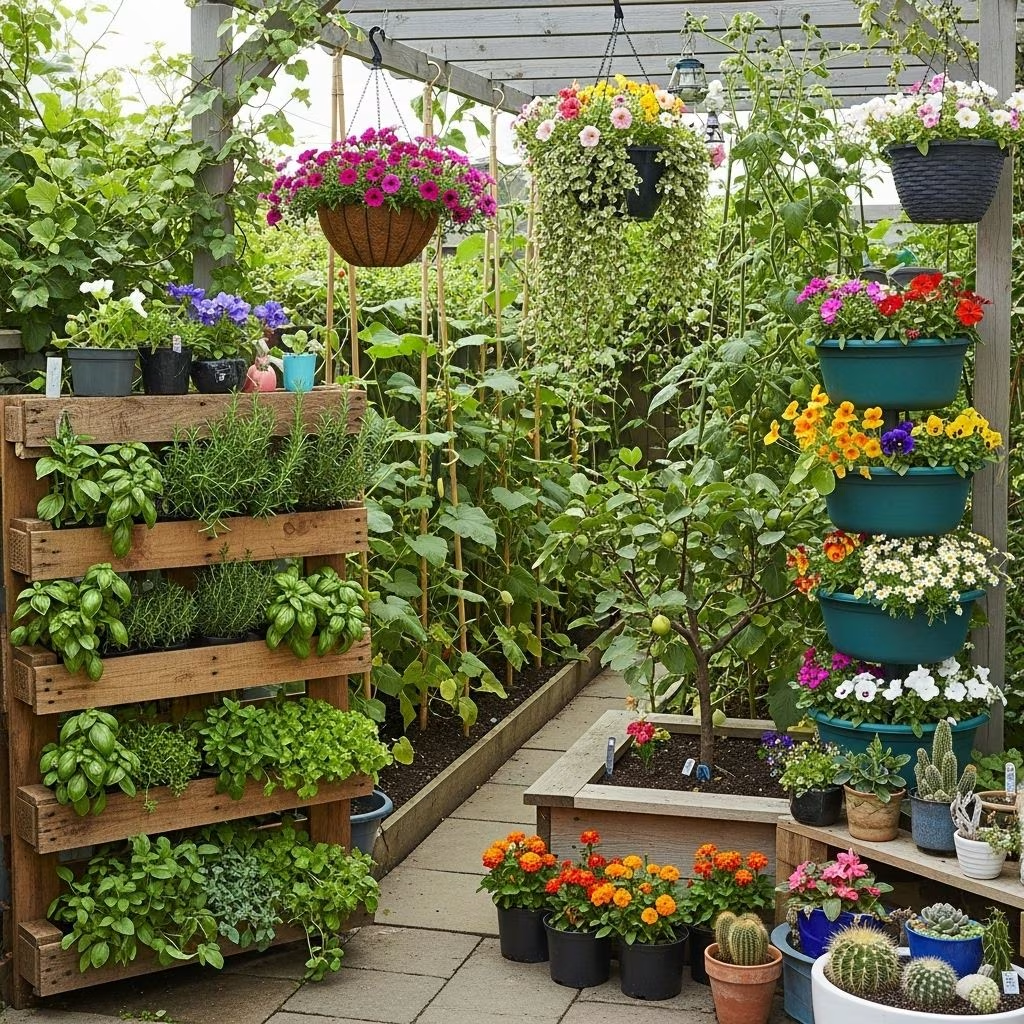
Where to Squeeze in Extra Plants in a Busy Garden
Even the fullest garden can still accommodate more plants if you take a creative and strategic approach. In thriving, established gardens, the urge to add ‘just one more plant’ persists, especially as gardeners fall for new finds or wish to support bees, butterflies, and other forms of wildlife. Gardeners can use layers, microclimates, containers, and clever structures to squeeze an extra bloom or two into surprising places—all while maintaining a healthy, beautiful, and productive outdoor space.
Evaluate Existing Space
The first step before adding new plants is to carefully assess where you really have room, and how those areas are currently used. Walk your garden and observe light, soil, and moisture levels at different times of day and throughout the growing season. Don’t automatically assume every open patch is ready for new additions; check root competition and ensure you’re not crowding slow growers or stifling air flow for disease-prone plants.
- Consider mature plant sizes: Remember, that tidy sapling or perennial may double—or triple—its footprint in a season or two.
- Look under and between: Gaps between large shrubs, under deciduous trees in spring, or among low ground cover can host early bulbs, ephemerals, or charming thread-leafed species.
- Check the canopy: Overhead, opportunities may exist for climbers or containers with trailing foliage.
Master the Art of Layering
One of the best ways to fit more plants into limited ground space is by using vertical and horizontal layers. This technique, inspired by woodland ecosystems, means placing tall plants, mid-sized shrubs, low perennials, and groundcovers together instead of in neat rows.
- Canopy: Trees and tall shrubs provide dappled shade and nesting sites.
- Mid-story: Underplant with compact shrubs such as azalea, hydrangea, or fothergilla, and tall perennials like foxglove or phlox.
- Ground level: Tuck in lungwort, epimedium, or spreading campanula alongside the roots of established plants.
- Bulbs and Ephemerals: Fill spring spaces with early bulbs—snowdrops, crocus, and bluebells—that finish before surrounding perennials leaf out.
Layering can also maximize flower, fruit, and food production while supporting wildlife and boosting visual interest through the season. This method does require careful selection to ensure layered species have compatible water and light needs.
Go Up: Vertical and Overhead Space
Vertical gardening unlocks extra growing niches. By encouraging plants to climb, hang, or drape, you can substantially increase the diversity and abundance of your garden—even without a single new garden bed.
- Trellises, Obelisks, and Arbors
- Grow flowering vines (like clematis or honeysuckle), pole beans, or climbing nasturtiums vertically along supports.
- Hanging Baskets
- Use fences, walls, or sturdy branches to suspend baskets filled with trailing annuals or shallow-rooted herbs.
- Wall Planters and Green Walls
- Pocket planters or modular wall units can host herbs, succulents, or compact greens vertically, freeing up precious soil space below.
Creativity counts: repurpose ladders, old pallets, or rain gutters to bring new “layers” to blank fence lines or the sides of sheds.
Maximize Containers and Moveable Pots
Containers function as highly flexible, mobile habitat. Even when garden beds are brimming, pots can help squeeze in edibles, pollinator plants, and decorative fillers.
- Plant portable pollinator attractors: Move pots of lavender, mint, or dwarf sunflowers close to where bees circulate most in peak season.
- Fill new garden gaps: Drop in a container if a perennial fades or you’re between seasonal displays.
- Boost microclimate control: Move sun-loving plants into the center of hot patios, or cluster moisture-lovers near a hose or downspout.
Container gardens can be perched on steps, walls, ledges, or even integrated into raised beds, allowing a denser tapestry with minimal disturbance to mature root systems.
Find and Create Microhabitats
Every garden, no matter how full, has small areas with unique light, soil, or moisture conditions. These microhabitats can be perfect homes for species with narrow requirements or try plants that struggle elsewhere.
- Shade nooks: Host shade-tolerant ferns, violets, or wild ginger beneath shrubs or at the north face of a structure.
- Sunny walls: Exploit extra heat at the base or face of stone, brick, or metal structures with heat-loving Mediterranean herbs or rock garden species.
- Damp corners: Low, wet spots can support marsh marigold, sedges, or even carnivorous pitcher plants.
- Pavement cracks and edges: Little crevices in bricks, stone walkways, or forgotten corners offer space for tiny alpine species or self-seeding annuals.
Look for new opportunities after storms, when a broken branch or sudden loss of shade allows more sunlight to reach the soil. Quickly filling these gaps with suitable plants prevents weed encroachment and maintains biodiversity.
Use Succession Planting
Succession planting is an effective strategy to fit more flowers, food plants, or cover crops into the same square footage throughout a year. It involves planting a secondary plant as soon as the first is harvested or begins to decline.
- Spring ephemerals (e.g., snowdrops, grape hyacinth) fade just as summer perennials fill in.
- Fast-growing edibles such as lettuce or radish can be sown among young tomato or corn seedlings, harvested quickly, then replaced with another crop.
This technique demands good planning but dramatically boosts the number of varieties grown over a season in limited ground space.
Choose the Right Plants for Tight Spots
Plant selection is crucial when squeezing new additions into crowded gardens. Focus on species that tolerate competition, require minimal upkeep, and bring extra benefits such as pollinator support or extended bloom times.
- Early bulbs: Galanthus, crocus, and muscari thrive in early spring, fading before other plants need the space.
- Slender or columnar plants: Tall, narrow varieties like Italian cypress, veronicastrum, or ‘Karl Foerster’ feather reed grass occupy minimal ground.
- Groundcovers: Ajuga, creeping thyme, or sedum sprawl below taller neighbors without competing aggressively.
- Climbers and ramblers: Clematis, sweet peas, and nasturtiums grow up and around existing supports rather than occupying precious earth.
Selecting plants with complementary root systems or those adapted to poor soils (such as prairie plants) ensures new arrivals don’t outcompete or smother existing residents.
Support Pollinators and Boost Biodiversity
One common motivation for ‘squeezing in’ extra plants is to help pollinators and other beneficial creatures that depend on a diverse, flower-rich environment. Here’s how to integrate pollinator support into a busy garden:
- Plant for extended bloom times: Pick species with overlapping but slightly staggered flowering windows to offer nectar and pollen from early spring through late autumn.
- Offer many flower shapes: Composite blooms (like asters and daisies), tubular flowers (like salvias and penstemons), and flat umbels (like dill or yarrow) serve different bee, butterfly, and moth groups.
- Create small, undisturbed shelter spots: Leave piles of leaves, twigs, or brush at edges or under shrubs for overwintering wild bees, beetles, and other garden allies.
- Integrate host plants for caterpillars: Try milkweed for monarchs, parsley and dill for swallowtails, and violets for fritillaries.
When gardens are densely planted, diversity naturally increases resilience—plants provide mutual shade, help attract predatory insects, and buffer one another against harsh weather.
Key Considerations: Maintenance and Plant Health
Packing in plants enhances beauty, productivity, and ecological value, but it also raises the stakes for careful, ongoing maintenance.
- Avoid over-crowding: Even tight planting should not completely eliminate light, air flow, or root access. Thin or divide perennial clumps as needed.
- Support and prune regularly: Clip or support vines, deadhead spent blooms, and remove dead foliage to prevent fungal disease or pest hotspots.
- Feed and water selectively: In very dense gardens, under-canopy plants may need an occasional course of compost tea or an extra drink in high summer.
Routine observation and gentle intervention help maintain harmony in a packed garden. Remember: it’s easier to pull out an over-ambitious plant than to try to rescue a choked-out neighbor that never had a chance.
Frequently Asked Questions (FAQs)
Can you really add more plants to an already full garden?
Yes! By embracing vertical space, layering, small containers, and seasonal succession, many gardeners expand plant diversity and seasonal interest without noticeably crowding existing residents.
What kinds of plants are best for these situations?
Look for early bulbs, low-growing groundcovers, slender or vertical growers, and climbers. Plants tolerant of shade or root competition do well in microhabitats and beneath mature shrubs or trees.
Will my new plants thrive, or will they compete too much?
Careful planning—matching light and moisture requirements, and selecting plants with compatible growth habits—helps most new arrivals thrive. Monitor early on and adjust as needed if plants begin to compete too aggressively.
How does layering help pollinators?
Layering increases flower choices and bloom times for bees, butterflies, and hummingbirds—supporting a richer, more stable food web throughout the season.
How do I know if I’m over-planting?
If you notice more disease, persistent wilting, or sluggish growth on key plants, your garden may be too crowded. Thinning, pruning, and grouping by vigor and needs can help rebalance the space.
Conclusion
In summary, even the busiest garden holds untapped potential for new plants, beneficial insects, and year-round beauty. By thoughtfully evaluating space, using vertical and horizontal niches, and planning for both plants and wildlife, gardeners of all experience levels can bring more life—literally—into the garden. The rewards are abundant biodiversity, continual surprise, and a landscape that’s always evolving.
References
- https://www.youtube.com/watch?v=s_g8jHq7VT8
- https://www.amleo.com/paper-and-foam-tree-hugger-guards-bundle-of-100/p/VP-HDPG
- https://vineyardgazette.com/news/2013/07/04/nothing-soft-about-tree-hugger-airborne-his-style
- https://successfullysustainable.com/eco-friendly-gifts-for-the-tree-hugger-in-your-life/


