How to Make Your Own Newspaper Cat Litter: An Eco-Friendly DIY Approach
If you’re a cat owner invested in sustainable living, learning to make your own newspaper cat litter offers both environmental and financial benefits. While commercial litters are widely available, many contain non-renewable materials, artificial fragrances, and can be costly over time. This article provides a step-by-step guide to creating homemade newspaper cat litter, discusses its pros and cons, and explores tips for a smooth transition for your feline friend.
Why Choose Homemade Newspaper Cat Litter?
Cat owners may consider switching to homemade options for several key reasons:
- Cost Savings – Newspaper is inexpensive or free and can lower your pet-care budget.
- Sustainability – Upcycling old newspapers reduces waste and lowers environmental impact.
- Reduced Chemical Exposure – Many commercial litters contain fragrances and chemicals which homemade versions avoid.
- Customizable – You can adapt the recipe for odor control and texture, depending on your cat’s needs.
- Allergy-Friendly – Unscented, paper-based litter is less likely to trigger cat allergies than some commercial alternatives.
Materials Needed
- Newspaper (non-glossy, black ink preferred)
- Biodegradable, unscented dish soap
- Large bowl or container
- Warm water
- Strainer
- Foil and a baking pan
- Baking soda (for odor control)
- Gloves (optional, for ink protection)
Step-by-Step Guide to Making Newspaper Cat Litter
1. Prepare and Shred the Newspaper
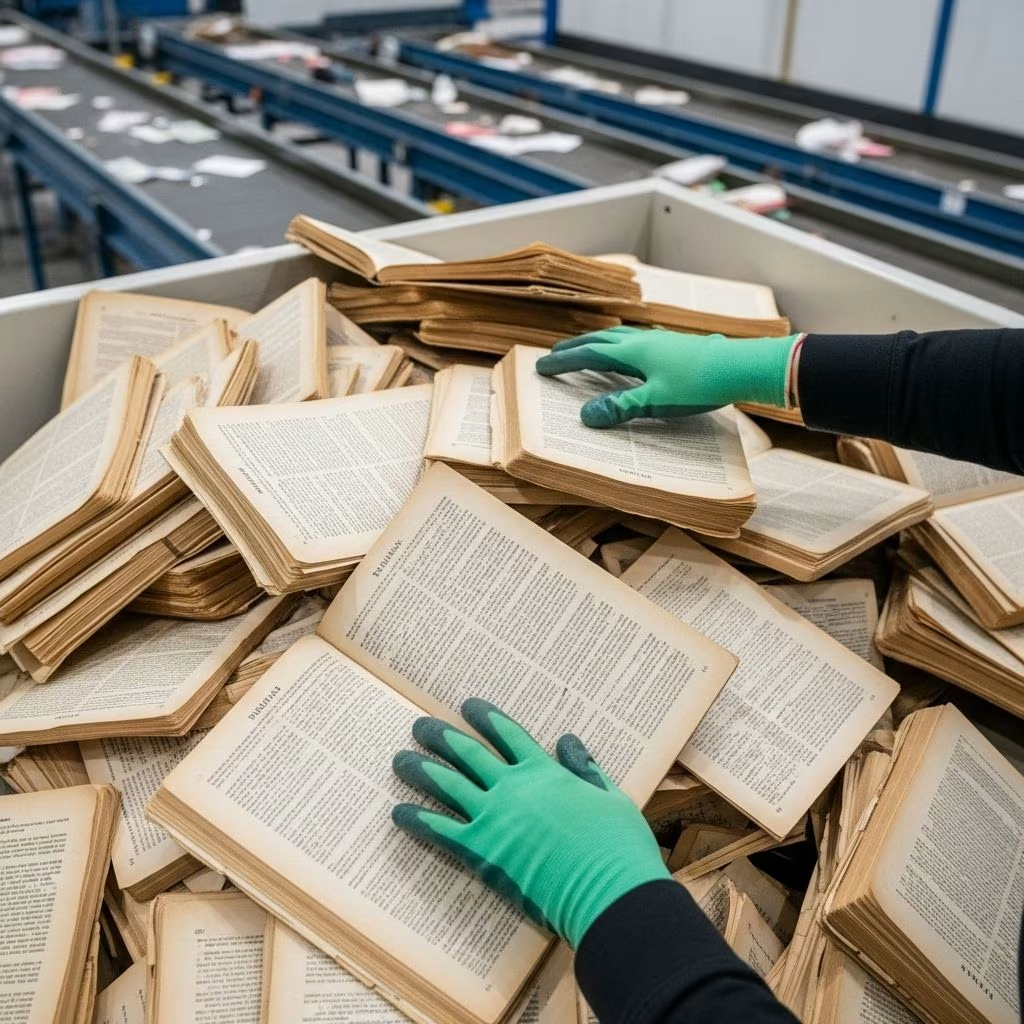
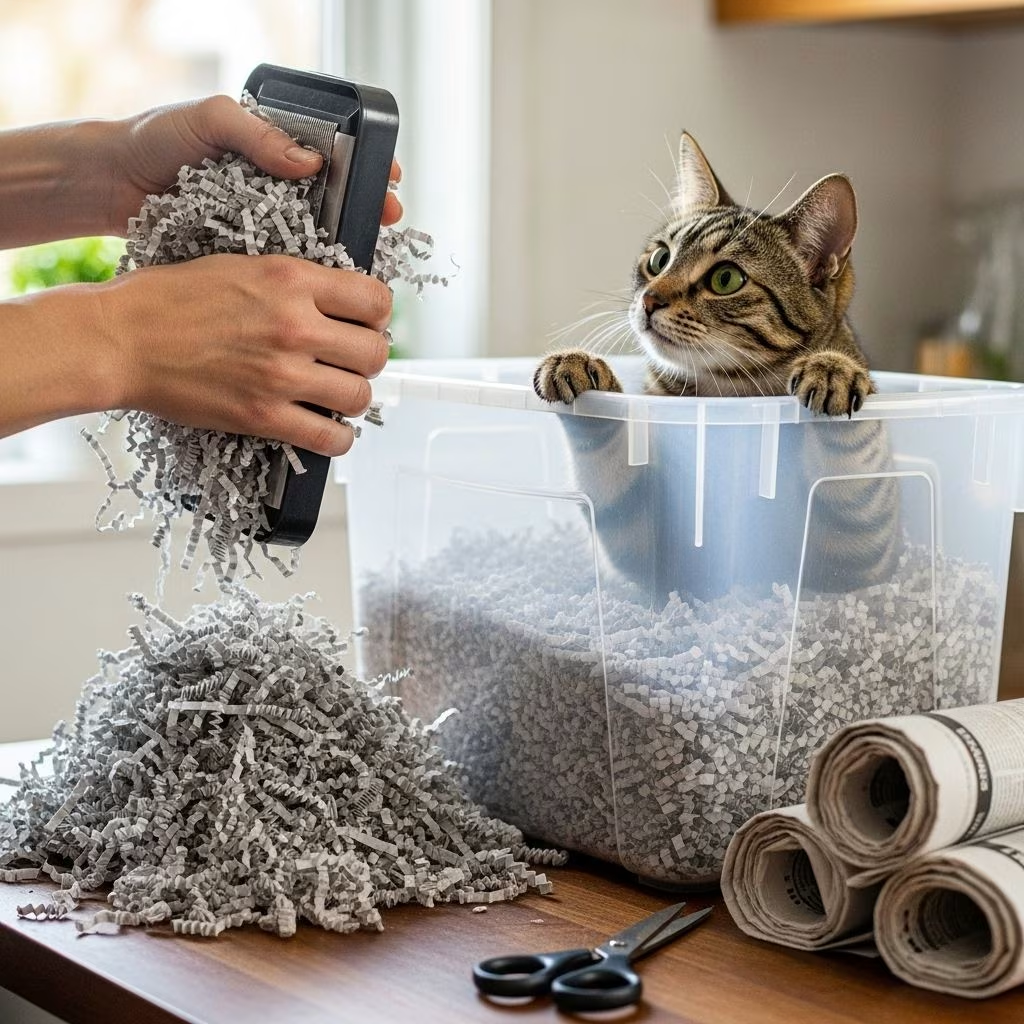
Begin by collecting a large stack of newspapers. Avoid glossy pages as the chemical finishes and colored inks may not be safe for cats. Shred the newspaper into thin strips by hand or with a paper shredder. The finer the strips, the better they’ll absorb liquid and form a suitable litter texture.
2. Soak the Newspaper
Place the shredded newspaper into a large bowl or container. Add enough warm water to cover the paper, then add a small amount of biodegradable, unscented dish soap. Use your gloved hands to mix gently until the soap is evenly distributed and bubbles form. This soaking process helps soften the paper and remove most of the ink.
3. Let It Rest and Rinse Thoroughly
Allow the newspaper, water, and soap mixture to soak for about 20–30 minutes. After soaking, drain the water using a strainer. Next, rinse the paper thoroughly under clean running water while squeezing out the excess soap and ink. Repeat rinsing until the water runs clear and there are no more visible suds.
4. Drain, Squeeze, and Shape
Squeeze out as much water as possible from the soaked newspaper. You will be left with a pulp-like texture reminiscent of damp, clumped paper. Use your hands to break the pulp into small, loosely packed balls or crumbles. The smaller and lighter the texture, the faster it will dry and the easier it will be for your cat to dig and cover waste.
5. Add Odor Control and Dry Completely
Move the shaped paper lumps to a foil-lined baking pan (shiny side up). Sprinkle baking soda evenly over the crumbled paper and gently mix it in. Baking soda acts as an odor absorbent, making your homemade litter more effective at controlling smells. Spread out the pieces to ensure even drying.
Drying methods:
- Oven drying: Preheat your oven to approximately 350°F (177°C). Place the baking tray in the oven and bake for 20–30 minutes, or until the paper lumps are dry, airy, and light. Do not let them burn or scorch.
- Air drying: If you prefer not to use an oven, spread the newspaper pieces out in a single layer and allow them to air dry in a well-ventilated room for 24–48 hours. Stir occasionally to encourage even drying.
6. Store or Use Immediately
Once fully dry and cool, your homemade newspaper cat litter is ready to use. Pour it into a clean and dry litter box, distributing it evenly to a depth of about 2–3 inches. Store any excess litter in an airtight container to maintain freshness.
Tips for Success
- Use only unscented and non-glossy newsprint to avoid exposure to harmful chemicals.
- Change the litter regularly; homemade varieties may need more frequent cleaning than commercial ones due to faster breakdown and odor accumulation.
- If your cat is hesitant, try adding a small amount of its previous litter at first, then gradually increase the ratio of newspaper litter over a week or two.
- Baking soda is safe in moderate amounts but do not overuse; excess can dry out your cat’s paws.
- Encourage friends or neighbors to save their newspapers to maintain a steady supply if you own multiple cats.
Alternative DIY Cat Litter Options
While newspaper-based litter is among the most popular homemade options, there are other eco-friendly substitutes that may suit your needs or preferences:
- Wood shavings or sawdust: Especially from feed stores (avoid treated or painted wood).
- Chicken feed or scratch grains: Highly absorbent but may attract pests.
- Sand or soil: Inexpensive but messy and lacking in odor control.
- Store-bought wood pellets (pine or cedar): Dust-free and naturally deodorizing, though not technically homemade.
Advantages of Homemade Newspaper Cat Litter
- Eco-Friendly: Upcycles waste material and reduces landfill impact.
- Affordable: Often free or low cost, especially if supplied from your own or community newspapers.
- Lower Dust: Significantly less dust than most clay litters, reducing respiratory risk for both you and your cat.
- Gentle on Paws: Softer texture is suitable for kittens, elderly cats, or those with sensitive paws.
Potential Drawbacks and Considerations
- Time-Consuming: Preparation requires soaking, rinsing, drying, and crumbling the paper, which can be labor-intensive.
- Odor Control Limitations: Homemade litters may lack the efficient deodorizers found in commercial products. Baking soda helps but may need to be reapplied.
- Clumping Ability: Newspaper litter does not clump as efficiently as clay-based or synthetic alternatives, making daily cleaning more challenging.
- Absorption Rate: Because paper can break down quickly with moisture, frequent litter changes are essential to prevent soiling and strong odors.
- Transition Challenges: Some cats are finicky about litter texture or smell. Transition gradually to avoid aversion or box avoidance.
Best Practices for Transitioning to Homemade Litter
- Introduce the homemade litter slowly, mixing it with your cat’s current litter and gradually increasing the ratio over a week.
- If you live in a multi-cat household, provide each cat with a box to better monitor their preferences and adaptation.
- Observe your cat’s behavior carefully; signs of avoidance may mean you need to try a different alternative or allow a longer adjustment period.
- Maintain a strict cleaning schedule—scoop solids daily and replace soiled litter to minimize odor and encourage usage.
Frequently Asked Questions
Q: How often should I change homemade newspaper cat litter?
A: For optimal cleanliness and odor prevention, scoop waste daily and replace all the litter at least every 2–3 days. Frequency depends on the number of cats and their habits.
Q: Is homemade newspaper cat litter safe for kittens?
A: Yes, so long as you use plain, unscented, non-glossy newspaper and rinse it thoroughly to remove ink. Homemade litter is gentler on kitten paws and avoids chemical exposure.
Q: Can I compost used newspaper cat litter?
A: In general, cat waste should not be composted in piles for food gardens due to pathogen concerns. However, some composters handle pet waste separately for ornamentals and non-edible plants—check local guidelines.
Q: What if my cat refuses to use the new litter?
A: Transition gradually by mixing increasing amounts of homemade litter with their usual type over a week or more. If your cat continues to avoid the litter box, you may need to consider other alternatives.
Q: Are there any risks to using newspaper litter?
A: If the litter is not changed regularly or thoroughly dried, it can harbor bacteria and odors. Some cats or people may have minor sensitivities to residual ink, but modern black ink is typically soy-based and non-toxic.
Comparison Table: Commercial vs. Homemade Newspaper Cat Litter
| Feature | Commercial Litter | Homemade Newspaper Litter |
|---|---|---|
| Cost | Higher (recurring purchase) | Low to free |
| Eco-Friendliness | Varies, often non-biodegradable | Very high (recycled material) |
| Odor Control | Excellent, with additives | Good, with regular cleaning and baking soda |
| Clumping | Excellent (clumping options available) | Poor to moderate |
| Health/Safety | Potential for dust, chemicals | Low dust, minimal chemicals |
| Preparation Time | None | High (requires soaking, drying) |
Final Thoughts
Homemade newspaper cat litter presents a sustainable, low-cost alternative for eco-conscious pet owners. While there are trade-offs regarding preparation and odor control, the health and environmental benefits often outweigh these minor inconveniences. Remember to monitor your cat’s preferences, maintain cleanliness, and experiment with various natural additives to enhance odor-absorbing qualities.
By upcycling newspaper, you’re not only providing a safe and gentle substrate for your cat, but also contributing to a waste-free, healthier home.
References
- https://www.youtube.com/watch?v=BSizM1EfGS4
- https://www.cuteness.com/article/make-homemade-cat-litter/
- https://www.lovetoknowpets.com/cats/homemade-cat-litter
- https://ecogirlshop.com/zero-waste-shredded-paper-cat-litter/
- https://thecatsite.com/threads/homemade-cat-litter-from-newspapers-anyone-here-tried-it-yet.211447/