


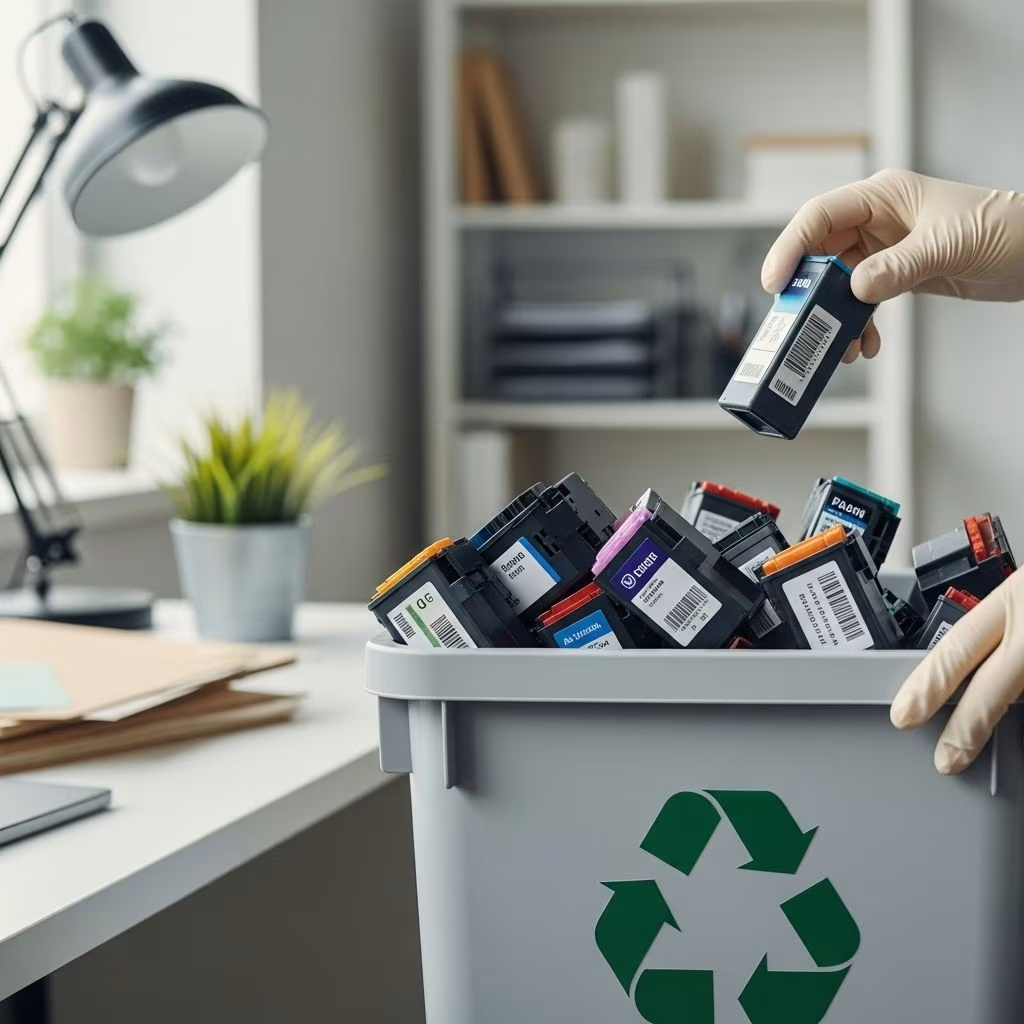
Every year, millions of ink and toner cartridges are used and discarded around the world, adding to the mounting challenge of electronic waste (e-waste). Properly recycling your printer cartridges reduces environmental harm, conserves resources, and supports a circular economy. In this extensive guide, you’ll find everything you need to know about recycling and reusing ink cartridges, from the environmental reasons to practical step-by-step instructions and answers to the most common questions.
Why Recycle Ink Cartridges?
Ink and toner cartridges contain various materials, including plastic, metal, foam, and residual ink or toner. If these cartridges end up in the landfill, much of this material will remain intact for hundreds of years, releasing potential toxins and wasting valuable resources. By recycling your cartridges, you:
- Reduce landfill waste and e-waste.
- Conserve natural resources by enabling the recovery and reuse of metals and plastics.
- Prevent pollution from hazardous chemicals found in inks and toners.
- Support a sustainable circular economy by allowing components to be refurbished, reprocessed, or repurposed.
What Happens When Ink Cartridges Aren’t Recycled?
Improper disposal of ink cartridges leads to significant environmental issues:
- Non-biodegradable plastics contribute to persistent landfill waste.
- Residual ink and toner can leach into soil or water resources, introducing toxic chemicals.
- Discarded cartridges represent wasted potential—metals and plastics that could be remanufactured into new products.
Recycling is not just preferable—it’s an essential responsibility for consumers and organizations alike.
How Are Printer Cartridges Recycled?
The printer cartridge recycling process is highly efficient and focuses on maximizing material recovery. Here’s how the journey typically unfolds:
1. Collection
Used cartridges are dropped off at dedicated collection points such as:
- Office supply stores (e.g., Staples, Office Depot, Best Buy, Target)
- Special recycling boxes in schools, businesses, or libraries
- Manufacturer mail-back programs via pre-paid shipping labels
- Local recycling or waste centers
2. Sorting and Transportation
At the recycling facility, cartridges are sorted by type, brand, and condition. Cartridges that can be remanufactured are separated from those only suitable for material recovery.
3. Disassembly and Component Sorting
Cartridges are carefully dismantled by automated or manual processes. Materials are sorted as follows:
- Plastic (casing and internal supports)
- Metals (such as steel, aluminum, and minor precious metals from circuit boards)
- Toner and ink residue (collected for special processing to avoid pollution)
4. Materials Recovery
- Plastics are cleaned and melted down for reuse in new cartridges or other products.
- Metals are smelted and reintegrated into manufacturing cycles.
- Residual inks/toners are processed through specialized treatment facilities to neutralize harmful chemicals.
5. Remanufacturing or Repurposing
Recovered materials and select undamaged cartridges are used to create:
- Remanufactured or refilled cartridges, which are sold as affordable alternatives to new ones.
- Raw plastics and metals reintroduced into the supply chain for new products, from construction materials to garden benches.
Preparing Your Ink Cartridges for Recycling
Before dropping cartridges into a recycling bin or mailing them back, follow these steps for safe and efficient recycling:
- Turn off and unplug your printer before removing the cartridge according to your user manual.
- Seal the cartridge in a plastic bag or wrap it in tape to prevent ink or toner from leaking.
- If you have the original packaging (the bag or box from your new replacement), reuse it for transport.
- Store cartridges in a cool, dry place if you can’t recycle them immediately.
- Check for any specific return or recycling instructions from the manufacturer or recycling provider.
Where to Recycle Ink Cartridges
There are numerous avenues to responsibly recycle printer ink and toner cartridges. Here are the most common options:
| Recycling Option | Description | Benefits |
|---|---|---|
| Manufacturer Mail-Back Programs | Most major printer brands (like HP, Canon, Epson, Brother) provide free or prepaid mail-back labels or envelopes for cartridge returns. | Direct, convenient, ensures proper recycling or remanufacturing. |
| Retail Drop-Off | Stores (Staples, Office Depot, Best Buy, Target) offer instore recycling bins for cartridges. | Easy and accessible, may offer store rewards or credits. |
| Dedicated Recycling Centers | Many municipalities and private companies collect e-waste, including printer cartridges. | Ideal for bulk quantities; supports local waste diversion efforts. |
| Charity or Fundraising Programs | Some organizations collect used cartridges to raise funds for causes while ensuring recycling. | Supports good causes and sustainability. |
What Parts of a Printer Cartridge Are Recyclable?
Almost every component of a printer cartridge can be recycled or reused, with some exceptions:
- Recyclable: Plastic cases, metal components, circuit boards (for precious metals), foam, and residual toner or ink (with special processing).
- Special Handling: Built-in print heads may not be recyclable everywhere but can sometimes be separated and processed.
- Not Recyclable: Cartridges with contamination or those containing unextractable chemicals may be disposed of in accordance with local hazardous waste guidelines.
Can You Reuse or Refill Ink Cartridges?
Absolutely! Ink and toner cartridge refilling can save money and reduce the number of cartridges entering the waste stream. Here’s a general guide to refilling ink cartridges safely:
- Purchase a refill kit designed for your cartridge type and printer brand.
- Work in a well-ventilated area and cover surfaces to catch ink spills.
- Locate the fill hole(s) on the cartridge, following your kit instructions.
- Use the provided syringe to draw and inject the correct amount of ink into the cartridge.
- Seal the fill holes with tape or included seals to prevent leakage.
- Allow the cartridge to rest so air bubbles dissipate.
- Reinstall the cartridge in your printer and run a test print.
Note that refilled cartridges may sometimes produce different print quality compared to brand-new ones—test and monitor, especially for important documents. Refilling is most effective for popular cartridge models and can usually be repeated several times before plastic components wear out.
What About Bulk Business Cartridge Disposal?
Organizations and businesses often produce large quantities of spent cartridges. Most manufacturers and recycling centers offer volume collection services or scheduled pickups. Best practices for workplaces include:
- Collect spent cartridges in designated boxes or bins within the office.
- Partner with an approved e-waste recycler for bulk pickups.
- Track cartridge use and coordinate recycling efforts to minimize pickups and maximize efficiency.
- Educate staff about recycling protocols and the importance of participation.
Creative and Practical Reuse Ideas
Beyond recycling or refilling, some creative individuals repurpose old cartridges for:
- Craft projects, such as keychains or miniature planters (after thorough cleaning).
- Demonstration models or science experiments (schools, makerspaces).
- Used cartridges (especially laser toners) can be taken apart to harvest motors, gears, or small plastic parts for DIY projects.
When repurposing, always ensure that cartridges are completely empty and clean of hazardous residues before use.
Frequently Asked Questions (FAQs)
Q: Do all printers accept remanufactured or refilled cartridges?
A: Many consumer printers accept remanufactured or refilled cartridges, but some brands use embedded chips or firmware that may restrict their use. Always check your printer’s warranty and compatibility guidelines.
Q: Can toner cartridges for laser printers be recycled in the same way as inkjet cartridges?
A: Yes, toner cartridges are recyclable through the same programs as inkjet cartridges and follow similar collection, sorting, and materials recovery steps. Some facilities may process them separately due to size and materials.
Q: Is there any financial incentive to recycle ink cartridges?
A: Some office supply stores offer purchase credits or discounts for returning used cartridges. Charitable recycling schemes may generate donations for schools or non-profits as well.
Q: Are there specific regulations for disposing of ink cartridges?
A: Disposing of cartridges in the general waste stream is discouraged and may even be restricted in areas with e-waste recycling laws. Always check your local and state guidelines for proper handling.
Q: What should I do if I can’t find a recycling program near me?
A: Contact your printer’s manufacturer for mail-in options, reach out to local office supply stores, or consult your municipal recycling coordinator for guidance on electronic or hazardous waste drop-off events.
Final Tips for Eco-Friendly Printing
- Print only when necessary to conserve ink and prolong cartridge life.
- Purchase recycled, remanufactured, or eco-labeled cartridges when possible.
- Educate colleagues, family, and friends on the environmental importance of cartridge recycling.
By choosing to recycle or reuse your ink cartridges, you help reduce landfill waste, recover valuable resources, and minimize the environmental impact of your printing needs. Small actions can add up to significant positive change over time—start recycling today!
References
- https://cartridgeworld.com.au/blog/how-are-printer-cartridges-recycled-step-by-step/
- https://www.tonerbuzz.com/blog/printer-cartridge-recycling/
- https://www.uvu.edu/safety/docs/printer_copier_cartridges-disposal.pdf
- https://tcsdigitalsolutions.com/how-to-recycle-ink-cartridges/
- https://www.hp.com/us-en/hp-information/recycling/ink-toner.html
- https://www.hp.com/us-en/shop/tech-takes/recycle-toner-cartridges
- https://www.inkrestock.com/free-ink-recycling/
- https://www.pts.pitt.edu/sites/default/files/upitt_tonercartridgerecycling_dr04_2024.07.09.pdf
- https://www.xerox.com/en-us/about/recycling


