Introduction: The Importance of Sustained Tree Care in Iowa
In Iowa, unpredictable weather and shifting seasons present unique challenges for gardeners and homeowners who value their green spaces. Tree care is not only an investment in landscape beauty but also in safety, community well-being, and environmental sustainability. This guide covers the essentials of tree preparation, effective pruning, careful removal, and the professional expertise required to maintain Iowa’s vibrant tree canopy.
Storm Care Before the Storm: Why Preparation Matters
Spring in Iowa can pass from gentle rains to ferocious thunderstorms or tornadoes in the blink of an eye. With every new season, responsible tree preparation becomes a vital part of property care. Pre-storm tree management can:
- Minimize property damage from falling branches or trees.
- Protect the lives of residents and neighbors.
- Preserve the long-term health and beauty of garden landscapes.
Professional assessment from certified arborists can identify weak or hazardous limbs and provide strategies to reinforce tree structure. Typical recommendations include strategic pruning, bracing, or cabling to stabilize vulnerable trunks and branches.
Preparing Your Trees for Iowa’s Spring Weather
As the cold recedes and growth resumes, trees become more susceptible to environmental stress. Preparation steps for the spring season include:
- Inspection: Look for deadwood, cracked limbs, or signs of disease.
- Selective Pruning: Remove weak, crowded, or damaged branches.
- Mulching: Apply organic mulch to conserve moisture and regulate soil temperature.
- Fertilization: Provide appropriate nutrients based on soil analysis.
- Structural Support: Install supports or cables as advised by specialists.
Regular checkups in early spring help catch problems before they lead to bigger issues, ensuring your trees are resilient during Iowa’s unpredictable storms.
Essential Spring Pruning Tips for Iowa Trees
Spring is an ideal time for major tree pruning projects. Professional arborists recommend the following:
- Timing: Prune after the last frost but before rapid vegetative growth.
- Technique: Make clean, angled cuts just outside the branch collar to promote rapid healing.
- Avoid Overpruning: Remove no more than 25% of a tree’s canopy in a single season.
- Tools: Use sterilized, sharp equipment to prevent disease transmission.
Strategic pruning encourages robust growth, disease resistance, and a well-proportioned form, all critical for Iowa’s landscape trees.
Post-Winter Care Guide: Weather Whiplash & Your Trees
Iowa winters can be harsh, causing physical stress to tree roots, bark, and branches. Spring recovery protocols include:
- Damage Assessment: Evaluate trees for splitting, frost cracks, or root upheaval.
- Wound Healing: Treat damaged areas with recommended practices; avoid using commercial wound dressings which may trap moisture.
- Pest Vigilance: Monitor for signs of insect infestation as temperatures rise.
Effective post-winter care promotes quick recovery and maintains the vitality essential to withstand future environmental shocks.
Tips for Spring Tree Pruning in Ankeny, Ames, and Des Moines
- Select pruning times based on your specific region’s frost dates to avoid cold damage.
- Focus on species-specific needs; for example, some ornamental species flower on old wood and require gentle hand pruning.
- Integrate local knowledge—consult with Iowa certified arborists who understand unique urban tree challenges.
Urban centers like Ankeny, Ames, and Des Moines benefit from careful pruning that protects public safety, sustains community aesthetics, and fosters ecosystem health.
When is the Right Time to Prune My Oak Trees in Iowa?
Oak trees, a symbol of Iowa’s natural heritage, require special attention. The optimal pruning window is late winter to early spring (mid-February to late March), minimizing the risk of oak wilt—a devastating fungal disease spread by beetles during warm months.
- Do not prune oak trees from April to July to avoid attraction of disease-carrying beetles.
- If emergency pruning is required outside the ideal window, immediately seal cuts with recommended wound paint.
- Always seek professional advice for mature or historic oaks to ensure their longevity and health.
Treehugger Hosts Iowa’s Annual Saluting Branches Volunteer Event
Tree care is about more than individual landscapes—it’s a statewide mission. Each year, the Saluting Branches Volunteer Event in Marshalltown brings together certified arborists and tree enthusiasts dedicated to enhancing Iowa Veteran Home’s grounds. Key impacts include:
- Improving safety for residents and visitors through professional tree management.
- Cultivating a welcoming, therapeutic environment for veterans.
- Fostering a sense of community and stewardship through shared service.
This event exemplifies how professional tree care can honor those who have served, strengthening both landscape and community bonds.
Thank Your Trees With Proper Tree Care from Certified Arborists
Trees do more than decorate our properties—they cool the air, purify the atmosphere, and boost neighborhood tranquility. Certified arborists offer distinct advantages:
- Expert recognition of symptoms of disease, decay, and insect activity.
- Advanced pruning and trimming techniques that promote balanced, healthy growth.
- Responsible practices that protect not only the tree but the ecosystem at large.
Investing in professional tree care ensures your trees provide maximum benefits for years to come.
What You Didn’t Know About Tree Pruning, and Why You Need a Professional
Pruning may look simple, but it carries significant consequences for the tree’s health and structural integrity. Many homeowners underestimate these complexities:
- Hidden Growth Patterns: Correctly pruning young trees determines their mature form, requiring professional insight into species-specific habits.
- Disease Management: Inappropriate cuts can introduce pathogens or attract pests.
- Crown Restoration: Restoring storm-damaged or neglected trees involves multi-year phases understood only by trained specialists.
Tree pruning is an art rooted in science. Entrust this task to those with the training and experience to safeguard your investment.
The Professional Tree Removal Difference: Ensuring Safety and Sustainability
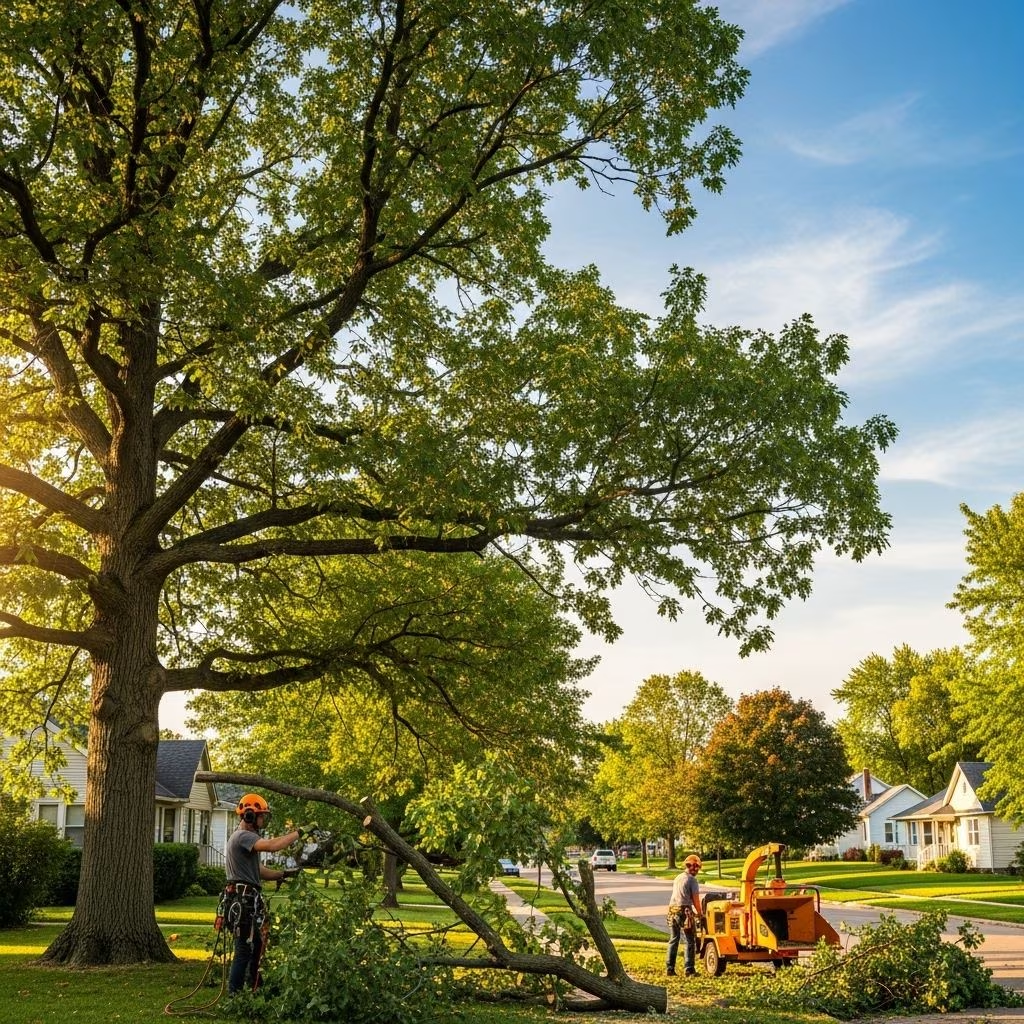
While preservation is the priority, sometimes tree removal is unavoidable—dead, diseased, or dangerously situated trees must be removed to protect property and people. Professional removal stands apart due to:
- Comprehensive Risk Assessment: Identifying hazards to structures, utilities, and nearby trees.
- Safe Techniques: Using advanced rigging, cranes, and industry-standard safety protocols.
- Sustainable Disposal: Recycling wood and debris, minimizing waste.
- Restoration Planning: Advising on replacement planting or landscape repair.
Certified professionals leave landscapes safer, cleaner, and ready for new growth.
The Art and Science of Tree Trimming: Enhancing Your Landscape’s Beauty
Tree trimming is more than maintenance—it is the ongoing refinement of a landscape’s structure, aesthetics, and ecological function. Arborists apply:
- Judicious branch selection to open canopies, improving light and airflow.
- Shape management for symmetry, proportion, and harmony with surrounding plants.
- Seasonal adaptations to accommodate weather patterns and growth cycles.
A healthy, well-trimmed tree becomes a focal point of outdoor living spaces, boosting curb appeal and environmental benefits.
| Task | Recommended Timing | Special Considerations |
|---|---|---|
| Storm Preparation | Late Winter / Early Spring | Focus on hazard removal and tree stabilization |
| Spring Pruning | After last frost | Sanitize tools, avoid overpruning |
| Oak Tree Pruning | Feb–Mar | Seal cuts outside window to prevent oak wilt |
| Post-Winter Damage Assessment | March | Check roots, bark, crown for stress/damage |
| Tree Removal | Any time (urgent cases) | Use certified removal experts, recycle debris |
Frequently Asked Questions (FAQs)
Q: How often should I prune my trees in Iowa?
A: Most established landscape trees benefit from pruning every 3–5 years, but younger or fast-growing species may need yearly adjustments. Consult a certified arborist for customized schedules.
Q: What signs indicate a tree may need removal?
A: Dead branches, extensive leaning, cracks in the trunk, visible decay, or repeated pest infestations mean it’s time for a professional assessment.
Q: Are oak trees more vulnerable to disease if pruned in spring?
A: Yes. Pruning oaks from April through July in Iowa increases risk of oak wilt. Always prune during the recommended late-winter window.
Q: Why hire certified arborists instead of doing it myself?
A: Certified professionals understand local trees, disease prevention, and advanced safety measures. They deliver better results while minimizing risks to both you and your landscape.
Q: What is Saluting Branches and how can I participate?
A: Saluting Branches is an annual volunteer event in Iowa focusing on tree care for veterans’ facilities. Contact local arborist groups for participation details and event schedules.
Conclusion: Building Resilient Landscapes Together
Effective tree care in Iowa is rooted in preparation, expertise, and community engagement. By prioritizing seasonal readiness, proper pruning, safe removal, and professional guidance, you nurture not only your own green spaces but the overall ecological and social health of your region. Invest in certified care and join local initiatives to keep Iowa’s landscapes—and its people—thriving for generations to come.
References
- https://shortyawards.com/5th-socialgood/treehugger
- https://treehuggercrew.com/blog/
- https://greenlivingguy.com/2010/10/treehugger-provides-further-supporting-evidence-to-electric-cars/
- https://www.cision.one/media-outlets/treehugger-qJQVBMgQOKWpr2xL
- https://treehugger.com.websiteoutlook.com
- https://www.thingsaregood.com/tag/treehugger/
- https://smallanddeliciouslife.com/tag/treehugger/
- https://grist.org/author/treehugger-com/page/4/