


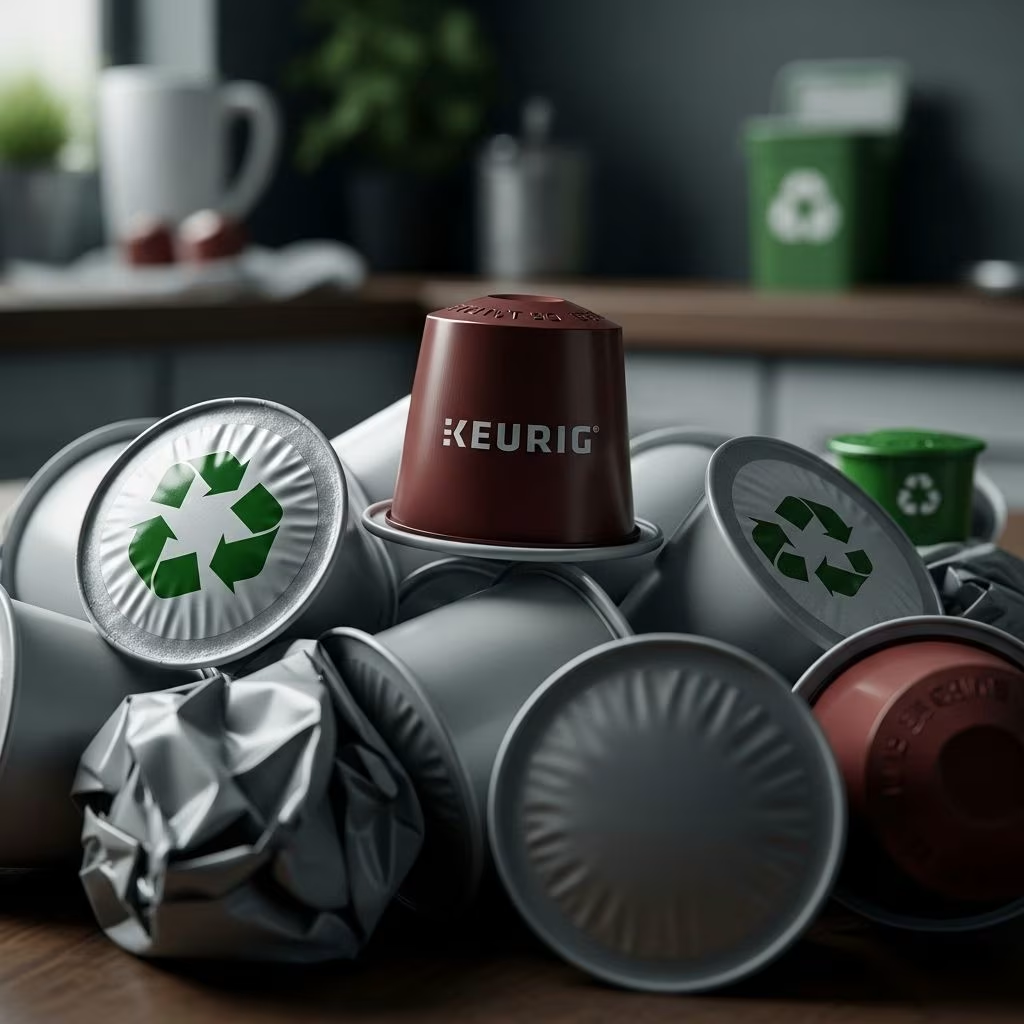
Keurig’s Coffee Pod Recycling Claims at the Center of Controversy
For years, Keurig Dr Pepper Inc. has positioned its K-Cup coffee pods as a convenient and environmentally responsible way to brew single cups of coffee. The company’s marketing has prominently highlighted the use of recyclable plastics and sustainability initiatives. However, scrutiny by environmental advocates, regulators, and local recycling programs reveals a much more complicated reality. This article explores the key issues underpinning the debate, recent regulatory actions, and what it all means for consumers and corporations alike.
The Rise of Single-Serve Coffee Pods
Keurig’s single-serve coffee makers and K-Cup pods sparked a revolution in home coffee brewing. As millions embraced the promise of effortless, consistent coffee with minimal waste, the environmental impact of the tiny, sealed pods quickly became a point of concern. Most K-Cups are made from #5 polypropylene plastic, but their design—combining plastic, aluminum, paper, and organic material in a small package—poses significant recycling challenges.
- In 2019, Keurig reported that coffee pod sales made up a significant share of its coffee systems division’s net revenue.
- Consumer research by Keurig subsidiaries indicated that environmental impact was a meaningful factor influencing purchasing decisions.
- Many coffee consumers assumed that recycling claims on packaging meant the pods would be effectively recycled curbside, which was rarely the case in practice.
Keurig’s Recyclability Messaging: What Was Promised?
Keurig has long promoted its K-Cups as recyclable. Packaging, advertising, and even annual reports emphasized the use of “widely recycled” polypropylene plastic. Keurig encouraged its customers to check with their local recycling authorities, but the overall thrust was clear: K-Cups could be recycled if properly disposed of.
- Keurig’s statements included: “Our K-Cup pods are made from recyclable polypropylene plastic (#5), which is widely accepted in curbside recycling systems across North America.”
- The company produced guides for preparing K-Cups for the recycling stream—removing lids and grounds before recycling the empty plastic cup.
Despite these messages, the pods’ actual journey through North America’s recycling infrastructure proved anything but straightforward, and growing skepticism soon led to regulatory review.
SEC Charges: The Fine Print Behind Corporate Greenwashing
On September 10, 2024, the Securities and Exchange Commission (SEC) charged Keurig Dr Pepper Inc. with making inaccurate statements about K-Cup recyclability in its 2019 and 2020 public filings. According to the SEC, while Keurig told investors its pods could “be effectively recycled,” the company failed to disclose key information about real-world recycling limitations.
- Two of the largest recycling companies in the U.S. had informed Keurig they would not accept K-Cups for recycling due to operational challenges.
- Keurig knew from internal research and external feedback that many municipal programs could not or would not process coffee pods.
- The SEC fined Keurig $1.5 million for these misleading claims, noting the importance of transparency for investors evaluating companies on their environmental responsibility.
Without admitting or denying the SEC’s findings, Keurig agreed to a cease-and-desist order and paid the penalty, signaling increased regulatory attention to so-called “greenwashing” in sustainability claims.
Why Are K-Cups So Hard to Recycle?
Despite being made from recyclable plastic, K-Cups are a headache for most local recycling systems. The main technical and practical obstacles include:
- Size: At less than 2 inches wide, K-Cups often slip through sorting equipment, ending up in landfill-bound trash.
- Complexity: K-Cups combine plastic with foil lids, paper filters, and leftover coffee grounds—materials that must be separated before recycling.
- Residue: Unrinsed pods with leftover coffee contaminate recycling bales, further complicating processing.
- Economic Viability: The added labor and machinery required to process tiny pods dissuade commercial recycling operations from accepting them.
Local Recycling Programs Push Back
While Keurig highlighted “widely recycled” materials in product labeling, many municipalities and large private recyclers repeatedly excluded K-Cups from accepted curbside materials. Recycling companies pointed out the pods jammed equipment and contaminated recycling streams.
- Major recycling processors in cities like Toronto and San Francisco explicitly urged residents not to place coffee pods in recycling bins.
- Municipalities often cited the difficulties in sorting and cleaning the mixed-material pods as justification for exclusion.
This disconnect between what is technically recyclable and what is actually recycled became a central issue in the SEC’s complaint against Keurig’s public-facing messaging.
Corporate Responsibility and the Debate Over Single-Use Plastics
The Keurig controversy shines a spotlight on the broader challenge of single-use plastics in consumer packaging—and the battle between environmental optimism and logistical reality. While many brands tout recyclable packaging as a sustainability solution, the success of such initiatives depends on both infrastructure and consumer compliance.
- Critics argue K-Cups typify the “wishcycling” problem: consumers are encouraged to put non-recyclable items in blue bins, only for those items to end up in landfills or burned.
- Supporters of single-serve systems contend that the potential for less wasted coffee and water might offset the environmental harm of single-use pods, at least in some scenarios.
Regulatory and Market Responses
The SEC’s $1.5 million penalty against Keurig represents a significant warning to companies making environmental claims about their products. Regulators are increasingly scrutinizing such statements, especially as investors and consumers prioritize sustainability in their purchasing and investment decisions.
Competing brands are responding in various ways:
- Nespresso (Nestlé): Offers a dedicated recycling program for its aluminum pods, relying on drop-off points and mail-back services rather than curbside systems.
- Starbucks: Has experimented with compostable pods for some systems, but widespread adoption depends on industrial compost facilities.
- San Francisco Bay Coffee: Uses fully compostable, plant-based pods as a way to avoid recycling challenges entirely.
These responses reflect a recognition that sustainable packaging requires not only recyclable materials but also a viable system for collection, processing, and end-of-life management.
The Life Cycle Impact of Coffee Pods
Are coffee pods better or worse for the environment than brewing traditional pots? A peer-reviewed 2021 study cited in reporting on the Keurig controversy found that pods typically produce more greenhouse gas emissions than other home brewing methods. The main reasons:
- Energy and emissions used in manufacturing the pods and their packaging.
- The vast majority of single-use pods end up in landfills due to recycling system limitations.
Some researchers argue pod systems may save coffee and water (when compared to brewing a full pot for only one cup), but the environmental cost of the packaging usually outweighs these savings in the current infrastructure.
What Should Consumers Do?
Consumers seeking to limit their environmental footprint while enjoying convenient coffee options have several choices to consider:
- Consult local recycling guidelines: Don’t assume all #5 plastics are accepted—check with your municipality.
- Disassemble before disposal: Remove aluminum lids, compost coffee grounds (if possible), and rinse K-Cups before attempting recycling—if your program accepts them.
- Seek third-party recycling programs: Some specialty companies offer mail-in or drop-off services for coffee pods.
- Switch to compostable or reusable pods: Several brands now offer compostable options for Keurig brewers, or refillable stainless or plastic pods that eliminate waste.
- Brew traditionally: French press, pour-over, and drip coffee methods generate less packaging waste and often allow grounds to be composted.
Comparison of Coffee Pod Systems and Their Sustainability Efforts
| Brand/System | Main Material | Company Recycling or Composting Solution | Accepted in Curbside Recycling |
|---|---|---|---|
| Keurig K-Cup | #5 Polypropylene | Remove lid, empty grounds, recycle cup (limited acceptance) | Rarely |
| Nespresso | Aluminum | Return to collection centers/mail-back program | No |
| San Francisco Bay Coffee | Plant-based (compostable) | Compost where accepted | No curbside, but compostable |
| Starbucks Verismo | Compostable (some models) | Requires industrial composting | Rare; check local services |
Sustainability, Corporate Disclosure, and the Future of Coffee Packaging
The Keurig case spotlights a widespread challenge for all companies marketing “eco-friendly” products: transparency and full disclosure matter. Regulators, investors, and consumers alike are demanding closer scrutiny of green marketing claims. As the business risk of making unsubstantiated environmental statements grows, brands across the coffee sector and beyond may need to rethink both their products’ design and how they communicate environmental benefits.
Better solutions will require:
- Collaboration between packaging designers, recycling system operators, and policy makers.
- Ongoing investment in recycling and composting infrastructure targeted at challenging waste streams.
- Clear labeling and communication to ensure consumers aren’t misled by overly optimistic “recyclable” claims.
- A willingness to be transparent about environmental limitations and trade-offs, so that buyers and investors can make informed choices.
Frequently Asked Questions (FAQs)
Q: Are Keurig K-Cups recyclable in most curbside programs?
A: No, the vast majority of municipal curbside recycling programs in North America do not accept K-Cups, even though they are made from recyclable polypropylene plastic. The combination of small size, mixed materials, and contamination from coffee grounds typically excludes them from most recycling streams.
Q: Why did the SEC fine Keurig over its recycling claims?
A: The SEC fined Keurig $1.5 million for making inaccurate recyclability claims in its annual reports and for failing to disclose that large recycling companies would not accept its pods. This omission gave investors an incomplete understanding of Keurig’s sustainability profile.
Q: What alternatives exist to single-use plastic coffee pods?
A: Options include compostable pods (available from select brands), reusable pods designed for refill and multiple uses, return-to-collection aluminum pods (Nespresso), and traditional brewing methods such as French press or pour-over, which minimize packaging waste.
Q: Is there a difference between technical recyclability and actual recycling?
A: Yes. Technical recyclability means a material could be recycled if collected and processed properly. Actual recycling refers to what is practically accepted and processed in local programs. Many technically recyclable items, like K-Cups, aren’t widely recycled in the real world due to infrastructure, cost, and contamination barriers.
Q: How can consumers help minimize coffee brewing waste?
A: Choose reusable or compostable pods where available, compost coffee grounds, check local recycling requirements, and consider alternative brewing methods. Stay informed about local recycling updates and support brands with transparent, verifiable sustainability practices.
References
- https://www.britannica.com/procon/Securities-and-Exchange-Commission-Says-K-Cup-Pods-are-Not-Recyclable
- https://www.sec.gov/newsroom/press-releases/2024-122
- https://happyeconews.com/keurig-coffee-pod-recycling/
- https://www.youtube.com/watch?v=flwH3ECkvlo
- https://www.rumpke.com/blog/guide-to-recycling-k-cups-and-coffee-pods


