Time Travel on the Prairie: The Magic of Living History Farms
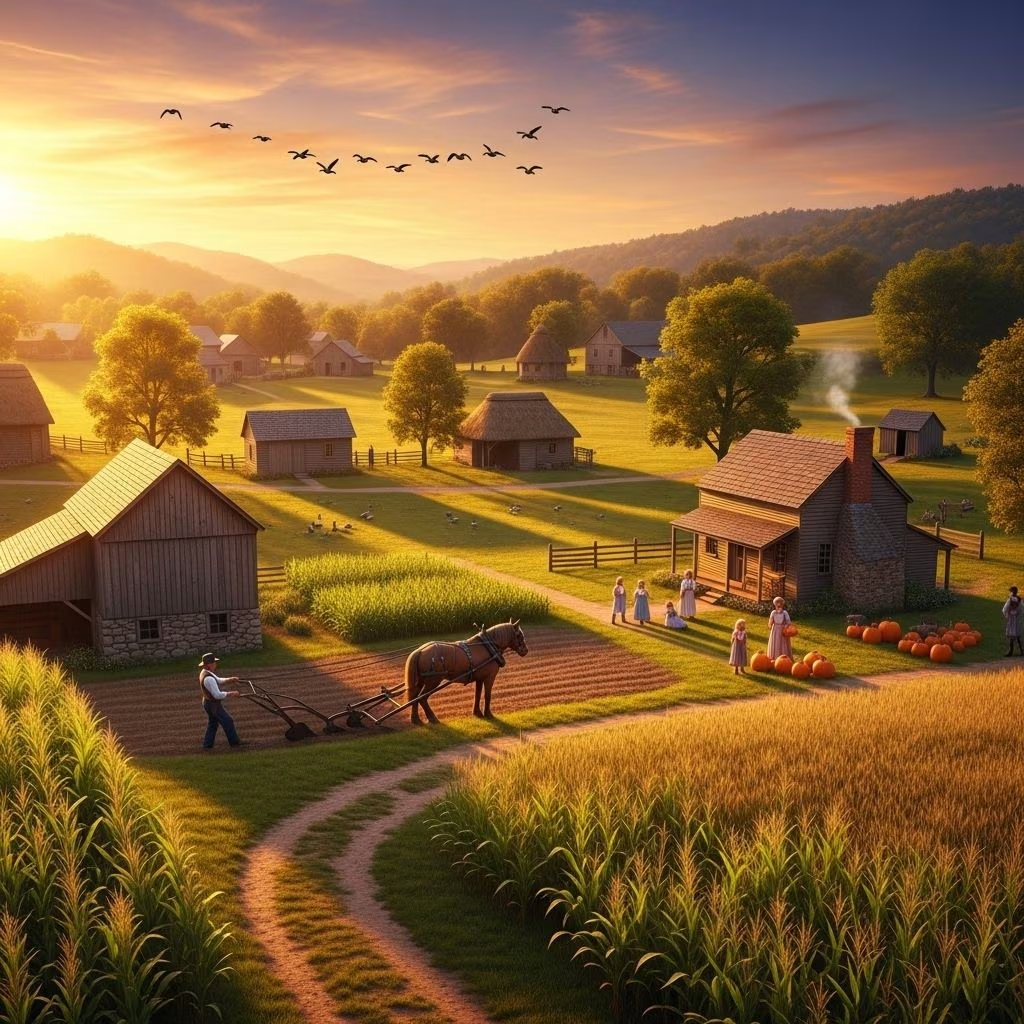
Nestled amidst the sweeping prairies of Urbandale, Iowa, Living History Farms serves as a gateway to the rich heritage of Midwestern agriculture. This 500-acre open-air museum is a meticulously crafted experience where three centuries of rural life are brought to vivid life, allowing visitors of all ages to connect with the rhythms, challenges, and innovations that have shaped America’s heartland. Here, history is not confined behind glass—it is walked, touched, tasted, and felt, down to the soil beneath your boots and the handiwork of skilled interpreters in period attire.
Why Living History Matters
Living history museums like this offer more than a mere window into the past. They create opportunities for hands-on engagement, allowing new generations to understand the origins of their food, the ingenuity of settlers and indigenous peoples, and the ways in which agriculture and community intertwine. This museum amplifies that mission, with a clear vision:
- Educate the public about 300 years of local agriculture and society.
- Preserve and embody Midwestern rural heritage through immersive storytelling and demonstration.
- Cultivate lifelong learning with dynamic programming for all ages.
- Forge meaningful connections to community and cultural legacy.
Getting Oriented: How Living History Farms Works
The property is thoughtfully arranged so visitors can traverse through history in chronological order, exploring three distinct working farms and a recreated 19th-century town. Transportation between sites is part of the adventure, with a tractor cart shuttling guests over a mile-long route, including a memorable passage under Interstate 35/80—the literal and metaphorical divide between generations.
- Guided Experiences: Costumed interpreters work each farm and town location, engaging visitors with demonstrations in period-appropriate tasks, crafts, and daily routines.
- Interactivity: Whether it’s tending a fire, spinning wool, or churning butter, guests get their hands dirty (sometimes literally) by stepping into the roles of Ioway tribe members, pioneer homesteaders, or early 20th-century farmers.
- Self-Paced Touring: While the tractor carts provide mobility, the journey is yours to shape—with abbreviated routes and accessibility options on request.
- Time Estimate: Full immersion in all sites requires about 3-5 hours. Focused visits (Farm or Town only) can be done in less time, but the breadth of detail rewards unhurried exploration.
From Cornfields to Crossroads: Three Centuries of Rural Iowa
The heart of Living History Farms beats through three working farm sites and a bustling reconstructed town, each designed to immerse visitors in a discrete chapter of the Midwest’s ongoing story.
The 1700 Ioway Farm
Step onto land shaped for generations by the Ioway people. Archaeologically-informed reconstructions showcase traditional dome-shaped bark lodges, gardens of ancient blue corn and Omaha melons, and the skilled use of locally-sourced tools and resources. Activities and demonstrations illuminate Ioway life, from:
- Tanning hides and making pottery
- Food preparation with native crops
- Exploring gender roles and social structure
- Understanding hunting, gathering, and trade practices
Archaeological consultation with scholars such as Mildred Mott Wedel guarantees authenticity in every detail, from crop selection to interpreting daily life.
The 1850 Pioneer Farm
The land yields to change as you arrive at the era of wagon trains and hand-hewn cabins. This site immerses you in the isolated yet industrious life of early settlers. Here, each day was a testament to perseverance and resourcefulness.
- Visit a rustic log cabin, witness cooking over wood fires and cast iron, or try your hand at candle making and wool spinning.
- Watch (or help) as oxen plow fields, preparing soil for staple crops like corn, wheat, and potatoes.
- Learn about the social dynamics, hardships, and innovations that allowed families to survive and put down roots.
The 1900 Horse-Powered Farm
Industrialization begins to echo across the prairie, bringing horse-drawn machinery and new approaches to both work and life.
- Explore a farmhouse filled with artifacts of domestic life circa 1900.
- See powerful draft horses in action, operating threshers, plows, and other tools of the era.
- Experience the dawn of modern farming—where hard labor mixed with new technology to transform not just production, but community itself.
Together, these sites chart the dramatic evolution of tools, practices, and culture that propelled Iowa into a new century.
The 1876 Town of Walnut Hill
After traversing the farm sites, step back into Walnut Hill, a bustling crossroads of commerce, education, and social life in 19th-century Iowa. The town features original as well as carefully restored buildings like the Martin and Ellen Flynn Home, which anchors the broader story of frontier society. Key stops include:
- General store, post office, and law office
- Blacksmith’s shop and print shop
- Schools, churches, and gardens
- Interactive opportunities to witness or participate in historical trades and crafts
The town site serves as a bridge between rural isolation and emerging urbanity, inviting visitors to reflect on progress while savoring the rhythms of a small, interconnected community.
Signature Programming: More Than Just Tour Stops
The magic of Living History Farms doesn’t end with the standing exhibits. Throughout the year, tailored events, classes, and immersive experiences keep the story alive and ever-changing:
- Special Events: Annual celebrations like Emancipation Day, Independence Day, Grain Harvest, and Applefest infuse the grounds with music, demonstrations, and family-oriented fun.
- Interactive Workshops: Learn historical skills (from blacksmithing to early foodways) in hands-on classes suitable for all ages.
- Educational Programs: Schools flock here for field trips, while summer camps and preschool storytimes introduce youth to history’s daily magic.
- Historic Dinners & Gatherings: Savor period menus in authentically recreated dining rooms, styled just as they would have been in 1850 or 1900.
These programs strengthen the museum’s mission: to cultivate a community of lifelong learners and keep Midwestern heritage vibrant.
Planning Your Visit: Practical Tips and Insider Advice
To get the most out of your journey through time, consider the following:
- Time Commitment: Allow 3-5 hours to see all farm and town sites. Short on time? Pick either the farm or the town for a condensed (but still rich) experience.
- Access & Mobility: Tractor-drawn carts carry guests between sites, but comfortable shoes and a willingness to walk are recommended. Abbreviated and accessible routes are available—just ask the staff at the entrance.
- Food & Drink: You may bring food and beverages. Picnic areas abound, and you may leave and re-enter the grounds as long as you retain your admission sticker. Limited snacks are also sold at the MarketPlace Museum Store.
- Membership Perks: Apply the cost of your admission toward an annual membership before leaving for a year’s worth of visits—including special events and discounts.
Preservation, Progress, and Community
Living History Farms is more than a museum—it is a living laboratory for cultural memory and environmental stewardship. By walking its trails, tasting its gardens, and interacting with its passionate interpreters, visitors grasp the ongoing connections between past and present. Signature preservation goals include:
- Maintaining historical accuracy in all architectural and agricultural restoration
- Partnering with educators and experts to enrich every program and exhibit
- Inspiring thoughtful connections to food systems, conservation, and community
The landmark occasion of Pope John Paul II’s 1979 Mass on these grounds, attended by over 340,000 people, underscored the farm’s deep ties to heritage, sustainability, and faith in working the land.
Frequently Asked Questions (FAQs)
What makes Living History Farms different from traditional museums?
Living History Farms is an open-air, interactive museum. Instead of simply viewing artifacts behind glass, visitors experience 300 years of rural history by engaging with interpreters, participating in demonstrations, and exploring functioning farms and a recreated 1800s town.
Can I bring my children, and is the museum suitable for families?
Absolutely. Living History Farms is designed for all ages, with children’s programming, hands-on activities, and plenty of space to roam and explore.
Is Living History Farms accessible for visitors with limited mobility?
The museum offers tractor cart rides to minimize walking between sites, and abbreviated tour routes are available upon request. Speak with staff for specific needs to ensure accessibility.
What is the best time of year to visit?
General touring is available from May to October, Tuesday through Saturday. Special events are held year-round and can offer unique experiences beyond the standard tour.
What events or special programs should I look for?
Signature events like Applefest, Emancipation Day, the Grain Harvest, and themed historic dinners are highly recommended for immersive experiences. Educational workshops and summer camps are also popular.
Conclusion: Connecting the Past and Present
Perhaps the greatest gift of Living History Farms is the sense of connection it fosters: to the land, to communities past and present, and to the stories that still shape America’s rural heartland. Whether you’re tracing your roots, teaching your children, or simply reliving the magic of bygone eras, every step across these 500 acres is a step back—and forward—in time.
References
- https://www.silosandsmokestacks.org/attraction/living-history-farms/
- https://www.lhf.org/hours-and-admission/first-time-visitors/
- https://en.wikipedia.org/wiki/Living_History_Farms
- https://www.lhf.org/aboutus-2/
- https://desmoinesparent.com/living-history-farms-history-museum-outdoors/
- https://www.youtube.com/watch?v=QGCVFeAGtgA
- https://www.lhf.org/hours-and-admission/about-the-farms/
- https://www.tripadvisor.com/Attraction_Review-g38474-d103883-Reviews-Living_History_Farms-Urbandale_Iowa.html
- https://www.catchdesmoines.com/listing/living-history-farms/289/