


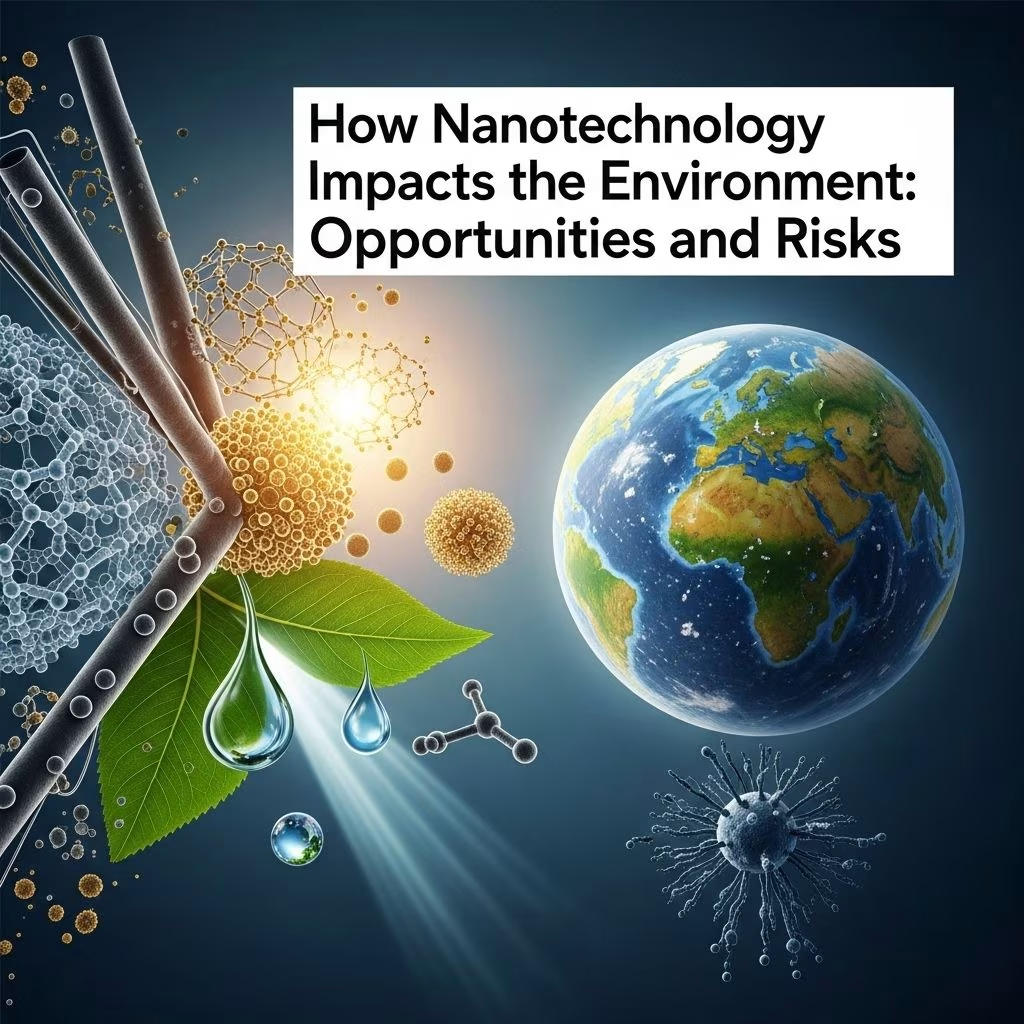
Nanotechnology, a field focused on engineering materials at the atomic and molecular scale, is increasingly reshaping how we approach environmental issues. From developing cutting-edge pollution remediation tools to introducing new risks through nanopollution, the overall impact of nanotechnology on the environment is complex, nuanced, and still unfolding. This article explores the environmental promise of nanotechnology, the current evidence of environmental risks, and the evolving perspectives on responsible innovation.
What Is Nanotechnology?
Nanotechnology involves the manipulation and application of materials on a nanoscale, typically between 1 and 100 nanometers in size. At this scale, materials acquire unique physical, chemical, and biological properties that differ significantly from their counterparts at the macro scale. These properties enable innovative approaches to address longstanding environmental, medical, and industrial challenges.
Environmental Applications of Nanotechnology
One of the most profound opportunities presented by nanotechnology is its application to environmental protection and sustainability. These applications can be grouped into a few key areas:
- Water purification: Nanomaterials can remove contaminants—including heavy metals, toxins, and pathogens—from water supplies with greater efficiency than traditional methods.
- Air pollution control: Nanoparticles are employed in filters and sensors to capture airborne pollutants and detect toxic gases at extremely low concentrations.
- Soil remediation: Engineered nanomaterials can break down or extract hazardous chemicals and heavy metals from contaminated soils, facilitating cleanup at industrial and mining sites.
- Green energy solutions: Nanomaterials increase the efficiency of solar panels, batteries, and fuel cells, contributing to cleaner energy production and reduced greenhouse gas emissions.
- Waste management: Nanotechnology enables the transformation of waste into valuable materials and enhances recycling processes.
Table: Environmental Benefits of Nanotechnology
| Application Area | Nanotechnology Solution | Enviromental Benefit |
|---|---|---|
| Water Treatment | Nano-enabled filters and adsorbents | Removes toxins, pathogens, contaminants at lower cost |
| Air Purification | Nanocatalysts, sensors, and nanofiber filters | Captures particulates, neutralizes harmful gases |
| Soil Remediation | Nanoscale zero-valent iron, titanium dioxide nanoparticles | Breaks down organic pollutants, immobilizes heavy metals |
| Energy Production | Nanomaterial-based solar cells, advanced catalysts | Higher energy efficiency, lower emissions |
| Waste Reduction | Advanced recycling using nanostructured materials | Minimizes landfill, recycles valuable resources |
Green Nanotechnology: Designing for Sustainability
Green nanotechnology encompasses the development and application of nanomaterials that enhance the sustainability of existing processes or create entirely eco-friendly alternatives. Its dual objectives are:
- To create nanomaterial products and processes that do not harm the environment or human health.
- To develop solutions, through nanotechnology, for pressing environmental problems like pollution and resource depletion.
This approach embraces foundational concepts such as:
- Green chemistry principles: Reducing or eliminating the use of hazardous substances in manufacturing nanomaterials.
- Life cycle design: Considering the environmental impact of nanotechnology products from raw material extraction through disposal or recycling.
- Energy efficiency: Developing nanomaterials using renewable inputs and at lower temperatures to minimize energy demand.
Some prominent examples include nano-enhanced solar panels fabricated from non-toxic materials, or water purification systems using natural or biodegradable nanostructures. The aspiration is to help industries shift towards cleaner, less resource-intensive practices without exchanging one type of pollution for another.
The Dark Side: Nanopollution and Environmental Risks
Despite the promise of nanotechnology, growing concern surrounds the potential environmental hazards posed by nanomaterials—often termed ‘nanopollution’.
- Unique Risks: Engineered nanomaterials (ENMs) exhibit enhanced chemical reactivity and mobility, enabling them to cross biological barriers and enter ecological and human systems with unpredictable consequences.
- Novel Pollutants: Nano-sized particles may evade detection and removal by conventional waste treatment or filtration systems, persisting in water, soil, and air.
Evidence from recent studies indicates that certain nanomaterials, especially when released through product use or manufacturing waste, can exert toxic effects on plants, animals, and microbial communities.
Examples of Nanomaterial Environmental Impacts
- Marine toxicity: Released nanoparticles, such as titanium dioxide or silver, have demonstrated cytotoxicity toward marine algae and copepod organisms, impacting food chains and ecosystem health.
- Soil accumulation: Nanoparticles like copper oxide, cerium oxide, and nickel oxide can reduce photosynthesis and transpiration rates in plants, potentially disrupting crop yields and soil ecology.
- Bioaccumulation: Small nanomaterials may accumulate within organisms—sometimes magnifying up the food chain—raising concerns about long-term ecological and health effects.
Life Cycle Assessment (LCA): A Holistic Lens
To adequately address environmental impacts, scientists and regulators are increasingly adopting life cycle assessment (LCA) as a methodology to evaluate nanomaterials. LCA encompasses all stages—from raw material extraction and manufacturing, through usage, to disposal or recycling. Key factors assessed include:
- Energy use and greenhouse gas emissions
- Potential for human and environmental exposure during each stage
- Persistence and toxicity of nanomaterial byproducts
LCAs aim to provide a balanced perspective, weighing the environmental benefits of nanotechnology-enabled solutions against their possible negative impacts during production, use, or end-of-life stages.
Challenges in Assessing Nanotechnology’s Environmental Impact
Despite intense research focus, several challenges complicate the assessment of nanotechnology’s true environmental impact:
- Analytical limitations: Detecting nanomaterials at environmental concentrations within complex matrices (water, soil, biota) remains technically demanding.
- Lack of long-term data: Chronic exposure effects and ecosystem-scale consequences of nanomaterial release are not yet fully understood.
- Variability in properties: Slight differences in particle size, shape, or surface chemistry can dramatically affect toxicity and persistence.
- Regulatory gaps: Existing environmental safety guidelines often do not account for the novel behaviors or risks specific to nanoscale materials.
As a result, regulatory agencies and researchers stress the importance of establishing comprehensive risk assessment frameworks and precautionary principles to minimize undesirable outcomes.
Regulation and Responsible Innovation
Given the rapid growth of nanotechnology in consumer products, manufacturing, and environmental remediation, there is a pressing need for clear and science-based policies. Important measures include:
- Mandatory labeling: Requiring disclosure of nanomaterials in commercial products to inform users and downstream recyclers.
- Exposure limits: Setting occupational and environmental exposure guidelines based on best-available toxicological and ecological evidence.
- Guideline development: Supporting ongoing research to fill knowledge gaps and create adaptive, risk-based regulations.
- International cooperation: Establishing harmonized standards for testing, reporting, and managing nanotechnology’s risks across borders.
Innovation must be guided by the principle of responsible development, ensuring that nanotechnological advances deliver societal and environmental benefits without introducing significant new hazards.
Potential Benefits and Risks: A Comparative Table
| Potential Benefit | Corresponding Risk |
|---|---|
| Efficient pollution cleanup (air, soil, water) | Release of persistent, toxic nanomaterials into the environment |
| Lower resource and energy consumption | Unknown impacts of large-scale nanomaterial production and disposal |
| Detection of pollutants at extremely low concentrations | Potential long-term bioaccumulation and ecosystem disruption |
| Green alternative to hazardous chemicals in manufacturing | Existing waste management systems may not remove nanowaste effectively |
Frequently Asked Questions (FAQs)
What are some common examples of nanotechnology in environmental cleanup?
Nanotechnology is widely employed in the removal of heavy metals from water using nanoadsorbents, decontaminating soil with nanoscale zero-valent iron, and capturing pollutants in air with nano-enhanced filters. These methods can be more targeted and efficient than traditional approaches.
Are nanomaterials dangerous to humans and wildlife?
The risks posed by nanomaterials depend on their type, concentration, duration of exposure, and environmental context. While many nanomaterials are considered safe, others can be toxic to certain organisms and may accumulate in food webs, potentially impacting human health.
How can we reduce the risks associated with nanotechnology?
- Developing and adhering to strict safety and disposal guidelines for nanomaterials
- Investing in research to understand and monitor the fate and behavior of nanoparticles in natural systems
- Emphasizing green nanotechnology principles to replace harmful substances with safer alternatives
- Supporting transparent labeling and consumer awareness for nano-enabled products
Is there regulation of nanotechnology waste?
Regulation differs between countries and regions. While some governments are developing policies specifically for nanoparticle waste, most regulations still treat it under broader hazardous waste or chemical safety frameworks. Regulatory agencies worldwide recognize the need for more tailored guidelines to address the unique properties of nanomaterials.
Future Directions and Outlook
Nanotechnology occupies a unique position—serving as both a tool for environmental restoration and a potential source of novel ecosystem stressors. The next decade will likely see:
- Rapid advancements in green nanotechnology for clean energy and resource conservation
- Expanded environmental monitoring and toxicological research on emerging nanomaterials
- Increased global coordination on standards and regulations
- Growing public awareness and involvement in decisions about nanotechnology’s risks and benefits
By fostering a culture of responsible innovation, society can harness nanotechnology’s power to address critical environmental problems while minimizing unintended consequences.
References
- https://www.azonano.com/article.aspx?ArticleID=5114
- https://en.wikipedia.org/wiki/Impact_of_nanotechnology
- https://www.nano.gov/sites/default/files/pub_resource/nanotechnology_and_the_environment_app_imp.pdf
- https://energy.sustainability-directory.com/term/nanotechnology-environmental-impact/
- https://pmc.ncbi.nlm.nih.gov/articles/PMC3084472/


