


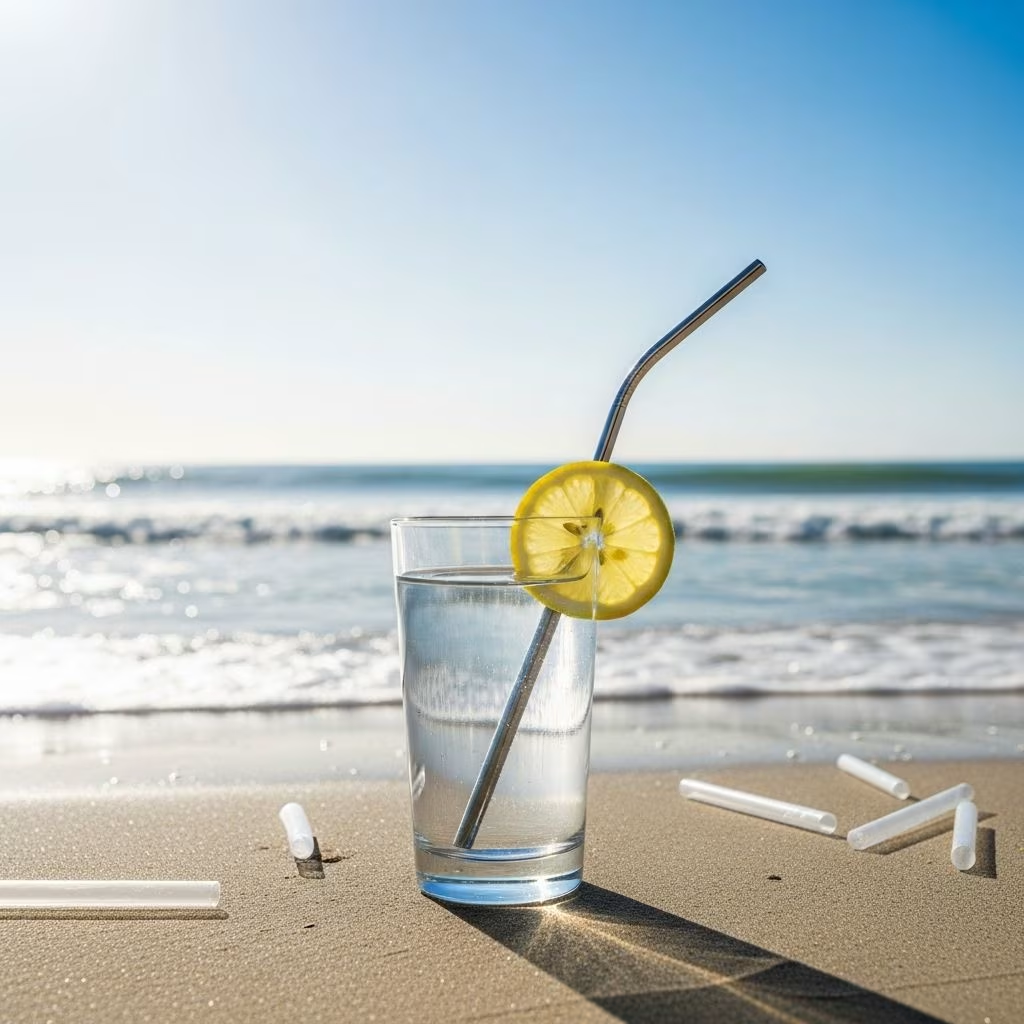
National Skip the Straw Day: Protecting Our Oceans One Sip at a Time
Each year, National Skip the Straw Day invites people across the United States and beyond to reconsider their use of single-use plastic straws. Originating as a grassroots movement, this day has become a powerful reminder of the environmental hazards posed by these small, but destructive items. Skip the Straw Day isn’t just about declining a plastic straw; it’s about raising awareness of the broader issue of plastic waste and inspiring responsible choices to protect our planet’s health.
The Birth of National Skip the Straw Day
National Skip the Straw Day was established in 2017 by The Coral Keepers, a group of middle school students from Whitehall, Michigan, as part of the Lexus Eco Challenge. Their creative approach sought to address the growing plastic pollution in oceans, and their impact continues to be felt as millions participate each year in late February, typically the fourth Friday.
Key facts:
- The Coral Keepers designated the day to raise awareness and encourage people to decline single-use plastic straws.
- More than 500 million plastic straws are used every day in the U.S. alone.
- Most straws are not recyclable due to their small size and lightweight nature.
Why Focus on Plastic Straws?
Plastic straws are symbolic in the fight against single-use plastics, not only because of their ubiquitous presence but also due to their environmental persistence and danger:
- Straws are convenient but largely unnecessary for the majority of people.
- Because they are small, thin, and easily discarded, straws often evade recycling streams, ending up in landfills or the ocean.
- When in the environment, straws can harm marine wildlife. Birds, sea turtles, and fish can ingest or become entangled in plastic straws, leading to injury or death.
- An estimated 14 million tons of plastics reach the ocean every year, and straws are a visible part of the problem.
The Single-Use Plastic Crisis
Plastic straws are just one component of a larger crisis: single-use plastic pollution. These items are designed for convenience but create enduring environmental challenges:
- Production and disposal of single-use plastics result in greenhouse gas emissions and toxic byproducts.
- Once in the ocean, plastics fragment into microplastics, which enter food chains and threaten human and animal health.
- Single-use plastics have spurred global legislative action, from city bans to national restrictions.
Impact on Marine Life and Ecosystems
Plastic pollution is devastating for marine ecosystems. Even small items, such as straws, have outsized effects:
- Sea turtles, birds, and other creatures often mistake straws for food.
- Ingestion of plastic can block digestive tracts or introduce toxins into their bodies.
- Entanglement by plastic debris leads to restricted movement, drowning, or death.
- Straws contribute to the ever-growing mass of oceanic plastic waste, exacerbating biodiversity loss.
Skip the Straw Day: Spreading Awareness and Action
National Skip the Straw Day has become a catalyst for change both in individual behavior and organizational policies:
- Restaurants participate by offering straws only on request.
- Consumers are reminded to refuse straws or bring their own reusable alternatives.
- Educational campaigns highlight how simple choices can make a collective difference.
- Government resolutions designate official days for straw awareness, such as in Pennsylvania.
Alternatives to Plastic Straws
For those who need or prefer to use a straw, marine-friendly options abound:
| Material | Environmental Impact | Pros | Cons |
|---|---|---|---|
| Bamboo | Biodegradable, compostable | Renewable, breaks down naturally | Not as long-lasting as metal; may need regular cleaning |
| Metal | Reusable, little waste | Durable, washable | Can be too hard; possibility of taste interference |
| Glass | Reusable; inert | Elegant, easy to clean | Can break |
| Paper | Biodegradable | Common; better than plastic | May break down in liquids |
| Silicone | Reusable; flexible | Soft, durable | Not biodegradable; must be reused |
Quick Tips for Going Straw-Free
- Request no straw when ordering beverages at cafes, restaurants, or drive-throughs.
- Bring your own reusable straw from home.
- Educate friends and family about the effects of single-use plastics.
- Support businesses that offer eco-friendly options or participate in Skip the Straw Day initiatives.
Beyond Straws: Industrial Contributors to Ocean Plastic Pollution
While reducing straw use is important, it’s also essential to recognize other significant sources of ocean plastic pollution, such as industrial fishing gear:
- Ghost nets: Lost or abandoned fishing gear that continues to trap marine life and accumulates plastic waste.
- Industrial fishing: A major contributor to oceanic debris, loss of biodiversity, and disruption of oceanic carbon cycles.
- Single-use plastics, such as food wrappers, utensils, and bottles, add to the complexity of the problem.
National Skip the Straw Day highlights one part of a multifaceted battle against ocean pollution, prompting deeper conversations about industry, consumerism, and ecological stewardship.
Empowering Children and Communities Through Education
This movement also serves as an excellent teaching moment, especially for children:
- Discuss the reasons for reducing plastic waste and the harmful effect on wildlife.
- Encourage hands-on activities: organizing cleanup events, crafts using reusable materials, or science lessons on biodegradability and recycling.
- Integrate environmentally responsible habits at home and school, such as carrying reusable water bottles and containers.
How to Participate in National Skip the Straw Day
- Choose beverages that don’t need a straw.
- Politely decline a straw when offered, or bring your own non-plastic alternative.
- Spread the word on social media using hashtags like #SkipTheStraw.
- Teach children about pollution through stories and eco-friendly classroom practices.
- Support restaurants and businesses that have adopted ‘straws on request’ policies or offer alternatives.
- Organize or join local community cleanups.
Frequently Asked Questions (FAQs)
Q: Why are plastic straws harmful to the environment?
A: Plastic straws are single-use, rarely recycled, and often end up in waterways, where they pose risks to wildlife through ingestion and entanglement.
Q: What alternatives exist for those who need straws?
A: Bamboo, metal, glass, silicone, and paper straws offer reusable or biodegradable options well-suited for various needs.
Q: Is skipping a straw significant when other plastics are widely used?
A: While straws are one part of the problem, declining unnecessary single-use items helps set a precedent for responsible consumption and sparks wider change.
Q: How can children get involved in environmental conservation?
A: Children can participate in cleanups, learn about pollution, adopt reusable habits, and encourage adults and peers to join the movement by leading conversations and classroom initiatives.
Q: How do single-use plastics affect marine animals?
A: Marine animals can ingest plastic debris, which causes injury or death, and straws can physically block digestive systems or lead to poisoning through chemical leaching.
Actionable Steps For a Plastic-Free Future
- Review your own habits and phase out single-use plastics wherever possible.
- Advocate for stronger recycling programs and support legislation limiting single-use plastics.
- Educate yourself and others on the broader impacts of plastic pollution and ways to reduce it.
- Highlight global plastic pollution, from industrial sources to everyday consumer goods.
Looking Ahead: The Power of Community
National Skip the Straw Day demonstrates how individuals, families, and organizations can work together to shift public perception, policy, and habits. Participants are encouraged to see beyond straws, engaging in broader initiatives to curb plastic use and restore environmental balance.
Key Takeaways:
- The majority of people do not need plastic straws.
- Replacing straws with reusable or biodegradable alternatives is a practical first step toward lowering plastic pollution.
- Individual and collective actions—through education, advocacy, and changing consumption patterns—can have measurable positive impacts.
- Reducing plastic straws is symbolic but meaningful, paving the way for greater environmental responsibility in daily life.
Join the movement: On National Skip the Straw Day and every day, make your beverage choices count for ocean health and a sustainable future.
References
- https://oclandfills.com/news/national-skip-straw-day
- https://oceansole.com/blogs/news/national-skip-the-straw-day
- https://trackbill.com/bill/pennsylvania-house-resolution-119-a-resolution-designating-june-1-2023-as-skip-the-straw-day-in-pennsylvania/2430400/
- https://mountainburgerbend.com/blogs/sustainable-living/national-skip-the-straw-day
- https://www.childcareed.com/a/national-skip-the-straw-day.html


