Mold is more than an unsightly inconvenience—it can harm air quality, damage building materials, and impact your health. Fortunately, you don’t have to rely on harsh chemicals to cleanse your home. Nature and science offer a range of effective, eco-friendly mold-busting solutions. This comprehensive guide covers the top non-toxic ways to kill mold, prevent its return, and keep your living spaces fresh and healthy.
Why Choose Natural Mold Removal?
Many popular mold-removal products contain bleach or other strong chemicals that may irritate skin, lungs, or contaminate water supplies. Natural solutions harness safe, effective ingredients to kill mold without these environmental or health tradeoffs. Choosing non-toxic options:
- Improves indoor air quality by avoiding chemical fumes
- Protects children and pets from harmful residues
- Supports a sustainable, green home by reducing chemical runoff
- Prevents damage to surfaces vulnerable to harsh cleaners
What is Mold and Why Does It Grow?
Mold is a type of fungus that thrives in moist, warm conditions. Common household molds appear in bathrooms, kitchens, basements, or anywhere with water leaks, high humidity, or poor ventilation. They reproduce via microscopic spores and can trigger allergic reactions, respiratory issues, and worsen asthma.
Understanding the root causes helps you not only eliminate but prevent mold growth in the future:
- Leaking pipes or roofs create lingering dampness
- Poorly ventilated bathrooms trap humid air after showers
- Floods or water damage can lead to hidden mold behind walls and under floors
- Consistently high humidity (above 60%) encourages spores to thrive
Top Natural Mold Killers and How to Use Them
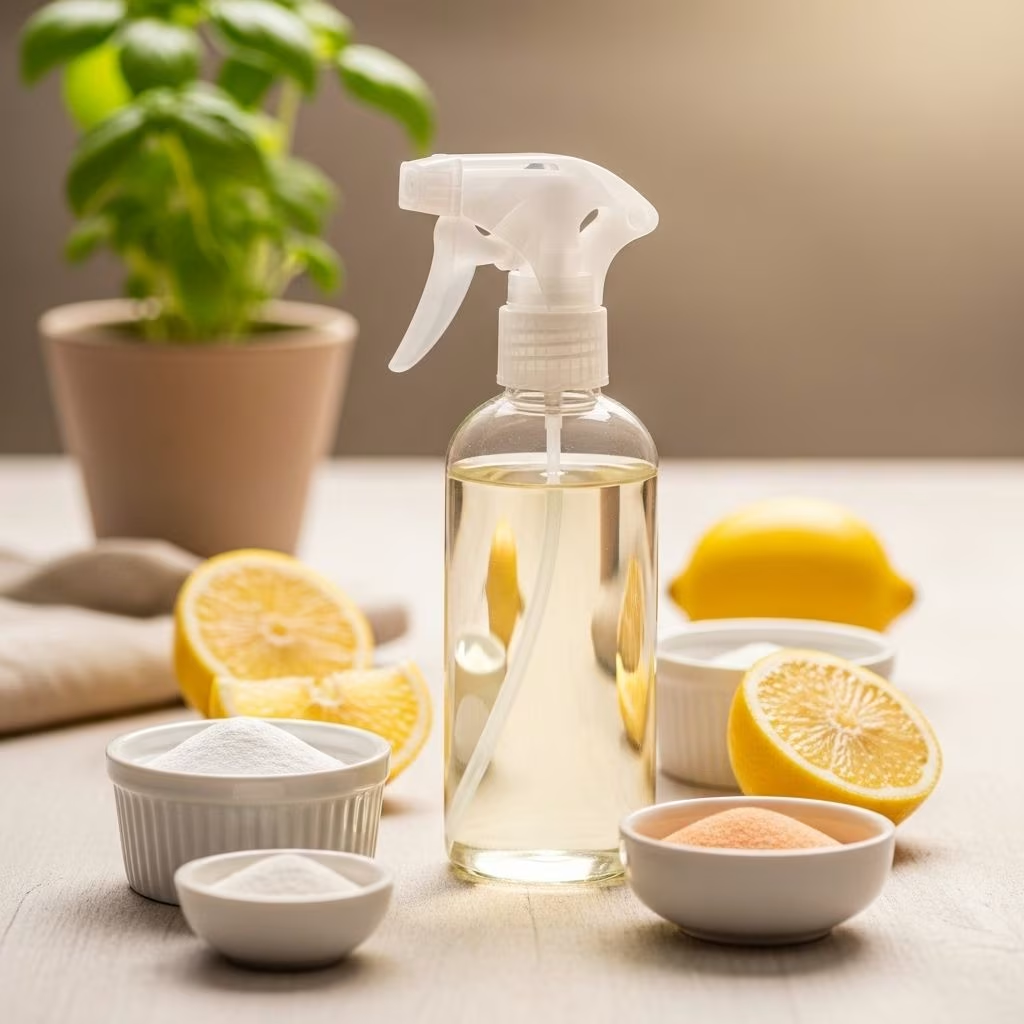
Several natural household items have proven antifungal properties, making them excellent for non-toxic mold removal. Let’s explore these eco-friendly remedies and how to use them safely and effectively.
1. White Vinegar
White vinegar is slightly acidic, which disrupts the structure of many mold species. Studies show that vinegar can kill up to 82% of common mold species on both porous and non-porous surfaces.
- Pour undiluted white vinegar into a spray bottle.
- Spray generously onto the moldy surface. Let it sit for at least 60 minutes.
- Wipe the surface with a clean, damp cloth and leave to air dry.
- For stubborn spots, reapply and scrub gently with a brush.
Tip: Vinegar’s scent dissipates after drying, but adding a few drops of essential oil can help if you find the odor unpleasant.
2. Baking Soda
Baking soda (sodium bicarbonate) is non-toxic and not only kills mold but also absorbs moisture, reducing the chance of new outbreaks.
- Mix a teaspoon of baking soda in a spray bottle filled with water, shake well, and spritz onto moldy surfaces.
- Gently scrub with a sponge or brush, then rinse with water.
- Respray the area and let dry to leave a protective, mold-inhibiting residue.
For tough patches, create a thicker paste with water and apply directly, letting it sit before scrubbing clean.
3. Tea Tree Oil
Tea tree oil is a potent natural fungicide. Research indicates it’s more effective than vinegar, alcohol, and even some commercial mold removers for halting mold growth. It also helps prevent regrowth after cleaning.
- Combine 1 teaspoon tea tree oil with 1 cup water in a spray bottle.
- Shake vigorously to emulsify the oil.
- Spray onto the affected area and let sit for an hour.
- Wipe with a damp cloth and allow the area to air dry.
Safety Note: Always wear gloves when handling tea tree oil, as it can irritate the skin despite being natural.
4. Hydrogen Peroxide
3% hydrogen peroxide serves as a strong but safe disinfectant for mold removal on hard surfaces, thanks to its oxidizing properties.
- Pour hydrogen peroxide into a spray bottle without diluting.
- Saturate the moldy surface fully, let it sit for 10-20 minutes.
- Scrub gently to remove the loosened mold.
- Wipe down with a clean, damp cloth.
Note: Peroxide may discolor some surfaces—test on a discreet area first.
5. Grapefruit Seed Extract
Grapefruit seed extract contains polyphenols that inhibit mold spores and help block regrowth. It’s odorless and leaves no residue or scent.
- Mix 10 drops of grapefruit seed extract with 1 cup water in a spray bottle.
- Spray generously on mold patches and let sit for 10 minutes to an hour, depending on severity.
- Wipe with a dry towel and reapply if needed.
6. Lemons
Lemons are natural deodorizers, antiseptics, and powerful stain removers. Their high acid content breaks down mold, making it easier to wipe away and leaving behind a fresh scent.
- Squeeze the juice of 3–5 lemons onto the moldy area.
- Let the juice sit for five minutes.
- Wipe with a clean cloth and repeat as needed for stubborn spots.
Extra Cleaning and Eco-Friendly Mold Removal Tips
- Always wear rubber gloves and a mask when cleaning large or visible mold outbreaks to avoid inhaling spores.
- Ventilate the area by opening windows and running fans.
- Use microfiber cloths or disposable wipes to avoid spreading spores to other areas.
- Never mix hydrogen peroxide and vinegar in the same bottle—they react to create peracetic acid, which is dangerous to inhale or touch.
- For porous items (soft furnishings, ceiling tiles, drywall) with deep mold invasion, consider safe disposal. Some materials cannot be restored effectively.
Preventing Future Mold Growth: Proactive, Eco-Friendly Solutions
The best way to keep your home mold-free is to address moisture problems and maintain clean, dry surfaces:
- Fix leaks promptly in plumbing, roofs, or windows.
- Use exhaust fans in kitchens, bathrooms, and laundry rooms.
- Reduce humidity below 60% using a dehumidifier in damp spaces.
- Open windows regularly to improve air flow.
- Keep showers and tubs dry by wiping down after use.
- Declutter to avoid trapping moisture behind boxes, clothes, etc.
- Clean frequently to spot and eliminate mold while it’s still minor.
When to Call a Professional
If the area of visible mold is larger than a 3-foot by 3-foot patch, if it keeps returning, or if it has invaded HVAC ducts, drywall, or insulation, consult a certified mold remediation specialist. Extensive mold invasions can indicate underlying water damage, require special equipment, and may pose health risks. Professionals can safely identify moisture sources, remove contaminated materials, and prevent recurrence.
Eco-Friendly Mold Removal: Product Comparison Table
| Natural Cleaner | Best For | Main Benefit | Pitfalls/Warnings |
|---|---|---|---|
| White Vinegar | Most surfaces (not stone) | Inexpensive, kills most mold species | Strong scent, avoid using on sensitive natural stone |
| Baking Soda | Tile, wood, fabrics | Deodorizes, non-toxic, prevents regrowth | Not as strong for heavy, established mold |
| Tea Tree Oil | Stubborn mold, prevention | Kills and prevents mold, natural aroma | Costly, strong aroma, can irritate skin |
| Hydrogen Peroxide | Hard, non-porous surfaces | Sanitizes, oxidizes, eco-friendly | May bleach some surfaces |
| Grapefruit Seed Extract | Any surface, prevention | Odorless, potent mold inhibitor | Relatively expensive |
| Lemon Juice | Small mold stains, kitchens, baths | Natural bleach, fresh scent | May not remove deep mold stains |
Frequently Asked Questions (FAQs)
Q: Is bleach a good way to remove mold?
A: Bleach is not recommended for household mold removal, especially on porous surfaces. It can miss underlying mold, fade stains without killing spores, and produce harmful fumes. Eco-friendly alternatives are safer and often more effective.
Q: Will vinegar remove mold’s musty odor?
A: Yes, vinegar helps neutralize moldy odors by killing the source. Baking soda and lemon juice are also excellent for deodorizing while cleaning.
Q: How can I protect vulnerable family members from mold?
A: Fix water issues immediately, clean up visible mold fast, improve home ventilation, and use non-toxic mold killers to limit exposure. For those with severe allergies or asthma, avoid cleaning extensive mold yourself.
Q: Should I use essential oils other than tea tree oil?
A: While tea tree oil is the most studied, lemon, lavender, and grapefruit essential oils also possess antifungal properties. Always use with care and test for sensitivity.
Q: Can mold grow back even after cleaning?
A: Yes, unless the source of moisture is removed, mold can return, no matter the cleaner. Focus on prevention by keeping your space dry and ventilated.
Summary: Healthy Home, Naturally
Combating household mold doesn’t require resorting to toxic chemicals. By relying on natural treatments such as vinegar, baking soda, tea tree oil, hydrogen peroxide, grapefruit seed extract, and lemon, you can safely eliminate mold, improve air quality, and make your home healthier for everyone. Addressing moisture issues and cleaning regularly ensures the results last. Choose green, non-toxic solutions for your mold problems and take simple, proactive steps to stop mold before it starts.
References
- https://www.ecofmr.com/articles/getting-rid-of-mold-naturally-non-toxic-diy-mold-remover/
- https://www.angi.com/articles/how-to-learn-how-kill-mold-naturally.htm
- https://www.healthline.com/health/does-vinegar-kill-mold
- https://www.maids.com/blog/3-non-toxic-ways-clean-mold-natural-cleaners/
- https://www.beyondtoxics.org/wp-content/uploads/GreatNaturalMoldCleaners-Instead-of-Bleach.pdf
- https://www.thisoldhouse.com/green-home/21331232/killing-mold-on-wood