


Zero Waste Experts Reflect on Plastic Free July: Strategies, Impact & Future
Each July, millions of individuals, communities, and businesses across the world participate in Plastic Free July, a global initiative encouraging everyone to reject single-use plastics and adopt more sustainable habits. In recent years, this movement has gained traction among environmental advocates and everyday consumers alike, sparking conversations about practical action, common challenges, cultural change, and the future of zero waste living.
What Is Plastic Free July?
Plastic Free July began in 2011 as a small local campaign in Western Australia and quickly expanded to include more than 140 million participants across 190 countries by 2025. The foundation of the movement is simple: for the entire month of July, individuals and organizations pledge to reduce or eliminate single-use plastic consumption, promoting eco-friendly alternatives and raising awareness about plastic pollution’s devastating environmental impact.
- Mission: Inspire small, achievable swaps to curb plastic waste.
- Participation: Open to everyone—individuals, schools, families, businesses.
- Global Impact: Millions join annually, helping catalyze change across sectors.
Why Plastic Free July Matters
Plastic pollution presents a monumental environmental challenge. Each year, humans produce over 460 million metric tons of plastic—much of which infiltrates landfills, waterways, and natural ecosystems. A staggering 91% of all plastics are not recycled, meaning most end up persisting in the environment for decades or centuries.
- Approximately 20 million metric tons of plastic reach nature annually.
- Single-use plastics are a primary driver, especially packaging and disposable products.
- Plastic pollution harms every marine, freshwater, and terrestrial ecosystem.
- Decomposition times can reach up to 1,000 years.
Experts in the zero waste movement agree: raising awareness and empowering small, meaningful shifts in plastic use are crucial for addressing this crisis. Plastic Free July offers a clear, accessible entry point for broader climate and waste advocacy.
Perspectives from Zero Waste Experts
Zero waste thought leaders recognize both the power and the limitations of a month-long challenge. They emphasize the importance of progress over perfection, community roots, and taking adaptable, realistic steps toward lasting transformation.
Key Insights from Advocates
- Grassroots influence: Individual and community action, especially at the grassroots level, can drive regulatory change and shift corporate behavior.
- Imperfect beginnings: Starting with manageable swaps is more effective than seeking absolute purity in plastic avoidance.
- Long-term mindset: Plastic Free July is a catalyst for habit change, not a one-time event; the real goal is sustained improvement year-round.
Common Challenges and Solutions
| Challenge | Expert Strategies |
|---|---|
| Plastic ubiquity in daily products | Audit routines; identify the most common sources and prioritize easy swaps, like reusable bags and bottles. |
| Limited access to bulk or zero-waste stores | Collaborate with local communities or online swap groups; advocate for better access. |
| Social and cultural pressure | Use Plastic Free July as a conversation starter; share resources and experiences on social media. |
| Cost and convenience of alternatives | Emphasize long-term savings; encourage DIY solutions and gradual phasing in of swaps. |
| Overwhelm from trying to do ‘everything’ | Choose one or two new habits per month instead of making sweeping changes. |
Actionable Strategies for Going Plastic-Free
Expert-Recommended Swaps for Everyday Living
Zero waste advocates and organizations suggest a range of simple, impactful changes for anyone embarking on Plastic Free July or beginning a longer journey toward sustainable living. These strategies emphasize adaptability; not every solution works for every person or household, so customization is encouraged.
- In the bathroom:
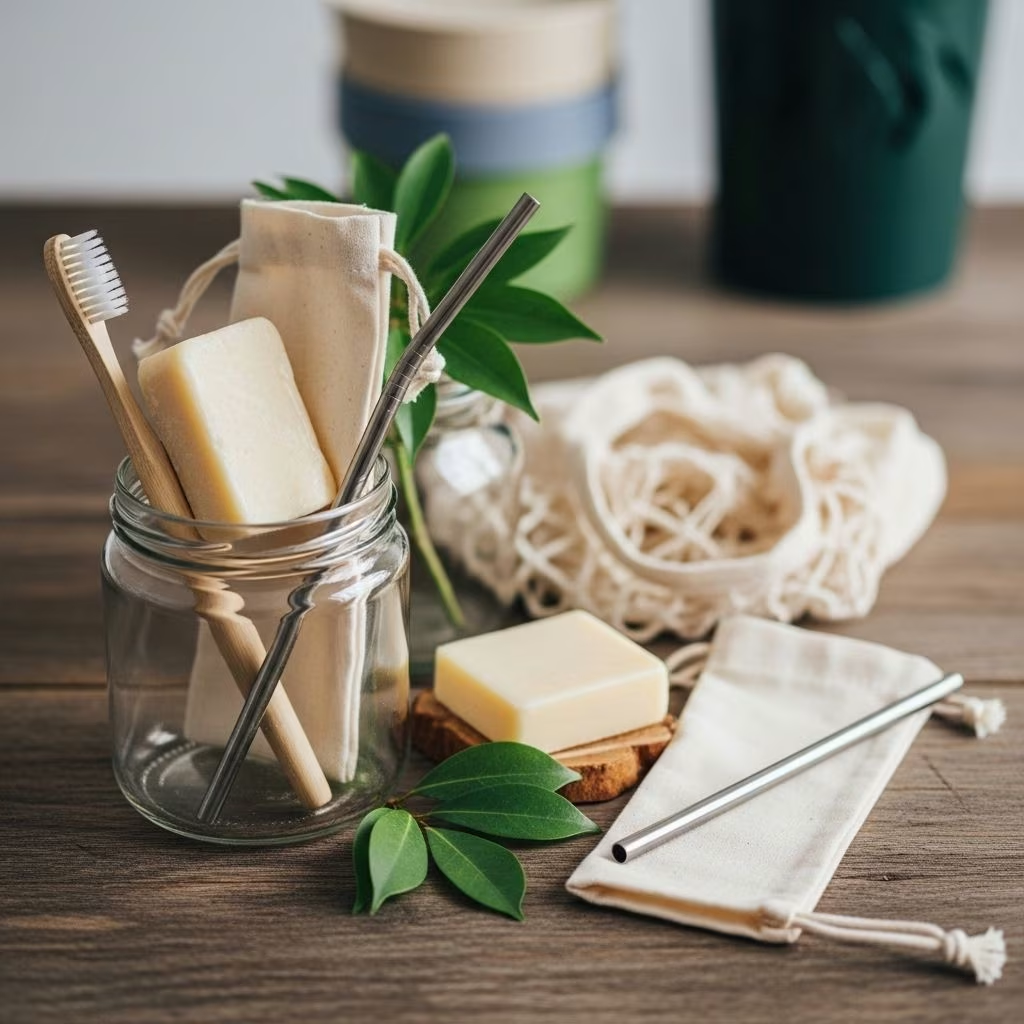
- Switch to reusable razors or toothbrushes with compostable handles.
- Try bar soaps or shampoo bars in place of products packaged in plastic bottles.
- Use bamboo-based toilet paper wrapped in paper, not plastic.
- In the kitchen:
- Pack leftovers in glass or stainless steel containers instead of using clingfilm or disposable plastic bags.
- Replace paper towels with reusable cloths or bamboo paper towels in paper packaging.
- Switch to compostable dish brushes and sponges made from plant fibers.
- On the go:
- Carry a reusable water bottle, coffee cup, and bamboo utensil kit.
- Bring cloth shopping bags for groceries and errands.
Tips for a Successful Plastic-Free Month
- Focus on progress, not perfection. Every swap helps.
- Begin with the easiest changes and build confidence.
- Share your journey and inspire others—community encouragement is powerful.
- If you make a mistake, don’t give up—use it as a learning opportunity.
- Combine practical swaps with advocacy: ask businesses for better packaging, support local zero-waste initiatives.
Plastic Free July for Businesses & Organizations
Businesses and institutions play a crucial role in the Plastic Free July movement. Not only do they contribute a significant share of plastic waste through packaging and operations, but they also serve as models for customers and communities.
How Businesses Participate Effectively
- Conduct a plastic audit: Map sources of single-use plastics across operations, workspaces, and supply chains; identify redundancy and opportunities for replacement.
- Engage employees:
- Host workshops, eco-challenges, and incentive programs to encourage plastic-less habits.
- Boost company morale and cohesion around shared sustainability goals.
- Promote awareness:
- Publicize efforts via social media, newsletters, and in-store signage.
- Educate customers and partners to spark broader participation.
- Support local initiatives:
- Sponsor clean-up drives, educational workshops, or zero-waste events.
- Build goodwill; reinforce leadership in environmental advocacy.
Making Plastic-Free Last: Beyond July
Zero waste experts emphasize the need to move from a month-long challenge to a year-round commitment. While Plastic Free July heightens awareness and inspires positive action, the plastics problem demands persistent engagement. Experts encourage individuals and businesses to set ongoing goals, learn from setbacks, and celebrate progress both big and small.
- Use Plastic Free July as a springboard to assess your annual habits.
- Integrate eco-swaps gradually; build a habit each month.
- Advocate for policy changes at local and national levels.
- Share your progress and mentor others in their journey.
Frequently Asked Questions (FAQs) About Plastic Free July
Q: Is it possible to go completely plastic-free?
A: While eliminating all plastics can be extremely challenging, especially in modern society, reducing single-use and unnecessary plastics is attainable. Experts suggest focusing on impactful swaps and gradual change rather than perfection.
Q: How can I convince others to participate in Plastic Free July?
A: Share your own experiences, offer practical advice, and highlight the positive environmental impact. Group challenges, social media campaigns, and open conversations at home or work can motivate people to join.
Q: Are alternatives to single-use plastics always more eco-friendly?
A: Many are, but it’s important to evaluate the full lifecycle and choose options that truly lower environmental impact, such as reusable containers, compostable materials, or bulk purchasing that avoids excessive packaging.
Q: What if I make mistakes or forget during Plastic Free July?
A: Mistakes are normal and part of the process. Experts encourage learning from missteps and celebrating small successes rather than abandoning the challenge.
Q: How can businesses sustain progress after July ends?
A: Integrate plastic audits into annual planning, engage staff year-round, set clear sustainability goals, and keep educating stakeholders.
Final Reflections: Building a Plastic-Free Future
Plastic Free July marks a meaningful step in the growing journey toward zero waste living. As expert voices affirm, the practical swaps and lessons learned during the month can and should inform broader lifestyle decisions. The movement is as much about community, motivation, and the power of everyday choices as it is about individual habits.
Key Takeaways:
- Start with manageable changes—the most impactful shifts come from collective action and gradual habit-building.
- Stay motivated through connection, learning, and ongoing experimentation.
- Embrace imperfections, celebrate progress, and support others in embracing plastic reduction.
- Leverage Plastic Free July as a launching pad for building a truly sustainable, zero waste lifestyle.
References
- https://savetrees.co/blogs/save-trees-blog/how-to-prepare-for-plastic-free-july
- https://safetyculture.com/topics/plastic-free-july
- https://zerowastechef.com/2018/06/19/lose-plastic-not-mind-plastic-free-july/
- https://ecooptimism.com/?tag=treehugger
- https://globalnews.ca/video/11276528/going-plastic-free-in-july-to-reduce-plastic-pollution


