Powdery Mildew: A Common Tree Disease
Powdery mildew is a widespread and distinctive fungal disease that affects a wide range of trees, shrubs, and ornamental plants. Recognized by its white, powdery appearance on foliage and stems, it is a common sight in home gardens and landscaped areas, especially in regions with high humidity and moderate temperatures.
Understanding how powdery mildew develops, spreads, and can be managed is essential for any gardener, landscaper, or homeowner interested in plant health and aesthetics.
What Is Powdery Mildew?
Powdery mildew refers to a group of fungal diseases caused by various species such as Blumeria graminis, Erysiphe, and related genera. Though the specific fungus varies by host, all powdery mildew diseases share similar characteristics and lifecycle stages. This disease primarily targets young, tender growth but can affect all parts of a plant—leaves, stems, buds, flowers, and sometimes fruit.
The disease thrives in environments with high humidity and moderate temperatures, most often in late spring through summer. The primary method of dissemination is through windborne spores, allowing rapid infection and spread among susceptible plants.
- Host Range: Includes oak, maple, dogwood, magnolia, catalpa, crabapple, roses, lilacs, zinnias, cucurbits, fruit trees, and many more.
- Seasonality: Most active in late spring and summer during humid periods, but visible anytime new, susceptible growth is present.
How to Identify Powdery Mildew
One of the most recognizable plant diseases, powdery mildew manifests in several classic ways:
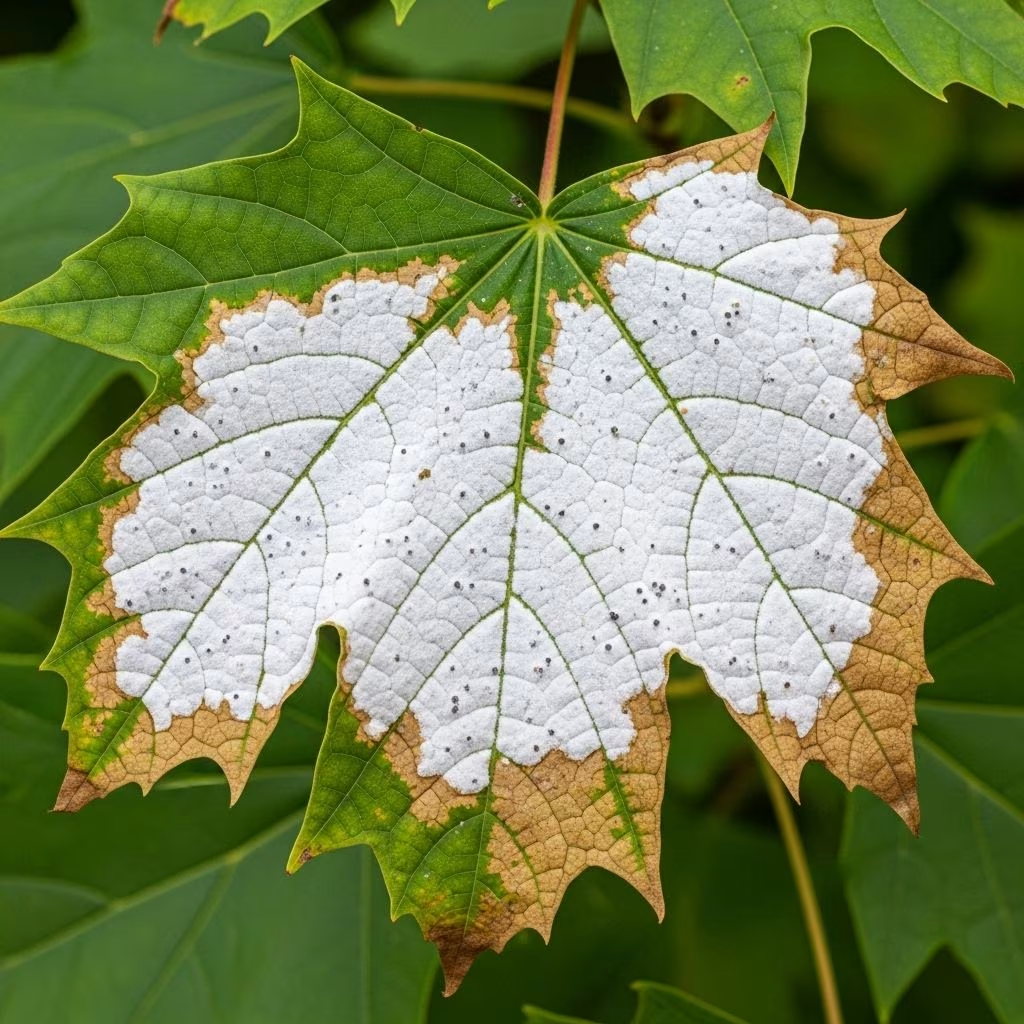
- White to gray powdery patches on the upper surface of leaves, stems, buds, flowers, and sometimes fruit.
- Often starts as small, circular spots that expand and may eventually merge, covering large portions of leaf surfaces.
- New growth is most commonly affected; mature leaves and stems may also show symptoms under severe infection.
- Patches can sometimes develop into blotchy, felt-like mats or present as cobweb-like formations depending on the fungus and environmental conditions.
- As infected tissue ages, it may turn gray or brown, and infected leaves often become stunted, distorted, or discolored.
Advanced Symptoms
- Yellowing, curling, or wilting leaves.
- Distorted or twisted new shoots and leaves.
- Premature leaf drop, potentially reducing the health or visual appeal of a plant.
- Blemishes on fruit, sometimes with russeted or scarred skin.
- Buds may become deformed and fail to open properly.
- Entire branches can die if infection is severe and left untreated, although outright fatality of large trees and shrubs is rare.
Powdery Mildew vs. Downy Mildew: Key Differences
| Feature | Powdery Mildew | Downy Mildew |
|---|---|---|
| Appearance | White or gray powder on upper leaf surfaces; may look like sprinkled flour | Gray or white downy growth on undersides; yellow, angular spots on upper side |
| Host Range | Wide variety: trees, shrubs, vines, ornamentals | Mostly vegetables (e.g., cucurbits), some ornamentals |
| Preferred Conditions | High humidity, moderate temps, poor air circulation | High humidity, cool temps, leaf wetness |
| Spread | Windborne spores (conidia) | Water (rain, irrigation) dispersal |
| Main Location | Upper leaf surface, stems, buds | Underside of leaves, sometimes stems |
The Life Cycle and Spread of Powdery Mildew
Powdery mildew fungi reproduce rapidly during favorable conditions, often completing an infection cycle in just days. The lifecycle generally consists of:
- Primary Overwintering Stage: The fungus survives winter as dormant mycelium in infected plant tissue or as chasmothecia (spore-containing structures) on fallen leaves and bark.
- Initial Infection: In spring, spores are released, landing on new plant growth where infection begins if conditions are right (moderate temperatures, high humidity).
- Secondary Spread: The fungus generates abundant conidia (asexual spores), which are easily transported by wind to other plants or parts of the same host.
- Rapid Repetition: Under optimal conditions, each infection site may begin producing its own spores within days, accelerating the spread and leading to epidemics, especially in densely planted or shaded settings.
Why Is Powdery Mildew a Problem?
Although powdery mildew rarely kills mature trees or established shrubs outright, the disease can have several negative consequences:
- Cosmetic Damage: White patches are unsightly, particularly on ornamental and landscape trees.
- Reduced Plant Vigor: Severe or repeated infections weaken young or stressed plants, making them more susceptible to other diseases and pests.
- Yield Loss: In fruit-producing trees, powdery mildew can cause blemishes or scarring, reducing fruit quality and marketability.
- Defoliation: Premature leaf drop limits photosynthesis, impeding long-term plant health and growth.
Because the disease is so easily spread and infects many host plants, management is important for both individual and community plantings—even though the condition is rarely fatal.
Conditions That Favor Powdery Mildew
- High humidity without persistent leaf wetness.
- Moderate daytime temperatures (60°F–80°F / 15°C–27°C).
- Poor air circulation or densely packed foliage.
- Shaded locations, especially where dew or condensation lingers.
- Young, succulent plant growth.
Most Susceptible Tree and Shrub Species
- Oak (Quercus spp.)
- Maple (Acer spp.)
- Dogwood (Cornus spp.)
- Magnolia (Magnolia spp.)
- Catalpa (Catalpa spp.)
- Crabapple (Malus spp.)
- Roses, lilac, ninebark, zinnias, phlox, and various fruit trees (particularly those with soft foliage)
Powdery Mildew Management and Prevention
Management focuses on prevention and environmental modification since established infections are difficult to cure completely. Here are the most effective strategies:
1. Cultural Controls
- Proper spacing: Plant trees and shrubs according to mature size to allow air flow between and within plants.
- Adequate sunlight: Site susceptible plants in the sun whenever possible—shade increases risk.
- Pruning: Regularly prune during the dormant season to open canopies for light and air penetration. Remove only severely infected shoots during the growing season. Avoid excessive pruning in-season, which can encourage soft new growth vulnerable to infection.
- Sanitation: Remove and dispose of infected leaves, stems, fruits, and shoots from the garden floor—do not compost them.
- Watering: Water only at the base of plants in the morning, avoiding overhead irrigation that leaves foliage damp.
- Fertilization: Avoid unnecessary high-nitrogen fertilizer, as this can spur excessive, tender growth that is more likely to be infected. Only fertilize based on soil test recommendations.
2. Choosing Resistant Varieties
- Many ornamental trees and shrubs, including certain species of crape myrtle, lilac, and rose, are available as powdery mildew-resistant varieties.
- Whenever possible, select and plant these varieties in high-risk areas.
3. Chemical Controls (Fungicides)
- Apply fungicides as a preventive measure if you have a history of severe powdery mildew infection or when disease is predicted (before symptoms appear).
- Products containing sulfur, neem oil, potassium bicarbonate, or specialty fungicides like Myclotect™ provide effective protection when used correctly.
- Follow label instructions precisely and reapply at 7–14 day intervals as recommended.
Note: Fungicides are much less effective if applied after symptoms are widespread. Proper timing is critical.
4. Integrated Approach
- Combine cultural, resistant-planting, and chemical methods for best results in high-risk or valuable plantings.
When to Tolerate Powdery Mildew
In most cases, powdery mildew is considered only an aesthetic problem and does not seriously affect the long-term health of trees and shrubs. Tolerating a light infection is a valid management option for mature, healthy specimens, especially where the use of chemical fungicides is undesirable.
Frequently Asked Questions (FAQs) About Powdery Mildew
Q: Can powdery mildew kill my tree or shrub?
A: Powdery mildew rarely kills mature trees or established shrubs but can threaten young, stressed, or repeatedly infected plants by reducing their vigor and making them more susceptible to other problems.
Q: Should I prune during the growing season to control powdery mildew?
A: Prune only to remove severely infected shoots during the season. Excessive pruning triggers a flush of susceptible new growth, potentially worsening the problem.
Q: Do fungicides cure powdery mildew?
A: Fungicides are most effective as a preventive treatment and have limited benefit after infection is visible. Use them early, ideally before or at the first appearance of symptoms.
Q: What natural or organic treatments are available?
A: Horticultural oils, neem oil, potassium bicarbonate, and sulfur-based fungicides are accepted in organic gardening and can help manage powdery mildew if used as directed. Baking soda solutions may provide limited protection but are less reliable for severe infections.
Q: How can I prevent powdery mildew from spreading to other plants?
A: Allow space for air circulation, promptly remove and dispose of infected plant debris, and avoid watering foliage. Plant resistant cultivars where possible.
Summary Table: Quick Tips for Managing Powdery Mildew
| Tip | Details |
|---|---|
| Spacing | Space trees/shrubs at full mature width for air flow |
| Pruning | Prune for light & air during dormant season; minimal in-season |
| Sanitation | Remove and destroy infected debris |
| Watering | Water at soil, not foliage; morning only |
| Resistant Varieties | Plant disease-resistant types when possible |
| Fertilizer | Use only as needed by soil test; avoid high-nitrogen excess |
| Fungicides | Preventive only; apply before symptoms or as new growth starts |
Conclusion
Powdery mildew is a prevalent and typically low-threat disease to most established trees and shrubs, yet its appearance is unsightly and can undermine plant vigor, especially under repeated or severe attack. With a combination of good cultural practices, wise plant selection, and, when necessary, timely fungicide application, powdery mildew can be managed effectively to preserve both plant health and landscape aesthetics.
References
- https://www.rainbowecoscience.com/treatment-guides/tree-diseases/powdery-mildew
- https://www.elitetreecare.com/library/tree-diseases/powdery-mildew/
- https://pnwhandbooks.org/plantdisease/pathogen-articles/common/fungi/powdery-mildew-diseases
- https://gardeningsolutions.ifas.ufl.edu/care/pests-and-diseases/diseases/powdery-vs-downy/
- https://extension.umn.edu/plant-diseases/powdery-mildew-trees-and-shrubs
- https://extension.umd.edu/resource/powdery-mildew-disease-trees-and-shrubs
- https://hort.extension.wisc.edu/articles/powdery-mildew-trees-shrubs/
- https://hgic.clemson.edu/factsheet/powdery-mildew/