


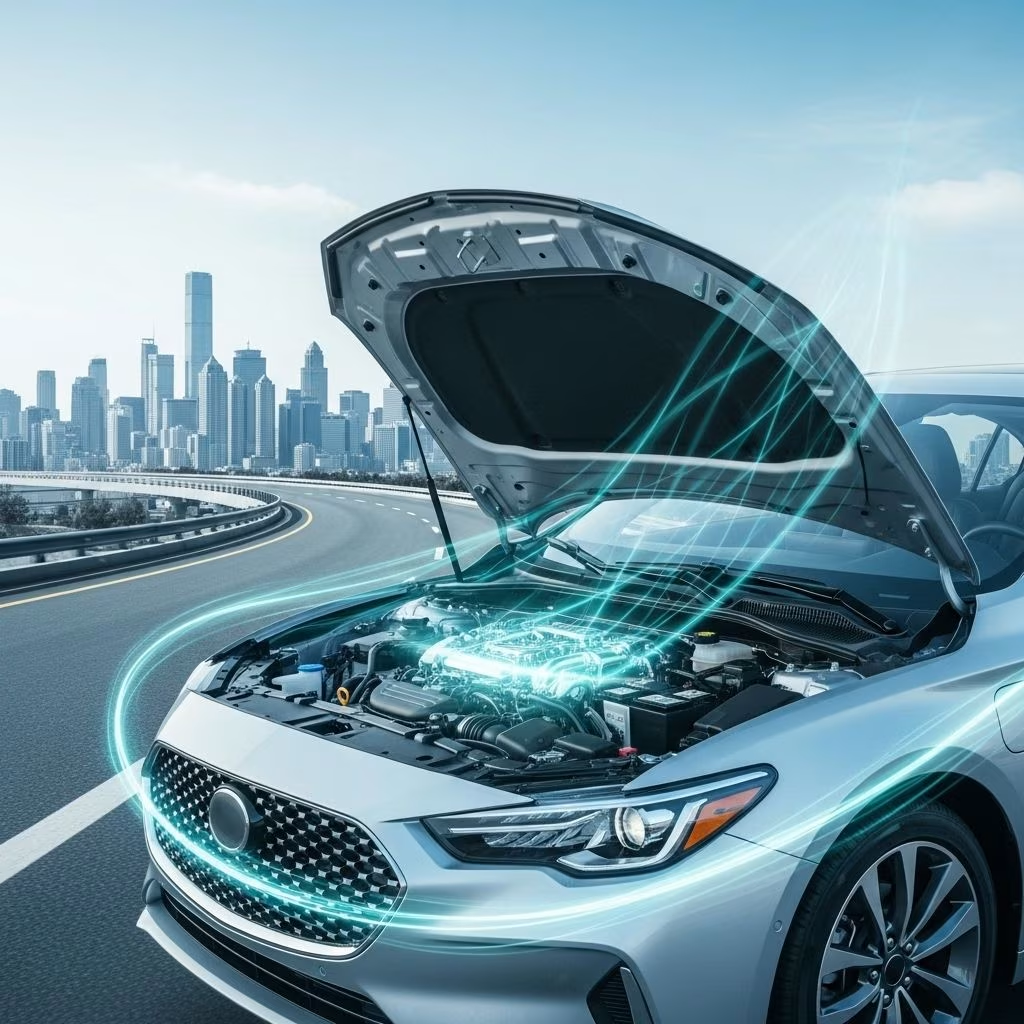
Partial Zero Emissions Vehicles (PZEV): Bridging Conventional Cars and Clean Driving
As the world strives to reduce automotive pollution, Partial Zero Emissions Vehicles (PZEV) have become a crucial transitional technology. Created to meet the strictest emission standards, PZEVs are gasoline-powered vehicles that are nearly as clean as hybrids, bridging the gap between older combustion engines and the future of zero-emission electric cars. This article explores the definition, history, technology, advantages, disadvantages, and real-world impact of PZEVs, providing a comprehensive look at why these vehicles matter and what they mean for consumers and the environment.
Contents
- What is a Partial Zero-Emissions Vehicle?
- Origins and Emission Standards
- How PZEVs Work: Key Features and Technology
- Benefits of PZEVs
- Drawbacks and Limitations of PZEVs
- Market Impact and Manufacturers
- PZEV vs. Other Clean Vehicle Designations
- Frequently Asked Questions
What is a Partial Zero-Emissions Vehicle?
A Partial Zero Emissions Vehicle (PZEV) is a type of gasoline-powered car defined by having zero evaporative emissions from its fuel system, meeting the Super Ultra Low Emissions Vehicle (SULEV) tailpipe emission standards, and including a warranty of at least 15 years or 150,000 miles on its emissions control components. Put simply, these vehicles drastically reduce harmful emissions without requiring alternative fuels or complex repair systems, making them some of the cleanest conventional vehicles available.
Origins and Emission Standards
PZEVs were conceived in California by the California Air Resources Board (CARB) in 1998 as part of a larger effort to push the development and commercialization of zero emissions vehicle technologies. The initial goal was to require 10 percent of vehicles sold in California by 2003 to have zero emissions, but automakers pushed back, leading to the PZEV compromise.
The U.S. Environmental Protection Agency (EPA) later incorporated strict emissions standards nationwide. The Tier 3 Vehicle Emissions standards passed in 2014 required that by 2025, all cars sold in America meet the PZEV criteria, making these vehicles increasingly common across states, especially those with tough air quality regulations.
How PZEVs Work: Key Features and Technology
PZEV technology advances the conventional gasoline engine with several notable design improvements that minimize emissions, including:
- Anti-Permeation Fuel System Liners: Special liners prevent fuel from off-gassing (releasing vapors) when the vehicle is parked or not in use.
- Carbon Canister Scrubbers: These activate during refueling to trap and destroy harmful fuel vapors before they’re released into the atmosphere.
- Air Intake Traps: Engine filters capture evaporated fuel vapors after the car is turned off, preventing them from escaping.
- Close-Coupled Catalytic Converters: Placed closer to the engine than standard converters, these devices heat up more quickly and efficiently, rapidly removing nitric oxide and nitrogen dioxide during operation.
All these innovations mean PZEVs maintain the driving performance of traditional vehicles while producing emissions levels similar to hybrids, but without complex hybrid systems or alternative fueling requirements.
Benefits of PZEVs
The main advantages of owning a PZEV include:
- Smog Reduction: PZEVs help decrease urban smog by limiting both evaporative and tailpipe emissions, creating cleaner air and improving public health.
- Low Maintenance: Emissions control components are designed to last and feature long warranties (15 years/150,000 miles), reducing repair costs and hassle.
- No Compromise in Performance: These cars maintain traditional gasoline engine performance, without requiring drivers to adopt new refueling routines or lose power.
- No Alternative Fuels Needed: Unlike hybrids or electric vehicles, PZEVs use regular gasoline while achieving cleaner operation.
- Higher Resale Value: The longevity of emission system parts and popularity in states with strict standards often command better resale values.
Drawbacks and Limitations of PZEVs
Despite their innovations, PZEVs are not without drawbacks:
- Higher Purchase Price: Enhanced emission-control systems make these vehicles more expensive upfront than standard models.
- Reduced Fuel Economy: The added emissions controls can impact miles per gallon, resulting in marginally lower fuel efficiency.
- Still Gas-Powered: While cleaner, PZEVs still emit some pollutants, notably carbon dioxide, so they are not “zero emission” like battery electric vehicles or hydrogen fuel cell cars.
- Complex Regulations: Warranty and definitions of PZEV vary slightly state-to-state, making regulatory navigation more complex for some consumers.
Market Impact and Manufacturers
PZEVs have helped automakers broaden the menu of cleaner vehicles for buyers without forcing radical changes in technology or refueling habits. Major manufacturers producing PZEV models include:
- Ford
- Honda
- Subaru
Models sold as PZEV often include sedans, hatchbacks, and crossovers, appealing to a wide market segment. The rise of hybrids and electric vehicles is changing the automotive landscape, but PZEVs remain popular, especially in regions with aggressive environmental regulation.
PZEV certification sets a minimum standard for automaker compliance, ensuring that even gasoline-powered cars contribute meaningfully to air quality improvements instead of waiting for full electrification.
PZEV vs. Other Clean Vehicle Designations
| Designation | Fuel Type | Emissions | Examples |
|---|---|---|---|
| PZEV | Gasoline | Zero evaporative, SULEV tailpipe | Subaru Legacy, Ford Focus |
| ULEV (Ultra Low Emissions Vehicle) | Gasoline or Hybrid | Lower than conventional vehicles | Toyota Camry Hybrid |
| SULEV (Super Ultra Low Emissions Vehicle) | Gasoline/Hybrid | Even lower than ULEV | Honda Accord (SULEV spec) |
| ZEV (Zero Emissions Vehicle) | Electric/Hydrogen | No tailpipe emissions | Tesla Model 3, Toyota Mirai |
While ZEVs set the ultimate bar with true zero emissions, PZEVs deliver remarkable emission reductions for gasoline-powered cars, giving more consumers an accessible option for clean driving.
Frequently Asked Questions (FAQs)
Q1: What does the PZEV sticker on my car mean?
It means your car meets the strict partial zero emissions vehicle standards, featuring zero evaporative emissions, SULEV tailpipe limits, and a long 15-year/150,000-mile warranty on emission-control parts.
Q2: Are PZEVs as clean as hybrid or electric vehicles?
PZEVs are the cleanest gasoline vehicles available but still produce some carbon dioxide and other pollutants, unlike true electric or hydrogen vehicles which are classified as ZEVs.
Q3: Do PZEVs require special fuel or maintenance?
No special fuel is required. Their emissions control components are highly durable and covered by extended warranties, which typically translates to lower maintenance requirements.
Q4: Will buying a PZEV cost me more up front?
Generally, yes. The advanced emission tech does make PZEV models slightly more expensive, but this is offset by lower maintenance costs and longevity of emissions parts.
Q5: Why aren’t all cars PZEV certified?
Many new cars meet PZEV standards, especially in states with stringent emissions rules. However, some manufacturers and states still sell models that do not meet the full certification, primarily due to additional costs and regional regulation differences.
Conclusion: The Future of PZEVs
Partial Zero Emissions Vehicles offer a crucial improvement in air quality over traditional gasoline vehicles, representing an important milestone on the road to a cleaner automotive future. As regulatory standards continue to tighten and electric vehicles grow in popularity, the clean technology behind PZEVs paves the way for increasingly sustainable mobility—even for those not ready to switch to an all-electric car. Whether in terms of smog reduction, longevity, or regulatory compliance, PZEVs matter in the quest to make daily driving less damaging to the environment, one mile at a time.
References
- https://www.carparts.com/blog/whats-so-great-about-partial-zero-emissions-vehicles-a-guide-to-pzevs/
- https://sustainableamerica.org/blog/what-are-partial-zero-emissions-vehicles/
- https://www.caranddriver.com/research/a32812793/pzev/
- https://www.kbb.com/what-is/pzev/
- https://www.indyautoman.com/blog/partial-zero-emission-vehicles
- https://localnewsmatters.org/2024/04/17/not-ready-to-jump-into-hybrid-or-electric-car-learn-about-partial-zero-emission-vehicles/
- https://www.sportsubaru.com/subaru-pzev-explained.htm
- https://en.wikipedia.org/wiki/Partial_zero-emissions_vehicle
- https://www.centaursubaru.ca/subaru-technology/whats-a-pzev/


