Roads Made from Recycled Face Masks: Tackling COVID-19 Waste
The COVID-19 pandemic brought public health benefits with widespread face mask use, but it also unleashed an unprecedented surge in disposable mask waste. Around the world, scientists and engineers have responded creatively by finding ways to recycle used masks, including integrating them into road materials. This innovative approach addresses both mounting plastic pollution and the need for sustainable infrastructure solutions.
COVID-19’s Plastic Problem: A New Environmental Dilemma
The global fight against COVID-19 introduced billions of single-use face masks into everyday life. These masks, often made from non-biodegradable polypropylene, have created a significant environmental challenge. Estimates suggest that as much as 66,000 metric tons of plastic waste was generated in the United Kingdom alone if each person used one disposable mask per day over a year. The majority of this waste is plastic based, and improper disposal results in pollution affecting land and marine environments.
- Face masks became ubiquitous worldwide, contributing to a surge in plastic waste.
- Most disposable masks take centuries to decompose, adding to the burden of existing plastic pollution.
- PPE waste has been discovered on beaches and seabeds, posing risks to marine and terrestrial ecosystems.
The Science: Turning Face Masks into Road Materials
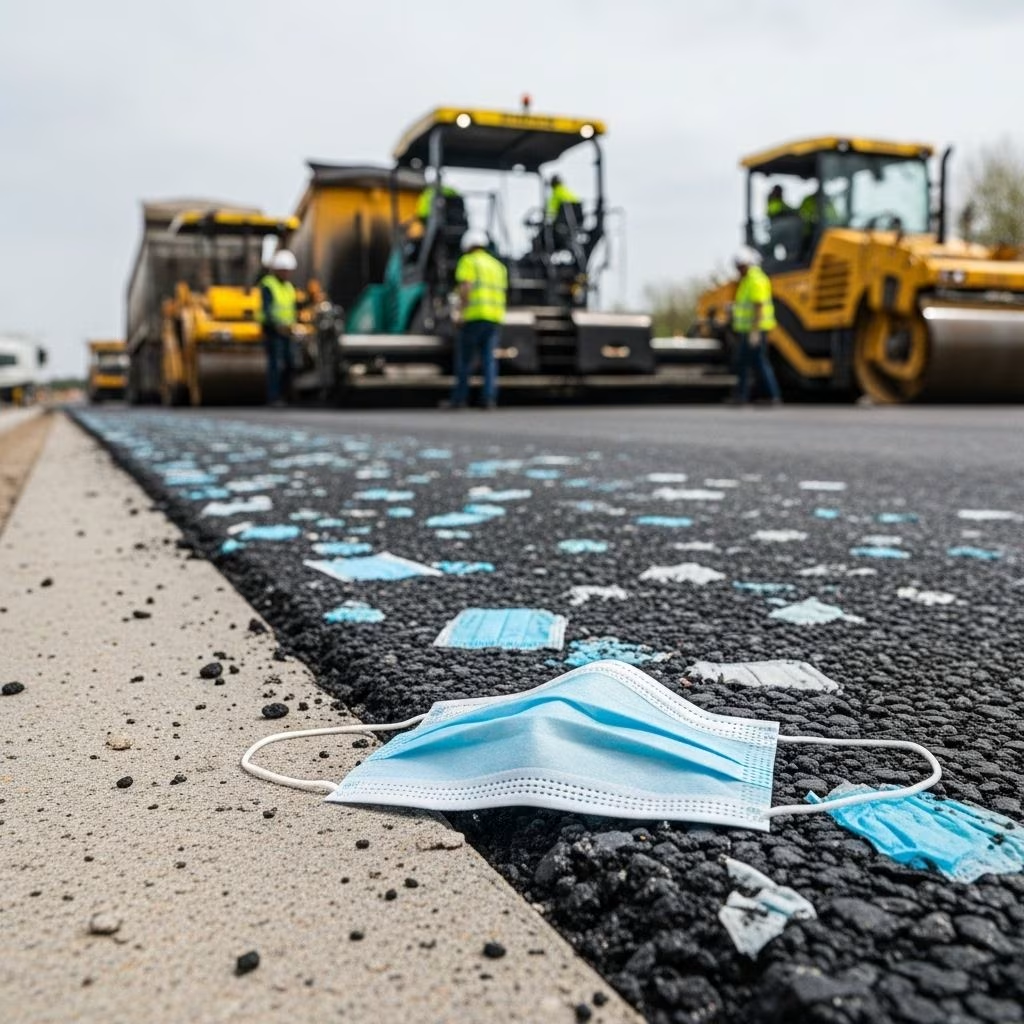
Amid the mounting waste crisis, researchers have pioneered techniques to incorporate shredded single-use face masks into road construction materials, such as asphalt and concrete. The process involves disinfecting and shredding used masks, then mixing the fibers with recycled concrete aggregate (RCA), an industrial byproduct often used as a base layer in road-building.
- Disinfection: Used masks are collected and sterilized to eliminate any viral or bacterial presence.
- Shredding: The masks are shredded into small pieces, optimizing their integration into road material blends.
- Mixing: Shredded mask material is combined with recycled concrete aggregate and sometimes other binding agents.
Laboratory tests conducted by research teams, such as those at RMIT University in Australia, demonstrate that adding 1-2% by volume of shredded mask fibers to RCA improves compressive strength, ductility, and flexibility of the resulting road base. This means roads built with mask-reinforced base layers can be more durable, potentially reducing maintenance costs over time.
How Recycled Masks Strengthen Roads
- Improved toughness: Mask fibers help absorb stresses from traffic loads, reducing cracking and failure.
- Enhanced resilience: Fiber-reinforced base materials better withstand fluctuating temperatures and moisture cycles.
- Environmental benefit: Diverts plastic waste from landfill or incineration, curbing pollution and associated greenhouse gas emissions.
Life Cycle of a Mask: From Waste to Infrastructure
The innovative recycling process closes the loop on single-use face masks, transforming what was previously a disposal problem into a valuable resource for society. The full recycling cycle involves several steps:
- Collection: Used face masks are gathered from dedicated bins at hospitals, transit stations, and businesses.
- Disinfection: Industrial processes neutralize pathogens, ensuring the material is safe to handle.
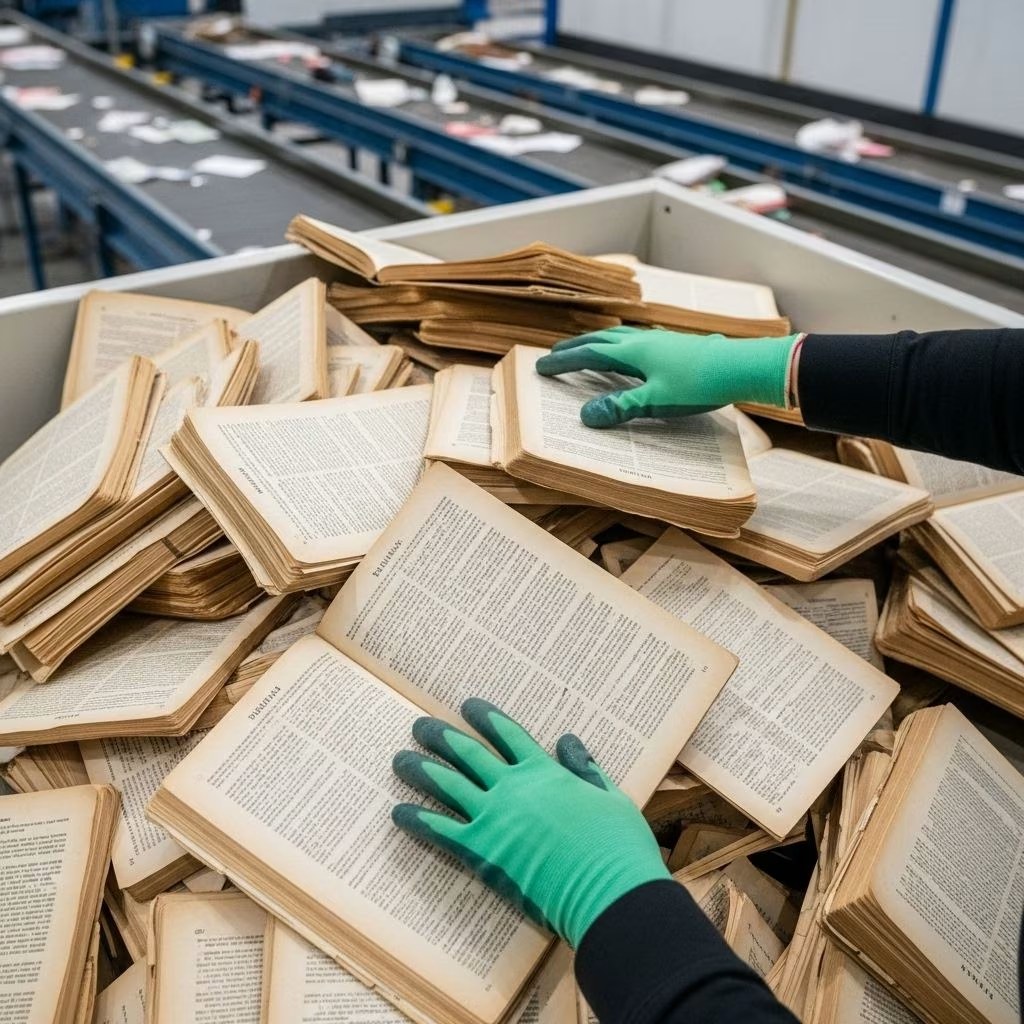
- Mechanical Processing: Masks are shredded; metal nose wires and ear loop elastics are removed or processed separately.
- Integration: Shredded mask material is blended with recycled aggregates for use as a road base or included in other construction composites.
- Deployment: The final composite is used in roadbeds, pavements, or even new types of infrastructure, effectively sequestering plastic waste within the built environment.
Benefits Beyond Waste Management
Repurposing face masks for infrastructure not only mitigates a pressing plastic waste problem but also brings substantial advantages for society and the environment.
- Reduced landfill burden: Diverts thousands of tons of single-use PPE waste from dumpsites.
- Resource efficiency: Less need for virgin construction materials, conserving natural resources and energy.
- Climate impact: Landfill diversion and lower energy use reduce greenhouse gas emissions compared to incineration or continued production of new materials.
- Sustainable innovation: Demonstrates scalable solutions for future medical or household waste surges.
Challenges and Safety Concerns
Despite its promise, recycling face masks into infrastructure is not without challenges. Key issues include:
- Disinfection standards: Ensuring all materials are completely sterilized to eliminate infection risk.
- Quality control: Maintaining consistent blending ratios and processing techniques for reliable road performance.
- Regulatory approvals: Gaining acceptance from government agencies for the use of recycled PPE materials in public works.
- Public awareness and participation: Ensuring communities separate and dispose of used masks through designated channels for recycling.
Alternatives: Pyrolysis and Fuel Production
Some regions, especially in Asia, are piloting alternative recycling techniques, such as converting face mask waste into fuel through pyrolysis. For example:
- In Bandung, Indonesia, recycling initiatives can transform every 4 kg of face mask waste into 0.5 kg of crude oil.
- The oil can be processed into green gasoline and diesel, offering an alternative to fossil fuels.
- These programs not only address the waste problem but empower communities by creating jobs and new revenue streams from waste management.
Other Recycling Innovations
The ingenuity of researchers extends beyond roads and fuels:
- Self-watering flowerpots: Some innovators have created self-watering planters using recycled mask fabric and plastics, showcasing the versatility of upcycled PPE material.
- Construction and Landscaping: Researchers are examining ways to incorporate mask fibers into concrete bricks, paving stones, and even landscape fabric.
Scaling Up: From Laboratory to Real-World Impact
For mask-to-road recycling to have meaningful, global impact:
- Governments and municipal agencies must approve and adopt standards for recycled mask materials in infrastructure projects.
- Widespread public education campaigns are needed to encourage correct mask disposal and participation in recycling programs.
- Investment in specialized processing facilities is necessary to process large volumes of PPE waste efficiently and safely.
Recent pilot projects suggest that integrating recycled masks into roads has the potential to scale rapidly. For example, an estimated 93 tons of mask waste could be recycled into 250 kilometers of two-lane roadway sub-base. As more municipalities embrace the technology, the impact on both waste reduction and sustainable infrastructure could be substantial.
The Broader Context: Tackling Medical Waste after COVID-19
Face masks represent only a fraction of pandemic-related waste. Other types of PPE—such as gloves, gowns, and shields—are also contributing to growing disposal challenges. The lessons and technologies developed in response to face mask waste could inform how we handle other single-use medical and consumer plastics. Incorporating more biodegradable materials into PPE design, and developing new recycling infrastructure for a range of polymer-based waste, will be critical to a sustainable future.
Frequently Asked Questions (FAQs)
Why is mask recycling important?
Mask recycling helps solve the dual crisis of mounting COVID-19 plastic waste and the environmental hazards of landfill or ocean disposal. By turning waste into building materials or fuel, we create new value while protecting ecosystems.
Are roads made from recycled masks as strong as conventional roads?
Laboratory tests suggest that road base layers reinforced with shredded face masks can be as strong, or even stronger, than those made with traditional aggregates, thanks to improved flexibility and crack resistance.
How are used masks kept safe for recycling?
Masks are collected in clearly labeled, dedicated bins, then disinfected with heat or chemical sterilization processes before being shredded. Rigorous disinfection standards must be met before the materials enter recycling streams.
Is it possible to recycle all types of face masks?
Most single-use surgical and medical masks, made from polypropylene, are suitable for current recycling processes. Masks with significant metal content or alternate polymers require separate handling or additional processing.
Can individuals help make mask recycling successful?
Yes. Properly disposing of masks in designated collection bins and supporting local recycling programs are essential steps in making mask recycling effective and sustainable in the long term.
Conclusion: Toward a Circular, Resilient Future
The ongoing shift toward viewing waste as a resource is exemplified by the innovative recycling of face masks into road materials. By addressing public health needs and plastic pollution together, these technologies highlight the value of interdisciplinary approaches to sustainability. As the world prepares for future public health emergencies, lessons from mask recycling remind us of the critical role of circular economy solutions in building resilient, adaptive societies.