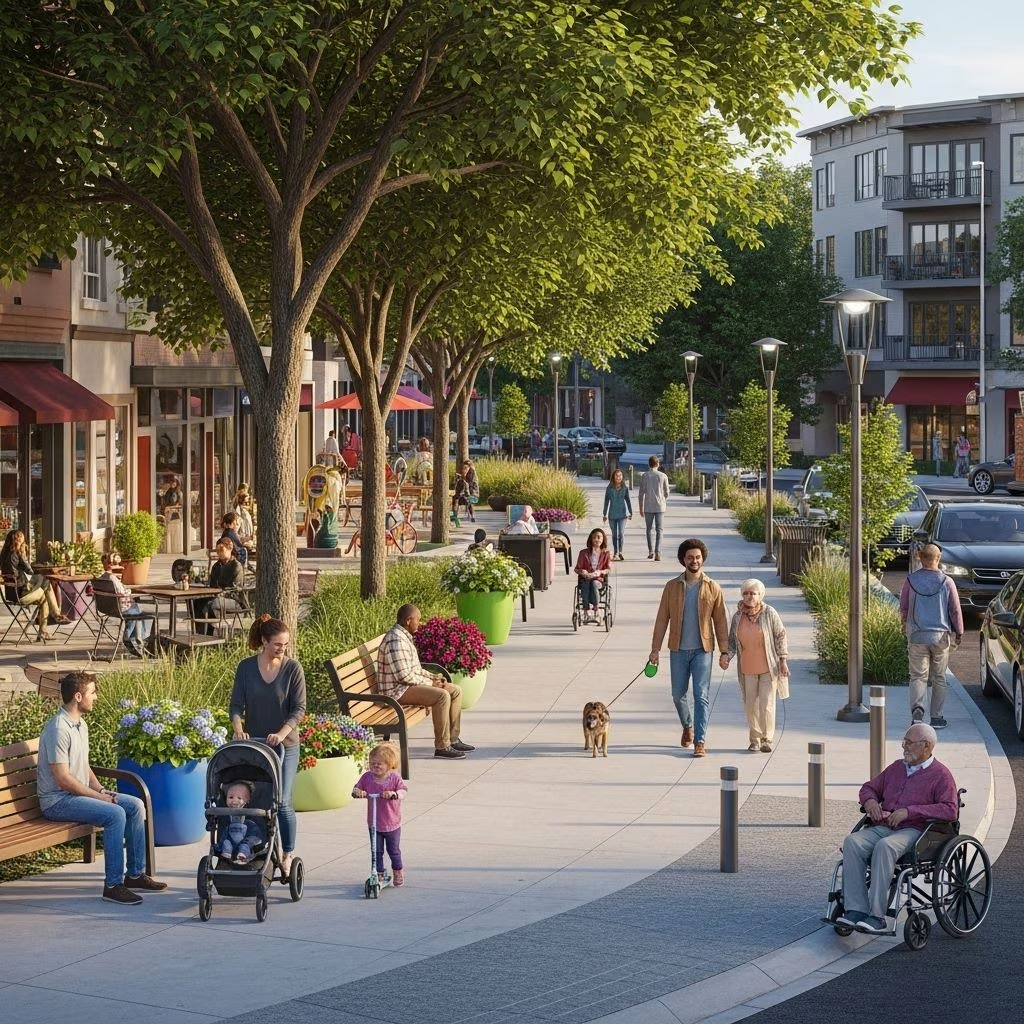
Sidewalks: More Than a Frill—A Pillar of Urban Infrastructure
Sidewalks are often dismissed as optional features or aesthetic upgrades, but beneath this perception lies a crucial truth: sidewalks are vital urban infrastructure. As cities and neighborhoods strive for vibrancy, safety, and health, investing in pedestrian pathways is indispensable. This article explores the multifaceted value of sidewalks, their challenges, and why communities must treat them as core infrastructure, not afterthoughts.
Why Sidewalks Matter: The Foundation of Walkable Cities
At their most fundamental, sidewalks:
- Connect people to schools, parks, workplaces, shops, and transit
- Promote social interaction by serving as daily meeting places
- Encourage walking for health, recreation, and accessibility
- Protect pedestrians from vehicle traffic, reducing accidents and fatalities
- Support economic vitality by enhancing local businesses and property values
For example, vibrant sidewalks support walking and commerce, creating thriving streetscapes that form the “front steps” of cities. They help integrate walking into everyday life, strengthening both social and economic bonds.
The Case for Sidewalks as Infrastructure
The distinction between “infrastructure” and “amenity” is more than semantics. Infrastructure is public investment that shapes daily life, mobility, and safety. In this sense, sidewalks are as foundational as roads, water, or sewers:
- Safety and accessibility: Sidewalks are the primary means for pedestrians—including children, seniors, and people with disabilities—to safely navigate the urban environment.
- Public health: Walkable environments foster active lifestyles. Ample sidewalk networks reduce sedentary behavior and enhance physical and mental health.
- Equity: Reliable sidewalks ensure that mobility is not limited by car ownership, income, or physical ability. In many places, accessibility is a legal requirement, not a luxury.
The False Frill: Why Sidewalks Are Often Neglected
Despite clear benefits, sidewalks often fall through the cracks in urban planning and budgeting. Several factors contribute to this undervaluation:
- Funding priorities: Roadways, bridges, and vehicle infrastructure receive far more attention and investment, sidelining pedestrian needs.
- Fragmented responsibility: In many American neighborhoods, property owners—not local governments—are responsible for sidewalk maintenance, inspection, and repair. This system leads to inconsistent upkeep, delays, and accessibility lapses.
- Manual audits and gaps: Cities commonly lack accurate records of sidewalk locations and conditions, further complicating repairs and upgrades. Until recently, most sidewalk assessments relied on manual mapping, omitting problem areas.
Physical Barriers: Design and Maintenance Challenges
Walkable sidewalks demand thoughtful design and ongoing care. Yet city streets frequently present obstacles to safe passage:
- Obstructions: Utility poles, mailboxes, garbage cans, fire hydrants, charging cables, and vegetation commonly block or narrow paths, especially in residential areas.
- Driveway conflicts: Poorly designed curb cuts and steep driveway ramps force pedestrians to navigate awkward slopes, posing hazards for strollers and walkers.
- Maintenance lapses: Cracked, uneven, or blocked sidewalks undermine accessibility, especially for vulnerable users.
| Obstacle | Impact on Sidewalk Usability |
|---|---|
| Trees/Vegetation | Can block walking paths and reduce accessibility; requires routine pruning. |
| Utility Poles/Fire Hydrants | Create pinch points that impede strollers, wheelchairs, and group walking. |
| Driveway Ramps | Varying elevations (‘roller coaster effect’) lower safety and comfort, especially for children and those with mobility challenges. |
| Mailboxes/Signs | Often installed without consideration for minimum sidewalk width, frequently causing obstructions. |
| Maintenance Issues | Cracking, pooling, and overgrowth make paths hazardous. |
Such physical barriers are frequently a result of siloed planning, where one department or agency fails to coordinate with others, resulting in misplaced infrastructure and maintenance gaps. For instance, federal decisions about mailbox placement may conflict with local sidewalk standards, requiring improved communication and detailed engineering solutions.
Sidewalk Standards: Who Are They For?
Many sidewalk design standards have prioritized vehicle convenience over pedestrian well-being. Ramp grades and curb cuts are often dictated by car requirements, not the needs of walkers, strollers, or people with disabilities. This can lead to uncomfortable, hazardous walking conditions. Advocates and professionals argue for a shift in standards to emphasize the “unfettered absolute ultimate pedestrian consideration“—in other words, sidewalks should serve people first.
Current best practices suggest:
- Minimum clear walking zones: At least 6 feet wide, with minimal obstructions, to support accessibility and comfort.
- Flat grades at driveways: Sidewalks should remain level through driveway crossings, with ramps for vehicles constructed in the street itself.
- Proactive maintenance audits: Regular, systematic checks—preferably using automated tools—to identify and resolve issues promptly.
Modern Technology: Mapping and Fixing Sidewalks
Recently, new tools are helping cities address sidewalk gaps and maintenance problems more effectively:
- Satellite and aerial mapping: AI-powered technologies now allow for accurate, efficient mapping of sidewalk networks, replacing time-consuming manual audits and highlighting areas for repair or expansion.
- Crowdsourced reporting: Many communities rely on residents to report hazards, though this can create delays and inequities, especially for people with disabilities.
Emerging tools are particularly vital for those requiring mobility aids, who must often study satellite images or street view photography before visiting unfamiliar areas, only to discover that real conditions differ from outdated images. Such technology can drive more frequent audits and help prioritize repairs where they matter most.
Equity and Accessibility: Closing the Sidewalk Gap
Sidewalks connect everyone—but not always equally. Low-income neighborhoods and communities of color frequently have less sidewalk coverage, inferior maintenance, and fewer shaded areas due to sparse tree canopies. Because public health, safety, and accessibility depend on robust walkable environments, closing these gaps is essential.
- Legal requirements: Americans with Disabilities Act (ADA) and similar regulations mandate accessible sidewalks, requiring communities to address blockages and physical barriers—including overgrown trees.
- Cooling and health: In hot climates, sidewalks shaded by trees are safer and more comfortable, but green infrastructure is often lacking in disadvantaged areas.
Community Building and Economic Benefits
Sidewalks are more than passageways; they shape neighborhoods, support businesses, and foster vibrant street life. Well-designed and maintained pedestrian infrastructure:
- Encourages local commerce by increasing foot traffic to shops and markets.
- Increases property values by making neighborhoods more desirable and accessible.
- Improves civic engagement as people interact along daily routes, strengthening communal bonds.
- Supports multi-modal transport by linking to transit stops and bike paths.
Vibrant sidewalks enable cities to realize the vision of healthy, walkable, and inclusive communities.
Sidewalks and Trees: Balancing Shade and Accessibility
Trees are essential urban infrastructure, contributing to cooling, aesthetics, and ecological health. However, tree branches and roots can also encroach on sidewalks, creating blockages and trip hazards. Regular pruning, thoughtful urban forestry, and coordinated design are necessary to ensure that sidewalks remain accessible and safe.
In many places, low-income areas lack sufficient tree canopy, increasing urban heat and discomfort. Equitable investment in green infrastructure along sidewalks delivers additional health and social benefits.
From Frill to Foundation: Policies for Better Sidewalks
- Prioritize pedestrian infrastructure in budget allocations, on par with vehicle roadways.
- Implement unified standards that focus on pedestrian needs, not just vehicular convenience.
- Coordinate across agencies to prevent obstructions and ensure minimum clearances are maintained.
- Expand mapping and auditing efforts using modern technology to identify and address gaps.
- Invest in green infrastructure to blend shade, accessibility, and ecological benefits.
- Enforce equitable coverage so all communities enjoy safe, attractive sidewalk networks.
Frequently Asked Questions (FAQs)
Q: Why are sidewalks critical for cities?
A: Sidewalks are essential infrastructure that provide safe mobility, support public health, foster economic vitality, and build stronger, more inclusive communities.
Q: Who is responsible for sidewalk maintenance?
A: In many communities, property owners handle daily maintenance, while cities may oversee larger repairs. This responsibility frequently leads to gaps and inconsistencies, especially where the public sector underinvests.
Q: How do sidewalk obstructions affect accessibility?
A: Obstructions such as utility poles, overgrown vegetation, or steep driveway cuts can block access for strollers, wheelchairs, and groups, undermining safety and inclusiveness.
Q: What is the impact of sidewalk quality on public health?
A: High-quality sidewalks encourage walking, reduce vehicle dependency, and boost physical and mental health in communities. Poor or missing sidewalks discourage active living and expose people to traffic hazards.
Q: How can technology improve sidewalk networks?
A: AI-powered mapping tools allow cities to identify sidewalk gaps and prioritize repairs, ensuring better audits, safer passage, and more comprehensive coverage.
Conclusion: Sidewalks as Urban Lifelines
As cities seek resilience, equity, and sustainability, prioritizing sidewalks as core infrastructure, not decorative frills, is essential. These pathways connect people and places, deliver safety and dignity, and underpin economic and social health. Investments in sidewalk maintenance, design, and expansion promise healthier, more vibrant communities for all.
References
- https://www.ite.org/technical-resources/topics/complete-streets/residential-local-street-sidewalk-survey/
- https://archive.strongtowns.org/journal/2023/11/28/sidewalks-should-be-designed-for-people-not-cars
- https://usa.streetsblog.org/2023/03/27/new-tool-maps-sidewalks-from-the-sky-and-encourage-cities-to-fill-the-gaps
- https://marketingthesocialgood.com/2016/08/04/infrastructure-build-sidewalks-to-build-community/
- https://crcmich.org/dennis-trees-critical-infrastructure
- https://www.preventionweb.net/news/trees-critical-infrastructure-low-income-neighborhoods-lack
- https://chestertownspy.org/2024/02/20/letter-to-editor-chestertowns/
- https://www.accessmagazine.org/spring-2010/vibrant-sidewalks-united-states-re-integrating-walking-quintessential-social-realm/