


The Legend of the Christmas Spider: Origins, Stories, and Traditions
The Christmas holiday is filled with centuries-old customs—some feel familiar, like caroling or decorating a tree, while others carry a hint of magic and mystery. One lesser-known yet enchanting tradition is the story of the Christmas Spider. Rooted primarily in Eastern European folklore, particularly from Ukraine and Germany, this legend weaves together themes of hope, gratitude, and unexpected blessings, and is believed to be the origin of tinsel on Christmas trees. This article will explore the folktale’s variants, historical context, symbolism, cultural adaptations, and the legacy it leaves on holiday celebrations worldwide.
Contents
- Origins of the Christmas Spider Folktale
- The Heart of the Tale: The Christmas Spider Story
- Variants and Interpretations Across Cultures
- Symbolism: Spiders, Webs, and the Magic of Tinsel
- How the Legend Shaped Modern Christmas Traditions
- Christmas Spider Ornaments and Crafting
- Wider Influence and Related Legends
- Frequently Asked Questions
Origins of the Christmas Spider Folktale
The Legend of the Christmas Spider is most closely associated with Ukraine but is also found in Germany, Poland, and other parts of Eastern Europe. The story gained popularity as a means to explain the tradition of tinsel on Christmas trees and the symbolism behind incorporating spider ornaments in festive decorations.
While the precise roots of the legend are murky, it seems to have crystallized in the late 1800s or early 1900s, in a region where old agricultural superstitions and the Christian holiday calendar intertwined. The tradition reflects widespread beliefs in European folklore that spiders bring good luck, especially when encountered in the home around Christmas.
- Geographic Focus: Predominantly Ukraine, but also Germany and Poland
- Historical Emergence: Late 19th to early 20th century
- Associated Traditions: Decorating Christmas trees with spiders and spiderweb motifs; tinsel symbolism
The Heart of the Tale: The Christmas Spider Story
At the narrative’s core is a moving tale of poverty, hope, and unexpected blessings. Though details vary, the fundamental elements are remarkably consistent across most versions. Below is the most widely retold version:
A Mother’s Hope, a Spider’s Gift
Once, a poor widow lived in a humble cottage with her children. Through the warm months, a pine cone took root in their earthen floor, and, tended with care, it grew into a small evergreen tree. As Christmas approached, the family looked forward to their own Christmas tree, but when the time came, they lacked the means to decorate it. Saddened but resigned, the children went to bed on Christmas Eve.
That night, the household spiders—taking refuge from the Christmas cleaning—crept down from the ceiling. Moved by the family’s hardship, the spiders spun exquisite silken webs among the tree’s branches, covering every bough with intricate lace.
At dawn, the children awoke to see the tree wondrously transformed. As sunlight streamed through the window, the webs shimmered and sparkled, turning gold and silver in the light. The family’s Christmas morning was filled with unexpected joy, and from that day forward, they never knew want again.
Magical Elements and Blessings
- Sunlight’s Touch: In many versions, it is the morning sun that transforms the webs; in others, a magical visitor such as Santa Claus, Father Christmas, or the Christ Child enacts the miracle, turning the webs into gleaming tinsel.
- Spider’s Perspective: In some tellings, the spiders themselves are granted agency, wishing to see the decorated tree and repay the family’s kindness with their craftsmanship.
- Mutual Kindness: A few versions focus on the mother’s mercy toward the spiders, contrasting her struggle with the spider mother’s efforts to care for her own babies, emphasizing shared vulnerability and compassion.
Variants and Interpretations Across Cultures
While the Ukrainian version of the tale is perhaps the most iconic, the legend exists in several variants throughout Eastern and Central Europe, each reflecting local customs and spiritual beliefs:
- Sunlight Miracle: The most traditional tale, common in Ukraine, where sunlight transforms the cobwebs to silver and gold.
- Santa Claus/Father Christmas: In German and some Polish versions, Santa discovers the web-covered tree and, recognizing the spiders’ loving intent, turns the webs into shining tinsel to delight the family and grant their wish for a beautiful Christmas.
- Spider’s Perspective: Some adaptations center the story around the experiences and longings of the spiders, highlighting animal agency and empathy.
- Dual Mother Story: Another lesser-known variant features both a peasant mother and a mother spider, each struggling to care for her children, underscoring universal themes of sacrifice and kindness.
Despite their differences, these narratives all reaffirm the belief in unexpected goodness and the magical rewards of compassion during the holiday season.
Symbolism: Spiders, Webs, and the Magic of Tinsel
At first glance, spiders might seem an unusual symbol for Christmas—especially in cultures where they often evoke fear or dislike. Yet, in Eastern European superstition, spiders frequently stand for luck, hope, and creativity. The tale’s spread has helped transform spiders into festive emblems of good fortune.
Key Symbols in the Legend
- Spiders: Emblems of patience, artistry, and good luck. In German and Slavic cultures, finding a spider on the Christmas tree is considered a sign of impending prosperity. Black spiders, however, are viewed less favorably in some regions.
- Webs: Depict invisible labors of love, ingenuity, and transformation—from something humble and overlooked into something spectacular.
- Tinsel: Directly traces its origins to the legend. The transformation of spider webs into strands of gold and silver is believed to be the reason why tinsel became the favored tree decoration across Europe and beyond.
| Element | Symbolic Meaning |
|---|---|
| Spider | Good fortune, patient creation, gratitude |
| Web | Hidden beauty, transformative labor |
| Tinsel | Celebratory magic, visible blessing |
How the Legend Shaped Modern Christmas Traditions
The legend’s deepest and most visible cultural legacy is the tradition of decorating Christmas trees with tinsel and tiny spider ornaments, especially in Ukrainian households.
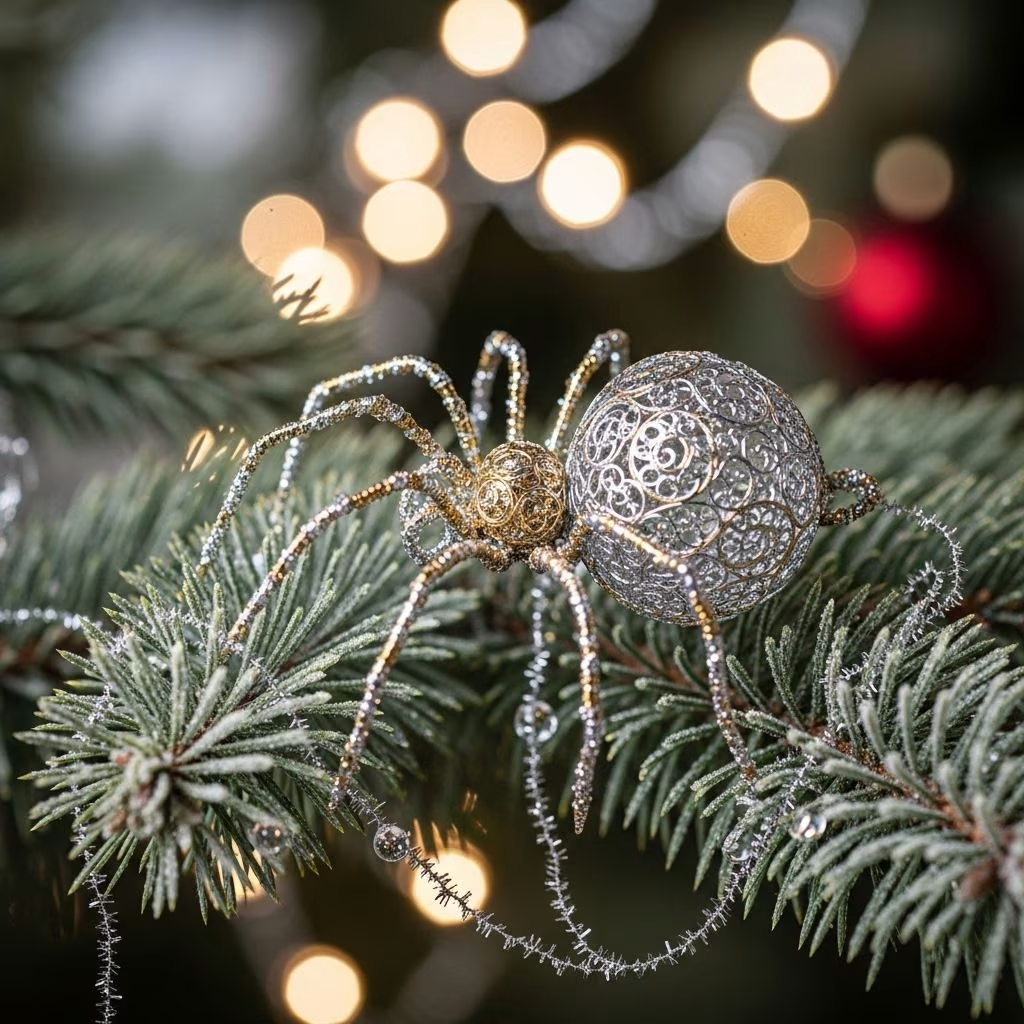
- Spider Ornaments: In Ukraine, pavuchky (“little spiders”) are handcrafted from paper, beads, and wire, and hung on trees alongside artificial spider webs as symbols of luck and the Christmas miracle.
- Tinsel on Trees: The luster of tinsel is understood as a reference to the shimmering webs spun in the folktale, with each sparkling strand recalling the story’s magical moment of transformation.
- Ornamental Webs: Some families create decorative webs to embrace the tradition more fully, ensuring that each year, their holiday tree stands as a tribute to the legend’s message of hope.
Celebrating the Legend Around the World
- Ukraine: The tradition remains especially strong, with spider ornaments and tales passed down through generations.
- Germany and Poland: Families sometimes hide a decorative spider in the branches, the finder being promised a year of good luck.
- North America and Beyond: Ukrainian diaspora have introduced the custom to new lands, making spider ornaments available at craft fairs, markets, and online shops.
Christmas Spider Ornaments and Crafting
Creating or purchasing a spider ornament for the tree is both a nod to tradition and an inviting craft project, often enjoyed by families with children. These ornaments can range from simple and rustic to elaborate works featuring beads, wire, and sparkling accents designed to catch the light—a mini-miracle reminiscent of the story itself.
How to Craft a Christmas Spider Ornament
- Bend thin wire into a body and legs, anchoring with beads for the spider’s form.
- Attach sparkling threads or tinsel to mimic the web.
- Place the finished ornament near the top or center of the tree to recall the legend’s magical moment.
This simple craft embodies the themes of ingenuity and resourcefulness at the core of the folk story, allowing new generations to connect hands-on with centuries-old tradition.
Wider Influence and Related Legends
The Christmas Spider story is not alone in the rich tapestry of seasonal myths. Throughout Europe, animals and miracles play significant roles in Christmas lore, each reflecting cultural anxieties and aspirations for the coming year. The spider stands out as a positive symbol—contradicting more common negative perceptions of spiders in Western culture.
Related beliefs and customs include:
- Carefully preserving spider webs in certain regions to avoid bad luck.
- The belief that allowing spiders to remain undisturbed brings a blessing, particularly around the winter holidays.
- Stories in which animals receive the gift of speech or perform miracles on Christmas Eve, reflecting the liminality and hope of the season.
Frequently Asked Questions (FAQs)
Q: What is the Legend of the Christmas Spider?
A: The Legend of the Christmas Spider is an Eastern European folktale, primarily from Ukraine, that tells of a poor family’s Christmas tree being magically decorated by spiders with beautiful webs, which become shimmering tinsel by morning light or through a Christmas miracle. This story is said to explain the origin of tinsel on Christmas trees.
Q: What does the Christmas Spider symbolize?
A: In the context of the legend, the spider symbolizes good fortune, creativity, and the blessings that come from compassion and hope, especially during times of hardship. In some European cultures, finding a spider or its web on a Christmas tree means luck and prosperity for the coming year.
Q: Why do Ukrainians hang spider ornaments on their Christmas trees?
A: Ukrainians hang spider ornaments, or pavuchky, to honor the legend and to bring good luck, symbolizing the web-spinning miracle that brought joy and abundance to a poor family during Christmas.
Q: Are spider decorations only found in Ukraine?
A: While especially prominent in Ukrainian tradition, similar practices can be found in Poland and Germany, and the custom has been adopted in some Western countries, particularly where Ukrainian families have settled. Spider ornaments are often used as symbols of good fortune and the holiday’s magical spirit.
Q: How can I make a Christmas spider ornament?
A: To make a simple spider ornament, craft a body and legs from thin wire and beads, attach them firmly, and finish with a sparkling thread or tinsel to evoke a spider’s web. Hang it on your Christmas tree to celebrate the legend and invite holiday magic into your home.
Q: How is tinsel connected to the legend?
A: Tinsel on Christmas trees is widely believed to have been inspired by the story, symbolizing the transformation of the spiders’ webs into precious strands of silver and gold, a visual reminder of kindness and unexpected blessings during the holiday season.
In Conclusion
The Legend of the Christmas Spider is a testament to the magic found in generosity and perseverance, reminding us each year that humble beginnings, creative labor, and small kindnesses can lead to shimmering wonders. Whether told by the fire, passed down through generations, or reflected in the glint of tinsel and ornaments, the story endures as a cherished part of Christmas lore around the world.
References
- https://en.wikipedia.org/wiki/Legend_of_the_Christmas_Spider
- https://www.youtube.com/watch?v=A41DyNb9bqs
- https://islandthymesoap.com/blogs/cozy-cove-living-blog/legend-of-the-christmas-spider
- http://urban-ipm.blogspot.com/2018/12/the-legend-of-christmas-spider.html
- https://boards.straightdope.com/t/the-legend-of-the-christmas-spider/805117


