Prevention and Control of Tree Slime Flux: A Comprehensive Guide
Slime flux, also referred to as wetwood, is a widespread bacterial disease affecting many deciduous trees. While often alarming in appearance and odor, this condition is more an aesthetic problem than a direct threat to tree survival. This guide provides clear explanations of its causes, symptoms, ecological implications, and best practices for prevention and management, empowering tree owners and gardeners to promote healthier landscapes.
What Is Tree Slime Flux (Wetwood)?
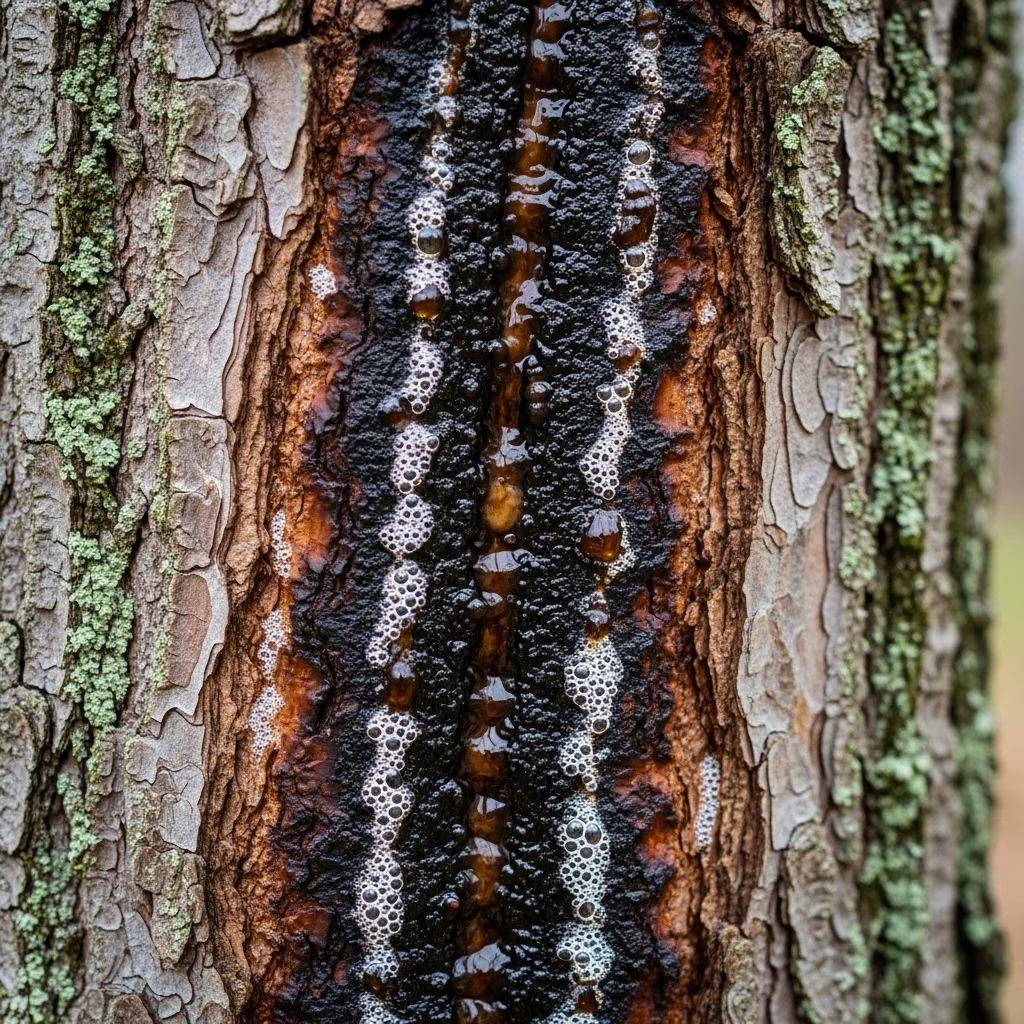
Slime flux is a bacterial disease characterized by the oozing of a foul-smelling, sometimes bubbly slime from wounds or cracks in the bark or wood of various tree species. The disease most commonly affects:
- Elm
- Poplar
- Maple
- Willow
- Oak
- Birch
- Mulberry
- Beech
The slime is produced when bacteria ferment tree sap that leaks through wounds, creating pressurized gas inside the wood. This pressure eventually forces the contaminated liquid out through cracks, branch crotches, pruning wounds, or even undamaged bark.
Symptoms and Diagnosis
Slime flux is recognizable by several clear symptoms:
- Oozing liquid: Watery, sometimes colorless to tan or dark, foul-smelling liquid seeping from bark wounds.
- White or pale crust: As the slime dries, it may leave behind a crusty residue, often white or gray.
- Discolored or water-soaked wood: The infected area beneath the bark may be darkened and appear soaked.
- Attracts insects: Bees, wasps, butterflies, and various flies feed on the ooze and are commonly seen visiting the site.
- Foul or alcoholic odor: Due to fermentation by bacteria and yeast.
- Dieback or wilting: In severe cases, leaves may wilt or show premature drop; branch dieback may also be observed.
Diagnosis is mainly based on visual observation, as laboratory confirmation is rarely practical for this disease. Photos submitted to local extension or diagnostic services can help confirm the issue.
What Causes Slime Flux?
Slime flux is caused by anaerobic bacteria (bacteria that thrive without oxygen) that infect the heartwood or sapwood through wounds. These bacteria ferment sap, releasing methane, carbon dioxide, and other gases. This fermentation generates pressure, which pushes the ooze out through the weakest points in the bark.
Entry points for bacteria include:
- Pruning wounds
- Broken branches
- Injury from lawnmowers or construction
- Insect borers
- Natural cracks or splits from weather or drought stress
The disease is not spread through airborne spores or typical fungal means but rather requires physical wounds where bacteria can enter the inner wood.
Ecological and Landscape Impact
The slime may kill grass at the base of the tree where it drips, and can be unsightly. While largely cosmetic, prolonged or severe slime flux can cause some wood tissue dieback and contribute to the slow decline of already-stressed trees. Nonetheless, established trees typically tolerate the disease, and rarely die directly from it.
Interestingly, trees with extensive slime flux may be more resistant to decay fungi; the anaerobic environment created in the heartwood inhibits many wood-rotting organisms.
Prevention Strategies for Slime Flux
Since there are no effective curative treatments for slime flux, prevention and maintaining tree vigor are key. To help your trees avoid or resist slime flux, follow these important practices:
- Avoid wounds: Take care not to injure tree trunks during mowing, trimming, or construction. Protect exposed roots from unnecessary traffic or soil compaction.
- Use correct pruning techniques: Prune trees properly, and only as needed, to minimize cut size and maximize healing. Avoid making large wounds, and never leave jagged edges.
- Remove weak, dead, or damaged branches promptly: This reduces entry points for bacteria and helps trees seal wounds effectively.
- Mulch wisely: Apply a wide, shallow mulch ring around the base of the tree (but not touching trunk) to reduce physical injury, retain soil moisture, and limit lawnmower/weed trimmer contact.
- Avoid excessive irrigation or drought: Provide steady, appropriate watering during dry spells, but do not create overly wet soils.
- Limit soil compaction: Plant trees away from areas of heavy foot or vehicle traffic; avoid working in the root zone when soils are wet.
- Annual soil testing and fertilization: Fertilize according to a reputable soil analysis to boost tree vigor. Do not arbitrarily over-fertilize.
Quick Prevention Checklist
- Guard against environmental stresses (heat, drought, compaction)
- Water during drought, but ensure proper drainage
- Remove bark or branch wounds carefully, if needed
- Hire certified arborists for major pruning or damage assessment
Management and Minimizing Damage
Slime flux cannot be cured, but the following steps can keep the disease from worsening:
- Do not drill or install pipes: In the past, arborists recommended drilling into the trunk to relieve internal pressure and drain ooze. Research now shows this increases injury and the risk of wood decay. Drilling also spreads bacteria further inside the tree.
- Remove loose bark if necessary: Gently removing dead, loose bark around ooze sites can reduce the area where slime accumulates. Do not cut into healthy tissue.
- Disinfect surface: To discourage insects and reduce spread of secondary pathogens, clean the oozing area with a 10% sodium hypochlorite (household bleach) solution (1 part bleach to 9 parts water). Rinse with clean water after a few minutes.
- Keep area clean: Remove any build-up of dead slime or debris at the base, and rake away dead lawn grass caused by seepage.
- Monitor stress symptoms: Watch for wilting, leaf scorch, or branch dieback. Careful supplemental watering and mulching during drought may help.
When to Call a Professional
- If a large shade tree is severely oozing, showing widespread dieback, or if you are unsure about the diagnosis, consider contacting a certified arborist for evaluation.
- Arborists can diagnose and recommend specific care based on the condition and local climate.
Trees Most at Risk
While many deciduous trees can be affected, the following are particularly susceptible:
- Elms (American and English)
- Poplars and Aspen
- Maples (Sugar, Red, and Silver)
- Oaks (especially mature specimens)
- Willow
- Birch
- Mulberry
- Beech
Southern climates may see slime flux in Tulip Poplars and large, older Oaks.
Why You Should Not Drill to Relieve Pressure
| Old Practice | Current Recommendation |
|---|---|
| Drilling a hole and inserting a drain pipe to relieve internal gas pressure and drain sap. | Do NOT drill or install pipes. Increases injury, spreads bacteria, and promotes wood decay fungi. |
| Believed to extend tree life by draining infected sap. | Research shows harm outweighs any temporary relief. Let the tree manage the infection naturally. |
Best practice is to avoid additional injury and provide general tree care to support health and resilience.
Insect Activity and Additional Impacts
The nutrient-rich ooze is a food source for numerous insects. While not a health threat, these insects may become a nuisance to people when populations build up around the slime flux. In most cases, controlling the ooze with careful surface disinfection and keeping the area clean is sufficient.
Long-Term Prognosis and Tree Health
Fortunately, slime flux rarely kills a tree. Even though oozing may continue for several years, tree health can be stabilized with attention to cultural care and stress reduction. Most esthetic damage is temporary, and as the tree compartmentalizes the infected tissue, ooze may eventually cease.
Frequently Asked Questions (FAQs)
Q: Can slime flux kill my tree?
A: Slime flux is rarely fatal. It primarily affects appearance. Branch dieback may occur if infection or stress is severe, but mature trees often compartmentalize the problem and continue to thrive.
Q: Should I cut down a tree with slime flux?
A: Removal is unnecessary unless extensive dieback, safety hazards, or overall decline is observed. Focus on good care and damage prevention.
Q: Is slime flux contagious?
A: The disease bacteria are not contagious in the usual sense—they require an open wound. Slime flux will not spread through the air, roots, or by contact alone.
Q: Can I treat slime flux chemically or with fungicides?
A: No. There are no approved chemical or fungicide treatments for slime flux. Healthy, stress-minimizing care is the best management approach.
Q: How else can I prevent tree wounds?
A: Take care with lawnmowers and weed trimmers, avoid unnecessary pruning, and minimize construction disturbance near trees. Mulching wide and shallowly around the tree base provides physical protection.
Summary Recommendations
- Prevent wounds and avoid stress to minimize infection risk.
- Prune correctly and only as needed, targeting dead/damaged wood.
- Mulch and irrigate appropriately; avoid root and soil compaction.
- Monitor affected areas for insect buildup and secondary issues.
- Consult certified arborists for persistent or severe cases.
Slime flux is unsightly but rarely a cause for alarm. With an understanding of its causes and focus on preventative tree health, property owners can maintain vigorous, attractive trees for years to come.
References
- https://reliabletreecare.com/tree-disease-control-treating-trees-infected-with-slime-flux/
- https://www.purdue.edu/fnr/extension/slime-flux-of-trees/
- https://treepreservationgroup.com/blog/general/slime-flux/
- https://union.ces.ncsu.edu/2022/06/slime-flux/
- https://extension.usu.edu/pests/ipm/notes_orn/list-treeshrubs/slime-flux.php
- https://extension.illinois.edu/blogs/good-growing/2024-11-15-bacterial-wetwood-symptoms-causes-and-management-tips
- https://plantclinic.nmsu.edu/documents/slime-flux-_od-2final.pdf
- https://hort.extension.wisc.edu/articles/bacterial-wetwood/