


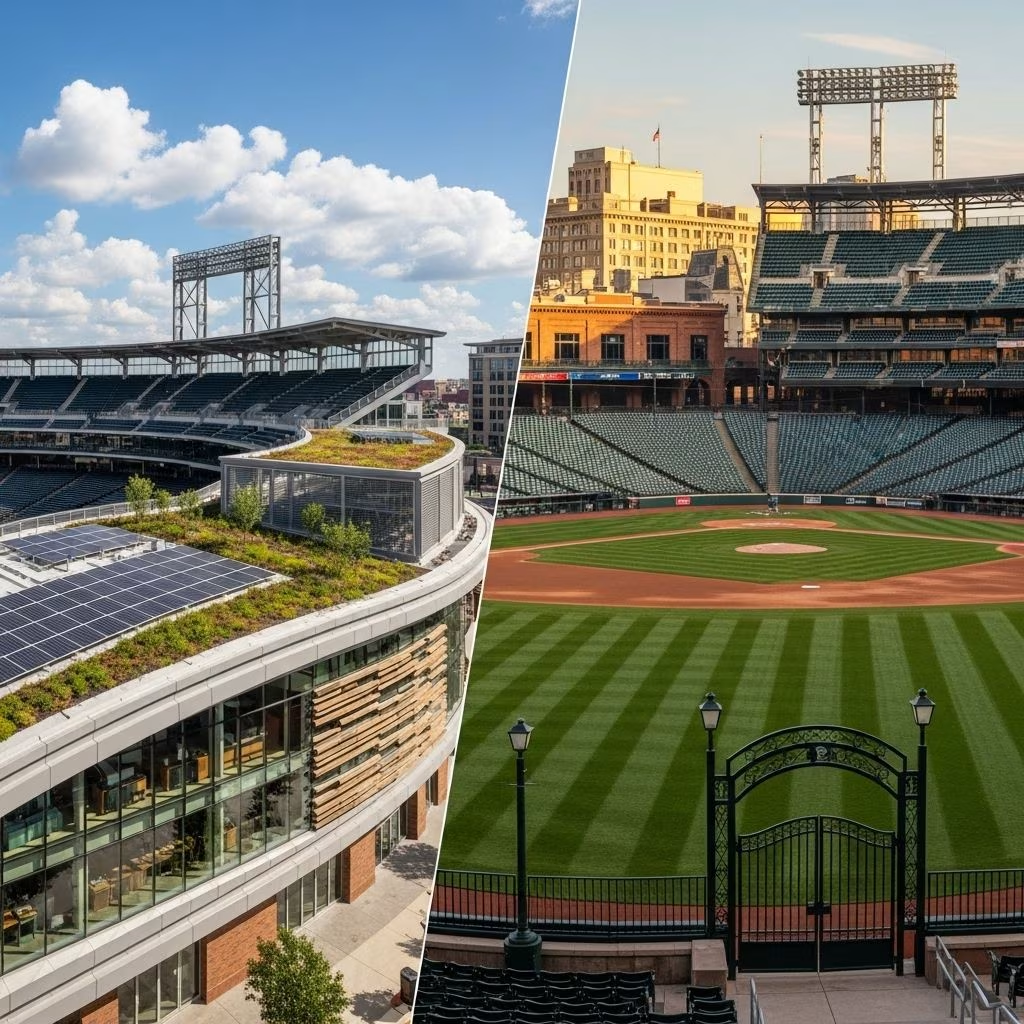
A Picture Worth a Thousand Words: Stadiums as An Urban Narrative
Ballparks are woven deep into the cultural and architectural fabric of North America. These structures often tell a broader story about the cities they inhabit, the fans they host, and the larger environmental and urban goals they support. The contrasts between stadiums, both old and new, reveal evolving priorities in sustainability, design, and community integration.
Why Stadiums Matter: Beyond the Game
Major League Baseball’s ballparks are more than just hosts for sporting spectacles. Their design and location influence transportation habits, local economic development, urban densification or sprawl, and overall environmental footprint. Thoughtful stadium design can enhance the quality of neighborhood life, while poorly planned ballparks may exacerbate challenges such as congestion, pollution, and missed community opportunities.
A Visual Contrast: The Classic City vs. The Modern Suburb
Consider two archetypes: one stadium nestled in the heart of a dense urban neighborhood, seamlessly integrated into local life, and another sprawling amid acres of surface parking, isolated from walkable surroundings. These images highlight dramatically different philosophies – not just in aesthetics but also in their sustainability and urban planning impact.
- Urban Ballparks: Surrounded by city blocks, accessible by public transit, bicycles, and pedestrian pathways, these stadiums actively support local businesses and foster vibrant street life on game days and beyond.
- Suburban Ballparks: Encircled by vast seas of asphalt, dominated by parking lots, and reliant on car travel, these venues can feel disconnected from cities, imposing heavy environmental costs and missing out on livelier community involvement.
Comparison Table: Urban vs. Suburban Ballpark Attributes
| Attribute | Urban Ballpark | Suburban Ballpark |
|---|---|---|
| Location | Central/Downtown | Outskirts/Suburbs |
| Access | Public transit, walkable streets | Primarily driving, large parking |
| Impact on Local Economy | Supports local businesses | Isolated commerce |
| Environmental Footprint | Lower (less driving, more shared infrastructure) | Higher (extensive car travel, large paved lots) |
The Case For Sustainability in Ballpark Architecture
As cities and sports organizations focus increasingly on sustainability, stadiums play a key role in shaping ecological futures. The shift from auto-centric stadiums to transit-friendly, walkable venues represents a push toward reducing emissions, minimizing impervious surfaces, and encouraging healthier communities.
- Reduced Car Dependence: Urban ballparks enable spectators to use public transit or walk, significantly lowering greenhouse gas emissions compared to suburban stadiums.
- Energy & Water Efficiency: Modern facilities emphasize energy-saving lighting, water-efficient landscaping, and efficient irrigation. Retrofitting older venues is also increasingly common.
- Smart Materials & Design: Use of locally sourced, recycled, and durable materials reduces embodied energy and promotes longevity.
Anatomy of a Sustainable Stadium: What Makes The Difference?
The gap between a sustainable and unsustainable stadium isn’t just physical – it’s also philosophical, reflecting choices around transportation, community connection, and resource use.
- Transit Integration: Ballparks centrally located in urban grids can link directly to bus, subway, and bike infrastructure, inviting a broader fan base and lowering overall travel impacts.
- Programming Beyond Baseball: When stadiums integrate mixed-use development (commercial spaces, residential units, public squares), they activate urban spaces year-round.
- Land Use Efficiency: Rather than consume acres for surface parking, urban ballparks often rely on shared parking, garages, or on-street options, minimizing wasted space and stimulating other development.
Stadium Design and Urban Regeneration: Lessons from the Ballpark
Many stadiums have become catalysts for urban revitalization. Their thoughtful integration can lead to:
- More vibrant, accessible neighborhoods
- Increased property values and local business revenues
- Safer, walkable streets with improved public spaces
- New opportunities for housing and office spaces close to transit
Case Studies: Two Stadiums, Two Histories
The Urban Classic: Wrigley Field (Chicago)
Wrigley Field, one of baseball’s oldest ballparks, is renowned for its timeless architecture and unique location. Surrounded by residential streets, bars, restaurants, and local shops, the stadium forms the nucleus of a lively neighborhood. Fans arrive by train, bus, bike, or foot, and the area pulses with activity long after games end. Modern renovations have balanced historic preservation with increased comfort and efficiency, demonstrating how classic venues can continue to thrive in the contemporary era.
The Suburban Model: Tropicana Field (St. Petersburg)
Tropicana Field, the home of the Tampa Bay Rays, typifies postwar suburban stadium design. Surrounded by parking lots and accessible primarily by car, the venue is often criticized for its lack of connection to the city and limited fan experience. The stadium’s utilitarian design and isolated setting highlight drawbacks in terms of environmental impact and community engagement. Even renovations adding color and public art have not masked its inherent disconnect from walkable urban life.
Environmental Implications of Stadium Siting
- Impervious Surfaces: Expansive parking lots in suburban settings create heat islands, increase stormwater runoff, and disrupt local ecosystems.
- Emissions: Fans driving from afar generate far more greenhouse gases than those using alternative transportation.
- Public Space Loss: Land given over to parking can’t be used for parks, playgrounds, or other community amenities.
Ballpark Features: Beyond the Traditional Diamond
Stadiums are famous for their quirky touches, from the Green Monster at Fenway Park to rooftop seating in Philadelphia’s Citizens Bank Park. These idiosyncrasies aren’t just aesthetic; they contribute to a stadium’s identity, offer a sense of local place, and can even serve specific sustainability goals, such as green roofs or rainwater harvesting systems in some modern venues.
- Historic elements foster civic pride and local tradition.
- Modern technology enables energy efficiency and comfort (e.g., retractable roofs, LED lighting).
- Natural landscaping and water conservation features increasingly common in new construction and retrofits.
Reimagining the Role of Ballparks in Urban Life
The movement toward city-centered, transit-oriented ballparks mirrors broader trends in urban planning. Stadiums now serve as community anchors, accommodating residential towers, retail spaces, and public plazas. This multidimensional approach helps ensure that ballpark investments benefit the entire urban area, not just sports franchises or event promoters.
Main Strategies for Maximizing Sustainability and Urban Value
- Prioritize walkability and transit access
- Develop mixed-use facilities to support year-round activity
- Employ green building practices (recycled materials, renewable energy, water conservation)
- Engage surrounding communities with inclusive design and programming
Challenges and Opportunities for Future Ballparks
Despite the clear benefits of green, integrated stadiums, architects, city officials, and team owners face major hurdles: high costs for central land, adapting old infrastructure, and balancing historic value with contemporary needs. However, innovative strategies are emerging, with flexible venues designed for multiple uses, advanced material choices, and partnerships with public agencies and local stakeholders.
- Urban infill: Constructing ballparks on underused or brownfield sites, leveraging existing utilities and transit.
- Community engagement: Involving local residents in stadium design, planning, and operations to maximize shared benefits.
- Technology integration: Employing smart energy systems, real-time traffic management, and adaptive building controls.
Frequently Asked Questions (FAQs)
Q: Why are some ballparks built in downtown areas while others are in the suburbs?
A: Downtown stadiums foster easier access via transit, energize local economies, and encourage sustainable travel, while suburban venues may be driven by cheaper land, legacy decisions, or car-dependent fan bases.
Q: Does the design of a stadium affect its environmental footprint?
A: Yes, transit-oriented, compact designs with efficient land use drastically lower energy consumption, emissions, and waste versus sprawling, parking-heavy stadiums.
Q: What are some examples of sustainable features in modern ballparks?
A: These include solar panels, LED lighting, rainwater harvesting, permeable surfaces, and landscaping that supports local biodiversity.
Q: Can older stadiums be retrofitted for sustainability?
A: Many historic venues are adding efficient lighting, solar rooftops, water-saving systems, and improved transit links to reduce their environmental impacts while preserving legacy architecture.
Q: How do stadiums impact local neighborhoods?
A: Well-integrated stadiums can drive business, boost employment, and animate public spaces year-round; poorly planned venues may isolate communities, create traffic congestion, and waste valuable land.
Key Insights: The Future of Ballpark Design
- Urban, walkable stadiums set a sustainable example for the future, strengthening city life and minimizing environmental harm.
- Design choices—from location and materials to fan amenities and urban integration—impact a stadium’s sustainability and community relevance.
- A new breed of stadiums, acting as dynamic urban hubs, can transform neighborhoods and champion greener sports architecture worldwide.
As the story of baseball stadiums continues to unfold, cities and teams face the challenge—and opportunity—of building venues that not only thrill fans but also support thriving, sustainable urban spaces for generations to come.
References
- https://www.popularmechanics.com/adventure/sports/g22739210/major-league-baseball-stadiums-ranked/
- https://ballparkratings.com/ballpark-architecture-ranking-30-mlb-stadiums-based-exterior-architecture/
- https://www.mlb.com/cut4/seven-of-baseballs-weirdest-ballpark-features/c-144747404
- https://www.ballparksofbaseball.com/comparisons/
- https://archive.thedataface.com/2019/04/sports/baseballs-irregular-outfields
- http://www.andrewclem.com/Baseball/Overlay_comparison.php


