


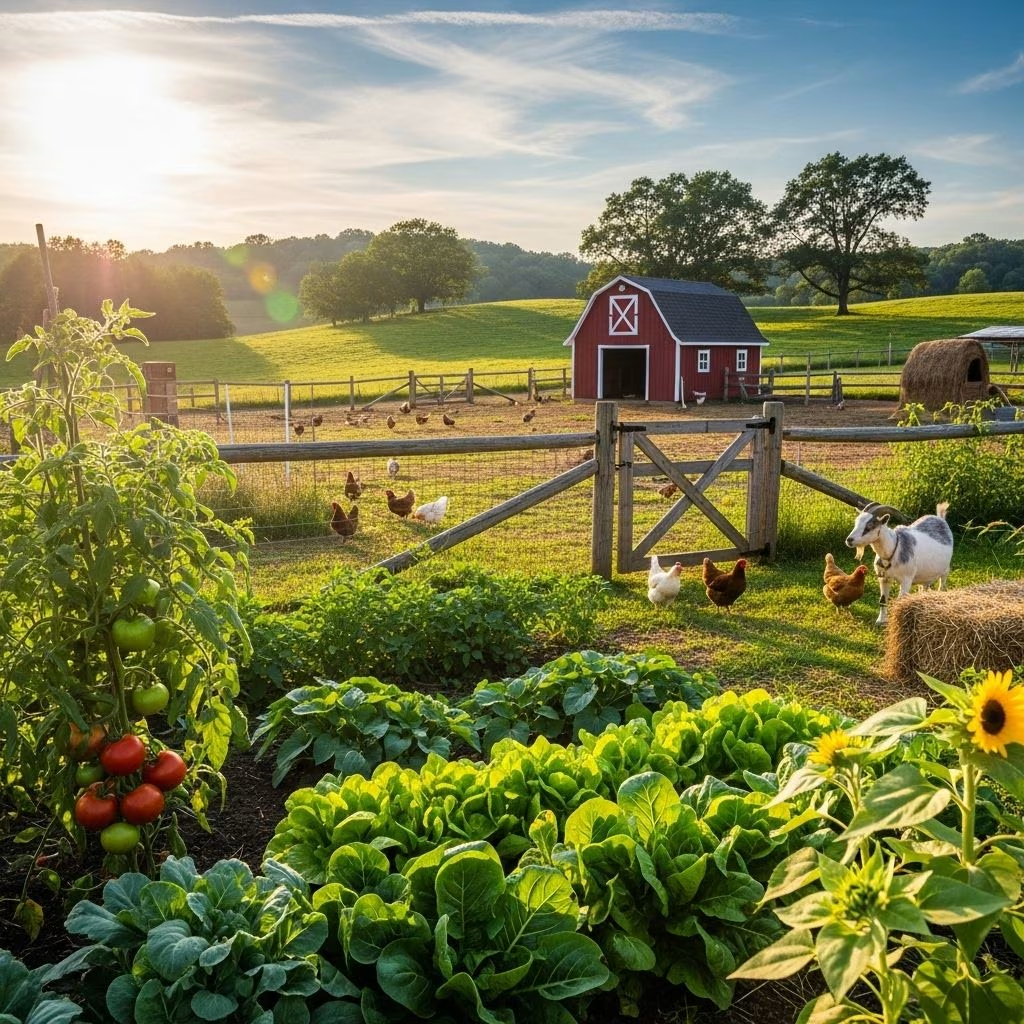
A hobby farm is a small agricultural operation primarily maintained for pleasure or recreation rather than as a main source of income. These charming farms, also known as “lifestyle farms” or “smallholdings,” serve as a gateway for individuals and families to enjoy nature, grow food, interact with animals, and experiment with sustainable living—all outside the pressures of large-scale commercial agriculture.
Defining Hobby Farms
A hobby farm is typically characterized by the following traits:
- Small to moderate acreage: With most hobby farms being less than 50 acres, these are manageable plots suited to individuals or families without full-time agricultural ambitions.
- Secondary income: Owners often have a primary job or retirement income elsewhere and do not depend on the farm’s output for their livelihood.
- Pleasure over profit: The focus is on enjoyment, learning, and lifestyle—not maximum productivity or profit.
- Flexible output: While some goods may be sold at farmer’s markets or to neighbors, any sales are usually supplementary and not designed to support the household financially.
- Diverse activities: Hobby farms may be home to vegetable gardens, orchards, chickens, goats, bees, or horses, depending on the farmer’s interests.
Why Start a Hobby Farm?
People start hobby farms for various personal reasons, but the most common motivations include:
- Desire for homegrown food: Growing your own fruits, vegetables, and raising animals ensures fresher, more flavorful produce and eggs.
- Love of animals: Keeping chickens for eggs, goats for milk, or horses for riding can be both fulfilling and educational.
- Reconnection with nature: Working the land offers a break from urban stresses and technology, fostering mindfulness.
- Family bonding and education: Farm chores become learning opportunities for children and can impart values like responsibility and patience.
- Pursuit of sustainability: Cultivating one’s own food, improving soil health, and managing natural resources can significantly reduce environmental impact.
- Therapeutic benefits: Gardening and animal care are proven to alleviate stress and improve mental and physical health.
How Big Is a Hobby Farm?
The size of a hobby farm varies according to region, available land, and the farmer’s goals. While in the United States, hobby farms are often defined as being under 50 acres, many operate on as little as one acre or even less in suburban or urban settings (for example, backyard chicken coops or rooftop vegetable gardens).
Typical size ranges in various regions:
- United States: Usually less than 50 acres, with most hobby plots falling between 1 and 10 acres.
- United Kingdom and Australia: Often known as “lifestyle blocks,” typically ranging from 2 to 10 hectares (5–25 acres).
- Brazil and other countries with more rural land: Smallholdings under 100 acres may still be defined as hobby farms due to local agricultural land patterns.
Hobby Farm vs. Business Farm vs. Homestead
| Aspect | Hobby Farm | Business Farm | Homestead |
|---|---|---|---|
| Primary Purpose | Pleasure, education, lifestyle | Profit, commercial agriculture | Self-sufficiency, subsistence |
| Scale | Small (often < 50 acres) | Varies (can be very large) | Small to medium (<100 acres) |
| Income dependence | No | Yes | Yes, but for household, not profit |
| Sales of goods | Occasional, not required | Primary focus | Sometimes, but surplus only |
| Examples of activities | Gardening, small livestock, beekeeping, orchards, horses for recreation | Large-scale crop/livestock, mechanized operations | Vegetable gardens, fruit trees, poultry, canning, dairy, off-grid living |
Common Activities and Features of Hobby Farms
Hobby farms are as diverse as their owners. Some common activities and enterprises found on hobby farms include:
- Vegetable Gardens: Ranging from raised beds to sizeable kitchen plots, often focusing on heirloom or organic varieties.
- Orchards: Fruit trees such as apples, peaches, plums, or nut-bearing trees like walnuts and hazelnuts.
- Poultry Keeping: Chickens, ducks, or quail for eggs and meat. Many hobby farmers enjoy raising heritage breeds.
- Livestock Raising: Goats for dairy, sheep for wool, alpacas for fiber, or a handful of cattle for milk and meat.
- Beekeeping: Producing honey and supporting pollinators in the local ecosystem.
- Herb Gardens: For culinary, medicinal, or ornamental purposes.
- Flower Farming: Growing cut flowers for personal enjoyment or local sale.
- Equestrian Activities: Keeping horses for riding, training, or therapy.
Benefits of Hobby Farming
Owning and operating a hobby farm offers a unique blend of practical, emotional, and social benefits:
- Healthier lifestyle: Physical activity, fresh air, and nutritious food are daily rewards.
- Closer family bonds: Shared work and learning opportunities draw families together.
- Enhanced sustainability: Reduced reliance on external food sources lowers your carbon footprint.
- Wildlife habitat creation: Properly managed small farms can support native species.
- Community connections: Sharing produce or participating in farmers’ markets can foster relationships with neighbors.
- Personal fulfillment: Seeing plants and animals thrive under your care brings joy and satisfaction.
Challenges of Hobby Farming
While rewarding, hobby farming comes with its own hurdles:
- Time commitment: Animals and crops require daily attention, regardless of weather, holidays, or vacation plans.
- Upfront costs: Investments in tools, fencing, seeds, animal shelters, and equipment add up quickly.
- Trial and error: New farmers often face steep learning curves in soil management, animal health, and crop rotation.
- Zoning and regulations: Some regions limit the number or types of animals, outbuildings, or sales from a property.
- Wildlife pressure: Predators and pests can threaten crops and livestock.
- Balancing work and farm: Managing a full-time job along with farm chores requires time management skills.
Steps to Starting Your Own Hobby Farm
If you’re considering starting a hobby farm, here are practical steps to get you moving in the right direction:
- Clarify your goals: Decide if you’re interested in growing food, raising animals, or simply enjoying rural life.
- Assess your land: Test your soil, note sunlight patterns, evaluate available water, and understand your local climate.
- Research zoning laws: Check local regulations for keeping livestock, building structures, or selling products.
- Start small: Begin with a manageable number of plants or animals. Expand as your confidence and expertise grow.
- Learn continuously: Read books, attend workshops, connect with local extension services, and network with other hobby farmers.
- Prioritize sustainability: Use organic methods, compost, and protect soil and water resources for the long term.
Popular Hobby Farm Animals
- Chickens: Low-maintenance, ideal for beginners; provide eggs and pest control.
- Goats: Great for milk, brush control, and companionship; require sturdy fencing.
- Ducks: Hardy birds; excel at foraging for garden pests and lay richly flavored eggs.
- Rabbits: Suited to small spaces; raised for meat or fiber (Angora).
- Bees: Yield honey and wax while pollinating crops and wildflowers.
- Sheep: Raised for meat, milk, or wool; may help manage pastures.
- Horses: Provide recreation, companionship, and even limited draft work on small properties.
Growing Crops on a Hobby Farm
Many hobby farmers enjoy the process of planting, growing, harvesting, and preserving their own produce. Typical crops include:
- Vegetables: Tomatoes, beans, carrots, lettuces, squash, potatoes, and peppers.
- Fruits: Apples, berries, peaches, cherries, and grapes.
- Herbs and flowers: For culinary use, tea, or natural remedies.
Some farmers experiment with specialty crops—such as mushrooms, lavender, or hops—chosen for their beauty, fragrance, or unique uses.
Urban and Suburban Hobby Farms
Not all hobby farms exist in the countryside. Urban and suburban hobby farming is on the rise, with city dwellers transforming yards or community lots into flourishing micro-farms. Typical features include:
- Backyard chickens or quail (where permitted)
- Container or raised bed gardens
- Vertical gardening systems
- Composting bins
- Rainwater harvesting systems
These efforts can bring the joys of farming to even the smallest lots, supporting the dream of fresh, homegrown food across all settings.
Environmental Impact and Best Practices
Though smaller than industrial agriculture, hobby farms can significantly influence local ecosystems. Responsible, sustainable practices include:
- Soil health: Use of compost, crop rotation, and cover crops to maintain nutrients and reduce erosion.
- Water conservation: Installation of drip irrigation, mulching, and rainwater collection to minimize waste.
- Pollinator support: Planting flowers and avoiding pesticides to strengthen bee and butterfly populations.
- Integrated pest management: Encouraging beneficial insects and rotating crops to prevent outbreaks.
Frequently Asked Questions (FAQs)
What is the main difference between a hobby farm and a business farm?
A hobby farm is primarily for recreation or lifestyle; the owner does not depend on it for their primary income, whereas a business farm operates for profit and is often the main source of livelihood.
Can you make money from a hobby farm?
Yes, some hobby farmers sell surplus produce, eggs, honey, or crafts. However, the income is typically supplementary rather than essential to household finances.
What kind of animals can you raise on a hobby farm?
Popular choices include chickens, ducks, goats, rabbits, sheep, bees, and sometimes horses or alpacas. The selection depends on your space, local regulations, and interests.
What’s the difference between a hobby farm and a homestead?
While both may involve growing food and raising animals, a homestead aims for self-sufficiency—producing most essentials for the household, sometimes off-grid. A hobby farm, in contrast, focuses on enjoyment and learning, with no expectation of complete self-reliance.
Do you need a lot of land to start a hobby farm?
Not necessarily. Many hobby farms flourish on small lots or even city-sized yards, using intensive gardening, vertical growing, and container systems to maximize output from limited space.
References
- https://en.wikipedia.org/wiki/Hobby_farm
- https://treecanopybmp.org/uploads/files/Hobby%20Farm%20BMPs/Section%201./Section%201%20Introduction%20to%20Hobby%20Farming%20and%20Water%20Quality%20-%20CEI.pdf
- https://www.hisea.com/blog/whats-the-difference-between-homestead-and-hobby-farm/
- https://www.gardeningknowhow.com/garden-how-to/info/what-are-hobby-farms.htm
- https://www.zarebasystems.com/articles/everything-you-need-to-know-about-hobby-farming
- https://www.compeer.com/articles/what-is-a-hobby-farm-a-beginners-guide
- https://cdn.lhfs.com/lhfscdn/wholesale/download/HobbyFarmGuidelines.pdf
- https://argis.com.au/news/hobby-farms-vs-working-farms/


