


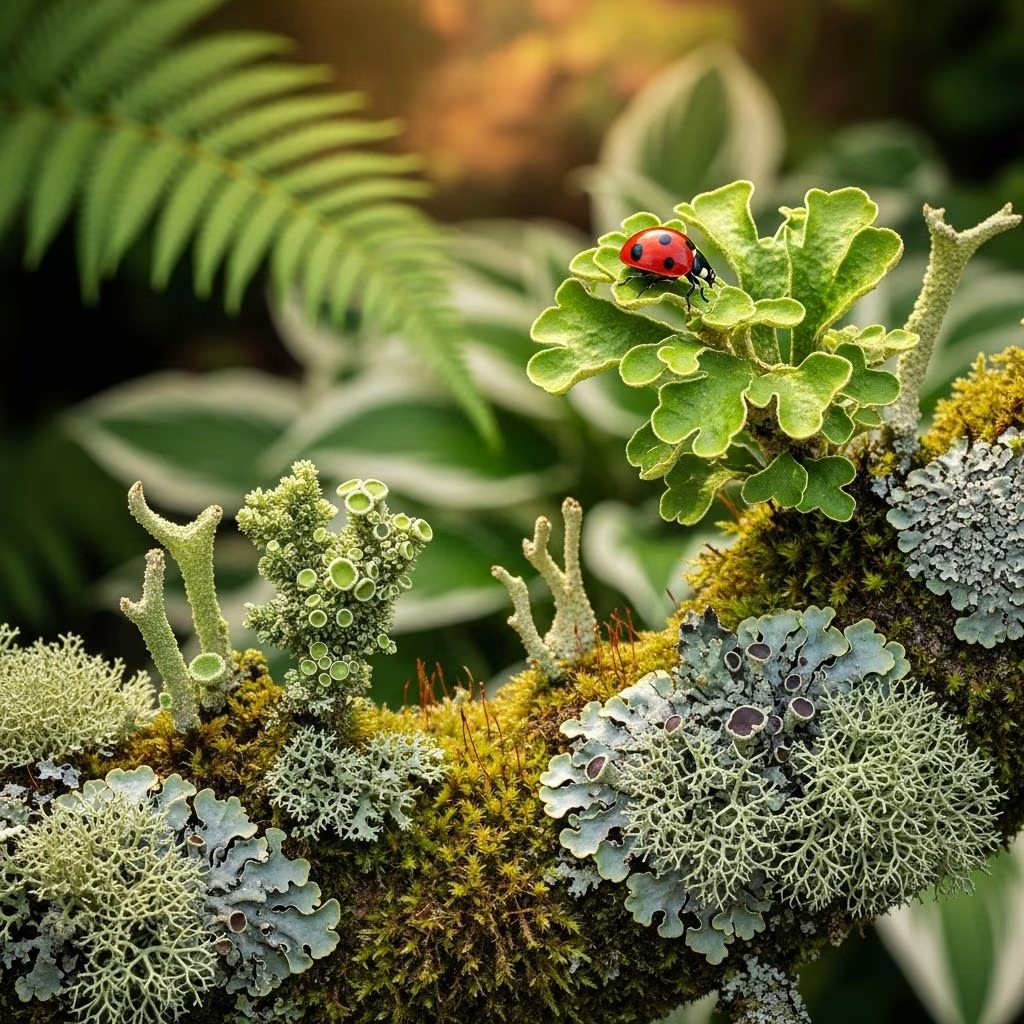
What Lichens Reveal About Your Garden’s Health
Lichens are often overlooked components of garden ecosystems, yet the presence, abundance, and types of lichens on trees, rocks, and other surfaces serve as important clues about the underlying health and environmental conditions of your garden. Despite their inconspicuous appearance—sometimes resembling a splash of color on bark or a patchy crust on stones—lichens provide silent signals that gardeners can use to better understand air quality, moisture levels, and even the condition of their plants.
Understanding Lichens: Nature’s Partnerships
Lichens are composite organisms formed by a symbiotic relationship between a fungus (which provides structure and protection) and either an alga or a cyanobacterium (responsible for photosynthesis). This partnership allows lichens to thrive in conditions that would be inhospitable to either organism alone, from cold stone surfaces to tree bark and even man-made structures.
- Symbiosis: Fungi supply structure, moisture retention, and shelter; algae or cyanobacteria produce food via photosynthesis.
- Distribution: Lichens live on every continent—on trees, rocks, soil, even mailbox posts.
- Environmental Survivability: Some lichens can photosynthesize even at -20°C.
Lichen Growth Forms: Spotting the Difference
Not all lichens are created equal; recognizing their growth forms can help gardeners interpret what they’re seeing:
- Crustose: Crust-like, appearing as if painted onto the surface; tightly attached and nearly impossible to remove. About 75% of species belong to this group.
- Foliose: Leafy or lobed, looks loosely attached.
- Fruticose: Shrubby, branch-like, often appears as small beards or tufts on trees.
Lichens: Harmless to Your Plants
One of the most persistent myths about lichens is that they harm or kill plants, especially trees and shrubs. However, scientific evidence has shown lichens are not parasitic and do not draw nutrients from their hosts. Instead, they merely use the surface for anchorage and photosynthesizing.
- No Parasitism: Unlike mistletoe, lichens do not extract nutrients from plants.
- Non-toxic: Lichens do not harm, kill, or weaken the trees or shrubs they occupy.
- Other Substrates: Lichen thrive on rocks, buildings, soil—places without any nutrients to steal.
Why Are Lichens Growing on Your Trees and Shrubs?
Large patches of lichen on your trees usually raise alarm bells for gardeners and homeowners. The truth, however, is that lichen presence is almost always a side effect, not the cause, of poor plant health. Lichens are more common on slow-growing, old, or stressed plants. Their appearance can signal environmental factors affecting plant vitality, such as:
- Low Growth Rate: Slow-growing or aging trees—like dogwoods, Japanese maples, oaks, pecans—may host lichens because they shed bark less frequently.
- Stressed Plants: Trees suffering from water stress, poor drainage, improper planting depth, insect attacks, or disease are more likely to support lichen.
- Canopy Decline: Reduced canopy density lets in more sunlight, fostering lichen growth.
If you find lichens on a tree that is also losing leaves, has dead twigs, or poor overall health, it is the plant’s condition—not the lichen—that is cause for concern. Lichens grow on healthy trees as well, but they tend to proliferate more when plants are weakened or environmental conditions permit greater sunlight penetration to the bark.
What Can Lichen Tell You About Air Quality?
Lichens are highly sensitive to air pollution, especially sulfur dioxide and nitrogen compounds. In urban areas or locations with poor air quality, certain lichen species disappear, while others thrive only where the air is clean. That makes lichens a powerful biological indicator for air quality:
- Clean Air: Abundant, diverse lichen populations often signal low pollution levels.
- Polluted Air: Absence or scarcity of lichens may reveal elevated pollution—particularly sulfur dioxide from industrial sources.
- Indicator Species: Some types of lichens are especially tolerant or sensitive, helping scientists monitor changes in air quality.
Should You Remove Lichens?
Since lichens don’t harm trees or shrubs, direct removal is unnecessary and often damaging. Scrubbing, scraping, or treating with chemicals (such as bleach or copper fungicide) is discouraged:
- No Removal Needed: Lichens add aesthetic character and pose no threat.
- Bleach Warning: Avoid using bleach to remove lichens—it can damage plant tissue and disrupt the landscape’s health.
- Copper Fungicide: While sometimes suggested, copper fungicide kills the fungal part only and does not solve the root problem (plant stress).
- Correct Plant Stress: The best solution is addressing the underlying health issues of the tree or shrub, not the lichen itself.
How to Promote Healthy Trees and Limit Lichen Growth
Rather than focusing on removing lichens, gardeners should assess and improve growing conditions to promote plant vigor, which in turn reduces lichen colonization:
- Ensure Proper Watering: Avoid over- or under-watering; check soil drainage.
- Planting Depth: Plant trees and shrubs at the correct depth to prevent root stress.
- Light Management: Maintain a healthy canopy to regulate sunlight penetration.
- Pest and Disease Monitoring: Regularly inspect for insects, disease, and environmental stressors.
- Avoid Unnecessary Chemical Applications: Chemicals do not address lichen issues and may harm your plants.
Lichens as Bioindicators: Tracking the Environment
Lichens’ sensitivity to changes in air quality, moisture, and sunlight makes them excellent bioindicators for environmental monitoring. From citizen science initiatives to academic research, lichens are used to:
- Map air pollution levels.
- Identify shifts in environmental health over time.
- Track urban versus rural ecological differences.
In the garden, their presence is a signal to slow down and observe—what are lichens telling you about your planting site’s microclimate, pollution levels, or management practices?
Table: Lichens vs. Common Tree Parasites
| Feature | Lichens | Mistletoe |
|---|---|---|
| Type | Symbiotic fungus-alga/cyanobacteria | True plant parasite |
| Nutrition Source | Photosynthesize, rely on air and rainwater | Extracts nutrients from host plant |
| Host Damage | None | Can weaken and sometimes kill host |
| Removal Recommended? | No, except for cosmetic reasons | Yes, to reduce harm |
Frequently Asked Questions (FAQs)
Q: Do lichens mean my tree is dying?
A: Not necessarily. Lichen growth is often seen on stressed or slow-growing trees, but lichens themselves do not cause tree decline.
Q: How do I get rid of lichens on my trees?
A: Chemical treatments and scrubbing are discouraged—they can harm your plant. Instead, address tree health through proper care, watering, and light management.
Q: Are lichens dangerous to people or pets?
A: No. Lichens are harmless to humans and animals. Some lichens are even used in dyes, foods, and medicines.
Q: Why are lichens only on certain trees in my yard?
A: Lichens prefer surfaces that aren’t frequently disturbed and have suitable light, moisture, and slow growth. Stressed or older trees often become favorable hosts.
Q: Can lyre grow on anything other than trees?
A: Yes. Lichens have evolved to grow on rocks, soil, brick walls, mailboxes, even tortoise shells.
Myths and Misconceptions About Lichens
- Myth: “Lichens kill trees.” Fact: Lichens do not cause harm to their host trees.
- Myth: “Lichens are a disease.” Fact: Lichens are not diseases but symbiotic organisms unrelated to infectious agents.
- Myth: “Bleach cures lichen infestations.” Fact: Bleach damages tree bark and can harm landscape health.
Embracing Lichens: Signs of a Diverse, Living Garden
In summary, lichens offer gardeners the opportunity to observe and respond to the changing conditions of a landscape, serving as both ecological indicators and visual evidence of the intricate relationships that sustain life. Their appearance should prompt curiosity, not alarm—most often, lichens signal slow growth or environmental stress that can be managed with careful stewardship of your garden’s resources.
By understanding what lichens truly indicate, you can enhance the health of your landscape and appreciate the subtle signs of vitality, cleanliness, and biodiversity that lichens represent. In many cases, a garden dotted with lichens is a garden blessed with clean air, balanced moisture, and a rich tapestry of microhabitats—an environment well worth celebrating.
References
- https://www.meadowsfarms.com/great-big-greenhouse-gardening-blog/lichen/
- https://hgic.clemson.edu/gardening-myths-lichens-kill-trees/
- https://site.extension.uga.edu/camdenanr/2021/03/lichens-and-what-they-mean-for-your-trees/
- https://www.treehuggerpod.com/episodes/biocrust-ecology
- https://www.bitesizedgardening.co.uk/lichen-complex-confusing-conundrums/how-to-dig-for-victory/
- https://www.youtube.com/watch?v=i3UndVWpAJ0
- https://hort.extension.wisc.edu/articles/lichens/


