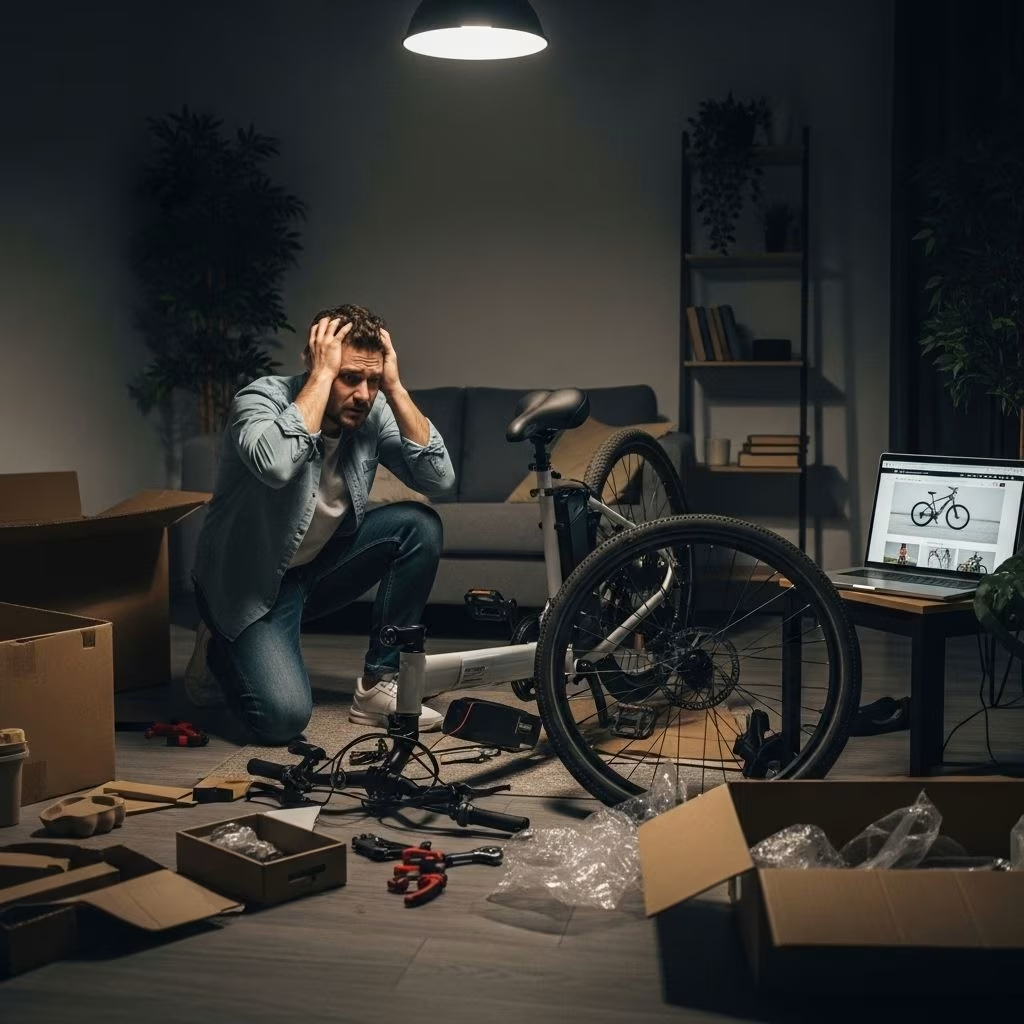
Why Buying an E-Bike Online May Be a Costly Mistake
With the rise in electric bicycle (e-bike) popularity globally, countless consumers turn to the Internet for what appears to be the best deal on their next mode of personal transportation. While online purchasing offers tantalizing savings and endless choices, the seemingly simple click-to-buy can hide significant drawbacks for buyers—and for the future of sustainable urban mobility. This article explores the main arguments and practical considerations around e-bike purchases, comparing online sales to local bike shop service, and highlighting why local expertise and maintenance are critical for this emerging transportation revolution.
The Temptation: Online Deals Are Hard to Ignore
Online e-bike retailers often market their products at significantly cheaper prices than physical stores. This is largely due to:
- No expenses for storefronts or property taxes.
- Reduced overhead: no in-person staff, minimal local marketing, and lower operational costs overall.
- Direct-to-consumer shipping from distribution warehouses, cutting out intermediaries.
A $2,499 e-bike bought over the Internet may offer specs that far outshine competing models in retail outlets, bringing higher speeds, larger wattage motors, and innovative features such as integrated throttles.
But, when purchasing online, what appears to be a good deal may expose riders to risks that far outweigh immediate savings.
The E-Bike Revolution: More than Just Cheap Mobility
E-bikes are not merely gadgets or toys—they represent a major shift in personal transportation. Advocates believe e-bikes can “eat cars” by replacing many urban car trips and even encouraging people to sell their vehicles to go bike-only. E-bikes reach city speeds (up to 28 mph for Class III models), travel long distances, and feature powerful drive systems, making them practical alternatives for commuters. Enthusiasts like Scott Kramer claim that modern e-bikes are so capable he swapped his car for full-time e-bike use.
For e-bikes to truly disrupt transportation, they must be taken seriously and maintained properly by trained professionals—not just sold cheaply online and treated as disposable equipment.
Key Problems with Buying an E-Bike Online
Several critical risks arise when opting for an Internet purchase over buying from a local dealer:
No Local Service, No Safety Net
- Assembly Quality: E-bikes purchased online frequently arrive partially assembled. Most buyers lack the expertise to safely finish the job, risking poor fit, dangerous electrical connections, or even frame instability.
- Limited or Non-Existent Post-Sale Support: If your e-bike develops problems, local shops may be reluctant to service brands sold exclusively online, especially if replacement parts are unavailable or models are unfamiliar.
- Warranty Hassles: Resolving warranties online can mean mailing the bike to a distant service center, negotiating with overseas support, or being left stranded by ambiguous return policies.
Long-Term Maintenance Matters
- Complex Electronics: E-bikes blend mechanical parts with sophisticated electrical components (motors, controllers, batteries). Routine bike shops are not always equipped to troubleshoot or repair these systems, especially if they don’t stock obscure online brands.
- Parts Availability: Internet-only models often lack a reliable pipeline for replacement parts. Proprietary components may become obsolete, leaving the bike unusable after minor failures.
- Professional Tuning: Local shops offer expert tuning, safety checks, and ongoing maintenance—services critical for vehicles expected to deliver thousands of miles over years, not disposable after a short spell.
Safety First: Why Expertise Is Essential
E-bikes are faster, heavier, and more complicated than conventional bicycles. Professional mechanics are trained to manage higher speeds, greater braking requirements, battery safety, and hundreds of moving parts. Assembly, electrical troubleshooting, and ongoing adjustment by experts minimize the risk of accidents, fires, or breakdowns that could leave a rider stranded.
The Upside of Local E-Bike Retailers
Buying locally offers advantages far beyond peace of mind. Consider:
- Test Rides: Try before you buy. See how the bike feels, fits, and handles under real conditions.
- Customization and Advice: Staff can recommend the best model for your needs, adjust components for comfort, and explain all operational details.
- Warranty Support: Defects and problems can be resolved on-site, minimizing downtime and frustration.
- Long-Term Relationships: Returning for tune-ups, battery replacements, or upgrades ensures the bike performs optimally for years.
Urban Infrastructure, Community, and Reliability
Local bike shops form the backbone of cycling culture and infrastructure. They support events, advocacy, and community engagement, championing healthier and more sustainable cities. When riders buy locally, they strengthen these networks—helping build safer streets, better bike lanes, and more resilient service ecosystems. Without this support, the move toward mass adoption of e-bikes risks undermining the very infrastructure needed to make bikes a car alternative for all.
Hidden Costs of the Lower Sticker Price
| Aspect | Online Retailer | Local Bike Shop |
|---|---|---|
| Initial Price | Lower | Higher |
| Shipping/Assembly Fees | Possible/Buyer responsibility | Usually included |
| Maintenance | Hard to access | Convenient, covered |
| Parts Availability | Limited | Reliable |
| Warranty Service | Remote, slow | Local, quick |
| Long-Term Reliability | Often uncertain | Consistent |
The lowest price may mean more hidden costs later: transport fees, service unavailability, unreliable warranty support, and even total loss if the bike is unfixable in your city. Saving a few hundred dollars up-front could result in far higher expenses—and frustration—over time.
E-Bikes and the Future of Urban Mobility
TreeHugger frequently highlights e-bikes as a central piece in reimagining cities: cleaner air, fewer cars, and more active, healthy citizens. But for the e-bike movement to succeed, bikes must be robust, repairable, and supported by experts.
- Unreliable equipment risks pushing frustrated owners back into cars or public transit.
- Non-standard, poorly supported models could clutter streets and waste resources, compromising sustainability goals.
- Local shops ensure cycling is safe, fun, and available to all—especially those not mechanically inclined.
Adopting e-bikes is about more than buying a machine; it’s about joining a movement to remake cities for people, not just cars.
Are All Online Purchases Bad? Exploring the Middle Ground
Some buyers argue that local shops offer too few choices or high prices. While online shopping opens the door to more models and innovation, wise buyers can strike a balance by:
- Researching brands with strong local dealer networks—even if ordering online, prioritize companies known for reliable service and support.
- Verifying local service centers before committing; some direct-to-consumer brands actively partner with neighborhood shops.
- Choosing mainstream components whenever possible to improve parts availability and service flexibility.
Ultimately, the safest bet for most buyers is partnering with a reputable local retailer, combining choice with expertise and ongoing support.
Frequently Asked Questions (FAQs)
Q: Is buying an e-bike online always a bad idea?
A: Not always—some buyers with deep mechanical knowledge and access to parts may thrive. However, most riders experience greater safety, service, and satisfaction buying from local shops or at least purchasing strong service-backed online brands.
Q: Are e-bikes hard to maintain or repair?
A: Compared to conventional bicycles, e-bikes require specialized training and equipment, especially for batteries, motors, and electronics. Routine shops may not service obscure or proprietary online models.
Q: Can I get exercise on an e-bike, or is it less healthy?
A: Studies show e-bike riders get as much exercise as cyclists using conventional bikes, thanks to longer distances and more frequent use. E-bikes encourage more trips, making them a healthy alternative to driving or transit.
Q: What should I look for if buying an e-bike online?
A: Check for a strong local service network, mainstream parts compatibility, clear warranty policies, and positive user reviews for reliability. Never ignore the issue of long-term support.
Q: How do I know which e-bike is right for my needs?
A: Visiting a local shop offers hands-on fitting, advice, and real-world testing—benefits that make the right choice much easier and safer.
Actionable Advice for Prospective E-Bike Buyers
- Prioritize service: Ensure any e-bike you buy can be locally maintained and repaired. Ask shops about their support for online brands before buying.
- Try before you buy: Test ride several models locally and online (at demo centers) to evaluate comfort, handling, and overall fit.
- Read warranty details: Scrutinize warranty and return policies; avoid unclear or remote-only service arrangements.
- Support your community: Remember, money spent locally helps build infrastructure and culture vital to long-term cycling success.
Conclusion: The True Cost of E-Bike Convenience
The convenience and affordability of buying an e-bike online are appealing, but beneath the surface lie risks that can jeopardize your long-term satisfaction, safety, and the broader vision for cycling in cities. By investing in local expertise, embracing professional service, and nurturing sustainable urban mobility, riders can ensure the e-bike revolution delivers on its promises—without costly mistakes.
References
- https://camdencyclists.org.uk/2019/09/why-i-think-buying-an-e-bike-online-is-a-really-bad-idea-treehugger/
- https://blog.twike.com/treehugger-the-hyper-efficient-twike-human-electric-hybrid-vehicle/
- https://camdencyclists.org.uk/2019/09/why-buying-an-e-bike-online-is-not-as-bad-as-i-thought-treehugger/
- https://pedegoelectricbikes.ca/should-you-buy-an-electric-bicycle/
- https://forums.electricbikereview.com/threads/study-finds-that-e-bike-riders-get-as-much-exercise-as-riders-of-regular-bikes.29249/
- https://electricbikereport.com/recommended-websites/