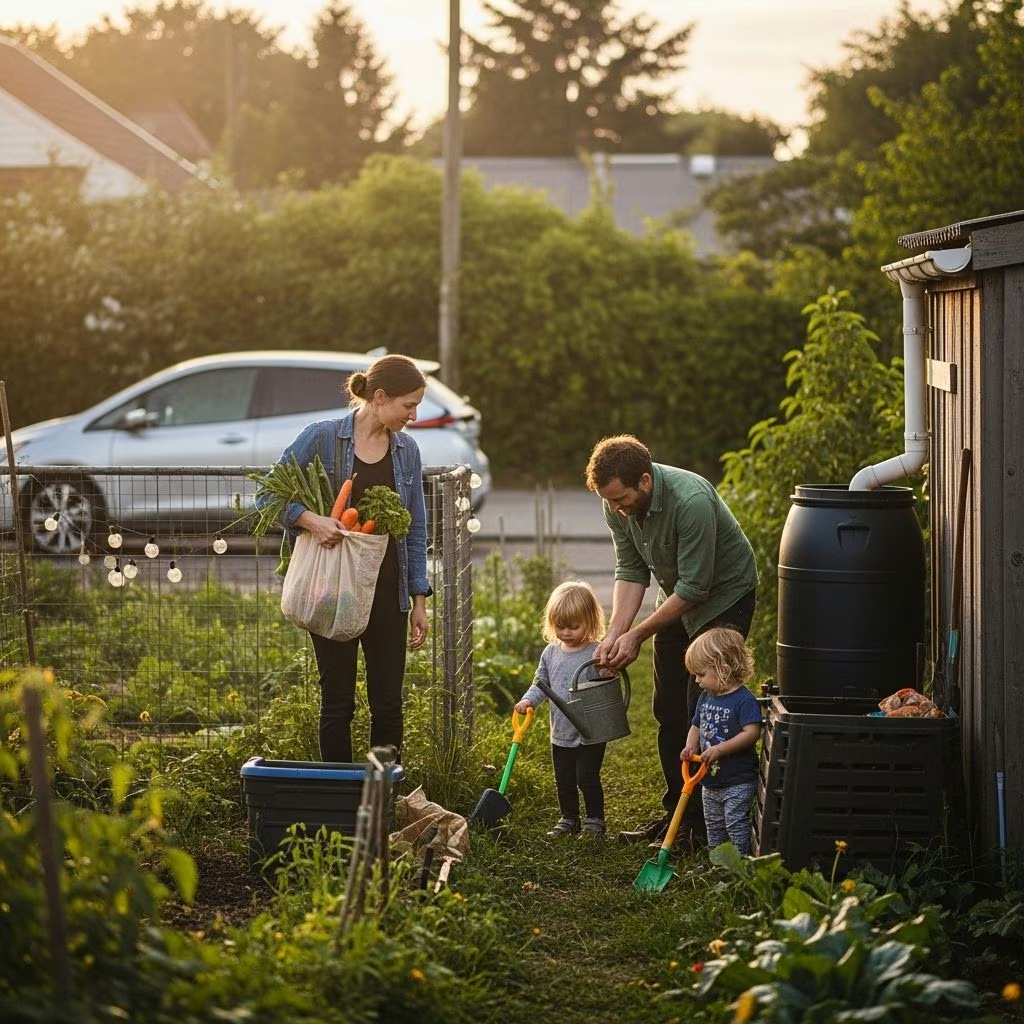
Why Raising a Family Makes Low-Carbon Living More Complicated
Adopting a low-carbon lifestyle is challenging for anyone, but parents of young children face unique, often overlooked hurdles. Choices many singles or couples can make with relative ease—like biking, living in small spaces, or traveling lightly—become more complex when you add kids into the mix. This article delves into why sustainable living can be tougher for families, illustrates these challenges with real-world scenarios, and discusses how systemic changes could help families lower their carbon footprints without sacrificing their quality of life.
Making Sustainable Choices: Single vs. Family Life
For solo adults or couples, low-carbon living can mean embracing public transit, smaller apartments, and conscious consumption. Such decisions directly reduce personal emissions and environmental impact. But when children enter the picture, many of these choices become logistically or emotionally daunting. From strollers to after-school activities and the need for more space, parents often find themselves in a bind where the best environmental decision is at odds with everyday family realities.
Key Sustainability Strategies and Their Family Barriers
Common low-carbon strategies include:
- Living in Small Spaces: Compact housing reduces energy usage and carbon emissions, especially when located near work and amenities. Yet managing toys, gear, and the need for safe play areas often pushes families toward larger homes or suburban settings.
- Using Active or Public Transport: Biking, walking, or using buses and trains is effective at cutting carbon emissions. For families, transporting infants, gear, and multiple children can make these options infeasible or stressful.
- Reducing Consumption: Owning less and buying only what’s necessary is easier without children, but kids quickly accumulate clothes, gear, and gadgets, some of which are non-negotiable for safety or development.
Though every family’s situation is different, these three areas illustrate how raising children can conflict with common personal sustainability tactics.
How Parenthood Changes the Sustainable Living Game
Bringing children into your household catalyzes a cascade of life changes, often increasing your environmental impact in ways that are difficult to avoid:
- Space Needs Grow: Children need room to play, sleep, and socialize. Even parents committed to minimalism may find themselves expanding their square footage, which typically means greater energy and resources devoted to heating, cooling, lighting, and maintenance.
- Mobility Gets Complex: Hauling young children, with strollers and supplies, makes cycling or public transit tough. Car dependency often sneaks back in, especially where infrastructure is poor or distances are long.
- Extra Stuff Accumulates: From car seats and high chairs to ever-changing wardrobes, the avalanche of equipment feels hard to avoid. Hand-me-downs and secondhand options help—but supply doesn’t always match need.
- Finding Time and Energy: Most parents are pressed for time; sustainable routines like meal planning, bulk shopping, or hand-washing clothes may be impractical amid work, school, and childcare schedules.
These constraints mean that even families who want to be climate-friendly can feel boxed in by the realities of modern parenting, work, and cultural expectations.
Household Size vs. Carbon Footprint: A Comparative Table
| Household Type | Typical Space Needed | Mobility Needs | Relative Carbon Footprint |
|---|---|---|---|
| Single adult | Small (studio/1-bed) | Flexible (bike/transit/walk) | Low |
| Couple (no kids) | Small to medium | Flexible, often car-free | Low to moderate |
| Family with children | Medium to large | Complex (often car needed) | Moderate to high |
Real-World Challenges: Housing, Transport, and Consumption
Housing: Size Matters, and Location Too
Living sustainably often means living small and close to daily needs. However, affordable, family-sized units are rare in compact urban neighborhoods. Many families are priced out of walkable, transit-oriented districts and instead move to car-dependent suburbs where energy use and emissions inevitably rise. The difficulty in finding suitable, affordable, and sustainable family housing creates a cycle where families must choose between their ideals and practicality.
Transportation: The Car Conundrum
Public transportation infrastructure in most places is designed without families in mind. Many transit routes lack stroller-friendly options; schedules may not work with children’s routines. Hauling bikes, car seats, or groceries with kids in tow can be daunting. For many parents, the time-saving and stress-reducing benefits of car ownership outweigh the environmental guilt—particularly when alternatives are unsafe, unreliable, or simply nonexistent.
The Consumption Dilemma
From frequent clothing changes (children outgrow everything quickly) to endless gear and birthday parties, waste and accumulation are almost inevitable. While hand-me-downs and consignment are common, cycles of consumerism driven by marketing and social expectations pose a major challenge.
The Limits of Individual Action: Why Systemic Change Is Essential
As powerful as individual actions are, parents soon discover that social, economic, and policy systems shape their real options more than sheer willpower or green ambition. For example:
- Urban Design Favors Cars: Most modern cities and suburbs are built around car travel, making it hard for families to go car-free even if they want to.
- Housing Shortages and Zoning: Limited supply of large, affordable, efficient family apartments pushes families to energy-inefficient single-family homes.
- Time Scarcity: Systemic issues such as lack of paid family leave, affordable childcare, or flexible work schedules reduce the feasibility of green daily routines.
- Economic Pressures: High costs for sustainable products (like organic food or eco-friendly gear) and limited secondhand markets in some areas raise the barriers for families.
Why Systemic Shifts Matter More Than Guilt
Placing the burden solely on parents hides the reality that much of the environmental impact is baked into housing markets, transportation infrastructure, and consumer culture. Blaming individuals for “failing” to make green choices, when the game is rigged against them, is not only unfair but also ineffective. Instead, system-level interventions can make greener choices the easy and default ones for all families.
Supporting Families on the Path to Sustainability
Tackling high-carbon family life requires more than personal resolve. Here are critical systemic interventions and community supports that could dramatically ease the burden:
- Urban Policy: Incentivize the construction of family-friendly, energy-efficient apartments and townhouses in walkable neighborhoods.
- Safe Mobility: Invest in protected bike lanes and family-friendly public transportation, making it safer and easier for families to choose alternatives to cars.
- Flexible Work: Encourage businesses to adopt family-friendly policies like remote work, flexible hours, and adequate parental leave, reducing time and transportation pressures.
- Secondhand Marketplaces: Facilitate robust, accessible platforms for sharing, renting, or trading kids’ items, reducing the waste and cost of rapid growth cycles.
- Community Design: Promote mixed-use neighborhoods, which place schools, parks, and shops within walking or cycling distance, cutting out unnecessary car trips and helping families connect.
Examples of Effective Systemic Actions
- Dense, mixed-use developments that offer three-bedroom apartments, playgrounds, and proximity to transit hubs.
- Bikeways designed for parents with child trailers and inclusive transit policies that welcome strollers, bikes, and gear.
- Incentives for developers to build high-quality, energy-efficient housing that accommodates family needs without excess space.
Frequently Asked Questions
Q: Can families really go car-free?
A: While it’s possible in select urban centers with safe, reliable transit and good walkability, most families will struggle without a car until infrastructure, policy, and development catch up to their needs.
Q: How can families cut down on waste from kids’ stuff?
A: Sharing economies—such as community swaps, buy-nothing groups, and robust consignment stores—are vital. However, supporting policies and platforms are needed to make these options more available and convenient.
Q: Is it better for the planet to not have children at all?
A: Reducing population growth can play a role in mitigating climate impact, but the carbon footprint per child varies dramatically by location and lifestyle. Systemic changes—as opposed to placing all responsibility on individual family planning—are more equitable and effective in solving the root causes.
Q: What’s the biggest way society can help families live sustainably?
A: Broad, inclusive urban design and policy reforms—such as more affordable family housing in sustainable neighborhoods, better transport, and flexible workplace policies—offer the most impact.
Q: What small steps can a busy parent take right now?
A: Start by joining or forming local sharing groups for baby gear, supporting walkable school zones, and advocating for safer transport options in your neighborhood. Every bit helps, but community action multiplies those efforts.
Conclusion
While raising children inevitably complicates efforts to live a low-carbon life, the barriers are largely systemic—not personal. The path to sustainable family living involves not just personal commitment, but collective advocacy for cities, policies, and markets that support the needs of families and the planet. Through thoughtful design, equitable policy, and strong communities, low-carbon lifestyles can become both accessible and sustainable for families of all shapes and sizes.
References
- https://www.brikbase.org/sites/default/files/COTE_researchfellow_2010.pdf
- https://thefifthestate.com.au/articles/less-is-more-for-treehuggers-graham-hill/
- https://lloydalter.substack.com/p/why-a-symposium-on-embodied-carbon
- https://ecooptimism.com/?tag=treehugger
- https://laurafenton.substack.com/p/the-ultimate-tree-hugger