5 Best Stretches for Groin Pain: A Comprehensive Guide
Groin pain can be an uncomfortable issue that affects your daily life and limits your participation in physical activity. Whether youre an athlete, an exercise enthusiast, or someone experiencing tightness from everyday movement, understanding the causes of groin discomfort and stretching the surrounding muscles effectively can help you recover and prevent future injuries. This article explores the groin region, provides five expert-recommended stretches for pain relief and flexibility, and includes practical tips, common questions, and a summary of the latest advice from sports health professionals.
Understanding Groin Pain: Why Stretching Matters
The groin region is located between your abdomen and thighs and is home to five major muscles: pectineus, gracilis, adductor magnus, adductor longus, and adductor brevis. These muscles collaborate to allow a full range of motion in your legs. Groin pain most often occurs due to:
- Muscle strain from sudden movement or overuse, such as during sports or vigorous activities
- Poor warm-up or skipping stretching before exercise
- Prolonged sitting, resulting in tightness and reduced flexibility
- Underlying injury or repeating stress to the region
According to physical therapists, regular stretching can help loosen tight muscles, relieve soreness, and improve hip mobility, while strengthening exercises make the groin area more resilient and less prone to future injuries. In practice, a combination of gentle stretching and gradual strengthening is key to a healthy recovery.
How to Stretch Safely: Tips for Best Results
- Warm Up First: Always start with a light activity such as walking or cycling before stretching.
- Stretch Regularly: Consistency is crucial; aim for two to three sessions per week.
- Hold Each Stretch: Maintain each position for at least 20–30 seconds, breathing deeply throughout.
- Go Slow: Never bounce or force the stretch. Stop if you feel sharp pain.
- Balance Both Sides: Ensure you stretch both legs equally to avoid imbalances.
- Consult a Professional: If pain persists or worsens, see a healthcare provider for a personalized plan.
The 5 Best Stretches for Groin Pain
Here are the five essential groin stretches recommended by physical therapist Mark Vorensky, PT, DPT, SCS. These movements are designed to release the hip flexors, improve muscle flexibility, and serve as a foundation for future strengthening exercises.
1. Side Lunge Groin Stretch
Why it helps: This lunge targets the innerthighs while building strength as the muscle lengthens—a technique known as eccentric training, which boosts flexibility and function.
- How to do it:
- Stand with feet together and hands at your hips.
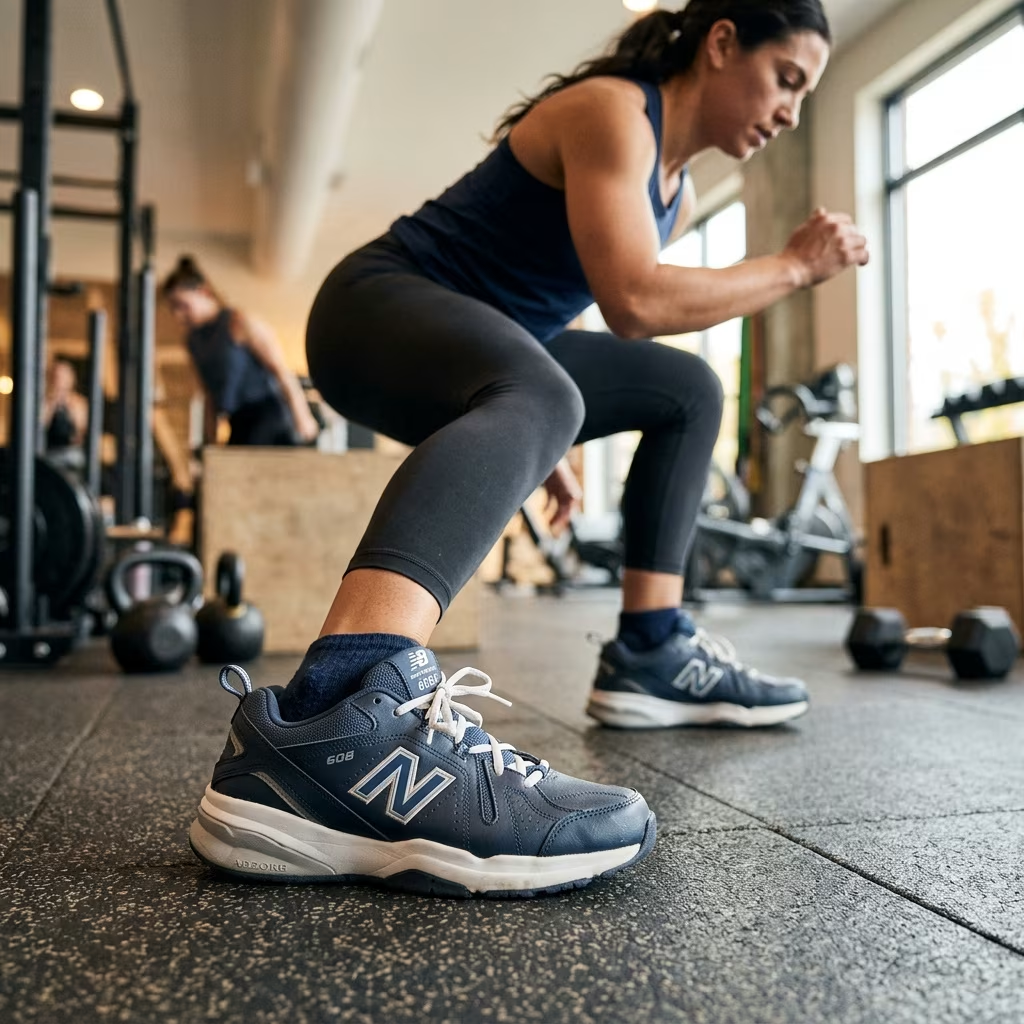
- Step out to the right with your right foot, bending your knee and lowering your hips until your thigh is parallel to the floor.
- Keep toes of both feet facing forward to engage the groin muscles fully.
- Press through your right foot to return to standing.
- Perform 6–10 reps on each leg, 2–3 sets, resting 30–60 seconds between sets.
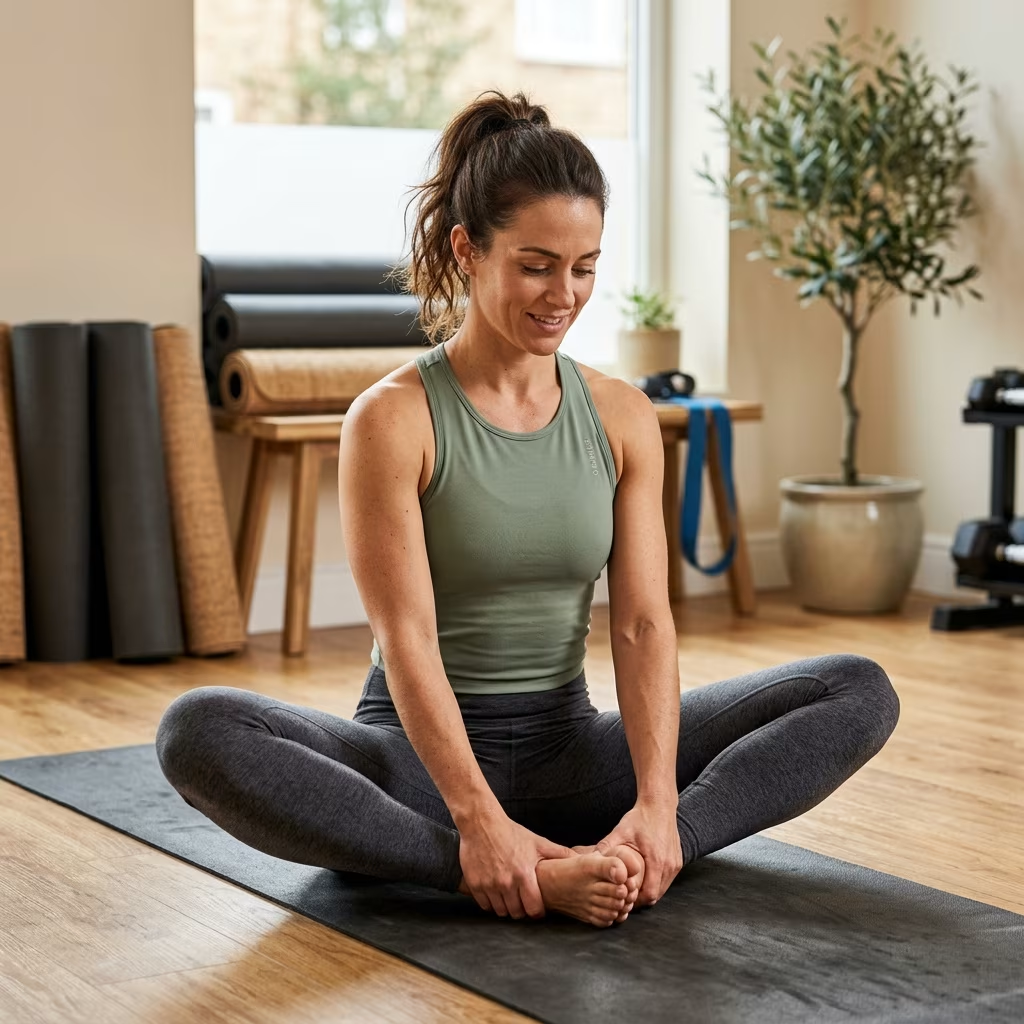
2. Simple Isolated Short Groin Stretch (Butterfly Stretch)
Why it helps: This classic stretch opens up the groin area and encourages release after activity, perfect for cooling down after your workout.
- How to do it:
- Sit on the floor upright with your legs bent, bringing the soles of your feet together in front of you.
- Hold your feet, then gently press your knees toward the floor using your elbows. Dont force the stretch—increase the intensity gradually across 30 seconds.
- Relax, rest for 30 seconds. Repeat 3–5 sets.
3. Kneeling Hip Flexor and Groin Stretch
Why it helps: This stretch targets both the hip flexors and adductors, which play a major role in groin tightness and flexibility.
- How to do it:
- Kneel on your right knee with your left foot in front, creating a 90-degree angle with both knees.
- Gently press hips forward, feeling a stretch in the front of your right hip and groin.
- Keep your torso upright and avoid arching your back.
- Hold for 30 seconds, switch legs, repeat 2–3 times per leg.
4. Wide-Leg (Frog) Stretch
Why it helps: This deep stretch improves hip and groin flexibility and can be particularly beneficial for those with limited mobility.
- How to do it:
- Kneel on hands and knees, then slowly widen your knees while keeping your feet in line with your knees.
- Support your upper body with your forearms or palms, and gently sink your hips backward until you feel a stretch inside your thighs.
- Breathe deeply, holding for 20–30 seconds. Repeat up to three times.
5. Leg Swing Dynamic Stretch
Why it helps: This movement is an effective warm-up, activating the adductors and increasing hip joint mobility to help prevent groin injuries.
- How to do it:
- Stand next to a wall or sturdy support, placing one or both hands on it.
- Stand tall and shift your weight to your left leg.
- Keeping your torso straight, gently swing your right leg side-to-side across your body, moving within a comfortable range of motion.
- Continue for 30 seconds, then switch legs. Perform up to three sets per leg.
Sample Groin Stretching Routine Table
| Stretch Name | Recommended Sets | Recommended Repetitions/Hold Time | Best Used For |
|---|---|---|---|
| Side Lunge Groin Stretch | 2–3 | 6–10 reps per side | Strength, Flexibility |
| Butterfly Stretch | 3–5 | Hold 30 seconds | Cooldown, Flexibility |
| Kneeling Hip Flexor Stretch | 2–3 | Hold 30 seconds per side | Hip Flexibility, Mobility |
| Frog Stretch | 2–3 | Hold 20–30 seconds | Deep Flexibility |
| Leg Swing | 3 | Swing 30 seconds per side | Dynamic Warm-Up, Injury Prevention |
Extra Recovery Tips for Groin Pain
- Combine With Strengthening: Gradually add strengthening moves like resisted hip adductions or balance drills to enhance resilience over time.
- Rest Appropriately: Allow sore or injured muscles time to recover, and avoid aggravating activities until youre pain-free.
- Use Ice or Heat: Ice can reduce swelling after injury; heat helps relax tight muscles during ongoing rehabilitation.
- Listen to Your Body: If a stretch makes pain worse, stop and consult a specialist.
Frequently Asked Questions (FAQs) About Groin Stretches
Q: How often should I stretch for groin pain?
A: Most experts recommend stretching sessions two to three times per week for maintenance. If youre actively recovering from an injury, daily gentle stretching may be helpful—but always listen to your body and rest if pain increases.
Q: Should I do groin stretches before or after workouts?
A: Its ideal to combine both: use dynamic stretches (like leg swings) before activity to warm up, and finish with static holds (like the butterfly or frog stretch) to cool down. This approach helps prevent injury and promote flexibility.
Q: What are the signs that groin pain needs medical attention?
A: Seek professional care if you have sudden severe pain, swelling, a popping sound at injury, inability to walk, or if pain persists after two weeks of home care. Such symptoms may indicate a more serious tear or condition that requires medical diagnostics.
Q: Can I do these stretches if I am pregnant?
A: Many gentle groin stretches are suitable when pregnant, but you should consult with your obstetrician or a physical therapist before beginning any new exercise program to ensure safety and modify as needed for your body.
Q: Why is strengthening important after groin stretches?
A: Stretching increases flexibility and reduces muscle tightness, but strengthening the adductors, hip flexors, and core helps support these gains and reduces the risk of recurring injuries by stabilizing the pelvis and improving motion mechanics.
Summary: Take Control of Your Groin Health
Groin discomfort is a common but addressable obstacle for athletes and everyday movers alike. Incorporating targeted stretches—such as the side lunge, butterfly, hip flexor, frog, and leg swing—can reduce pain, boost flexibility, and lay a foundation for stronger, healthier movement overall. Remember, recovery is a gradual process, and pairing these stretches with a gradual strengthening program will help you get back to your active lifestyle safely and confidently. Always consult with a qualified healthcare provider when in doubt, and tailor your stretching routine to your personal needs and fitness goals.
References
- https://www.sports-health.com/video/leg-swing-stretch-prevent-groin-pain-video
- https://www.prevention.com/fitness/fitness-tips/g23121158/stretches-for-groin-pain/
- https://www.hingehealth.com/resources/articles/groin-stretches/
- https://pmc.ncbi.nlm.nih.gov/articles/PMC8482255/
- https://www.healthline.com/health/groin-strain-exercises
- https://www.prevention.com/fitness/g30642718/how-to-become-more-flexible/
- https://www.prevention.com/fitness/fitness-tips/a65252950/walking-stretches-prevent-injuries/
- https://www.menshealth.com/fitness/a42419344/groin-stretches/
- https://www.youtube.com/watch?v=6sLC_x1tUT0
- https://pmc.ncbi.nlm.nih.gov/articles/PMC7872466/