Embarking on a weight loss journey can feel overwhelming, but careful planning can set you up for lasting success. This 7-day weight loss preparation guide is designed to help you develop mindful habits, organize your environment, and cultivate the right mindset before you even shed your first pound. Whether you’re new to weight management or rebooting your health goals, these step-by-step strategies will remove guesswork and position you for sustainable progress.
Introduction: Why Preparation Matters
Weight loss is more than following a diet. It’s about orchestrating your environment, behaviors, and attitudes to make healthy choices automatic. Preparation minimizes temptations, boosts motivation, and helps you anticipate roadblocks before they occur. This week-long guide focuses on one crucial aspect each day so you can approach weight loss with confidence, intention, and clarity.
Day 1: Establish a Winning Weight Loss Mindset
Mindset forms the backbone of every successful transformation. Start your first day by cultivating self-acceptance and compassion. Recognize that progress is not always linear and setbacks are natural. Focus not just on weight, but on health, energy, and confidence. Reflect on your motivations by answering:
- Why do I want to lose weight beyond appearance? (health, mobility, energy, mood)
- What has held me back in the past? How might I overcome those barriers this time?
- What does success look and feel like in a year?
Write your answers in a notebook or journal. These will keep you anchored in your “why” on tough days.
Core Mindset Techniques:
- Practice daily affirmations. Repeat positive statements like “I am capable of making lasting changes.”
- Visualize your success. Imagine yourself feeling confident, energized, and proud post-transformation.
- Embrace imperfection. Commit to consistency, not perfection. Every step forward builds strength.
Day 2: Set Realistic Goals and Track Baselines
Clear, achievable goals create a roadmap for your journey. On Day 2, identify your starting point and where you want to go.
Key Steps:
- Track your initial stats: Weigh yourself, record body measurements (waist, hips, chest, arms, legs), and consider taking a progress photo.
- Set SMART goals:
- Specific: “I want to lose 10 pounds.”
- Measurable: “I will log my meals daily.”
- Achievable: “I’ll walk 30 minutes 5x a week.”
- Relevant: “Supports my health and energy.”
- Time-bound: “Reach my target in 10 weeks.”
- Choose how you’ll track progress: Apps, journals, or simple checklists can all work. Consistency matters most.
- Anticipate barriers: List potential obstacles and at least one solution for each (e.g., “No time to cook” → “Batch prep simple freezer meals”).
Day 3: Clean Out Your Pantry and Kitchen
Your environment can nudge you toward success—or sabotage it. Eliminate triggers that might derail your progress and make healthy choices easy to access.
Steps for a Kitchen Makeover:
- Remove: Sugary snacks, processed foods, soda, baked goods, and other high-calorie, low-nutrient convenience foods. Donate unopened items if possible.
- Keep or Restock:
- Whole grains (brown rice, quinoa, oats)
- Lean proteins (chicken, turkey, tofu, fish, eggs)
- Legumes and beans (lentils, black beans, chickpeas)
- Low-fat dairy (yogurt, cottage cheese)
- Fresh and frozen vegetables
- Fresh and frozen fruits
- Nuts and seeds, in portion-controlled amounts
- Organize: Stock healthy snacks in plain sight (apple slices, pre-portioned nuts, veggie sticks, Greek yogurt). Put tempting foods out of reach or remove entirely.
Pantry/Fridge Staples Table:
| Category | Examples | Why Keep? |
|---|---|---|
| Whole grains | Oats, quinoa, brown rice | Fiber for fullness and steady energy |
| Lean proteins | Chicken breast, tofu, Greek yogurt | Builds/repairs muscle, keeps you full |
| Produce | Broccoli, carrots, bell peppers, apples, berries | Vitamins, minerals, antioxidants |
| Healthy fats | Avocado, olive oil, almonds | Satisfies hunger, supports brain health |
Day 4: Build Your Meal Plan and Grocery List
Thoughtful meal planning reduces stress and ensures you’re never caught off guard by hunger. A balanced meal should include protein, healthy fats, complex carbs, and fiber. When designing your plan, consider your tastes, time, and schedule.
Sample Day Meal Structure:
- Breakfast: Omelet with spinach and tomatoes, whole-grain toast, and fruit
- Snack: Greek yogurt with berries
- Lunch: Grilled chicken salad with mixed veggies, beans, and vinaigrette
- Snack: Baby carrots and hummus
- Dinner: Salmon with quinoa and roasted broccoli
Tips for a Healthy Grocery List:
- Shop the perimeter: This is where produce, meats, and dairy live.
- Bulk buy staples: Rice, oats, beans, and frozen produce can help you create meals quickly.
- Limit impulse buys: Stick to your list and avoid processed snacks, sugary beverages, and pastries.
- Plan for variety: Mix up fruits and vegetables by season to keep meals interesting.
Day 5: Meal Prep for the Week Ahead
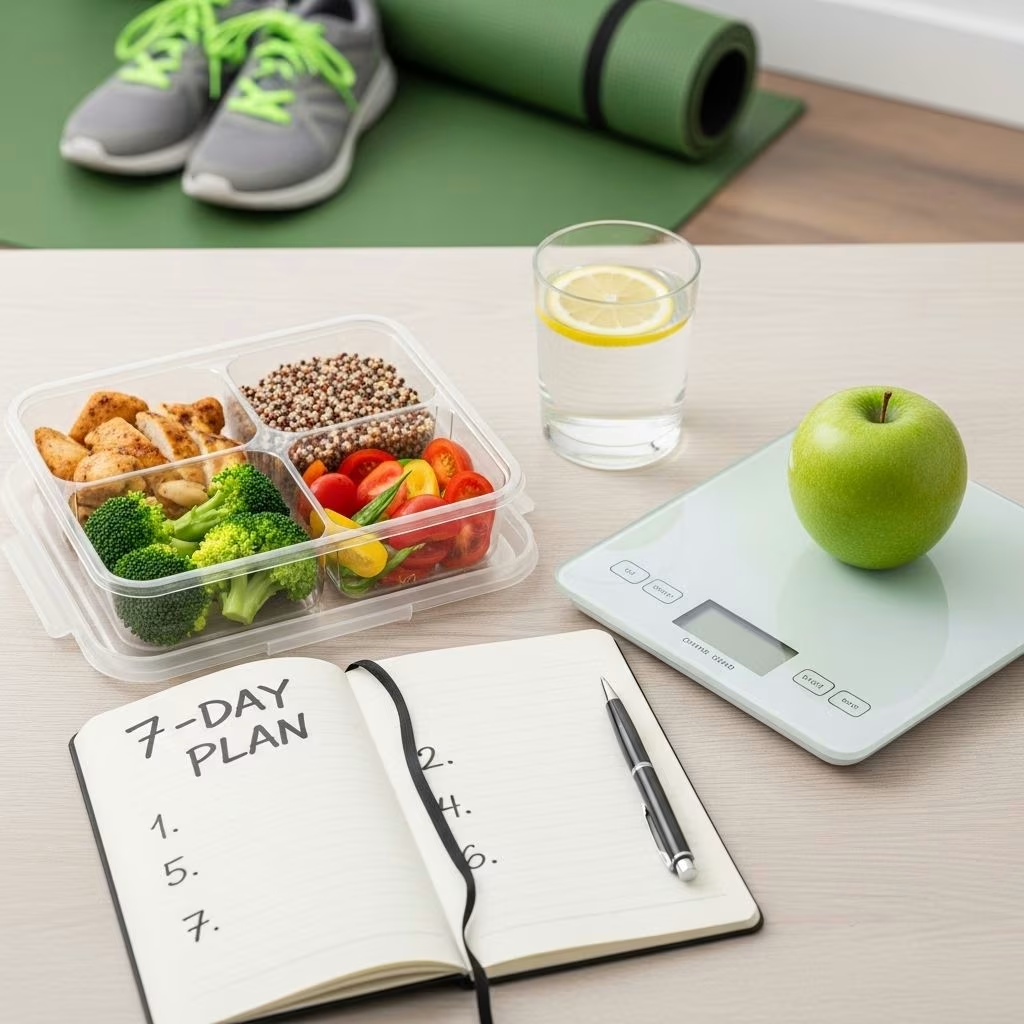
Investing a couple of hours in meal prep can save you time and reduce the temptation to order in. Batch-cooking ensures you always have healthy options available, even on your busiest days.
How to Meal Prep Like a Pro:
- Pick a prepping day: Sundays and Wednesdays work for most, but choose any day that fits your schedule.
- Batch-cook basics: Bake or grill extra chicken breasts, roast a pan of vegetables, cook a large portion of brown rice or quinoa.
- Pre-portion snacks: Slice fresh veggies and portion nuts into grab-and-go bags.
- Try overnight meals: Overnight oats or mason jar salads are easy, travel well, and reduce morning stress.
- Label and store: Use containers to keep prepared foods fresh and organized. Label with dates and meals.
Easy Recipes to Prep Ahead
- Chili made with lean ground turkey and kidney beans
- Roasted sweet potatoes and brussels sprouts
- Sheet pan lemon-herb salmon
- Egg muffin cups with spinach, tomatoes, and feta
Day 6: Design Your Activity and Movement Plan
Exercise isn’t only for burning calories—it improves mood, sleep, and metabolism, and helps maintain muscle during weight loss. On Day 6, plan how you’ll move your body, considering both structured workouts and general daily activity.
Tips for Kickstarting Movement:
- Set a daily step goal: 7,000–10,000 steps is a common range.
- Try different workouts: Walking, jogging, strength training, yoga, swimming, dance—what matters most is consistency.
- Schedule your sessions: Block workout windows in your calendar as you would any other important appointment.
- Incorporate movement snacks: Stand up and stretch every hour, take afternoon walks, or do a quick set of bodyweight exercises during TV commercials.
Beginner Sample Weekly Activity Plan
| Day | Activity |
|---|---|
| Monday | 30-minute brisk walk |
| Tuesday | Bodyweight strength circuit |
| Wednesday | Yoga for 20 minutes |
| Thursday | 30-minute jog or dance workout |
| Friday | Rest or light stretch |
| Saturday | Nature hike or team sport |
| Sunday | Meal prep and gentle walk |
Day 7: Set Up Support and Accountability Systems
A solid support network can make the difference between giving up and pushing through setbacks. On the final prep day, connect with allies and resources to cheer you on.
Strategies to Build Support:
- Share your goals: Let family, friends, or coworkers know what you’re working on and why it matters.
- Join a group: Online forums, in-person classes, or weight loss programs can provide accountability and camaraderie.
- Partner up: Find a workout buddy or a friend to exchange meal photos with for motivation.
- Leverage technology: Use apps or wearable devices to track habits and celebrate milestones.
- Plan rewards: Celebrate each small victory, not just the final goal. Rewards might include new workout gear, a healthy cookbook, or a relaxing massage.
Frequently Asked Questions (FAQs)
Q: What if I slip up during my first week?
A: Progress isn’t about being perfect but being persistent. Aim to return to your plan at the next opportunity. Small setbacks won’t undo your preparation or progress.
Q: How many calories should I eat to lose weight?
A: Calorie needs differ by age, sex, body size, and activity. Most guidelines recommend a deficit of 500 calories per day for slow, sustainable weight loss. For most women, this typically means 1,200–1,500 calories daily, and 1,500–1,800 for men, but individual needs may vary. Consult a healthcare professional or dietitian for tailored advice.
Q: Are cheat meals allowed?
A: Incorporating the occasional treat is fine and can actually support long-term adherence, so long as it doesn’t turn into a “cheat weekend.” Focus on balance rather than strict restriction. Savor indulgences mindfully.
Q: I have a busy schedule. Can I still follow this guide?
A: Absolutely. The 7-day plan is designed to help you preempt obstacles like lack of time by prepping meals ahead and simplifying routines. Short, high-quality sessions of activity also work if you’re pressed for time.
Q: How soon will I see results?
A: Results will vary, but many people notice improved energy, sleep, mood, and digestion within the first week of healthy changes. Visible weight loss usually follows with consistent habits over a few weeks.
Conclusion: Ready, Set, Succeed!
Taking a whole week to prepare may seem like a lot, but it lays the groundwork for a smoother, more confident weight loss journey. Approach each day’s assignment as an investment in your health and happiness. Remember, your journey is uniquely yours—so celebrate every win, big or small. Step into your new routine with optimism and commitment, and let your preparation fuel the transformation ahead!
References
- https://www.womenshealthmag.com/weight-loss/a42112641/7-day-meal-plan-for-weight-loss/
- https://www.medicalnewstoday.com/articles/weight-loss-meal-plan
- https://pharmeasy.in/blog/the-detailed-7-days-gm-diet-plan-for-weight-loss/
- https://www.prevention.com/fitness/a37857801/7-day-weight-loss-preparation-guide/
- https://www.prevention.com/food-nutrition/g29474793/weight-loss-meal-plan/
- https://www.cdc.gov/healthy-weight-growth/losing-weight/index.html