High temperatures and exertion can put anyone at risk for heat exhaustion or the more life-threatening heat stroke. Understanding the differences between these dangerous heat illnesses, their symptoms, and the right response can make a crucial difference for your health—and even save lives.
Why It’s Important to Know the Difference
Every summer, heat-related illnesses send thousands of people to emergency rooms. Heat exhaustion can progress to heat stroke, a true medical emergency, if not recognized and treated quickly. Recognizing subtle symptoms and knowing when to seek help is vital, especially during heat waves or outdoor activities.
Understanding Heat Exhaustion vs. Heat Stroke
Both heat exhaustion and heat stroke are caused by the body’s inability to regulate temperature when exposed to high heat or prolonged activity. However, their severity, warning signs, and treatment differ significantly.
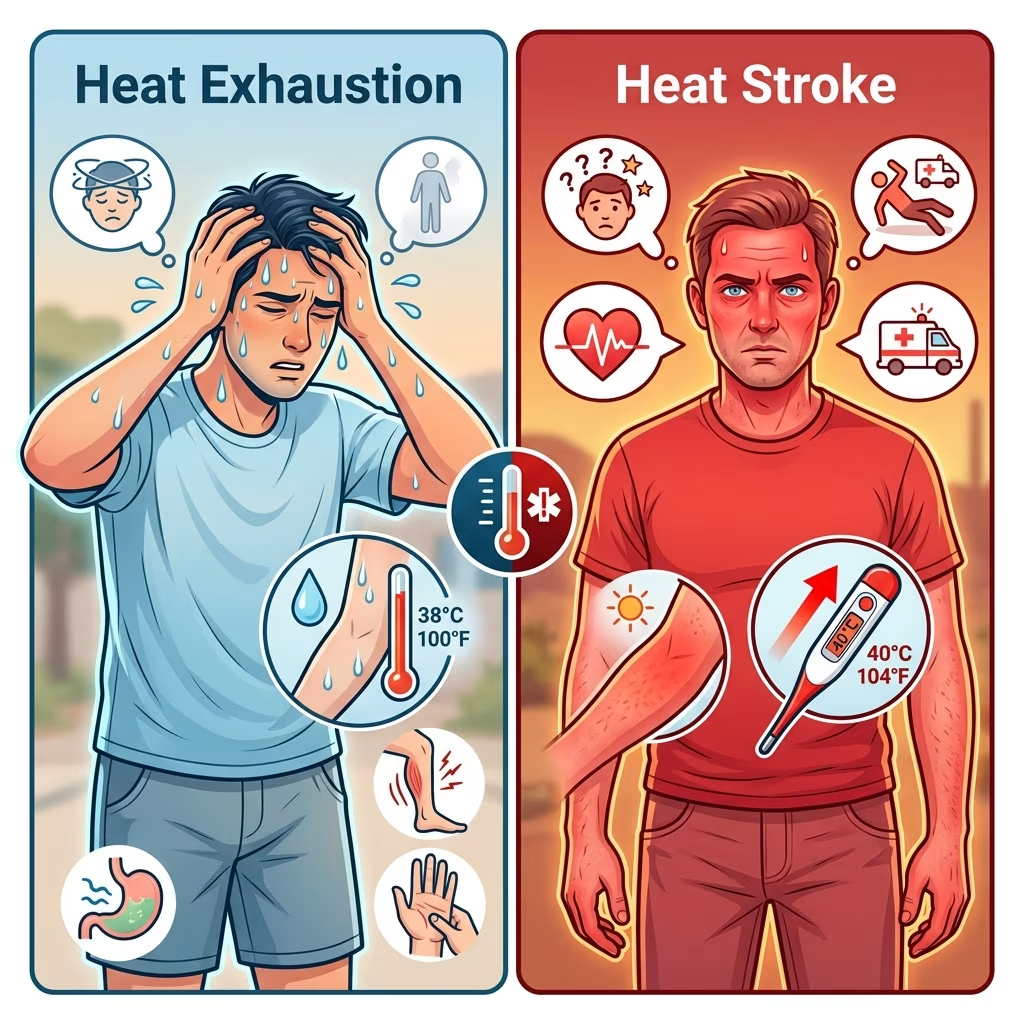
| Feature | Heat Exhaustion | Heat Stroke |
|---|---|---|
| Body Temperature | 101–104°F (38.3–40°C) | Above 104°F (40°C) |
| Skin Appearance | Pale, moist, cool, clammy | Hot, flushed, dry or moist |
| Sweating | Heavy sweating | Decreased or absent sweating |
| Mental State | Anxiety, dizziness, headache | Confusion, delirium, possible loss of consciousness |
| Other Key Symptoms | Cramps, fainting, weak pulse, nausea | Seizures, rapid heart rate, vomiting |
| Emergency Level | Serious, can progress | Life-threatening, medical emergency |
What Is Heat Exhaustion?
Heat exhaustion occurs when your body overheats, typically after exposure to high temperatures combined with dehydration and extreme physical activity. Sweating, your body’s natural cooling mechanism, can lead to rapid fluid and electrolyte loss in these conditions.
Symptoms of Heat Exhaustion:
- Heavy sweating
- Weakness or fatigue
- Dizziness or lightheadedness
- Headache
- Muscle cramps
- Nausea or vomiting
- Cool, pale, clammy skin
- Rapid, weak pulse
- Agitation or confusion
- Excessive thirst
People suffering from heat exhaustion often feel faint or may actually pass out. While heat exhaustion is less serious than heat stroke, it must be addressed immediately to prevent escalation.
What Is Heat Stroke?
Heat stroke is a severe medical emergency that occurs when the body’s temperature rises above 104°F (40°C) due to failure of the body’s temperature control system. At this stage, sweating may stop completely, and vital organs like the brain can overheat, leading to lasting damage or death if untreated.
Symptoms of Heat Stroke:
- Body temperature above 104°F (40°C)
- Hot, dry, sometimes flushed skin
- Reduced or absent sweating
- Confusion, disorientation, or agitation
- Loss of consciousness or fainting
- Rapid, strong pulse
- Seizures
- Shortness of breath
- Hallucinations, slurred speech
- Decreased urine output, sometimes blood in urine or stool
Anyone showing signs of heat stroke should receive immediate emergency care. Call 911 right away if you suspect heat stroke; it can be fatal if not rapidly managed.
Key Differences at a Glance
- Heat exhaustion includes heavy sweating, clammy skin, and extreme fatigue; it can progress to heat stroke if untreated.
- Heat stroke occurs when the body’s cooling mechanisms fail, causing a dangerous rise in core temperature, confusion, and often absence of sweating.
- Heat stroke develops rapidly and can occur even without prior symptoms of heat exhaustion.
Causes and Who Is Most at Risk?
Both heat illnesses stem from your body’s inability to manage rising temperature, but certain conditions increase the risk:
- Hot/humid environments: Outdoor work, sports, or even being indoors without air conditioning during heat waves.
- Exertion: Strenuous activity increases the body’s heat production.
- Dehydration: Not drinking enough fluids impairs the body’s ability to cool down.
- Age: Young children and adults over 65 are more vulnerable.
- Health conditions: Heart, lung, or kidney disease, obesity, diabetes, or being on certain medications (e.g., diuretics, antihistamines).
- Alcohol use: Impairs the body’s ability to regulate temperature.
What to Do: First-Aid for Heat Exhaustion
Act quickly at the first signs of heat exhaustion to prevent progression:
- Move the person to a cool, shaded, or air-conditioned area.
- Remove excess clothing and lay the person down, elevating the legs slightly.
- Apply cool, wet cloths or offer a cool shower if possible.
- Encourage sipping cool water or electrolyte beverages (avoid caffeine or alcohol).
- Loosen tight clothing and use a fan to increase evaporation if available.
If the person’s symptoms do not improve within 30 minutes, begin to worsen, or they start showing signs of heat stroke, seek medical attention immediately.
Emergency Response for Heat Stroke
- Call 911 immediately.
- Move the person to a cool environment as quickly as possible.
- Remove unnecessary clothing to help cool the body.
- Apply ice packs or cold, wet towels to the armpits, groin, neck, and back—these areas have major blood vessels close to the skin.
- Fan the person vigorously, and consider immersion in cool (not ice-cold) water if safe and feasible.
- Do not: Offer fluids if the person is confused, unconscious, or unable to swallow safely.
- Monitor breathing and pulse, and be prepared to offer CPR if necessary.
Complications: Why Immediate Action Matters
Both conditions can result in serious complications, but heat stroke is especially dangerous. Without rapid intervention, heat stroke can cause:
- Permanent brain damage
- Organ failure (kidneys, liver, heart, muscles)
- Coma
- Death
Early recognition, prompt cooling, and medical care are crucial for survival and recovery.
How to Prevent Heat Illness
Most heat-related illnesses are preventable with proper planning and attention to early warning signs. Adopt these strategies:
- Stay Hydrated: Drink water regularly, even if you don’t feel thirsty. Consider sports drinks during intense activity in the heat.
- Take Breaks: Schedule regular rest in cool, shaded, or air-conditioned areas.
- Avoid midday heat: Exercise or do outdoor work early in the morning or after sunset.
- Wear Appropriate Clothing: Lightweight, loose-fitting, light-colored clothes help disperse heat.
- Use Sunscreen: Avoid sunburn, which impairs your body’s ability to cool itself.
- Monitor High-Risk Individuals: Keep an eye on children, older adults, and those with chronic illnesses.
- Check the Weather: Pay attention to local heat advisories and humidity levels.
- Never Leave Anyone in a Parked Car: Even with windows cracked, temperatures can soar to fatal levels within minutes.
Common Myths and Facts About Heat Illness
- Myth: You only get heat stroke after hours in the sun.
Fact: Heat stroke can develop rapidly in hot environments, even without prolonged sun exposure or while indoors. - Myth: You’ll always be able to tell you’re overheating.
Fact: People may not recognize the severity of their symptoms, especially with confusion or altered mental state. - Myth: Pouring ice-cold water on a heat stroke victim is always safe.
Fact: Ice-cold water can cause shivering, which generates more body heat. Focus on gradual cooling and seek expert guidance.
Frequently Asked Questions (FAQs)
Q: How fast can heat stroke occur?
A: Heat stroke can develop very quickly—sometimes in under an hour, especially during intense activity in hot, humid conditions or for those most at risk.
Q: When should I go to the hospital for heat-related illness?
A: If symptoms of heat exhaustion do not improve after cooling down and rehydrating within 30 minutes, or if symptoms of heat stroke, like confusion, loss of consciousness, or lack of sweating appear, seek emergency care immediately.
Q: Can pets get heat stroke?
A: Yes, pets are susceptible to heat stroke. Signs include excessive panting, drooling, weakness, and collapse. Never leave pets in parked cars and always provide access to shade and water.
Q: What are the long-term effects of heat stroke?
A: Survivors may face lasting organ damage, neurological effects, or increased sensitivity to heat in the future. Full recovery depends on the speed and effectiveness of emergency intervention.
Takeaway: Act Fast, Stay Safe in the Heat
Recognizing the early warning signs, knowing the differences between heat exhaustion and heat stroke, and having a clear action plan are your best defenses during summer months and extreme heat events. Stay vigilant, keep yourself and loved ones hydrated and cool, and don’t hesitate to seek medical help—you could save a life.
References
- https://healthcare.ascension.org/blog/2022/06/heat-stroke-vs-heat-exhaustion
- https://health.clevelandclinic.org/heat-exhaustion-vs-heat-stroke
- https://www.healthline.com/health/heat-stroke-vs-heat-exhaustion
- https://www.medicalnewstoday.com/articles/321972
- https://health.ucdavis.edu/blog/cultivating-health/is-it-heat-exhaustion-or-heat-stroke-here-are-the-symptoms-to-watch-for/2024/07
- https://www.unchealthsoutheastern.org/about-us/news/2025/staying-safe-in-the-heat-understanding-the-difference-between-he/
- https://my.clevelandclinic.org/health/diseases/21812-heatstroke
- https://www.cdc.gov/niosh/heat-stress/about/illnesses.html