Exercising in the City: How Urban Air Pollution Impacts Your Health
Urban exercise routines offer a convenient path to fitness, but air pollution presents unique and underappreciated health risks for city dwellers. As more people lace up their sneakers and hit busy streets or parks, it’s crucial to understand how airborne pollutants interact with physical activity—and how to best safeguard your well-being while staying active.
Urban Exercise: A Double-Edged Sword?
Cities provide endless routes for runners, cyclists, and walkers, but they also concentrate pollutants like ozone, particulate matter (PM2.5 and PM10), and nitrogen oxides—substances known to harm both lung and heart health. With over 135 million Americans living in areas with unhealthy air, understanding this intersection is no longer optional for those committed to their health.
Physical activity is undeniably beneficial—reducing risks for cardiovascular disease, diabetes, obesity, and some cancers. But when exercise coincides with poor air quality, the net impact may not always be positive, especially at high levels of pollution or intense activity.
What Happens When You Exercise in Polluted Air?
Working out increases your breathing rate and depth, drawing more air (and pollutants) into your lungs. During vigorous activity you may breathe through your mouth rather than your nose, bypassing natural filtration and delivering more airborne particles directly to the lungs. Over time, this increased exposure can contribute to both acute symptoms and longer-term problems:
- Short-term effects: cough, shortness of breath, chest tightness, eye/nose/throat irritation, reduced exercise capacity
- Long-term effects: chronic lung disease, accelerated decline in lung function, increased risk of heart attacks, stroke, or even lung cancer
How Intensity and Duration Change the Risk
The more intensely you exercise, the greater the volume of air—and thus pollution—you inhale each minute. For instance, sprinting or high-paced cycling can double or triple your exposure compared to walking the same route. Duration matters too: The longer you spend in polluted air, the higher your cumulative dose of contaminants becomes.
| Exercise Intensity | Breathing Volume | Pollution Dose |
|---|---|---|
| Low (walking) | Modest | Lower |
| Moderate (jogging) | Increased | Moderate |
| High (sprinting/cycling) | Significantly higher | Highest |
Pre-existing Conditions: When the Risks Multiply
For those with asthma, chronic obstructive pulmonary disease (COPD), or cardiovascular disease, even light activity during high pollution can trigger severe symptoms. Studies show that underlying conditions heighten sensitivity to air pollutants, making smart timing and location choices even more critical.
Air Pollution Types and Their Health Impact
- Ozone (O3): Major irritant, especially harmful during summer. Increases airway inflammation, asthma attacks, and reduces exercise capacity.
- Particulate Matter (PM2.5, PM10): Tiny particles penetrate deeply into lungs, enter the bloodstream, raise risk for heart attacks and strokes.
- Nitrogen Dioxide (NO2) & Sulfur Dioxide (SO2): Traffic-related, damaging to airways and linked to respiratory disease flare-ups.
Do the Benefits of Exercise Outweigh the Risks?
The good news: for most people, in most urban environments, the health benefits of regular exercise usually outweigh the detriments of pollution exposure. Significant international research shows that—even in cities with moderate to high pollution—achieving the recommended 150 minutes per week of physical activity yields net positive outcomes, thanks to strong reductions in chronic disease risk.
However, this ‘benefit window’ does have limits. In extremely polluted cities (average PM2.5 over 100 µg/m³), health experts advise curtailing long or intense outdoor sessions to minimize cumulative risk. For example:
- Johannesburg (PM2.5 ~51 µg/m³): Up to 5 hours cycling per day is considered “safe.”
- Delhi (PM2.5 over 100 µg/m³): Health risk from air pollution begins to outweigh exercise’s benefits after just 45 minutes of cycling per day.
- London (PM2.5 ~16 µg/m³): For most people, nearly any amount of daily outdoor exercise provides net benefit.
Always consider your personal health, intensity, and local air quality when deciding how much—and how hard—to exercise outside.
Strategies to Reduce Risk: Smarter Urban Exercising
Even in cities with regular pollution spikes, you can protect yourself and maintain your fitness routine by making smart adjustments:
- Check daily air quality before you head out. Look for local Air Quality Index (AQI) readings, and avoid strenuous activity on “unhealthy” days.
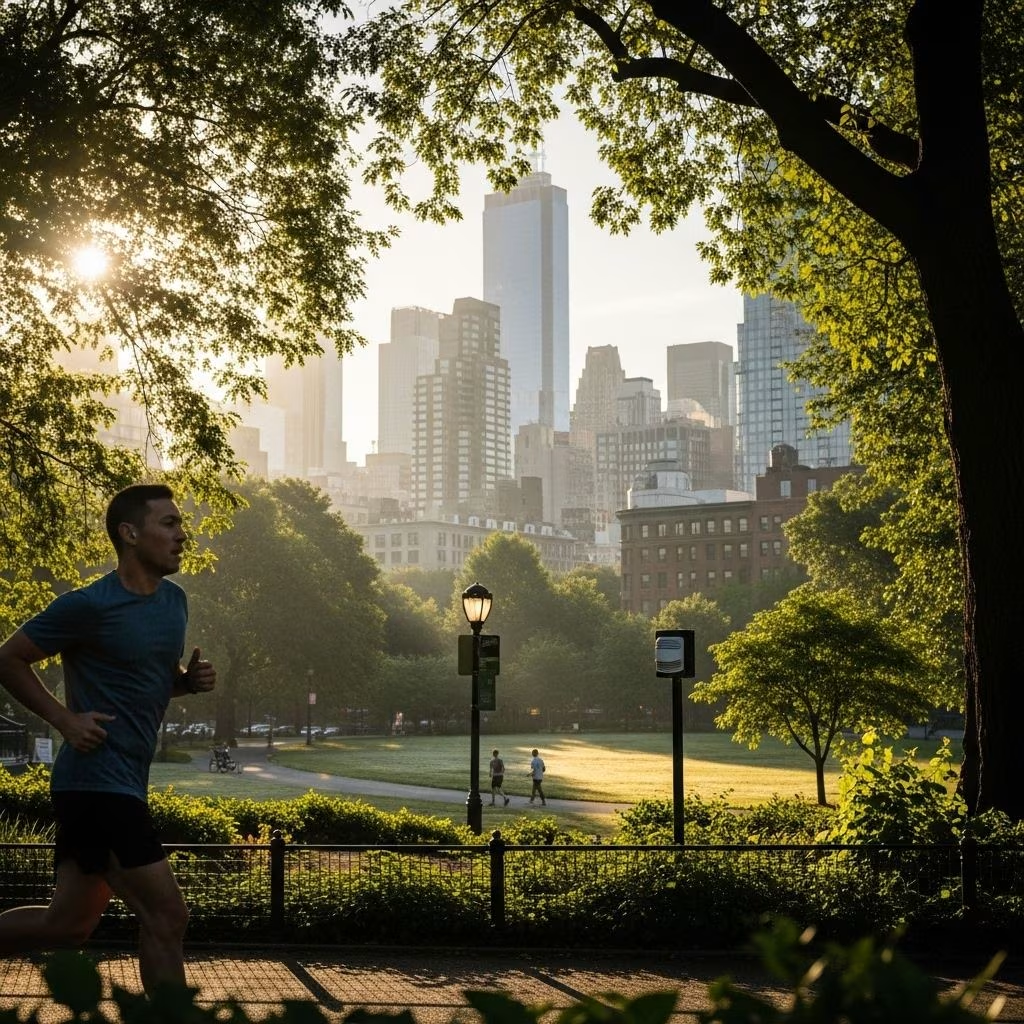
- Timing matters. Exercise early in the morning or later in the evening when air tends to be cleaner (and traffic lighter). Avoid working out during afternoon rush hours or on days with “ozone alerts.”
- Stick to parks or green belts away from traffic. Open spaces and vegetation help filter pollutants and reduce direct exposure.
- Shorten and lower the intensity of workouts on high-pollution days. Opt for a brisk walk or gentle jog instead of a hard long run or intense cycling session.
- Breathe through your nose whenever possible. Nasal breathing helps filter out larger particles and reduces pollutant intake.
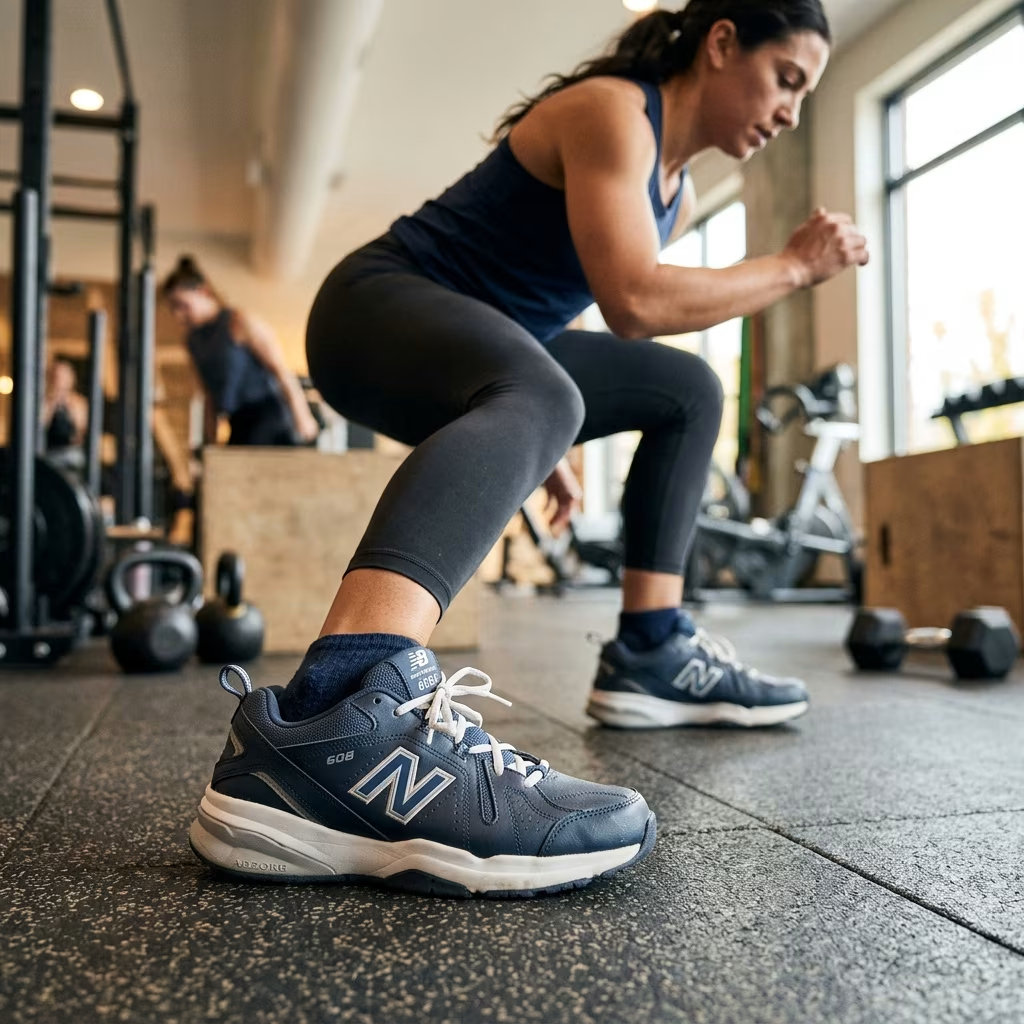
- Exercise indoors when air is dangerous outside. Use gyms, home workouts, or even mall walking to stay active on “bad air” days.
- Listen to your body. Stop exercising at the first sign of coughing, chest tightness, dizziness, or trouble breathing.
Who Should Be Extra Cautious?
Certain populations require additional vigilance:
- Children: Still-developing lungs are more susceptible to damage. Time play and sports away from high-traffic times and areas.
- Older adults: Natural lung function decline increases risk. Favor indoor workouts during air quality alerts.
- Pregnant women: Greater risk for both mother and fetal development. Low-pollution timing and locations are best.
- Individuals with heart or lung disease: Consult a physician before starting or continuing outdoor workouts when pollution is high.
Frequently Asked Questions (FAQs)
Q: Will wearing a mask protect me from air pollution during exercise?
Some masks—particularly those rated N95 or higher—can filter certain particles when properly fitted, but most cloth or surgical masks provide little protection against PM2.5 or gases. Masks may also hinder breathing during intense activity, so it’s best to prioritize timing, location, and workout intensity for risk reduction.
Q: Can air pollution actually reduce my fitness or performance?
Yes. Both acute and chronic exposure to air pollutants can lower lung capacity, decrease endurance, and increase recovery time. For athletes and regular exercisers, this may mean slower progress or even regression if exposure is sustained and high.
Q: Is it better to exercise at low intensity for longer or higher intensity for a shorter period on polluted days?
Higher intensity significantly increases pollutant intake, so experts often recommend lower-intensity, shorter-duration outdoor workouts during poor air quality events, or switching to indoor exercise.
Q: Are green spaces in cities really safer than sidewalks or streets?
Parks, tree-lined areas, and green belts usually have reduced concentrations of airborne pollutants compared to roads with dense traffic. Whenever possible, plan your workouts in these areas for cleaner air and lower risk.
Expert Tips: Maximizing Exercise Benefits While Minimizing Pollution Risks
- Use real-time air quality apps to time your workouts more safely.
- Choose routes with minimal traffic lights or congestion, reducing your time spent inhaling traffic emissions.
- Shower after outdoor workouts to remove pollutants from your skin and hair.
- Support local policies and initiatives that promote cleaner transportation and green urban spaces—they benefit all city exercisers over the long term.
Summary Table: Best Practices for Urban Exercisers
| Concern | Strategy |
|---|---|
| High AQI/”Bad Air” Days | Exercise indoors, reduce intensity, or reschedule |
| Long urban workouts | Shorten duration, pick early/late hours, use parks |
| Existing health conditions | Consult your physician, be extra cautious |
| Uncertainty about air quality | Check daily local AQI or use air quality smartphone apps |
Key Takeaways
- Urban exercise offers enormous physical and mental benefits, but pollution does change the health equation—especially for vulnerable groups or those doing intense, prolonged activity.
- Maximize benefits by exercising during times and in places where air is cleaner, and scale back on poor air quality days.
- Your awareness and simple adjustments to routine can go a long way to keeping your lungs (and heart) safe as you stay fit in the city.
Further Reading and Resources
- American Lung Association: Up-to-date AQI reports and air quality basics
- U.S. Environmental Protection Agency (EPA): AirNow.gov for real-time, city-by-city pollutant monitoring
- World Health Organization (WHO): Global urban air pollution statistics and health guidelines
References
- https://www.lung.org/blog/running-outside-air-pollution
- https://www.smithsonianmag.com/science-nature/you-can-exercise-outdoors-even-most-polluted-cities-science-says-180959296/
- https://www.epa.gov/sciencematters/should-you-exercise-outside-air-pollution
- https://pmc.ncbi.nlm.nih.gov/articles/PMC11009369/
- https://www.tcmevents.org/post/air-quality-running-and-outdoor-exercise
- https://pmc.ncbi.nlm.nih.gov/articles/PMC8248992/
- https://acsm.org/air-pollution-outdoor-exercise/