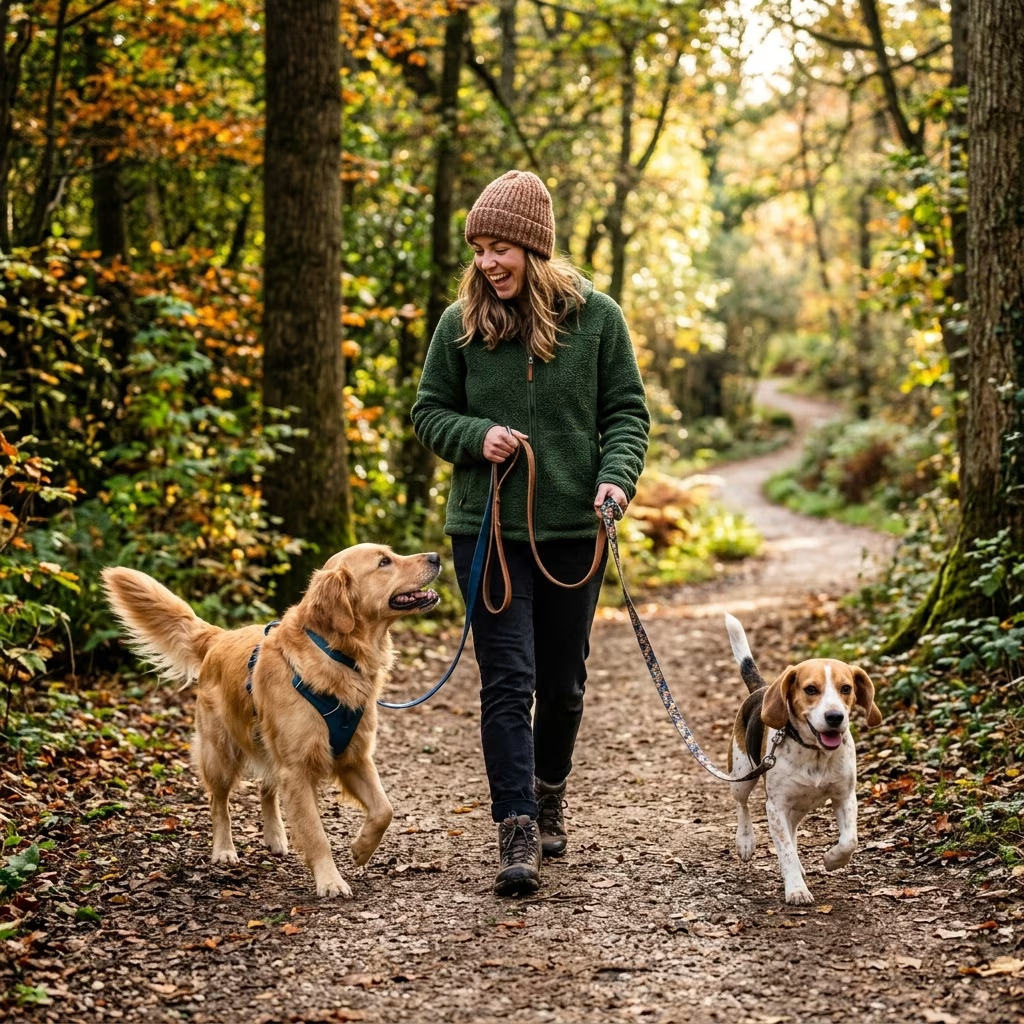
Walking with Dogs: How Daily Walks Bring Joy, Health, and Connection
Daily dog walks can be so much more than a simple exercise routine. For many, including Liz Welch, a passionate dog owner, these walks have shaped decades of physical, emotional, and social well-being. Here, we explore how walking with dogs transforms ordinary days into extraordinary moments—infusing life with joy, health, and deep connection.
How It All Began: Liz Welch’s Journey with Her Dogs
For Liz Welch of Bonita Springs, Florida, walking started as something she did for her dogs. Over 30 years and through the companionship of seven furry friends, daily walks evolved into a personal ritual of happiness, mindfulness, and reflection. Welch, now 60, shares, “Walking with my dogs has been a wonderful experience. I’m married but don’t have children, so these dogs have been my life. Walking started as exercise for them, but has turned into so much more.”
Her first canine companion, a Yorkshire terrier named Benson, ignited this journey. Moments with Benson—like the day he gently interacted with a hummingbird—taught Welch about the unexpected wonders waiting on every walk. Each of her dogs since has added unique joy, from the show-stopping charm of Walter (her “Brad Pitt” Yorkie) to Dibby’s love for music-accompanied strolls.
Every Dog Leaves Its Mark: Memorable Walking Moments
- Benson: Displayed sweet curiosity, forging magical connections with wildlife.
- Walter: Drew the admiration of passerby and other dogs, turning walks into lively social events.
- Henry: Walked regally, with a proud, horse-like gait—reminding Liz of the individuality of each dog.
- Dibby: Finds serenity in rhythmic melodies, inspiring Welch to play music during their adventures.
These stories illustrate a universal truth for dog owners: Each pet brings fresh perspective and meaning to every shared walk.
The Many Benefits of Walking with Your Dog
Physical Benefits for Humans and Dogs
- Improved Fitness: Walking helps maintain a healthy weight and boosts cardiovascular health for both people and pets. Dogs especially benefit from regular exercise, which prevents obesity and its associated health risks, such as liver disease and osteoarthritis.
- Stronger Joints: Older dogs (and people) keep their joints limber through gentle, low-impact walking, reducing the risk of stiffness and arthritis.
- Digestive and Urinary Health: Scheduled walks support healthy digestion and regular elimination for dogs, reducing risks like constipation and bladder infections.
- Cardiac Protection: Research shows daily dog walks can reduce the owner’s risk of heart attack and stroke, increasing overall longevity.
Mental and Emotional Well-Being
- Daily Joy: Owners report that dog walking is a source of happiness, peace, and relaxation, often providing a ‘reset’ during stressful days.
- Mental Stimulation: New sights, smells, and sounds keep a dog’s mind active, while the changing scenery and spontaneous events enrich the human experience.
- Reducing Anxiety: Routine walks channel a dog’s energy and reduce boredom, which can otherwise lead to restless or destructive behaviors. For humans, the rhythmic act of walking lowers cortisol and anxiety levels.
- Mindfulness Opportunities: Walking a dog forces a pause from screens and daily demands, creating a space for presence and gratitude—qualities Welch experiences daily.
Building Bonds and Social Connections
- Unbreakable Bonds: The simple act of walking together is cited as the strongest way to deepen attachment between dogs and their owners. Routine walks build trust, reinforce good behavior, and teach owners to read and respond to their dog’s unique cues.
- Socialization: On walks, dogs encounter new people and pets, learning positive interaction skills. Owners also often develop social ties with fellow walkers—a phenomenon also observed by Welch as her dogs made friends along their routes.
- Neighborhood Familiarity: Regular walks help owners feel more connected to their communities, creating a sense of place and increased safety.
How Dogs Transform Ordinary Walks into Extraordinary Experiences
Every walk with a dog is an adventure waiting to unfold. For Liz Welch, moments big and small—from Dobbie’s enthusiasm for music to quiet observations of nature—become cherished memories. “You never know what you’ll see or who you’ll meet,” she says. This spirit of openness and curiosity makes walking with dogs uniquely rewarding.
- Unexpected Encounters: Wildlife sightings, surprise meetings with neighbors, and changes in weather are all made richer with a furry companion by your side.
- Burst of Playfulness: Even routine walks often turn into games or spontaneous detours, injecting fun into daily repetition.
- Emotional Support: Dogs seem to sense when their owners need comfort, offering silent companionship that brightens difficult days.
Music, Scenery, and Rituals: Personalizing the Walk
For some, like Dibby and Liz Welch, adding music transforms walks into multisensory experiences. Whether it’s the upbeat tempo of ’80s hits or the soothing strum of classical guitar, these personal touches add new layers of connection and joy.
The Science: Why Walking Is Essential for Dogs and Owners
| Benefit | For Dogs | For Humans |
|---|---|---|
| Physical Fitness | Prevents obesity, joint and heart issues | Lowers risk of chronic diseases |
| Mental Health | Reduces boredom, anxiety, and negative behaviors | Improves mood, reduces stress |
| Socialization | Encourages friendly behavior and confidence | Builds neighborhood and social ties |
| Bonding | Strengthens relationship with owner | Deepens sense of responsibility and attachment |
| Mindfulness | Stimulates senses with new sights/smells/sounds | Encourages presence and gratitude |
Tips for Making the Most of Every Walk
- Vary Your Routes: Exploring new streets, paths, or parks keeps your walks interesting and stimulates your dog’s mind.
- Bring Entertainment: Try playing music if your dog enjoys it, or incorporate games like fetch along the way.
- Observe and Savor: Take time to notice details—flowers, wildlife, weather changes—and appreciate the quiet moments together.
- Set a Routine: Dogs thrive on consistency. Regular walks help establish healthy habits for both pet and owner.
- Hydrate and Prepare: Especially on longer walks or in hot weather, bring water and protect against the elements.
FAQs: Common Questions About Walking with Dogs
How long should I walk my dog each day?
Most veterinarians recommend at least 30 minutes of walking once or twice daily, but energetic breeds or young dogs may need more. Always adjust your routine to fit your dog’s age, breed, and health.
What if my dog isn’t very social?
Gradual exposure to people and calm dogs can help. Always observe your dog’s comfort level and never force social interaction. Consistency and patience are key to building confidence.
Can older dogs still benefit from daily walks?
Yes. Gentle, shorter walks help maintain joint flexibility and digestive health in senior dogs. Pay attention to your dog’s pace and make adjustments as needed.
How can I make walks safer and more enjoyable?
- Use a secure, comfortable harness or leash
- Carry dog bags for clean-up
- Bring treats or toys as motivation
- Be attentive to your dog’s body language and environment
What if my dog pulls on the leash or displays problem behaviors?
Consistent training, rewards for positive behavior, and short, distraction-free walks can help. Work with professional trainers if needed, especially for persistent issues.
Real-Life Reflections: Why I’ll Never Stop Walking
For Liz Welch, every mile walked with her dogs is about more than physical health. It’s a journey of discovery, love, and gratitude. “They’ve gotten me out in all kinds of weather, to places I never would have gone by myself. These walks have made me healthier and happier, and given me stories I’ll never forget.”
Welch’s experiences echo what many dog owners feel: Walking with dogs creates a rhythm to life, a source of dependable happiness, and countless opportunities to witness the world in new and joyful ways.
Key Takeaways
- Dog walking supports physical, mental, and social well-being for both owner and pet
- Each dog adds its special energy to the experience, making every walk unique
- Walking with dogs cultivates gratitude, presence, and lasting memories
Frequently Asked Questions (FAQs)
Q: Are daily walks enough to keep my dog healthy?
A: For many dogs, yes—daily walks provide essential exercise, mental stimulation, and socialization. However, some breeds may require more activity or varied exercise.
Q: Should I walk my dog in all weather?
A: Most dogs benefit from consistent routines, regardless of weather. Adapt your route, dress appropriately, and be mindful of extreme heat or cold, which can be dangerous.
Q: How do I know if I’m walking my dog enough?
A: Signs your dog may need longer or more frequent walks include excessive barking, chewing, or restlessness. Healthy dogs should appear content and relaxed after their walks.
Q: Can walking with my dog improve my own mental health?
A: Absolutely. Walking releases endorphins, reduces stress, and provides reliable companionship—benefits echoed by countless studies and personal accounts like Welch’s.
References
- https://www.dogster.com/dog-health-care/health-benefits-of-walking-your-dog
- https://www.prevention.com/fitness/a44880192/why-i-walk-liz-welch-dogs/
- https://www.veterinaryformula.com/blogs/news/why-is-it-important-to-walk-your-dog
- https://spotonfence.com/pages/life-unleashed
- https://winnebagoanimals.org/benefits-of-running-with-your-dog/