What Is Pickleball?
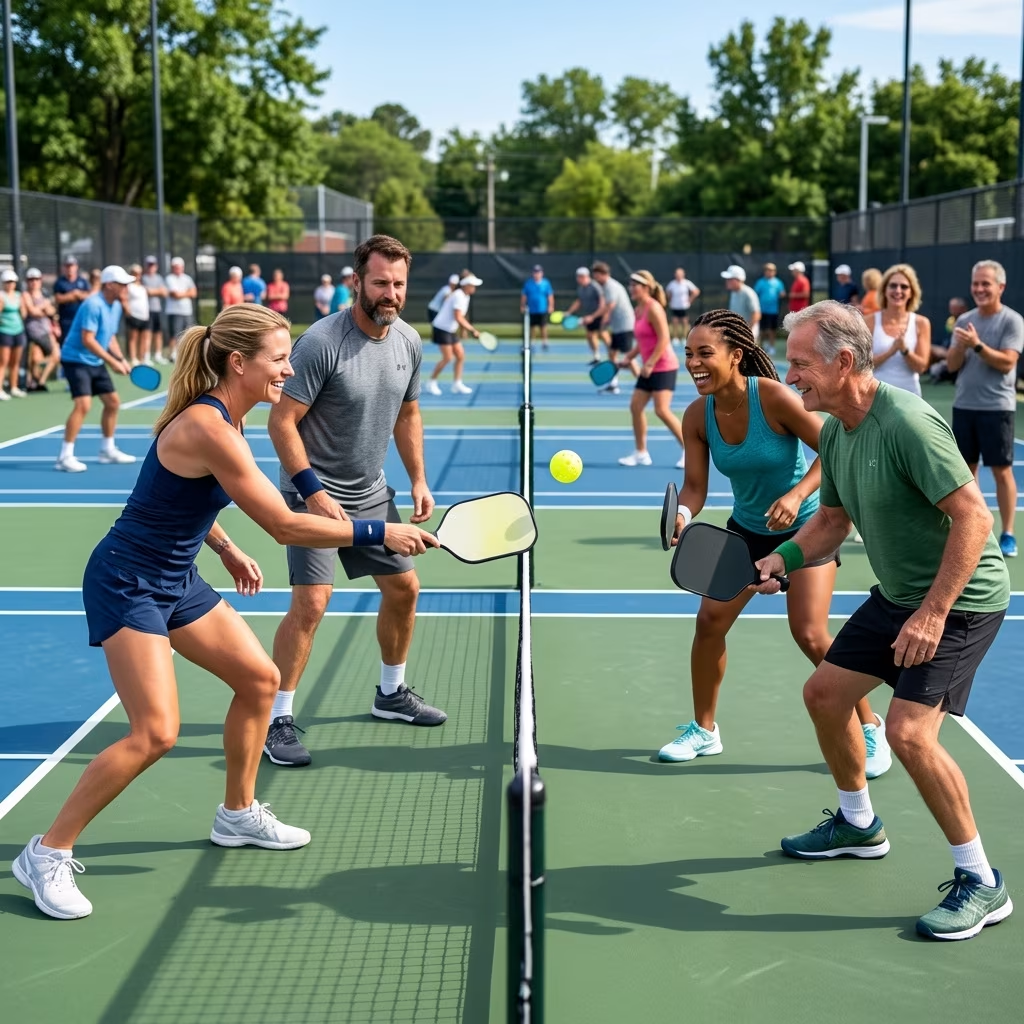
Pickleball is a fast-growing sport that blends elements of tennis, badminton, and ping-pong into an accessible, social, and active game enjoyed by people of all ages. Played on a court roughly the same size as a badminton one (20×44 feet), participants use solid-faced paddles to volley a perforated hollow plastic ball over a 36-inch-high net. The game’s origin traces back to 1965, when it was designed to be inclusive and easy to learn. Since then, pickleball has evolved into a sport suitable for both indoor and outdoor play, with singles (two people) and doubles (four people) formats.
Why Is Pickleball So Popular?
Pickleball’s explosive rise is undeniable. According to the Sports and Fitness Industry Association, it is the fastest-growing sport in America, attracting players of all ages and backgrounds. Several factors contribute to this widespread appeal:
- Low Barrier to Entry: Equipment is inexpensive, and rules are simple, allowing beginners to start playing quickly.
- Social Nature: The game is as much about connecting with others as it is competitive, with many clubs and communities forming around local courts.
- Accessibility: The sport is suitable for a wide range of physical abilities, making it especially popular among older adults.
- Fun Factor: Most players report high levels of enjoyment and engagement, often playing for hours per week.
How Does Pickleball Work? Gameplay Essentials
The core mechanics of pickleball combine elements from several racket sports. Here’s an overview:
- Equipment: Players use solid-faced paddles and a plastic ball with holes, similar to a whiffle ball.
- Court: A standard court measures 20 feet wide by 44 feet long, the same as doubles badminton.
- Rules: Players serve diagonally, and rallies continue until one side commits a fault.
- Scoring: Points are only scored by the serving team. Games are typically played to 11, 15, or 21 points, with a required two-point margin to win.
- Singles & Doubles: Pickleball can be played one-on-one or two-on-two, with minor rule variations for each format.
Basic Rules Table
| Aspect | Details |
|---|---|
| Serving | Diagonal from baseline, underhand only |
| Scoring | Only serving side scores, games to 11/15/21 |
| Faults | Ball out, net violations, kitchen (non-volley zone) errors |
| Kitchen Rule | No volleys allowed in non-volley zone (7 feet from net) |
| Play Style | Singles or doubles; same court size for both |
Surprising Health Benefits of Pickleball
Pickleball isn’t just entertaining—it’s a highly effective form of exercise yielding multiple benefits for body and mind:
- Improved Cardiovascular Health: The sport boosts heart rate, contributing to better cholesterol and blood pressure, lowering cardiovascular risk.
- Enhanced Balance & Coordination: Regular play sharpens hand-eye coordination, improves balance, and increases flexibility.
- Bone Health Support: The low-impact movement helps maintain bone density, reducing osteoporosis risk.
- Mood & Mental Health Lift: Social interaction and physical activity trigger endorphin release, reducing stress and anxiety while elevating mood.
- Social Connection: Participation fosters community involvement, making new friends and improving emotional wellbeing.
These benefits are especially pronounced among older adults, but players of all ages enjoy improved fitness, sharper focus, and a greater sense of wellbeing.
Pickleball Injuries: What You Need to Know
With increased participation, there has been a corresponding rise in pickleball-related injuries—a phenomenon especially noted among older adults. Common injuries include:
- Overuse Injuries: Playing for extended periods can strain joints and muscles, leading to conditions like tennis elbow, shoulder soreness, and back problems.
- Sprains and Strains: Quick movements and sudden changes in direction make knee, ankle, and muscle strains common.
- Acute Injuries: Falls and missteps can result in bruises, fractures, or other acute traumas.
Medical experts have observed a sharp increase in sports-related injuries among seniors; projections suggest these may rise by 123% by 2040. Most injuries are minor and treatable, but some cases require professional medical attention.
Table: Most Common Pickleball Injuries
| Injury Type | Common Symptoms | Risk Factors |
|---|---|---|
| Overuse (e.g., tennis elbow) | Persistent pain, swelling | Frequent play, poor technique |
| Sprains (ankle, knee) | Swelling, instability, discomfort | Sudden stops, quick direction changes |
| Muscle Strains | Sharp or aching pain, limited mobility | Inefficient warm-up or fatigue |
| Falls/Bruises | Soreness, bruising, rare fractures | Poor balance or unsafe court |
Injury Prevention: Essential Tips
Safeguarding against injury is crucial for new and seasoned players. Follow these best practices, many recommended by sports medicine physicians:
- Pre-Play Medical Consultation: Individuals with heart, lung, or major health conditions should seek physician approval before engaging in pickleball, especially if inactivity has been prolonged.
- Warm-Ups and Stretching: Gentle cardio, dynamic stretching, and ankle strengthening exercises (such as ankle circles, pumps, and resistance band movements) boost readiness and curb injury risk.
- Master Technique: Proper footwork, balance, and movement technique are essential. Lessons or coaching are recommended, especially for beginners.
- Historic Rest and Recovery: Avoid consecutive days of heavy play. Schedule regular rest days to let muscles repair, reducing the risk of overuse injuries.
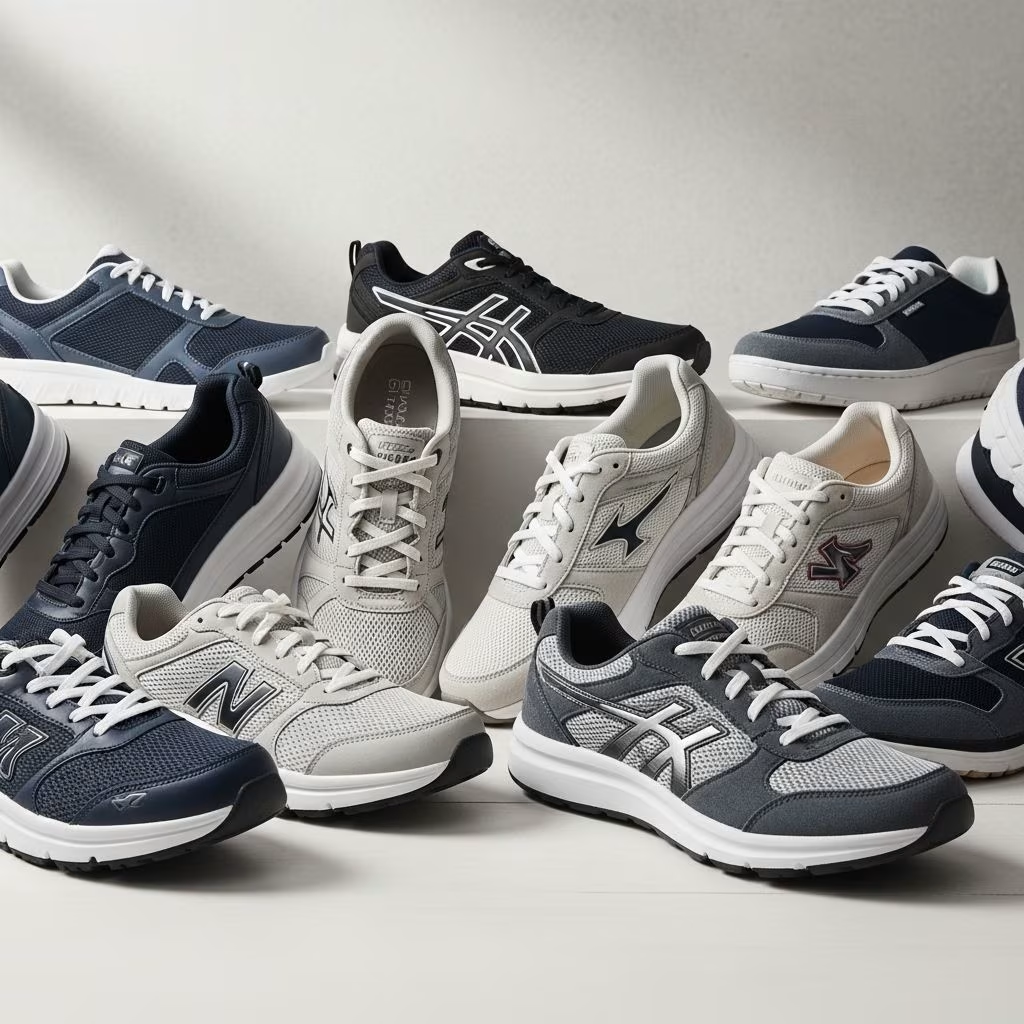
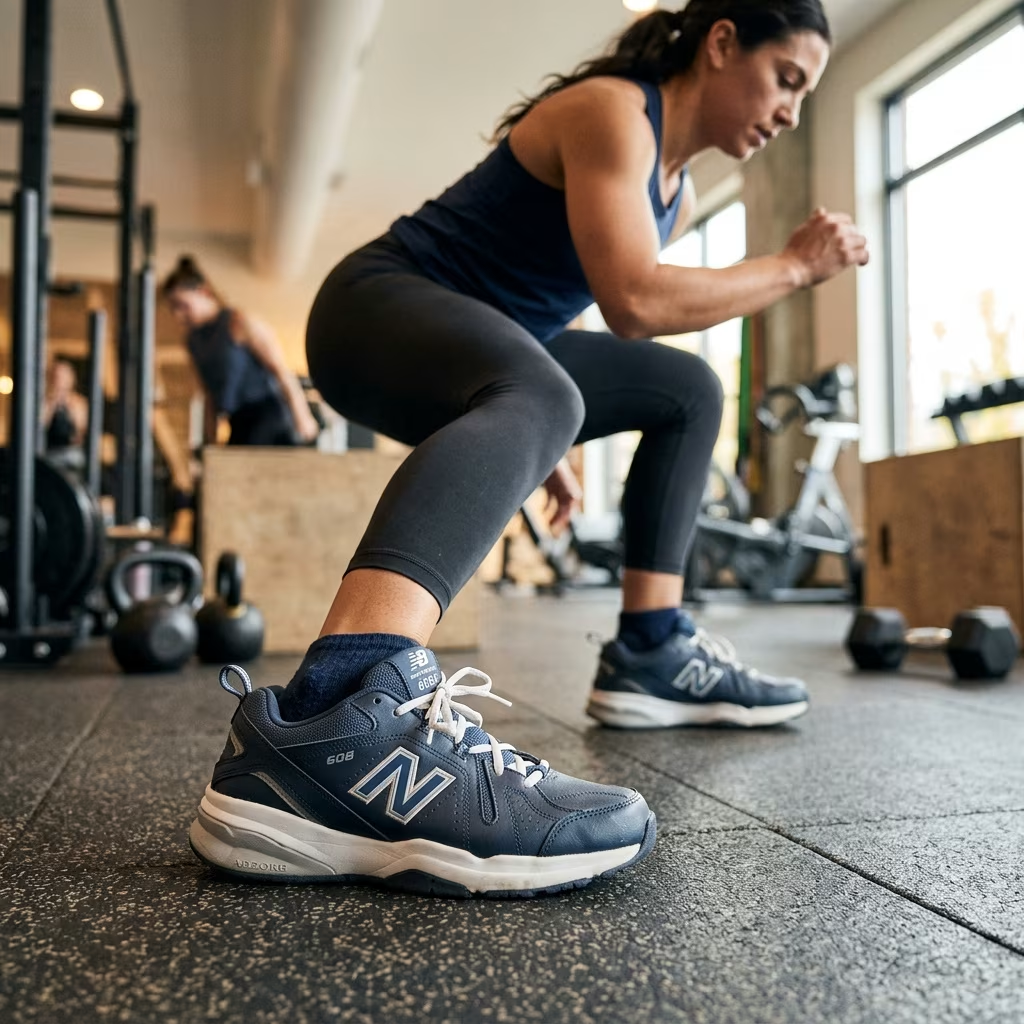
- Appropriate Footwear: Use sport-specific shoes with supportive soles and stable fits. Employ heel-lock lace patterns for extra stability if needed.
- Hydration and Nutrition: Maintain hydration and eat balanced meals to support energy, muscle repair, and overall athletic performance.
- Listen to Your Body: Stop play if you experience pain or discomfort. Consult a medical or sports professional for persistent symptoms.
Social and Community Aspects of Pickleball
Beyond fitness, pickleball offers immense social benefits:
- Community-Building: Club memberships, local tournaments, and drop-in play foster lasting connections and enjoyable experiences for newcomers and veterans alike.
- Mental Health Support: Group activities and friendly competition decrease loneliness, improve self-esteem, and support better mental health.
- Inclusivity: Pickleball welcomes individuals of all skill levels and abilities, providing accessible entry for older adults and those returning to physical activity.
Local recreation centers, retirement communities, and city parks frequently offer pickleball courts, lessons, and tournaments.
Getting Started: Key Equipment Guide
One of the appealing aspects of pickleball is its inexpensive and minimal equipment requirement. Here’s what you need:
- Paddle: Solid-faced and lightweight, typically made of wood or composite materials.
- Ball: Hollow plastic ball with holes (similar to a whiffle ball); choose indoor or outdoor styles as needed.
- Court Shoes: Supportive footwear for lateral movements.
- Comfortable Athletic Wear: Lightweight fabrics that allow easy movement.
Beginners can get started with basic gear and upgrade as skills improve.
Top Reasons to Try Pickleball
- Suitable For All Ages: Pickleball accommodates a range of skills and fitness levels—from childhood to older adulthood.
- Easy to Learn: Straightforward rules encourage participation and rapid skill progression.
- Low-Impact Movement: Less stressful on joints compared to high-impact sports like running or contact sports.
- Highly Social: The ease of group play strengthens connections and builds lasting friendships.
- Flexible Format: Can be played indoors or outdoors, singles or doubles, casual or competitive.
- Intrinsic Enjoyment: Fast-paced rallies and quick scoring foster excitement and motivation to play.
Frequently Asked Questions (FAQs)
Q: Is pickleball safe for seniors?
A: Yes. Its low-impact nature makes pickleball suitable for older adults, although they should consult their doctor if they have significant medical conditions or a long history of inactivity.
Q: What do I need to start playing pickleball?
A: You’ll need a paddle, a pickleball ball (with holes), suitable athletic shoes, and access to a regulation court. Many community centers offer beginner lessons and group play sessions.
Q: What are the most common injuries and how can I avoid them?
A: Overuse injuries (like tendonitis), sprains, and muscle strains are most common. Warm up before play, practice safe technique, wear supportive shoes, and allow time for rest to minimize risks.
Q: How does pickleball differ from tennis?
A: Pickleball is played on a smaller court with distinct equipment—a plastic ball and paddle—and follows unique serving and scoring rules. Games are shorter, and movements are generally less demanding on the joints.
Q: Can families and children play pickleball?
A: Absolutely. The sport’s simplicity and adaptability to skill make it ideal for families, children, and mixed age groups. Local leagues and clubs often hold kid-friendly tournaments and instructional sessions.
Expert Tips for Enjoying Pickleball Safely
- Get professional instruction, especially when starting out, to master technique and reduce injury risk.
- Prioritize ankle, knee, and shoulder health by incorporating strengthening and stretching exercises into your routine.
- Take breaks between games to hydrate, recover, and recharge.
- Stay connected—make pickleball as much about enjoyment and social activity as about competition.
- If pain or discomfort persists, consult a sports medicine professional promptly.
Final Thoughts: Why Pickleball Is More Than a Trend
Pickleball’s surge in popularity is more than a passing fad—it’s a testament to the sport’s unique ability to combine fitness, friendly competition, and social connection. Whether your aim is to improve your heart health, make new friends, or stay mentally sharp, pickleball offers tangible benefits for everyone. The accessible rules, minimal equipment needs, and welcoming spirit ensure its place as America’s leading recreational sport.
Join the movement—grab a paddle, gather some friends, and experience why pickleball is conquering courts and communities across the country.
References
- https://www.ama-assn.org/public-health/prevention-wellness/what-doctors-wish-patients-knew-about-preventing-pickleball
- https://news.hss.edu/the-pickleball-craze-is-getting-people-active–but-injury-prevention-is-key/
- https://www.renown.org/blog/benefits-of-pickleball
- https://www.bayshorepodiatry.com/library/injuries-on-the-pickleball-court.cfm
- https://orthosportsmed.com/common-pickleball-injuries-prevention/
- https://www.prevention.com/fitness/a41824964/what-is-pickleball/
- https://www.prevention.com/fitness/a46928153/your-pickleball-checklist/
- https://www.baptisthealth.com/blog/pickleball/pickleball-pros-and-cons-for-your-health