15 Essential Herbs and Spices Every Kitchen Should Have
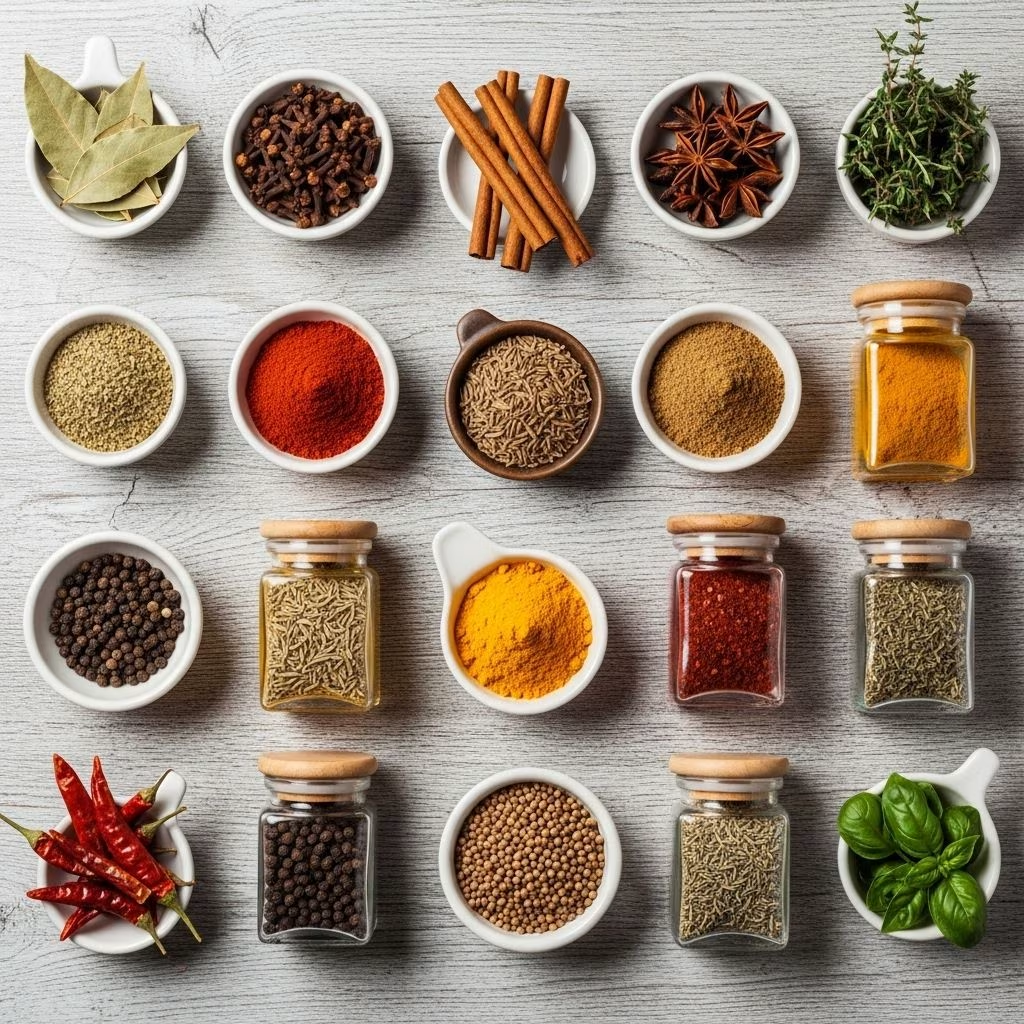
Herbs and spices are the backbone of delicious, memorable cooking. They elevate ordinary ingredients, add complexity, and allow you to explore vibrant global recipes from the comfort of your home. Building a versatile pantry starts with stocking a core set of herbs and spices, each with specific culinary uses and health benefits. This guide covers the 15 essential herbs and spices every kitchen should have, sharing flavor notes, uses, and tips on how to maximize their potential in your dishes.
Why Stock Your Kitchen with Herbs and Spices?
- Add Depth and Complexity: They transform bland dishes into exciting meals with layers of flavor.
- Promote Health: Many herbs and spices offer anti-inflammatory, antioxidant and digestion-boosting properties.
- Reduce Salt and Fat: Bright flavors from herbs and spices help you season food without relying on excess sodium or oil.
- Experiment Globally: Cook Mexican, Italian, Indian and Middle Eastern cuisines with ease.
How to Store Herbs and Spices
For maximum flavor and longevity, keep dried herbs and spices in airtight containers—away from heat, light, and moisture. Replace them every 6-12 months. Buy small quantities unless you use a particular spice frequently. Fresh herbs should be stored in the fridge, with stems in water or wrapped in damp paper towels.
Table: 15 Essential Herbs and Spices at a Glance
| Name | Type | Main Flavor Notes | Best Uses |
|---|---|---|---|
| Basil | Herb (Fresh/Dried) | Sweet, peppery, slightly minty | Pasta, salads, pesto |
| Oregano | Herb (Dried) | Earthy, pungent, slightly bitter | Pizza, tomato sauce, grilled meats |
| Thyme | Herb (Fresh/Dried) | Lemony, woodsy, subtle | Roasts, stews, soups |
| Rosemary | Herb (Fresh/Dried) | Pine-like, fragrant | Roasted potatoes, poultry, lamb |
| Parsley | Herb (Fresh) | Fresh, grassy, mild | Salads, garnishes, tabbouleh |
| Cilantro | Herb (Fresh) | Citrusy, bright | Salsa, curries, tacos |
| Mint | Herb (Fresh) | Cool, sweet, refreshing | Tea, salads, desserts |
| Chives | Herb (Fresh) | Mild onion flavor | Eggs, salads, soups |
| BAY LEAF | Herb (Dried) | Subtle, herbal, slightly floral | Soups, stews, braised dishes |
| Black Pepper | Spice | Sharp, pungent | Universal seasoning |
| Cinnamon | Spice | Warm, sweet, woody | Baked goods, oatmeal, curries |
| Cumin | Spice | Earthy, nutty, warm | Mexican, Indian, Middle Eastern dishes |
| Paprika | Spice | Sweet, smoky (varies) | Goulash, stews, grilled meats |
| Chili Powder | Spice | Spicy, earthy | Chili, tacos, BBQ rubs |
| Nutmeg | Spice | Sweet, pungent, slightly nutty | Baked goods, bechamel sauce, vegetables |
Meet the Must-Have Herbs and Spices
Basil
Known for its sweet and peppery flavor with hints of mint, basil is essential for Italian recipes like pesto, caprese salad, pasta sauces, and to add brightness to curries and stir-fries. Use fresh for maximum aroma or dried for more subtle effects.
- Best with: Tomatoes, mozzarella, chicken, seafood
- Pro tip: Add fresh basil at the end of cooking to preserve its delicate flavor.
Oregano
Earthy, robust, and slightly bitter, oregano is the backbone of Mediterranean and Latin American cooking. Its flavor stands up well in pizza, tomato-based pasta sauces, grilled meats, and Greek salads. Dried oregano is especially potent.
- Best with: Tomatoes, garlic, beef, lamb
- Pro tip: A little goes a long way—use sparingly to avoid overpowering dishes.
Thyme
Lemony, woodsy, and subtle, thyme enhances soups, stews, roasted meats, vegetables, and even breads. Both fresh and dried versions can be used, but dried is especially popular for long-cooked dishes.
- Best with: Poultry, potatoes, root vegetables
- Pro tip: Add early in cooking to allow the flavor to infuse into your dish.
Rosemary
Pine-like and intensely aromatic, rosemary is ideal for roasted potatoes, lamb, chicken, and Mediterranean vegetables. A little fresh or dried rosemary brings depth to breads or frittatas.
- Best with: Lamb, potato, bread, poultry
- Pro tip: Remove the spiky leaves from the woody stalk before chopping and adding to food.
Parsley
Fresh, grassy, and mild, parsley is more than a garnish. Use it in salads (tabbouleh), sauces (chimichurri), and as a finishing touch to almost any savory dish to boost freshness without overwhelming.
- Best with: Fish, vegetables, grains, eggs
- Pro tip: Curly parsley works well for garnish; flat-leaf (Italian) parsley has bolder flavor for cooking.
Cilantro
Citrusy and bright, cilantro is widely used in Mexican, Thai, and Indian cuisines—from salsa and guacamole to curries and noodle bowls. Fresh cilantro’s aroma cannot be replicated with dried.
- Best with: Avocado, seafood, beans, chicken
- Pro tip: Add cilantro just before serving to preserve its freshness.
Mint
With its cool, sweet, and refreshing flavor, mint lifts everything from fruit salads and teas to lamb dishes and yogurt sauces. Fresh mint leaves have the best flavor.
- Best with: Lamb, peas, fruit, tea
- Pro tip: Chiffonade large leaves for even distribution in salads and beverages.
Chives
Chives bring a mild onion flavor to eggs, salads, soups, and baked potatoes. Sprinkle fresh chives on dishes or mix into soft cheeses for a pop of green and flavor.
- Best with: Eggs, dairy, potatoes, salads
- Pro tip: Snip with scissors directly over dishes for a delicate garnish.
Bay Leaf
Bay leaves are subtle yet indispensable for long-simmered soups, stews, stocks, and braised dishes. Remove before serving—it’s used for its aroma, not for eating.
- Best with: Soups, stews, risotto, sauces
- Pro tip: Use whole dried leaves; crush gently to release more flavor before adding.
Black Pepper
No pantry is complete without fresh black peppercorns. Its robust, warming, and slightly spicy notes season everything, from eggs and vegetables to steak and salads.
- Best with: All savory foods
- Pro tip: Grind fresh just before serving for maximum aroma.
Cinnamon
Sweet, warm, and woody, cinnamon is essential for baking and also brings depth to curries and stews. Use in oatmeal, pies, breads, and Indian or Middle Eastern sauces.
- Best with: Apples, oats, pumpkin, chocolate
- Pro tip: Stick form is best for infusing liquid; ground for baking and quick recipes.
Cumin
Earthy, warm, and nutty, cumin adds complexity to Mexican, Indian, Middle Eastern, and North African cuisine. Use it to season chili, curries, falafel, or roasted veggies.
- Best with: Beans, rice, meat, lentils
- Pro tip: Toast whole seeds in a dry pan before grinding for richer aroma.
Paprika
Available in sweet, hot or smoked varieties, paprika brings gentle sweetness, color and subtle warmth to goulash, rubs, roasted meats, and potato salad.
- Best with: Potatoes, chicken, fish, rice
- Pro tip: Smoked paprika adds BBQ aroma to vegetarian dishes and soups.
Chili Powder
Spicy, earthy and robust, chili powder is a staple in Tex-Mex, BBQ rubs, and spicy stews. It’s often a blend of ground chili peppers, cumin, oregano, garlic and more.
- Best with: Beef, beans, sauces, eggs
- Pro tip: Adjust amount to control heat levels.
Nutmeg
Sweet, pungent and slightly nutty, nutmeg pairs perfectly with baked goods, creamy sauces (like bechamel), squash, spinach, and eggs. Whole nutmeg can be finely grated for fresher, stronger aroma.
- Best with: Potatoes, cheese, desserts, custards
- Pro tip: Sprinkle freshly grated nutmeg over vegetables, oatmeal, or drinks for a gourmet finish.
How Do These Herbs and Spices Support Health?
- Cinnamon: May help regulate blood sugar and has antioxidant properties.
- Cilantro: High in vitamins A and K; may help with detoxification.
- Cumin: Assists digestion; provides iron and boosts metabolism.
- Mint: Helps relieve indigestion and freshens breath.
- Basil: Contains anti-inflammatory oils and is rich in vitamin K.
Frequently Asked Questions (FAQ)
Q: Are fresh herbs better than dried?
A: Fresh herbs generally offer brighter, more nuanced flavors; however, dried herbs are more potent and convenient for slow-cooked dishes.
Q: How long do dried herbs and spices last?
A: For best flavor, replace dried herbs and ground spices every 6-12 months. Whole spices last up to 2 years if stored properly.
Q: Can I substitute one herb or spice for another?
A: While some substitutions work (such as basil for oregano in Italian dishes), others change the flavor radically. Use substitutions carefully and always taste as you go.
Q: What’s the healthiest way to use herbs and spices?
A: Use herbs and spices to flavor food without extra salt, sugar, or fat—experiment with rubs, marinades, salads, and roasted dishes for healthier, more flavorful meals.
Tips for Building Your Pantry
- Start with small jars of dried herbs and spices you use regularly.
- Gradually add new ones based on cuisines you explore most.
- Store spices in a cool, dark, dry place for maximum shelf life.
- Label and date jars to keep track of freshness.
- Try growing fresh herbs in your kitchen for convenience and flavor.
Conclusion: Elevate Every Meal with These Staples
Mastering the essential herbs and spices is the simplest yet most effective way to transform your cooking from average to extraordinary. A well-stocked pantry allows you to create global dishes, boost nutrition, and enjoy bold, fresh flavors year-round. Whether you’re making comforting stews, zesty salads, or fragrant curries, these 15 essential herbs and spices are the toolkit for inspired, healthy cooking at home.
References
- https://www.britannica.com/plant/list-of-herbs-and-spices-2024392
- https://www.youtube.com/watch?v=7Bk8_CqgYto
- https://hospitalityinsights.ehl.edu/cooking-essential-culinary-herbs
- https://www.lauramali.com/12-must-have-spices-and-herbs/
- https://www.savoryspiceshop.com/collections/pantry-staple-spices-herbs