The 20 Best Low-Carb Vegetables and How to Enjoy Them Every Day
Eating more vegetables is a cornerstone of health—especially when you’re watching your carbohydrate intake. Whether you want to manage your blood sugar, maintain energy levels, or just fill your plate with more nutrient-dense options, choosing low-carb vegetables is a tasty and satisfying way to make every meal more wholesome. In this guide, you’ll learn what makes a vegetable low-carb, see the best choices to add to your daily meals, and get expert-backed tips on how to prepare and enjoy them.
What are Low-Carb Vegetables?
When it comes to vegetables and carbohydrates, not all veggies are created equal. Registered dietitians group vegetables into three main categories based on their carb content:
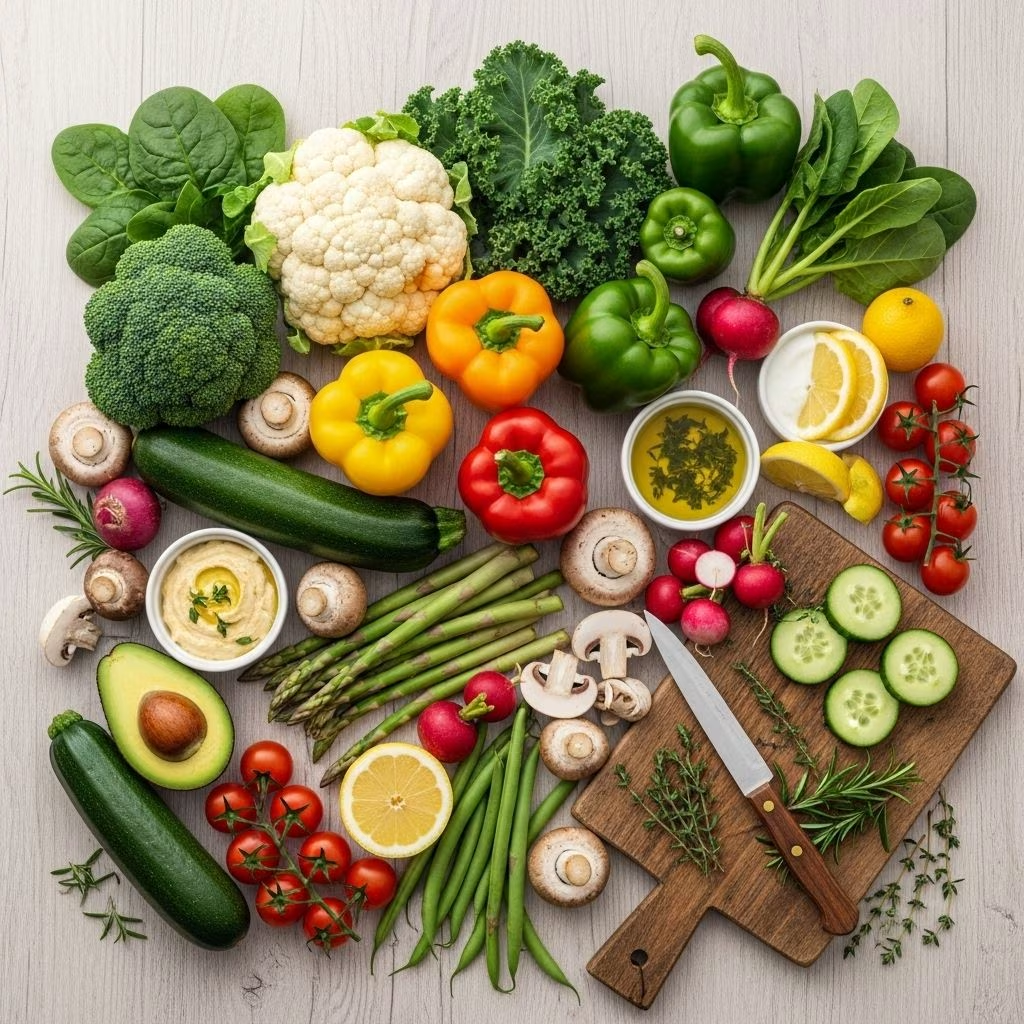
- Low-carb (Non-starchy) vegetables: Examples include kale, spinach, cucumbers, and zucchini. These deliver plenty of vitamins, minerals, and fiber without the extra carbs or calories.
- Starchy vegetables: Foods like corn, peas, and potatoes are higher in carbohydrates and calories, often raising your daily carb tally.
- Intermediate (Between) veggies: Root vegetables and winter squash land between the two, with moderate carb levels.
Registered dietitians emphasize the importance of eating a variety of vegetables regardless of carb content; however, for those specifically aiming to reduce carbs, focusing on non-starchy types is key. A quick tip: Vegetables that grow above ground are usually lower-carb, while root or underground vegetables generally have more carbohydrates.
Why Choose Low-Carb Vegetables?
- Support balanced blood sugar: Their low glycemic impact helps prevent sugar spikes.
- Promote fullness: They’re packed with fiber and water, which can keep you satisfied longer.
- Boost micronutrient intake: Low-carb veggies are rich sources of vitamins A, C, K, potassium, folate, and beneficial plant compounds like antioxidants.
- Flexible meal options: Their mild flavors and versatility make them suitable for salads, roasted sides, stir-fries, and even pasta replacements.
Top 20 Low-Carb Vegetables (with Nutrition Facts & Tips)
Below is a handpicked list of delicious, expert-recommended low-carb vegetables, including carb counts and simple serving ideas.
1. Spinach
- Carbs: About 1 gram net carbs per 1 cup raw
- Why it’s great: Ultra-low carb with lots of vitamin K, iron, and magnesium.
- How to eat it: Toss into salads, blend into smoothies, sauté in olive oil, or add to omelets.
2. Kale
- Carbs: 1 gram net carbs per 1 cup raw
- Nutrients: High in vitamins A, C, and K as well as carotenoids for eye health.
- Enjoy: Massage for salads, bake into chips, or blend with frozen fruit for a nutrient-packed smoothie.
3. Romaine Lettuce
- Carbs: 1.5 grams per cup chopped
- Why it’s great: Hydrating and crisp, romaine is also a source of folate and vitamin C.
- How to try it: Perfect bed for grain bowls, tacos, or wraps instead of tortillas.
4. Arugula
- Carbs: 0.4 grams per cup
- Special benefit: Peppery flavor and packed with cancer-fighting glucosinolates.
- Use it: Mix into salads, top off sandwiches, or blend into pesto.
5. Cabbage
- Carbs: 2 grams per 1 cup chopped (raw)
- Highlights: Iconic low-carb veggie; excellent in vitamin C and sulforaphane antioxidants.
- Ideas: Use raw for slaw, ferment for sauerkraut, or sauté as a stir-fry foundation.
6. Zucchini
- Carbs: 2 grams per 1 cup raw, sliced
- Nutrition: Great for potassium and antioxidants without spiking carbs.
- Favorite recipes: Spiralize into “zoodles”, bake, grill, or sneak into baked goods.
7. Yellow Squash
- Carbs: 5 grams per cup cooked
- Feature: Mild in flavor, adds variety to soups, stir-fries, and smoothies.
- Prep tips: Use in casseroles, roast, or add to breakfast scrambles.
8. Spaghetti Squash
- Carbs: 9 grams per cup cooked
- Swap for pasta: Much lower carbs than traditional pasta, with more vitamins and fiber.
- How to enjoy: Roast or microwave, then scrape into “noodles” for a filling base for sauces.
9. Broccoli
- Carbs: 6 grams per cup cooked
- Extra: Loaded with vitamin C, K, folate, and antioxidants like sulforaphane.
- Try it: Steam, roast, or blitz into “rice” as a side dish.
10. Cauliflower
- Carbs: 5 grams per 100 grams (about 3.5 ounces)
- Why it’s perfect: Fills you up with fiber, vitamin K, and choline; flexible for “rice” or “mashed potato” swaps.
- Get creative: Mash, roast, blend into sauces, or riced for low-carb bowls.
11. Eggplant
- Carbs: 5 grams per cup cooked
- Bonus: Rich in antioxidants, especially nasunin from the skin, and offers fiber.
- How to cook: Slice and grill, roast, or add to curries and ratatouille.
12. Asparagus
- Carbs: 2 grams per six spears
- Highlights: High in folate and vitamin K; supports detoxification.
- Eat it: Steam, grill, or chop into salads and frittatas.
13. Bell Peppers
- Carbs: 6 grams per cup chopped
- Why they’re great: Vitamin C, color, and sweetness with few carbs.
- Serve: Slice into sticks, fill for stuffed peppers, or dice into salsas.
14. Mushrooms
- Carbs: 2.3 grams per cup sliced (white button)
- Benefits: Antioxidant-rich, low calorie, and a savory meat alternative.
- Use: Sauté, roast, stuff, or mix into burgers and stews.
15. Radishes
- Carbs: 4 grams per cup slices
- Nutrients: Good for vitamin C and support natural detox processes.
- Easiest way: Slice into salads, roast for chip-like snacks, or pickle for tangy flavor.
16. Celery
- Carbs: 1.2 grams per cup chopped
- Benefits: Hydrating, full of potassium, fiber, and very few calories.
- Ideas: Snack with nut butter, add to salads, or stir into soup bases.
17. Cucumbers
- Carbs: 4 grams per cup (sliced)
- Highlights: Super hydrating and refreshing, offers vitamin K.
- Serve: In salads, as snack sticks, or sliced in water for a light detox refreshment.
18. Green Beans
- Carbs: 7 grams per cup cooked
- Nutrition: Fiber, iron, and vitamin K without a heavy carb load.
- Ways to cook: Steam and sprinkle with sea salt, sauté with garlic, or roast for a crispy side.
19. Brussels Sprouts
- Carbs: 8 grams per cup cooked
- Why they’re healthy: Good for vitamin K, C, and fiber, plus natural sulfur compounds for detox.
- To eat: Roast until crispy, shred for slaw, or sauté with balsamic glaze.
20. Tomatoes
- Carbs: 4 grams per half-cup of grape tomatoes
- Features: Vitamin C, potassium, folate, plus powerful antioxidants lycopene and beta carotene.
- Enjoy: Snack on raw, add to salads or sandwiches, or roast cherry tomatoes as an easy side.
Low-Carb Veggie Swaps for Everyday Meals
Low-carb vegetables aren’t just side dishes—they can be center stage with these creative swaps:
- Replace rice or grains: Use cauliflower rice or riced broccoli in stir-fries, burritos, or bowls.
- Pasta alternative: Spiralize zucchini, or bake and shred spaghetti squash for satisfying “noodles.”
- Bread/wrap substitute: Lettuce or collard green leaves make great wraps for sandwiches and tacos.
- Snack boost: Sliced bell peppers, cucumbers, and celery with hummus or Greek yogurt dip.
- Hot appetizers: Small mushrooms or zucchini boats stuffed with cheese and herbs.
Expert Tips for Eating More Low-Carb Vegetables
- Roast for flavor: Roasting brings out natural sweetness and develops crispy edges without added carbs.
- Mix textures: Combine raw and cooked veggies for interesting flavor and crunch in any salad or bowl.
- Use spices and herbs: Experiment with spices, lemon, garlic, and herbs for a satisfying taste boost without calories or carbs.
- Batch prep: Wash, chop, and store low-carb vegetables at eye level in the fridge for easy snacking and quick meals.
- Personalize your choices: Pick vegetables you genuinely enjoy for lasting healthy habits over time.
Nutritional Considerations and FAQs
For those managing diabetes, pre-diabetes, or pursuing ketogenic or low-carb diets, low-carb vegetables are invaluable allies for building balanced, flavorful plates without sacrificing nutrients or taste.
Frequently Asked Questions (FAQs)
Q: Can I eat unlimited low-carb vegetables?
A: While most non-starchy vegetables are low in calories and carbs, portion control is important if you’re on a strict carbohydrate allowance (such as for keto diets). Focus on variety, but track net carbs as needed for your specific plan.
Q: Which vegetables are not considered low-carb?
A: Starchy vegetables like potatoes, sweet potatoes, peas, and corn contain significantly more carbohydrates and calories than non-starchy options.
Q: Are low-carb vegetables also high in fiber?
A: Yes. Many low-carb vegetables—including broccoli, cauliflower, spinach, and collard greens—are great sources of dietary fiber, which supports healthy digestion and satiety.
Q: Can low-carb vegetables help with weight management?
A: Absolutely. Their combination of low calorie density and high fiber content means you can eat more volume and feel satisfied while consuming fewer overall calories.
Q: What is the best way to add flavor to low-carb vegetables?
A: Roasting with a little olive oil, seasoning with spices (like garlic powder, smoked paprika, cumin), or using a splash of lemon or vinegar can elevate flavor without adding significant carbs.
Comparing Net Carb Content of Popular Low-Carb Vegetables
| Vegetable | Serving Size | Net Carbs (g) |
|---|---|---|
| Spinach | 1 cup raw | ~1 |
| Kale | 1 cup raw | ~1 |
| Romaine Lettuce | 1 cup chopped | 1.5 |
| Cauliflower | 100 grams | 5 |
| Zucchini | 1 cup raw | 2 |
| Spaghetti Squash | 1 cup cooked | 9 |
| Eggplant | 1 cup cooked | 5 |
| Asparagus | 6 spears | 2 |
| Bell Pepper | 1 cup chopped | 6 |
| Mushrooms | 1 cup sliced | 2.3 |
| Broccoli | 1 cup cooked | 6 |
| Green Beans | 1 cup cooked | 7 |
| Radishes | 1 cup sliced | 4 |
| Cabbage | 1 cup chopped | 2 |
| Tomatoes (grape) | 1/2 cup | 4 |
Final Thoughts: Embracing Variety for Health
The bottom line: Any vegetable is a good vegetable. While focusing on low-carb vegetables supports certain health and nutrition goals, the most important thing is including vegetables you love in your daily routine for flavor, fiber, and overall well-being. By choosing from this list and experimenting with preparation styles, you’ll help ensure you get the benefits of plant-based nutrition while keeping carbs in check.
References
- https://www.prevention.com/food-nutrition/g40518114/low-carb-vegetables/
- https://www.prevention.com/food-nutrition/healthy-eating/g25922606/high-fiber-low-carb-foods/
- https://www.prevention.com/food-nutrition/a65832005/low-carb-fruits/
- https://www.prevention.com/weight-loss/a20512194/everything-you-need-to-know-before-you-go-on-a-low-carb-diet/
- https://www.prevention.com/weight-loss/diets/a65255830/low-carb-diets-weight-loss/
- https://www.prevention.com/food-nutrition/a64904808/quality-carbohydrates-healthy-aging-longevity-study/
- https://www.prevention.com/food-nutrition/
- https://www.prevention.com/food-nutrition/g22551457/high-carb-foods/
- https://www.prevention.com/food-nutrition/healthy-eating/g24663294/low-sugar-fruits/