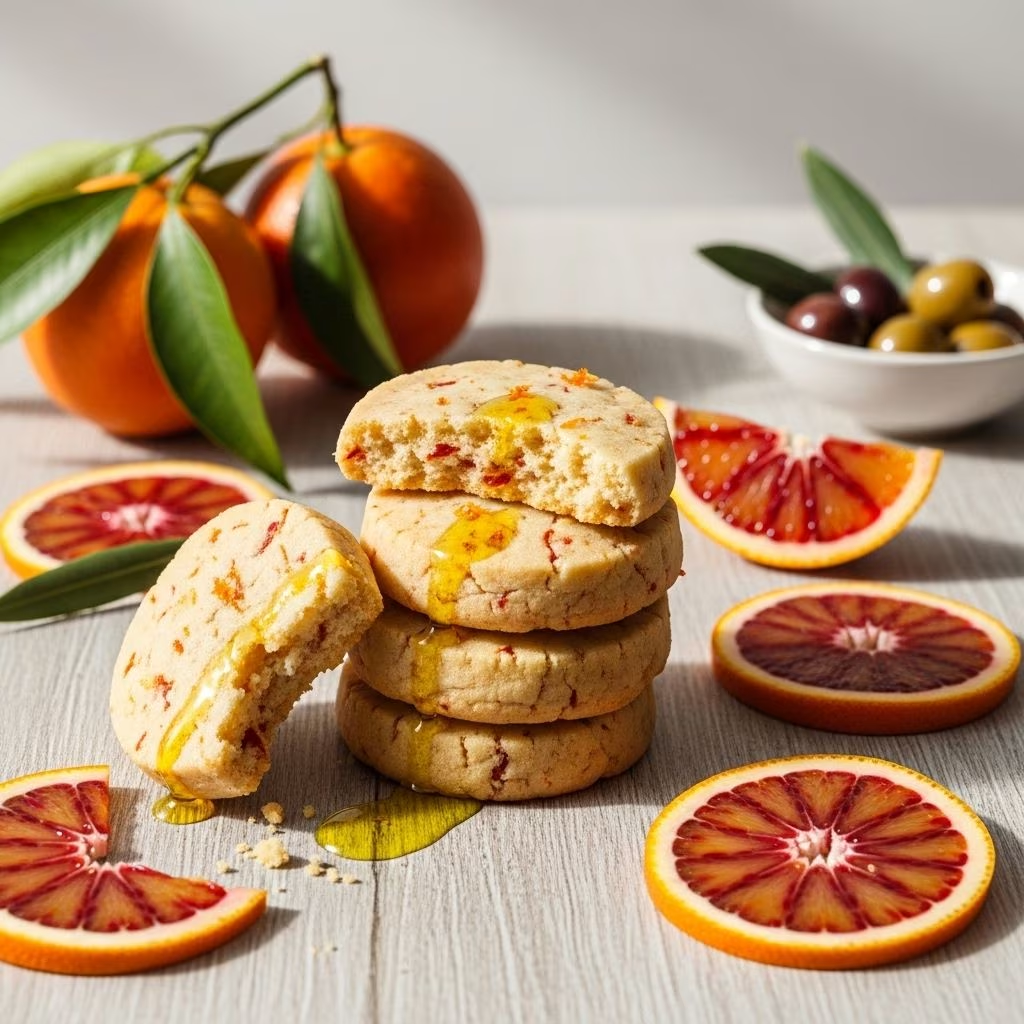
Blood Orange and Olive Oil Shortbread: A Citrusy Twist on Classic Cookies
Shortbread, the buttery Scottish classic, has long delighted dessert lovers with its simple ingredients and melt-in-your-mouth texture. But what happens when you add zesty blood orange and fruity olive oil to the mix? You get a vibrant, aromatic cookie that reinvents tradition and brings fresh citrus flavor to every bite. This blood orange and olive oil shortbread recipe celebrates seasonal fruit and quality olive oil, resulting in a cookie that’s both sophisticated and delightfully easy to make.
Why Blood Orange and Olive Oil?
Blood oranges are prized for their sweet-tart flavor, floral notes, and stunning color. Their juice and zest add brightness, while olive oil contributes subtle fruitiness and a tender crumb. Together, they create a shortbread that’s lighter, softer, and more aromatic than the standard butter-based version.
- Unique flavor: Blood orange provides a gentle tang and vibrancy.
- Healthier fat: Olive oil is bursting with heart-healthy monounsaturated fats and plant antioxidants.
- Vegan adaptable: Using olive oil makes this recipe suitable for vegans—perfect for gatherings where dietary preferences vary.
- Seasonal delight: Blood oranges are at their peak in winter and early spring, making this cookie a great choice for cold-weather baking.
Key Ingredients
Quality ingredients make all the difference in shortbread. Here’s what you’ll need for blood orange and olive oil shortbread:
- Blood Orange Juice & Zest: The star ingredient, providing aromatic oils and juicy acidity.
- Extra Virgin Olive Oil: Use a gentle, fresh olive oil rather than a peppery or bitter one to avoid overpowering the cookie’s sweetness.
- Powdered Sugar (Icing Sugar): Dissolves quickly, ensuring a fine crumb.
- All-Purpose Flour: Forms the structure of the cookie.
- Cornstarch: Adds tenderness and a melt-in-the-mouth quality.
- Salt: Enhances all the flavors.
How to Make Blood Orange and Olive Oil Shortbread
Making this shortbread is a straightforward but rewarding process. Plan for some dough chilling time to help the cookies set and develop flavor.
- Gather all your ingredients and equipment. Having everything at hand is essential for a smooth baking experience.
- Mix the wet ingredients: Whisk together blood orange juice, freshly grated zest, olive oil, powdered sugar, and salt in a large bowl until smooth and aromatic.
- Combine dry ingredients: In a separate bowl, sift flour and cornstarch. Stir to blend.
- Form the dough: Gently mix the dry ingredients into the wet, using a spoon or spatula. The dough should come together but will be slightly soft and oily.
- Shape and chill: For slice-and-bake cookies, shape the dough into logs (about 1.5 inches in diameter), wrap in parchment, and chill for at least 30 minutes. For cutouts, press the dough into your pan or roll out between parchment for stamping. Chill briefly to help the dough firm up and the flavors to meld.
- Bake: Slice or cut as desired and bake in a preheated oven at 350°F (175°C) until edges are set and lightly golden, usually 18–22 minutes depending on thickness.
- Cool and glaze (optional): Let the cookies cool on the tray, then drizzle or dip in a simple blood orange glaze for extra zing. Garnish with extra zest while the glaze is wet.
Tips for Shortbread Success
- Use room temperature ingredients: Ensures the dough mixes evenly and the shortbread bakes uniformly.
- Weigh your flour and cornstarch: Precision is key; too much flour can turn shortbread tough, too little makes it crumbly.
- Don’t overwork the dough: Mix until just combined to maintain tenderness.
- Chill for clean slicing: A short stint in the fridge or freezer makes the dough easier to handle and helps cookies hold their shape.
- Keep an eye on baking time: Shortbread should be just golden at the edges, not browned all over.
Blood Orange and Olive Oil Shortbread Recipe
| Yield | 16–20 cookies |
| Prep Time | 20 minutes (+ chilling) |
| Cook Time | 18–22 minutes |
| Total Time | 40–50 minutes |
Ingredients
- 1/8 cup (30 ml) blood orange juice
- 1 tbsp blood orange zest (about 1 medium blood orange)
- 1/4 cup (60 ml) extra virgin olive oil
- 1/2 cup (55 g) powdered sugar (icing sugar)
- 1/8 tsp fine sea salt
- 3/4 cup (105 g) all-purpose flour
- 1/2 cup (65 g) cornstarch
For the Glaze (optional):
- 2 tbsp blood orange juice
- 1/2 cup powdered sugar, sifted
- Extra zest or pistachios for garnish
Instructions
- In a mixing bowl, whisk blood orange juice, zest, olive oil, powdered sugar, and salt until fully combined and fragrant.
- Sift flour and cornstarch together in a separate bowl. Fold into the wet mixture until a dough forms; avoid overmixing.
- Lightly knead dough by hand if needed. For slice-and-bake, divide and roll into 1.5-inch diameter logs. Wrap in parchment and chill at least 30 minutes.
- Preheat oven to 350°F (175°C) and line a baking sheet with parchment.
- Slice logs into rounds about 1/3-inch thick or shape as desired. Place on baking sheet.
- Bake 18–22 minutes or until just golden at the edges. Don’t overbake—shortbread should remain pale.
- Cool completely. For glaze, whisk blood orange juice and powdered sugar until smooth. Drizzle on cooled cookies and garnish with zest or pistachios.
Variations and Substitutions
- Use regular oranges: If blood oranges are out of season, regular oranges or even pink lemons work beautifully (though the color will be different).
- Butter instead of olive oil: For a richer, classic flavor, swap olive oil for an equal amount of unsalted butter, softened to room temperature.
- Add herbs or spices: Try rosemary, thyme, or cardamom for a complex, aromatic touch.
- Nut additions: Stir in finely chopped pistachios or hazelnuts for crunch.
- Vegan and gluten-free: Use a trusted gluten-free flour blend in place of regular flour. Ensure all other ingredients are certified vegan.
Serving Suggestions
- Pair with a cup of tea or espresso for a sophisticated afternoon treat.
- Arrange on a platter with other citrus desserts for a festive spread.
- Package in cellophane bags for edible gifts during the holidays.
- Serve as a bright finish to winter meals or brunches.
Frequently Asked Questions About Citrus Shortbread
Is this shortbread vegan?
Yes, if you use olive oil and ensure your sugar is vegan, this recipe is entirely plant-based.
Can I use regular oranges instead of blood oranges?
Absolutely. While blood oranges add a dramatic color and a subtle berry note, standard oranges or pink lemons are excellent substitutes—just expect a different hue.
Why use cornstarch in shortbread?
Cornstarch keeps the texture exceptionally tender, giving the cookies that classic, delicate crumble without making them dry.
How should I store these cookies?
Store in an airtight container at room temperature for up to one week. For longer storage, freeze unglazed cookies for up to a month and glaze before serving.
Can these cookies be made ahead?
Yes! Shortbread dough can be wrapped and chilled up to two days ahead, or frozen for up to a month. Baked cookies store well and actually taste even better after a day for flavors to meld.
Do I need special equipment to make these?
No special equipment needed—just a bowl, whisk, and a baking sheet. A zester or Microplane makes zesting easier, but a grater will do in a pinch.
Expert Baking Tips
- Don’t chill before stamping (if stamping cookies): Stamp at room temperature for defined patterns, then briefly chill before baking to hold their shape.
- Double-glaze for a richer look: For thicker, more dramatic icing, glaze, let set, then glaze again.
- Sprinkle zest over fresh glaze: Adds a hit of color and extra fragrance.
- Mise en place: Set up and measure all ingredients before beginning for efficiency and consistency.
Nutrition Snapshot
| Nutrient | Per Cookie (est.) |
|---|---|
| Calories | 90 |
| Total Fat | 4g |
| Saturated Fat | 0.5g |
| Carbohydrates | 12g |
| Sugar | 5g |
| Fiber | 0.3g |
| Protein | 1g |
*Figures are estimates and depend on cookie size and optional glaze additions.
More Ways to Enjoy Blood Oranges
- Use segments for bright salads paired with fennel or avocado.
- Squeeze juice for cocktails, vinaigrettes, or desserts like panna cotta.
- Candy the peel for pretty edible garnishes.
- Swap into cakes, muffins, or yogurt parfaits for bonus flavor and color.
Final Thoughts
Blood orange and olive oil shortbread is an elegant, modern take on traditional cookies— full of citrus flavor, with a yielding texture and a beautiful presentation. Whether for a winter treat, edible gift, or year-round indulgence, this recipe promises to impress with every bite.
References
- http://theindolentcook.blogspot.com/2013/10/blood-orange-shortbread-olive-oil-shortbread-vegan-shortbread.html
- https://www.breadandbasil.nyc/recipes/blood-orange-shortbread-cookies
- https://tastecooking.com/recipes/blood-orange-and-olive-oil-upside-down-cake/
- https://linenandgray.com/blood-orange-stamped-shortbread-cookies/
- https://www.thevanillabeanblog.com/olive-oil-sugar-cookies-with-blood-orange-glaze/
- https://www.prevention.com/food-nutrition/a30246364/blood-orange-olive-oil-shortbread-recipe/
- https://www.loveandoliveoil.com/2018/05/earl-grey-shortbread-with-blood-orange-glaze.html