Salmon with Broccoli-Pea Puree and Cucumber Salsa
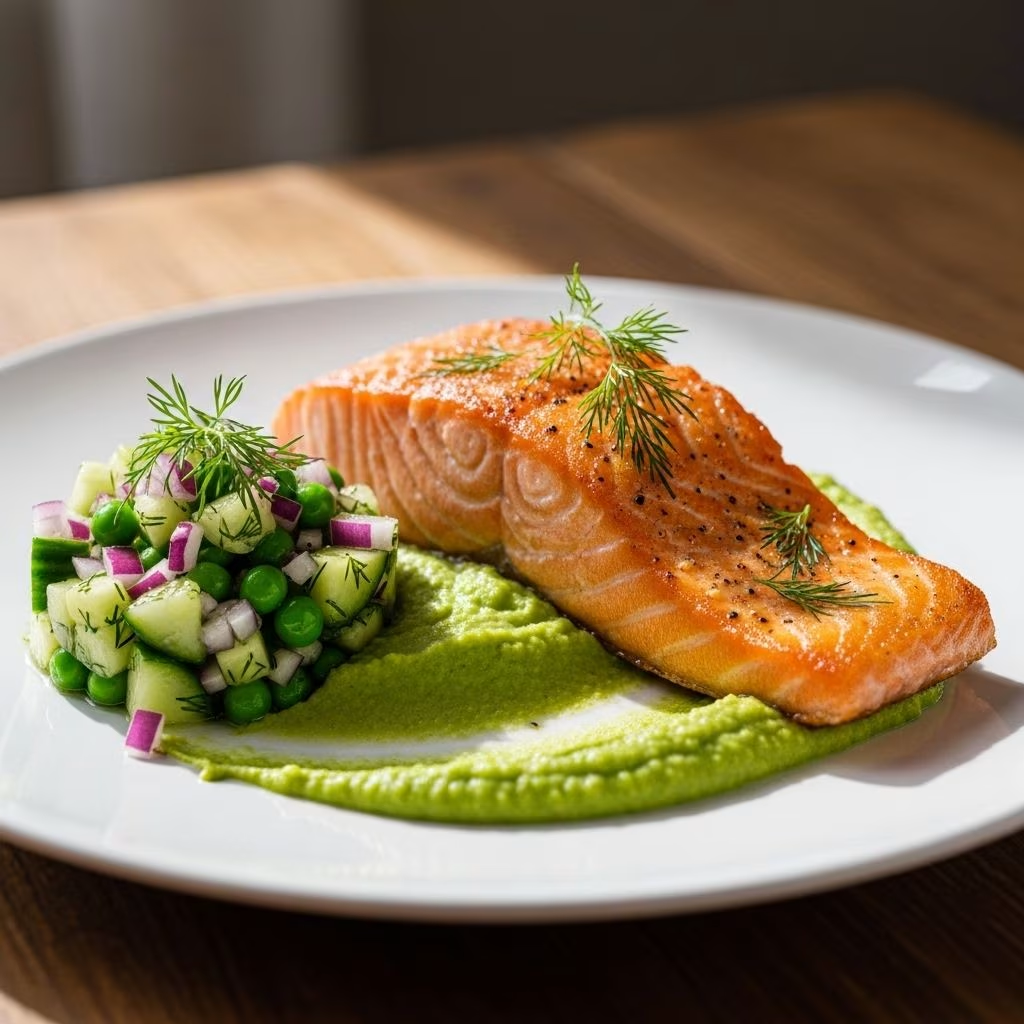
If you’re searching for a dish that combines vibrant flavors, nutrition, and gut-friendly ingredients, look no further than this salmon with broccoli-pea puree and fresh cucumber salsa. This recipe brings together flaky, perfectly broiled salmon, a creamy green vegetable puree, and a tangy, crunchy salsa for a meal that’s as nourishing as it is colorful.
The Benefits of Salmon and Veggies
Salmon is not only delicious but also an excellent source of omega-3 fatty acids—vital nutrients that the human body can’t produce on its own. These healthy fats are linked to reduced inflammation, improved heart health, and enhanced brain function. Pairing salmon with high-fiber vegetables such as broccoli, peas, and cucumber creates a meal that’s low in saturated fat, rich in vitamins, and supportive of both gut and overall health.
- Omega-3s: Boost cardiovascular and brain health.
- Broccoli & Peas: Packed with fiber, antioxidants, and vitamins A, C, and K.
- Cucumber Salsa: Adds hydration and crunch; fresh dill and grapes deliver antioxidants and unique flavor.
Ingredients
- Persian cucumbers (3, chopped)
- Red grapes (1½ cups, halved)
- Fresh dill (2 Tbsp, chopped)
- Red pepper flakes (⅛ tsp; use more if you want more heat)
- Lemon juice (4 Tbsp, divided)
- Cooking oil (2 Tbsp, divided; choose olive, canola, or another preferred oil)
- Kosher salt and black pepper
- Large onion (1, chopped)
- Frozen broccoli florets (2 x 10-oz bags)
- Frozen peas (1 x 10-oz bag)
- Salmon or Arctic char fillets (4 x 4-oz, skin-on preferred)
- Flaky sea salt (for serving, optional)
Step-by-Step Directions
- Prepare for Broiling
Position your oven rack about 6 inches from the broiler and set the broiler to high. This will allow the fish to cook through while developing a lightly crisped finish. - Make the Cucumber Salsa
Combine the chopped cucumbers, halved grapes, chopped dill, red pepper flakes, 1 tablespoon of the lemon juice, 1 tablespoon of the oil, and a quarter teaspoon each of kosher salt and black pepper in a medium bowl. Toss well and let the mixture rest, occasionally stirring, while you prepare the rest of the dish. Letting it sit allows the flavors to meld, creating a bright, tangy salsa. - Cook the Broccoli-Pea Puree
In a large pot, heat the remaining tablespoon of oil over medium. Add the chopped onion along with a half teaspoon each of salt and pepper. Cook, stirring frequently, until the onion becomes golden brown and tender—about 10–12 minutes. Add the frozen broccoli, frozen peas, 1 cup of water, and three-quarters teaspoon of salt. Cover the pot and simmer until the vegetables are very tender (a fork should easily pierce the broccoli florets), about 4–6 minutes. - Blend the Puree
Transfer the vegetable mixture carefully to a blender and blend to achieve a thick, smooth mash. (Alternatively, use an immersion blender directly in the pot.) Stir in the remaining 3 tablespoons of lemon juice. For a looser consistency, add up to a quarter cup additional water while blending. Taste and adjust seasoning with additional salt as needed. - Broil the Salmon
While the puree cooks and rests, place the salmon fillets skin-side down on a rimmed baking sheet. Sprinkle with a quarter teaspoon each of salt and black pepper. Broil the salmon until the flesh is opaque throughout and flakes easily with a fork—approximately 8–12 minutes, depending on the thickness of the fillets. - Assemble and Serve
Spoon generous helpings of the broccoli-pea puree onto individual plates or shallow bowls. Top each portion with a broiled salmon fillet and a healthy scoop of cucumber salsa. For extra flavor and texture, sprinkle the finished dish with flaky sea salt if desired.
Nutrition Facts (Per Serving)
| Nutrient | Amount |
|---|---|
| Calories | 374 kcal |
| Protein | 31 g |
| Carbohydrates | 34 g |
| Fiber | 8 g |
| Sugars | 18 g (0 g added) |
| Fat | 12 g (1.5 g saturated) |
| Cholesterol | 53 mg |
| Sodium | 941 mg |
Tips for Best Results
- Shop Responsibly: Choose wild-caught or sustainably farmed salmon for optimal quality and environmental impact.
- Use Fresh Dill: The dill brightens both the salsa and the puree—don’t skip it!
- Prep Ahead: The cucumber salsa can be made up to a day in advance and kept in the fridge, letting the flavors intensify.
- Skin-On Fillets: Baking with the skin on helps lock in moisture, making for tender, juicy salmon.
- Pea-Broccoli Variations: Adjust ratio of broccoli to peas based on taste preference for a greener or sweeter puree.
Garnish and Presentation Ideas
- Add microgreens or fresh mint leaves for a touch of color and freshness.
- Serve alongside a lemon wedge for extra citrus zing.
- Pair with a crisp white wine or sparkling water with cucumber slices.
Why This Recipe is Great for Gut Health
This meal emphasizes fiber-rich vegetables, lean protein, and anti-inflammatory omega-3s. Peas and broccoli both feed beneficial gut bacteria, supporting a healthy microbiome. The use of fermented or cultured ingredients (try a dollop of yogurt or crème fraîche atop the puree) can add probiotics for even more digestive benefits.
The inclusion of different textures and temperatures—warm puree, flaky salmon, cool crunchy salsa—makes eating this meal an engaging sensory experience. All components support satiety and steady energy.
Frequently Asked Questions (FAQs)
Q: Can I use fresh vegetables instead of frozen?
A: Absolutely. Fresh broccoli and peas work well. Keep in mind they may cook a little faster than frozen—just simmer until very tender before blending.
Q: What fish can I substitute for salmon?
A: Arctic char, trout, or even cod are excellent alternatives. Choose firm, mild-flavored fish for best results.
Q: Is this recipe suitable for meal prep?
A: Yes. The puree and salsa can be made up to two days ahead and kept in the fridge in airtight containers. The salmon is best cooked fresh for optimal texture but can be gently reheated.
Q: How do I make this dairy-free?
A: The core recipe is already dairy-free. If blending extra creaminess into the puree, opt for olive oil or a splash of plant-based milk instead of dairy.
Expert Tips for Perfect Broiled Salmon
- Let salmon reach room temperature before cooking for even results.
- Pat fillets dry to encourage crispy skin and prevent soggy results.
- Broil skin-side down; the skin acts as a barrier to help retain moisture.
- Watch closely—thinner fillets cook faster. Check after 8 minutes for doneness.
- Flake salmon gently with a fork; overcooking dries it out quickly.
More Ways to Customize Your Plate
- Herb Swaps: Fresh basil or mint can replace dill for a different spin on the salsa or puree.
- Salsa Add-ins: Diced avocado or thinly sliced radishes offer extra creaminess or crunch.
- Spice Boost: Add extra red pepper flakes or a drizzle of hot sauce for more heat.
- Texture Play: Top with toasted pine nuts or pumpkin seeds before serving for contrast.
- Sauce Alternatives: A spoonful of yogurt-lemon sauce can be served alongside for a creamy accent.
Salmon vs. Arctic Char for This Recipe
| Fish | Flavor | Omega-3 Content | Best Cooking Methods |
|---|---|---|---|
| Salmon | Rich, fatty, mild | High | Broil, grill, bake |
| Arctic Char | Mild, delicate, buttery | High | Broil, roast, pan-sear |
Sample 1-Day Meal Plan Featuring This Recipe
- Breakfast: Greek yogurt parfait with berries and seeds
- Lunch: Mixed greens with chickpeas, quinoa, lemon vinaigrette
- Dinner: Salmon with broccoli-pea puree, cucumber grape salsa
- Snack: Sliced cucumbers and hummus
Final Thoughts
This salmon with broccoli-pea puree and cucumber salsa delivers vibrant flavors, robust nutrition, and gut-friendly fiber in every bite. With quick preparation steps and versatile swaps, it’s an excellent addition to any weeknight menu or special occasion spread. Embrace the freshness and nourishment of this colorful recipe!
References
- https://www.prevention.com/food-nutrition/recipes/a34313831/salmon-broccoli-pea-puree-cucumber-salsa-recipe/
- https://candyflosslife.com/salmon-and-minted-pea-puree/
- https://pinchofyum.com/bang-bang-salmon-with-avocado-cucumber-salsa
- https://brainhealthkitchen.substack.com/p/salmon-with-broccoli-pea-puree-and
- https://www.prevention.com/food-nutrition/healthy-eating/g39431583/best-salmon-recipes/