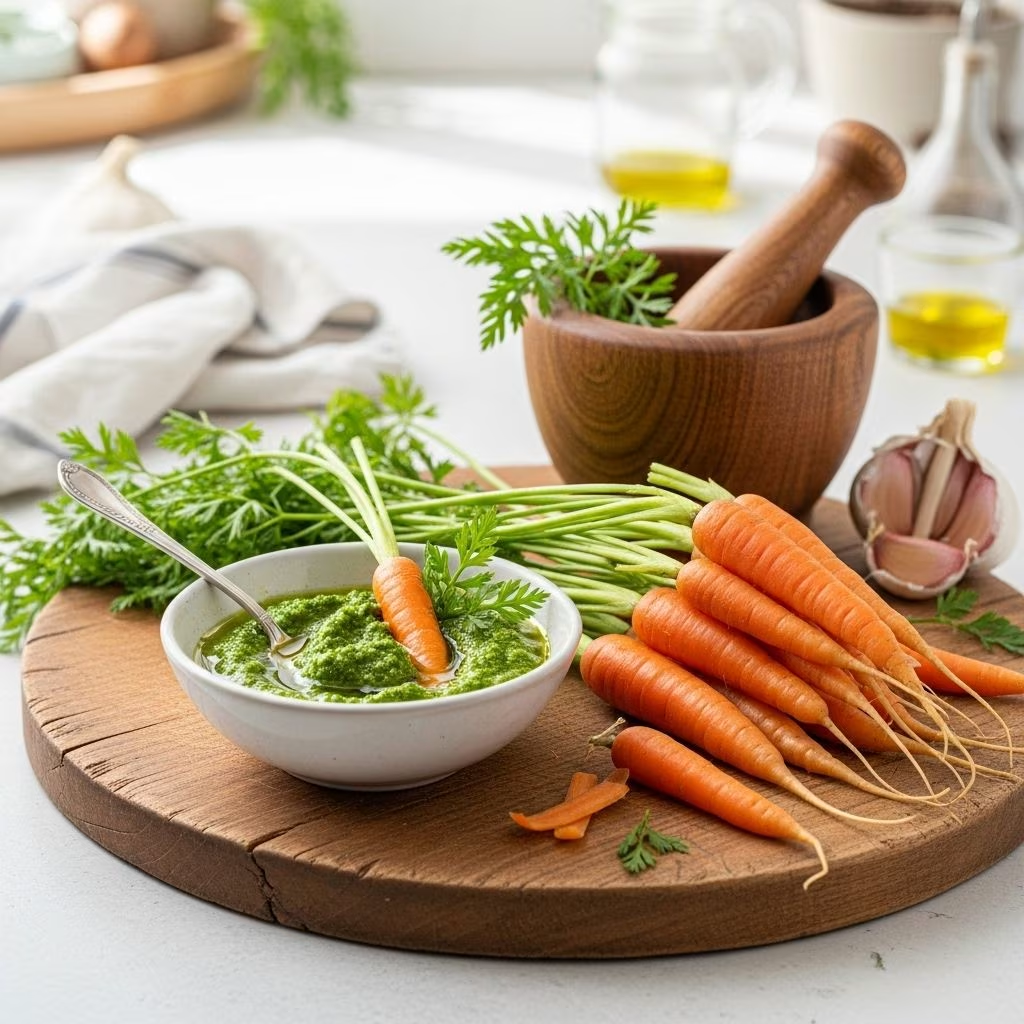
Most people toss out the bushy green tops of carrots, but did you know these vibrant greens are edible, flavorful, and perfect for making a delicious pesto? Creating carrot top pesto not only maximizes your vegetable’s potential but also helps you live more sustainably by reducing food waste. In this comprehensive guide, you’ll learn how to turn those humble greens into a versatile, zesty spread that can brighten up endless dishes.
Why Use Carrot Tops? The Case for Edible Greens
Carrot greens are often overlooked, relegated to the compost bin or garbage. However, these leafy tops are not only edible but also highly nutritious. With a subtle, herbaceous flavor reminiscent of parsley (but with a unique, slightly earthy twist), carrot tops can add both nutrition and brightness to your meals.
- Reduce Food Waste: Using carrot tops means making the most of your produce and minimizing waste.
- Rich in Nutrients: Carrot greens are high in vitamin K, vitamin C, potassium, calcium, and dietary fiber.
- Eco-Friendly: Eating all edible parts of the plant supports sustainable eating.
What Does Carrot Top Pesto Taste Like?
Expect a fresh, bright, and slightly peppery profile. Carrot tops are milder than traditional basil, but offer a clean, grassy note—think of a cross between parsley and carrot with an added green freshness. Combined with classic pesto ingredients (nuts, cheese, garlic, olive oil, lemon), this creates a layered and vibrant flavor that stands out but doesn’t overpower.
Are Carrot Tops Safe to Eat?
Yes, carrot greens are safe to eat. While some confusion exists due to their naturally bitter taste, they are not toxic and have been consumed in various cuisines worldwide for centuries. However, as with any foraged green, always wash thoroughly to remove dirt and pesticides before using.
Recipe: Homemade Carrot Top Pesto
This easy recipe removes the guesswork and lets you create a homemade pesto bursting with flavor, nutrition, and color.
Ingredients
- 2 cups loosely packed carrot top leaves (remove thick, tough stems)
- 1/2 cup fresh parsley or mixed fresh herbs (optional for extra flavor)
- 1/3 cup walnuts, almonds, or pine nuts (toasted for deeper flavor)
- 2 cloves garlic, peeled
- 1/2 cup grated Parmesan cheese (or other hard cheese, or nutritional yeast for vegan option)
- Zest and juice of 1 lemon
- 1/2 cup extra virgin olive oil
- Salt and freshly ground black pepper, to taste
- Pinch of red pepper flakes (optional, for a gentle kick)
Instructions
- Prep the Carrot Tops: Trim off any tough stems. Rinse leaves thoroughly in cold water to remove dirt. Pat dry with a towel or use a salad spinner.
- Blend Ingredients: In a food processor or blender, combine nuts, garlic, cheese, and a pinch of salt. Pulse until finely chopped.
- Add Greens and Herbs: Add the carrot tops (and other herbs if using). Pulse until the greens are finely minced and everything is well incorporated.
- Emulsify: With the motor running, slowly stream in olive oil until the pesto is creamy and just pulls away from the sides. If it’s too thick, add a little more oil or a splash of water.
- Season: Add lemon zest and juice. Taste and adjust seasoning with salt, pepper, and lemon juice as desired. Stir in red pepper flakes if using.
- Serve: Spoon over dishes, toss with pasta, or store for later use. (See ideas below!)
Tips for the Best Carrot Top Pesto
- Use Only Tender Leaves: Woody stems can make your pesto stringy or bitter.
- Toast the Nuts: Lightly toast walnuts, pine nuts, or almonds for a nuttier, richer taste.
- Choose Your Cheese: Parmesan is classic, but pecorino or grana padano work well. For vegan pesto, swap in nutritional yeast.
- Flavor Variations: Mix in fresh herbs like cilantro, parsley, or tarragon for more complexity.
- Citrus Brightness: Don’t skip the lemon (zest and juice)—it lifts and balances the greens’ earthiness.
- Texture Control: Add olive oil gradually until your desired consistency is reached—pesto can be thick for spreading or thinner for drizzling.
Creative Ways to Use Carrot Top Pesto
Wondering what to do with your homemade batch? This pesto’s adaptability makes it a kitchen favorite.
- Tossed with Pasta: Classic and satisfying—add a splash of pasta cooking water for a glossy sauce.
- Spread on Sandwiches: Swap out mayo for a green, herby layer on grilled cheese or veggie sandwiches.
- Drizzled on Roasted Vegetables: Especially great over roasted carrots, potatoes, or cauliflower.
- Dip for Crackers or Crudités: Serve as an appetizer or healthy snack.
- Swirl into Soups: Spoon over carrot or potato soup for extra flavor.
- Salad Dressing: Thin with more olive oil and lemon juice for a zesty salad topper.
- Eggs or Grain Bowls: A dollop over poached eggs or grain bowls adds a vibrant finish.
Storage Tips and Make-Ahead Advice
| Storage Method | How Long | Tips |
|---|---|---|
| Refrigerator | Up to 1 week | Store in an airtight jar. Cover surface with a layer of olive oil to help prevent browning. |
| Freezer | Up to 6 months | Portion pesto into ice cube trays, freeze, then transfer cubes to a freezer bag. |
- Avoid Bitter Flavors: If your pesto tastes bitter, try adding extra lemon juice or a pinch of sugar to balance it out.
- Keep Vibrant Color: Cover your pesto tightly and keep cold as oxidation causes browning.
Customization: Making Carrot Top Pesto Your Own
- Nut-Free: Use sunflower seeds or pumpkin seeds instead of tree nuts.
- Dairy-Free or Vegan: Omit cheese and use nutritional yeast for savory flavor.
- Spicy: Add a pinch of chili flakes, cumin, turmeric, or even ginger for a global flavor twist.
Nutritional Benefits of Carrot Top Pesto
This vibrant spread isn’t just delicious—it’s loaded with nutrients:
- Vitamins: Especially high in vitamin K, vitamin C, and vitamin A precursors.
- Minerals: A source of potassium, calcium, magnesium, and iron.
- Healthy Fats: From olive oil and nuts.
- Fiber: For better digestion.
Eating carrot top pesto helps you work more plant-based, nutrient-rich foods into your diet while cutting food waste.
Frequently Asked Questions (FAQs)
Q: Are carrot greens harmless?
A: Yes—carrot greens are safe and nutritious for most people when thoroughly washed. Some individuals may react to wild carrot (Queen Anne’s lace) tops, so ensure you’re using true carrot greens from the market or garden.
Q: Do you need to blanch carrot tops before making pesto?
A: Blanching is optional. Most recipes use raw carrot tops for maximum flavor, but blanching for 10–15 seconds can mellow bitterness if desired.
Q: How can I use up leftover carrot pesto?
A: Besides pasta and spreads, add to vinaigrettes, swirl into soups or stews, drizzle over grilled meats, or spoon onto grain bowls.
Q: Can I freeze carrot top pesto?
A: Yes! Freeze in spoonfuls or ice cube trays for convenient, single-use portions. Just thaw and stir before serving.
Q: Are the stems edible?
A: Tender stems are fine to include, but tough or woody stems can be stringy—best saved for homemade stock.
Join the Food Waste Revolution: Why Everyone Should Try Carrot Top Pesto
Carrot top pesto exemplifies kitchen creativity that’s both eco-conscious and delicious. By using parts of produce that are usually discarded, you anchor your cooking in sustainability and rediscover flavors and nutrients overlooked in standard diets. Whether you’re passionate about reducing food waste, looking for nutritious plant-based recipes, or simply eager for a fresh take on pesto, carrot top pesto deserves a spot in your culinary repertoire.
Quick Reference: Carrot Top Pesto Recipe Table
| Ingredient | Amount |
|---|---|
| Carrot Top Leaves | 2 cups, packed |
| Fresh Herbs (Parsley, Tarragon) | 1/2 cup (optional) |
| Nuts (Walnuts, Almonds, Pine Nuts) | 1/3 cup, toasted |
| Garlic | 2 cloves |
| Parmesan Cheese | 1/2 cup, grated |
| Lemon (Zest & Juice) | 1 lemon |
| Olive Oil | 1/2 cup |
| Salt & Pepper | To taste |
| Red Pepper Flakes | Optional |
Pesto Variations and Upgrades
- Dressing Variation: Whisk a spoonful of carrot top pesto with two tablespoons of olive oil, a splash of hot water, and extra lemon or white balsamic vinegar for a quick salad or roasted-vegetable dressing.
- Flavor Add-ins: Spice it up with cardamom, cumin, turmeric, or chili flakes for global flavors and a unique twist.
- For Kids: Kids love dipping veggies in this colorful pesto—it’s a fun way to introduce new greens.
- Batch Cooking: Double or triple the recipe and freeze for later.
Carrot top pesto is more than just a recipe—it’s a step toward sustainable, creative home cooking. Next time you bring home a bunch of carrots with leafy tops, think before you toss. With a few simple ingredients and a blender, you can turn kitchen “scraps” into culinary gold.
References
- https://www.ontheacre.com/home/2021/6/29/carrot-top-pesto
- https://piedmontmastergardeners.org/article/carrot-top-pesto/
- https://mvmagazine.com/news/2022/02/21/carrot-top-pesto-dressing-variation
- https://chefmonicaglass.com/journal/carrottoppesto
- https://www.youtube.com/watch?v=vIHWecSKvLs
- https://connect.bcbsnm.com/nutrition/w/recipe-book/175/no-nut-carrot-top-pesto