Cricket Foods: The Sustainable Protein Revolution
Imagine a protein source as nutritious as beef, gentler on the planet than soy, and versatile enough to blend into your favorite smoothie—now picture it with wings. Once thought of as a peculiarity, cricket-based foods are making their way into grocery aisles, restaurants, and protein powders around the globe. Far from being a passing fad, crickets represent a promising solution to the quest for foods that are both healthy and sustainable.
Why Are People Eating Crickets?
The practice of eating insects, known as entomophagy, has existed for thousands of years in many cultures. Today, crickets are gaining new fans in the West, not simply for novelty but for their practical advantages.
- Nutrient Density: Crickets offer high-quality protein, a robust amino acid profile, and a wealth of essential vitamins and minerals.
- Environmental Benefits: Cricket farming uses far fewer resources than traditional livestock and helps reduce the food industry’s ecological footprint.
- Gut and Immune Health: Eating crickets may support a healthy gut microbiome and immune system, thanks to their fiber content and prebiotics.
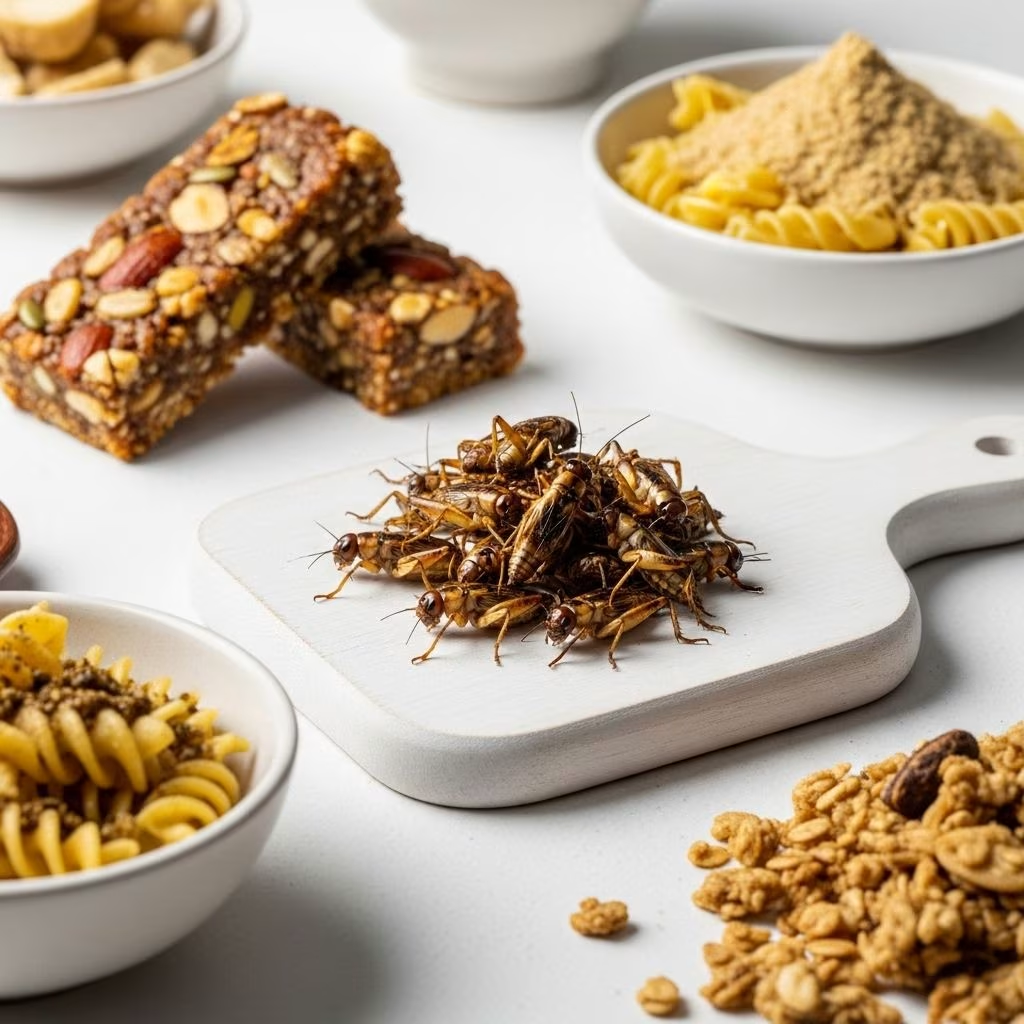
- Versatility: Cricket powder can be blended into smoothies, baked goods, energy bars, and even pasta, making it an easy addition to daily meals.
Cricket Nutrition Facts: What’s in a Cricket?
Crickets might be tiny, but their nutritional credentials are impressive. In fact, many food scientists and dietitians now call crickets a true “superfood.”
| Nutrient | Per 100g (Cricket Powder) | Significance |
|---|---|---|
| Protein | ~65% | Comparable to or higher than beef, eggs, and chicken. |
| Amino Acids | All 9 essential | Complete protein source; excellent for athletes and vegetarians. |
| Vitamin B12 | Significant | Higher than many animal products; supports nerve and blood health. |
| Iron | More than spinach | Essential for oxygen transport. |
| Omega-3s & Healthy Fats | High | Heart-healthy fats, low in saturated fat. |
| Fiber (as chitin) | Rich | Acts as prebiotic, aids digestion. |
| Minerals | Zinc, calcium, potassium | Higher insect-for-insect than many plant and animal foods. |
Crickets are low in carbohydrates, gluten-free, and dairy-free, making them suitable for many diets. Their mild, nutty taste means they can easily complement a variety of recipes.
The Environmental Impact: Are Crickets Really Eco-Friendly?
Perhaps the most compelling argument for cricket-based foods is their exceptionally low environmental impact. Compared to traditional livestock, crickets require dramatically less:
- Water: 1,800 times less than beef for the same protein output.
- Feed: 12 times less than beef to generate similar protein.
- Land: Can be farmed vertically in urban or rural settings, saving precious land for other uses.
- Greenhouse Gas Emissions: 100 times less than cattle.
Cricket farming also produces significantly less livestock manure and requires minimal antibiotics or pesticides. For these reasons, the United Nations has supported edible insects as a way to address both food insecurity and environmental sustainability.
Health Benefits of Cricket Protein
Beyond basic nutrition, cricket protein appears to offer several unique health benefits:
- Digestibility: Protein from crickets is highly bioavailable, meaning your body can make use of more of the nutrients compared to some plant-based proteins.
- Complete Protein: Many cricket species provide all the essential amino acids, surpassing the quality of most plant proteins.
- Prebiotic Fiber: The chitin in cricket exoskeletons is an insoluble fiber, acting as a prebiotic that supports beneficial gut bacteria and can help regulate digestion.
- Vitamin and Mineral Support: Crickets deliver higher levels of iron, zinc, calcium, and vitamin B12 than most animal and plant foods, contributing to improved energy, bone health, and immunity.
- Potential Anti-Inflammatory Effects: Some studies have found that consuming cricket powder may decrease certain inflammatory markers in the body, which could have long-term health benefits.
How Do Cricket Foods Taste?
One of the biggest barriers to trying cricket-based foods is the mental “ick” factor, but those who take the leap are frequently surprised by their taste and culinary versatility. Most commercial cricket powders and protein bars have a mildly nutty, earthy flavor that blends well in:
- Smoothies
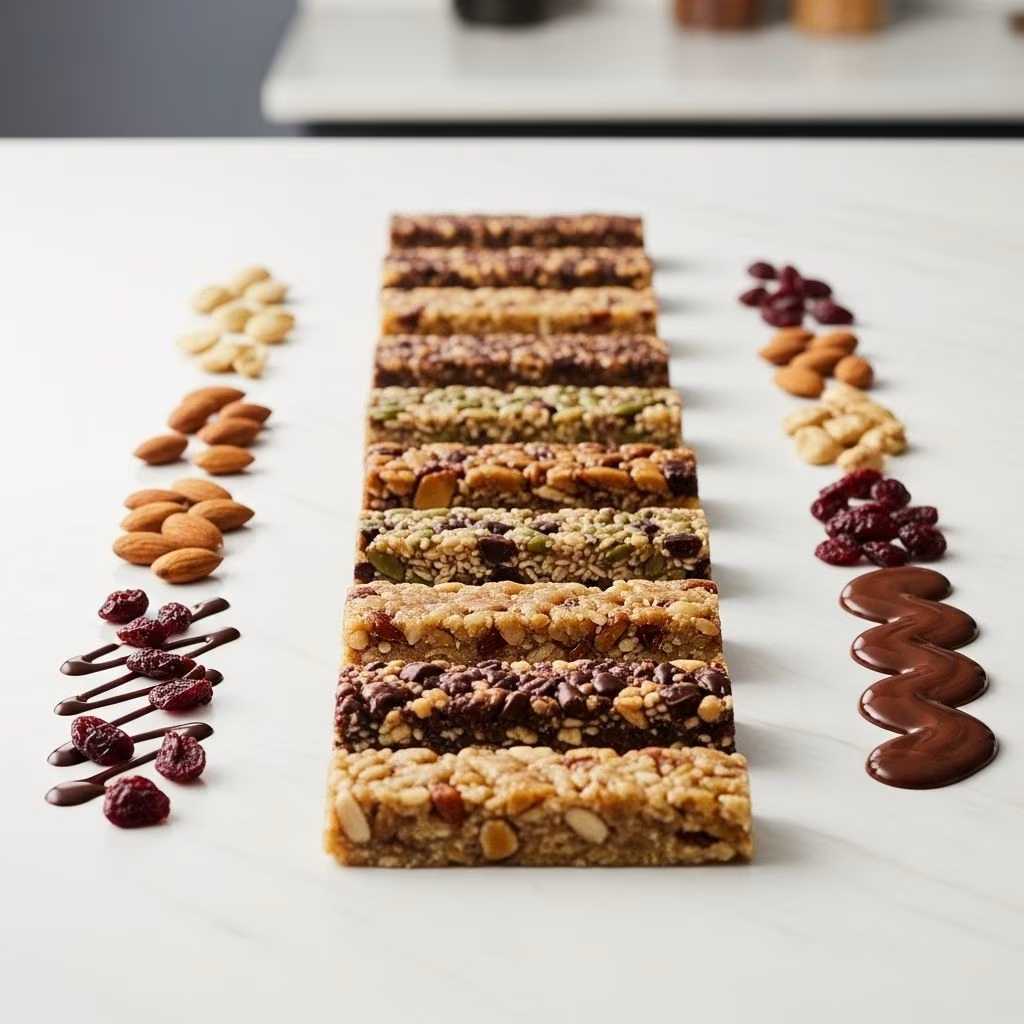
- Energy and protein bars
- Pancakes and waffles
- Pasta or baked goods
- Granola and snack bites
The fineness of cricket flour means it does not greatly alter the texture of foods and can often “hide” within recipes for those easing into the idea.
The Safety and Allergen Considerations
For the vast majority of consumers, cricket protein is completely safe. However, there are notable caveats:
- Shellfish Allergies: Insects and crustaceans (like shrimp and lobster) are closely related, so those with shellfish allergies should avoid cricket-based products or consult with an allergist before trying them.
- Food Safety Regulations: As the edible insect industry grows, health and safety guidelines are evolving to ensure the highest standards in farming and food processing.
- Pesticide-Free Assurance: Reputable cricket producers employ strict controls and avoid harmful pesticides, making products safe for consumption.
Cricket Protein for Athletes and Active Individuals
With its outstanding protein content, complete amino acid profile, and rapid digestibility, cricket protein is gaining popularity among athletes and fitness enthusiasts. Additional benefits include:
- Muscle Repair: All essential amino acids are present, contributing to muscle synthesis and recovery after workouts.
- Energy Support: Rich B vitamins, especially B12, play a crucial role in energy metabolism.
- Portability: Cricket-based powders, bars, and snacks are lightweight and shelf-stable, perfect for on-the-go nutrition.
- Gut Health: The prebiotic fiber in cricket powder can be especially helpful for maintaining overall digestive wellness.
Are Cricket Foods the Solution to Global Food Insecurity?
With climate change, population growth, and dwindling resources threatening global food security, crickets and other edible insects are drawing serious interest from international agencies and nutrition scientists. Adding cricket-derived flours and powders to food staples can:
- Address nutrient deficiencies (such as anemia and stunting) in developing regions.
- Provide cost-effective protein for schools, relief programs, and emerging economies.
- Support marginalized groups with high-quality, accessible nutrition.
Crickets are already an accepted part of diets in parts of Asia, Africa, and Central America. With continued research and education, cricket-based foods could help build a more resilient, equitable global food system.
How to Try Cricket Foods: Tips for Beginners
Not sure where to start? Here are simple ways to integrate cricket-based foods into your diet:
- Start Small: Try an energy bar or cookie made with cricket flour to familiarize yourself with the taste and texture.
- Blend Into Smoothies: Add a scoop of cricket protein powder into shakes or oatmeal for a protein boost.
- Substitute in Recipes: Replace a small portion of traditional flour with cricket flour in pancakes, brownies, or muffins.
- Seek Out Specialty Products: Many brands now offer pastas, chips, or jerkies containing cricket protein.
- Look for Certification: Purchase from reputable producers who commit to organic, sustainable, and allergen-conscious practices.
The Future of Cricket-Based Foods
The edible insect industry is expanding rapidly, with projections of double-digit growth in the coming years. Major food companies, chefs, and nutritionists are paying attention. Factors contributing to the rise of cricket foods include:
- Consumer demand for sustainable protein sources
- Rising awareness of climate and health challenges
- Novel culinary and product innovations
- Shifting attitudes toward alternative proteins
While it may take time for mainstream Western palates to fully embrace crickets, the combination of nutrition, sustainability, and taste is an equation that’s hard to beat.
Frequently Asked Questions (FAQs)
Q: Are crickets safe to eat?
A: Crickets sold for human consumption are safe for most people when sourced from reputable producers. Those with shellfish allergies should exercise caution, as insect proteins are related to crustaceans.
Q: Can you taste crickets in cricket powder-based foods?
A: Most people describe the flavor as mild and nutty. When blended into recipes like smoothies or baked goods, the taste is barely noticeable.
Q: How do crickets compare to traditional animal proteins?
A: Cricket protein is comparable to beef or chicken in overall protein content, offers a complete amino acid profile, and excels in many key vitamins and minerals while being much less resource-intensive to produce.
Q: Is cricket protein gluten-free and suitable for special diets?
A: Yes, cricket protein is gluten-free, dairy-free, and Paleo-friendly. Always check product labels for additional ingredients if you have food sensitivities.
Q: Where can I buy cricket-based foods?
A: Cricket protein powders, bars, and snacks are available online and at specialty health food retailers. As interest grows, expect them to become more common in mainstream stores.
References
- https://www.healthline.com/nutrition/eating-crickets
- https://www.todaysdietitian.com/newarchives/0322p10.shtml
- https://mightycricket.com/cricket-protein/
- https://balancedhealthstyles.com/benefits-of-cricket-protein/
- https://pmc.ncbi.nlm.nih.gov/articles/PMC8382788/
- https://health.clevelandclinic.org/acheta-protein-eating-crickets
- https://pmc.ncbi.nlm.nih.gov/articles/PMC7835793/
- https://chippinpet.com/blogs/thechippintimes/cricket-superfood-for-dogs
- https://www.protanica.com/post/why-cricket-protein-is-the-future-of-sustainable-nutrition