Glutathione: The Master Antioxidant and Its Impact on Your Health
Glutathione is often hailed as the body’s ‘master antioxidant,’ renowned for its essential role in defending cells against damage, supporting detoxification, bolstering immunity, and keeping the body in balance. Whether you’ve heard of it from wellness trends or are curious about the science behind it, understanding glutathione’s functions can offer a new perspective on holistic health and disease prevention.
What is Glutathione?
Glutathione is a tripeptide made from the amino acids cysteine, glutamic acid, and glycine. It is produced naturally in nearly every cell in the body, with especially high concentrations in the liver. What makes glutathione unique is its ability to directly neutralize free radicals and continuously recycle other antioxidants, enhancing your body’s capacity for cellular defense.
- Endogenous antioxidant: Made in the body, crucial for internal balance.
- Protection against oxidative stress: Shields cells from damage by reactive oxygen species.
- Key to detoxification: Acts as a major detoxifier, especially in the liver.
How Does Glutathione Work?
The central function of glutathione is to safeguard cells from free radicals, unstable molecules that can harm DNA and membranes. In addition to its powerful antioxidant properties, glutathione:
- Binds to and neutralizes toxins—making them easier to eliminate.
- Regenerates other antioxidants such as vitamins C and E.
- Supports the activity of immune cells and defends the body from pathogens.
Main Health Benefits of Glutathione
Research and clinical experience highlight a range of potential health effects when glutathione levels are optimal. Below are the most frequently described benefits:
1. Enhances Detoxification and Liver Support
One of glutathione’s most vital functions is aiding the liver in removing toxins from the bloodstream. It attaches itself to heavy metals, pollutants, and metabolic byproducts, transforming them into compounds that can be safely excreted.
- Key for liver protection, especially against the effects of alcohol, pollution, and certain medications.
- Critical in reversing acetaminophen (paracetamol) toxicity and managing overdose.
- Helps prevent and reduce oxidative damage in both alcoholic and nonalcoholic fatty liver disease.
2. Strengthens Immune System Defenses
Glutathione contributes to a responsive, balanced immune system. It maintains the strength of white blood cells, encourages antibody production, and regulates inflammation—thereby helping the body effectively combat infections and disease.
- Vital for lymphocyte function and proliferation
- Correlated with fewer infections and quicker recovery times when sufficient
- Reduction in glutathione levels is linked with immune suppression
3. Reduces Oxidative Stress and Supports Longevity
By neutralizing free radicals, glutathione protects cellular components like DNA, proteins, and lipids. This process slows age-related degeneration and may decrease the risk for diseases driven by chronic oxidative stress such as diabetes, Parkinson’s disease, and some cancers.
- May reduce cellular aging and the appearance of fine lines and wrinkles
- Supports heart, brain, and organ health by shielding them from oxidative damage
4. Promotes Healthy, Radiant Skin
Glutathione’s popularity in the beauty world is linked to its reputed ability to brighten the skin and reduce hyperpigmentation. Its antioxidant activity protects against UV damage and environmental stress, helping to preserve a youthful complexion.
- Helps lighten dark spots and even skin tone
- Defends against free radicals that can accelerate skin aging
- IV and oral forms are increasingly used for skin-brightening benefits
5. Supports Brain Function and Cognitive Health
Emerging research suggests glutathione plays a role in preserving brain health. It helps to lower inflammation and oxidative damage in brain tissue, potentially reducing the risk or progression of neurodegenerative diseases such as Alzheimer’s and Parkinson’s.
- Linked to sharper cognition and memory
- May lessen oxidative damage in neurodegeneration
6. May Improve Energy Levels and Athletic Performance
Glutathione is fundamental to mitochondrial function, supporting cellular energy output. Athletes and those seeking greater endurance may experience reduced muscle fatigue and enhanced recovery with adequate glutathione levels.
- Promotes faster recovery post-exercise
- Assists in breaking down lactic acid
- Can boost stamina and physical performance
7. Plays a Role in Heart and Vascular Health
Glutathione is involved in maintaining healthy blood vessels, supporting optimal blood flow, and reducing the risk of vascular disease. By minimizing oxidative stress, it can help protect the delicate lining of the arteries, known as the endothelium.
- May help lower blood pressure
- Reduces the risk of plaque buildup and arterial stiffness
- Supports heart health in people both with and without cardiovascular risk factors
Signs of Glutathione Deficiency
Insufficient glutathione is linked to a surprising array of symptoms and conditions:
- Chronic fatigue and low energy
- Reduced muscle strength or unexplained pain
- Weakened immunity and frequent infections
- Cognitive decline (‘brain fog’)
- Increased inflammation in the body
How to Support and Boost Glutathione Levels
Glutathione can be supported naturally in the body, but supplementation and lifestyle can make a difference for those needing more robust antioxidant protection.
Dietary Strategies
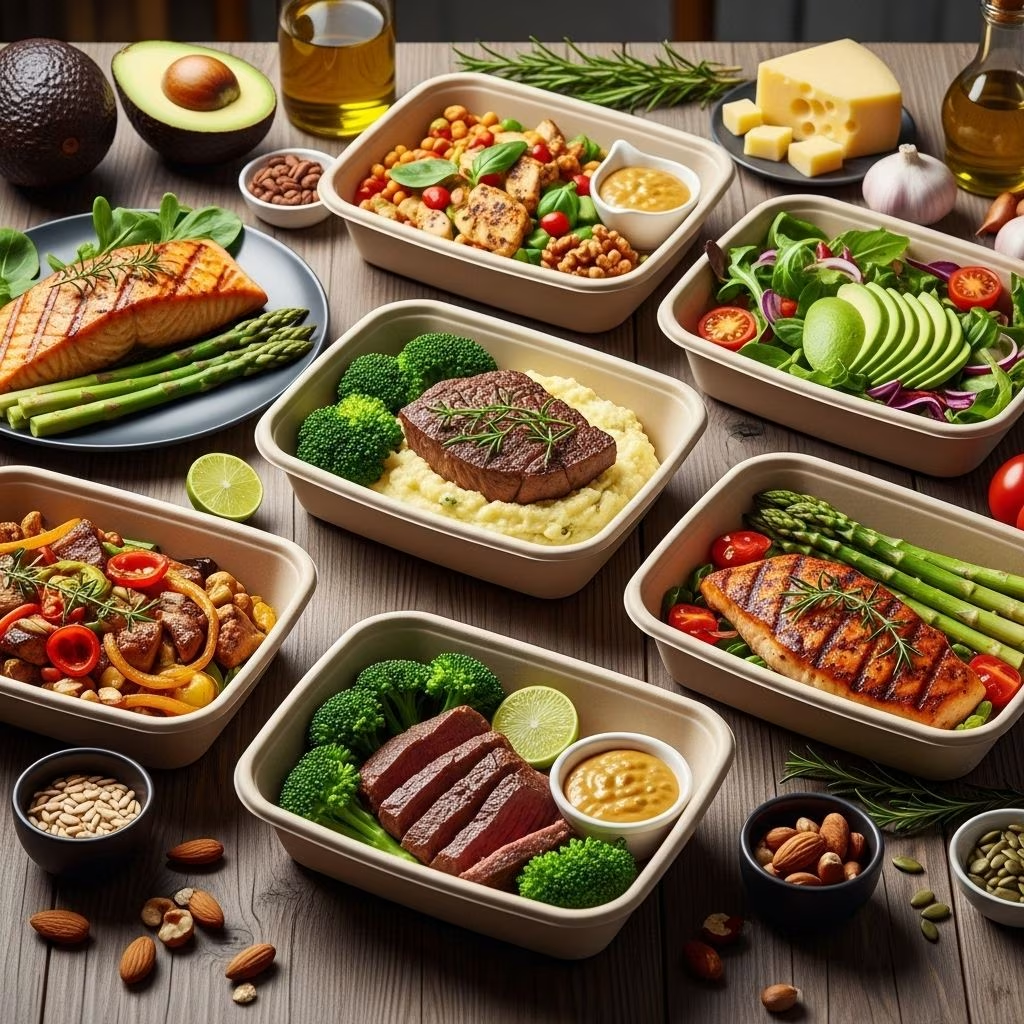
- Sulfur-rich vegetables: Broccoli, kale, cabbage, cauliflower, onions, and garlic support glutathione production.
- Protein sources: Whey protein, eggs, and legumes provide amino acids for glutathione synthesis.
- Foods high in selenium: Brazil nuts, sunflower seeds, tuna, and mushrooms aid glutathione activity.
Supplements and Therapeutic Forms
Glutathione supplements are available in several formulations, each with distinct absorption rates and intended uses.
| Form | Absorption | Best For |
|---|---|---|
| Oral capsules/tablets | Lower, varies | Daily maintenance, convenient use |
| Sublingual or liquid | Moderate to high | Faster, more efficient absorption |
| Intravenous (IV) infusion | Very high | Medical use, targeted therapy (skin/lightening, acute deficiency) |
| Topical preparations | Limited to skin | Certain dermatological or cosmetic goals |
Dosage: Always consult a healthcare professional to determine the right dose and form, especially when considering IV therapy or high-dose regimens.
Lifestyle Adjustments to Protect Glutathione
- Avoid smoking and minimize alcohol to safeguard existing glutathione reserves.
- Engage in regular moderate exercise to naturally boost levels.
- Manage stress through meditation, yoga, or mindfulness—chronic stress may deplete glutathione.
- Get sufficient sleep, as poor rest can lower glutathione production.
Scientific Evidence and Controversies
While there is robust research on glutathione’s basic functions and benefits, some clinical claims, especially those relating to anti-aging, skin lightening, and chronic disease prevention, are still being investigated. For instance:
- Studies suggest supplementation may help in specific types of liver disease and immune dysfunction, but evidence for wide-ranging anti-aging effects is mixed.
- Skin lightening results are more anecdotal and may not be consistent for everyone.
- High-dose or intravenous use should be supervised due to potential risks and lack of long-term safety data.
Potential Risks and Side Effects
Glutathione supplementation is considered safe for most people when used in appropriate amounts, but possible side effects include:
- Abdominal cramps or bloating
- Rare allergic reactions (skin rash, itching)
- For those with asthma, high doses may increase the risk of wheezing
It’s essential to use reputable products and consult with a medical professional before starting any supplement regimen, especially for children, pregnant or breastfeeding women, or individuals on other medications.
Real-World Glutathione Use: From Wellness Clinics to Celebrities
Glutathione has become a buzzword in skin clinics and wellness centers. Celebrities and public figures have turned to intravenous infusions and supplements with claims of brighter skin, improved recovery after travel or stress, and immune ‘boosting’ effects. While these methods are trending, absorption levels and tangible benefits can vary.
It’s important to recognize that increasing glutathione is best approached holistically: through nutrition, healthy lifestyle, and—when warranted—thoughtful supplementation.
Frequently Asked Questions (FAQs)
Q: What does glutathione do for the skin?
A: Glutathione reduces oxidative stress, helps brighten skin tone, and may decrease the appearance of dark spots. Its main benefit is as an overall antioxidant, but some also use it for cosmetic lightening effects.
Q: Are there natural ways to raise glutathione levels?
A: Yes, consuming sulfur-rich vegetables, maintaining a balanced protein intake, exercising moderately, and minimizing toxin exposure all help support healthy glutathione production naturally.
Q: Is glutathione supplementation safe?
A: For most people, yes, especially at recommended doses. However, IV or high-dose therapies should always be medically supervised. People with certain health conditions should consult their doctor first.
Q: Who should consider glutathione supplements?
A: Those with chronic illness, liver or immune concerns, high oxidative stress, or looking for additional skin health support may benefit. Always discuss options with a healthcare provider to ensure it’s suitable for your situation.
Q: Can glutathione help with chronic diseases?
A: There is growing evidence that glutathione may support management in conditions like fatty liver disease, neurodegenerative disorders, and certain immune-related illnesses by reducing oxidative stress. Research is ongoing.
Takeaway
Glutathione is a versatile, indispensable antioxidant linked to cellular health, detoxification, immune defense, and vibrant skin. Whether through nutrition, well-considered supplements, or wellness therapies, maintaining your body’s glutathione can be a strategic part of overall health and longevity. As with any supplement or health strategy, balance and professional guidance are key to getting the most benefit from ‘the master antioxidant.’
References
- https://www.olympiapharmacy.com/blog/glutathione-benefits/
- https://alchemyclinic.com/the-master-antioxidant-glutathione/
- https://www.healthline.com/health/glutathione-benefits
- https://www.webmd.com/diet/health-benefits-glutathione
- https://cellularnutrition.solgar.com/blog/what-glutathione-comprehensive-guide-basics
- https://pmc.ncbi.nlm.nih.gov/articles/PMC4684116/
- https://ivelements.net/blog/glutathione-health-benefits
- https://livewellmd.net/the-ultimate-guide-to-glutathione/
- https://www.uclahealth.org/news/article/ask-the-doctors-what-do-glutathione-supplements-do