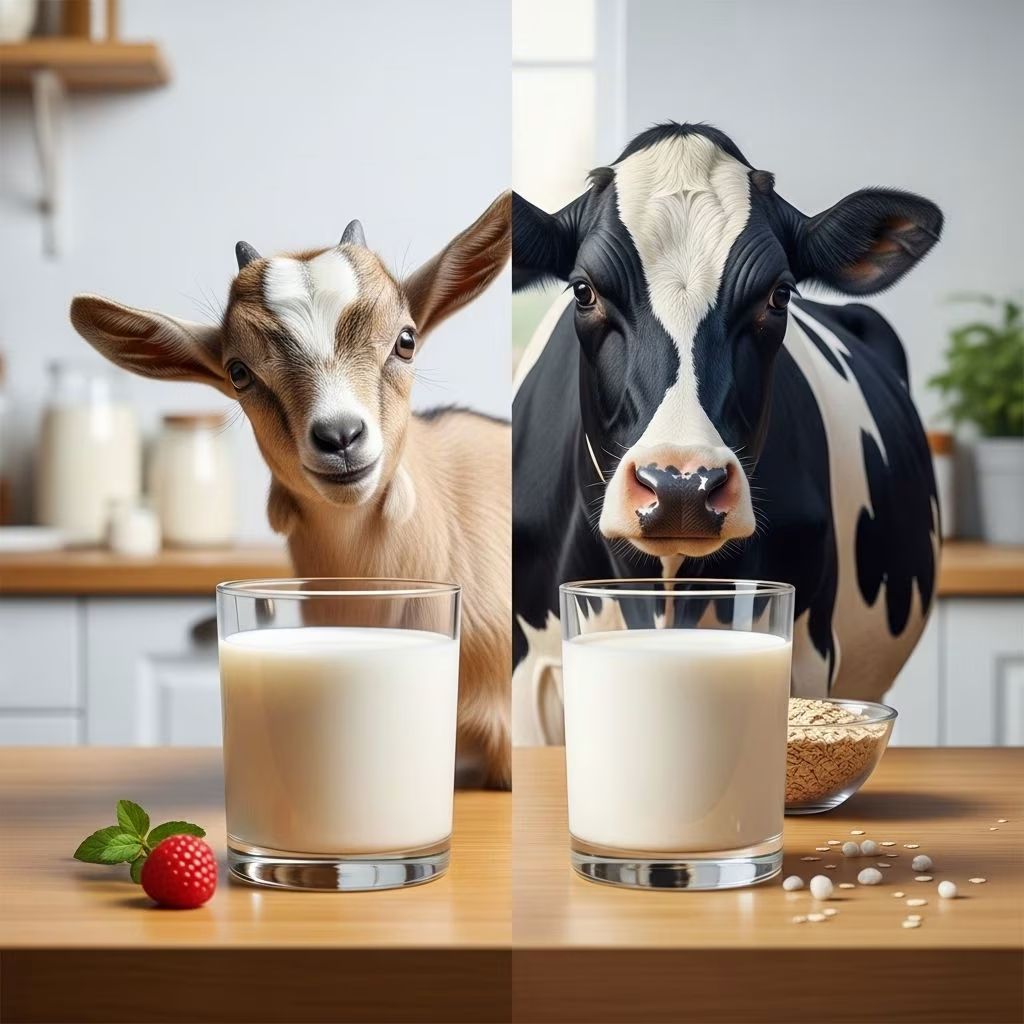
Goat Milk vs. Cow Milk: A Detailed Comparison
Milk is a daily staple for billions worldwide. Among the many varieties, cow milk and goat milk stand out as the most widely consumed animal milks. Yet, despite their similarities, these two types of milk have important differences—in nutrition, digestion, taste, and even their environmental footprint. If you’ve ever wondered whether you should make the switch, this guide breaks down everything you need to know about goat milk vs. cow milk.
Nutrition Facts: Goat Milk vs. Cow Milk
Both goat milk and cow milk are considered highly nutritious, providing key vitamins, minerals, and protein. However, each has a distinct nutrient profile.
| Nutrition (per 1 cup) | Goat Milk | Cow Milk |
|---|---|---|
| Calories | 170 | 151 |
| Total Fat | 10.1g | 8g |
| Saturated Fat | 6.5g | 5g |
| Cholesterol | 27mg | 31mg |
| Sodium | 122mg | 120mg |
| Total Carbohydrates | 10.9g | 11g |
| Sugars | 10.9g | 11g |
| Protein | 9g | 8g |
| Calcium | 327mg | 300mg |
| Potassium | 498mg | 362mg |
Key Nutritional Differences
- Goat milk is slightly higher in calories, total fat, and protein compared to cow milk.
- It also supplies more medium chain triglycerides (MCTs)—beneficial fats thought to boost energy and support metabolism.
- Goat milk has higher levels of magnesium, calcium, potassium, and vitamin A, and is richer in some trace minerals such as iron, copper, and phosphorus.
- Cow milk has higher amounts of vitamin B12, folate, zinc, and riboflavin (B2).
- The vitamin D content can be equal, but may vary depending on the source and whether the milk is fortified.
It’s worth noting that the nutritional profiles of both milks can fluctuate with breed, animal diet, season, and geography.
Digestibility: Which Milk Is Easier on the Stomach?
The ease with which milk is digested depends largely on its fat and protein structure, as well as the presence of lactose (milk sugar).
Why Goat Milk May Be Gentler
- Lower lactose: Goat milk contains slightly less lactose than cow milk, making it potentially easier for those with mild lactose sensitivity.
- A2 protein profile: Goat milk is naturally high in A2 beta-casein protein and low in A1 beta-casein (which is more common in cow milk). Some studies suggest A2 protein is less likely to trigger digestive discomfort.
- Digestible fats: Goat milk’s fat globules are smaller, and it is higher in short and medium chain fatty acids, which are rapidly digested and absorbed.
- Softer curds: In your stomach, goat milk forms softer, gentler curds than cow milk, meaning it passes through your digestive tract faster and with less irritation.
- Prebiotic content: Goat milk contains up to six times more oligosaccharides (prebiotic fibers) than cow milk, which nurture beneficial gut bacteria and may support immune health.
Who Should Consider Goat Milk?
- Individuals with mild lactose intolerance (distinct from a true allergy).
- Those who experience bloating or digestive discomfort after regular cow milk.
- Some babies and infants, particularly those with sensitive digestive systems (but always consult a pediatrician first).
However, children under one year should not be given any animal milk as a replacement for breast milk or infant formula without consulting a healthcare professional.
Allergies and Sensitivities
It’s crucial to distinguish between lactose intolerance and a true milk allergy.
- Milk allergy involves an immune reaction to milk proteins (casein or whey), and affects a small percentage of the population, especially children.
- Goat milk is not a safe option for those with a diagnosed cow milk allergy, as similar proteins in both milks can provoke reactions.
People who are only lactose intolerant (meaning they lack the enzyme lactase needed to break down milk sugar) may find goat milk less aggravating, but it still contains lactose.
Flavor and Culinary Uses
Flavor is subjective, but there are bite-sized differences between the two.
- Goat milk typically has a distinct, slightly tangy or earthy flavor. The ‘goaty’ taste is more prominent in older or less fresh milk, but mild, sweet goat milk is available with proper handling and pasteurization.
- Cow milk has a smoother, creamier, and more subtly sweet taste familiar to most palates.
In cooking and baking, both milks can be used interchangeably in many recipes. Goat milk is commonly found in gourmet cheeses and specialty dairy products, especially in Mediterranean, Middle Eastern, and French cuisines.
Environmental Impact
The environmental footprint of dairy production is increasingly coming under scrutiny. Here’s how goat and cow milk stack up:
- Goats generally require less land, water, and food than cows of equivalent milk output.
- Goat farming may have a smaller carbon footprint per gallon of milk and can be more sustainable on marginal or hilly lands.
- Cows, being larger, have greater greenhouse gas emissions and resource needs, but industrial dairy infrastructure is typically optimized for cows.
Choosing the Right Milk for You
Both milks have a place in a healthy diet, but your choice may depend on dietary restrictions, flavor preference, accessibility, and sustainability goals.
| Main Criteria | Goat Milk | Cow Milk |
|---|---|---|
| Calories & Fat | Higher in both | Lower |
| Minerals (Ca, Mg, K) | Higher | Good, but lower |
| Vitamins (A, C, B1) | Higher | Lower |
| Folate, B12, Zinc | Lower | Higher |
| Lactose Content | Lower | Higher |
| Digestibility | Often easier | May cause issues |
| Allergy Risk for Cow Milk Allergy | Unsafe | Unsafe |
| Typical Flavor | Tangy, earthy, stronger | Mild, creamy |
| Environmental Impact | Often lower, more sustainable on small operations | Higher, requires intensive resources |
Frequently Asked Questions (FAQs)
Q: Is goat milk healthier than cow milk?
Both have similar overall nutritional profiles, but goat milk is modestly higher in minerals such as calcium and potassium, with more digestible fats and slightly less lactose. For most people, differences are negligible unless you have specific digestive issues or nutrient needs.
Q: Is goat milk good for people with lactose intolerance?
Goat milk has slightly less lactose than cow milk, which might make it tolerable for some with mild lactose intolerance. However, it still contains lactose and is not suitable for people who are severely lactose intolerant.
Q: Can you drink goat milk if you are allergic to cows’ milk?
No. Goat milk can cause allergic reactions in those sensitive to cow milk proteins due to similar protein structures—always consult a doctor before switching.
Q: Why is goat milk more expensive?
Goat milk production is typically smaller scale, involving more hands-on care per animal and lower overall milk yields, which can increase costs.
Q: Can goat milk replace cow milk in recipes?
Yes, goat milk can usually be substituted cup-for-cup in recipes, but its distinctive flavor may be noticeable in delicate dishes.
The Bottom Line
Ultimately, the best milk for you depends on your individual health profile, taste preference, and grocery availability. Both goat and cow milk offer vital nutrients for bone, muscle, and immune health. While goat milk boasts minor advantages for digestive ease and a richer mineral profile, cow milk is more widely available and familiar to most palates. Try both and see what fits your needs—and speak with a nutritionist or doctor if you have allergies or chronic digestive problems.
References
- https://www.nourishwithkristin.com/blog/cowvsgoatmilk
- https://summerhilldairy.com/blog/goat-milk-vs-cow-milk/
- https://www.healthyfood.com/advice/is-goats-milk-as-nutritious-as-cows-milk/
- https://ijpras.com/storage/models/article/YXx3ziz2tev467ajLIYVqswgLxngn2YNmZNOqDvZfXNEjkzYgTKs2cKcZcJZ/comparison-between-nutritional-values-in-cows-milk-and-goat-milk-infant-formulas.pdf
- https://pmc.ncbi.nlm.nih.gov/articles/PMC6835441/
- https://summerhilldairy.com/why-goat-milk/goat-milk-vs-cow-milk/
- https://www.webmd.com/diet/goat-milk-are-there-health-benefits
- https://ijclinmedcasereports.com/pdf/IJCMCR-RW-01200.pdf
- https://pmc.ncbi.nlm.nih.gov/articles/PMC4676839/