Is Popcorn Healthy? Nutrition Facts, Health Benefits, and How to Enjoy It Wisely
Popcorn has long held a cherished spot in movie theaters and kitchen pantries, but is it actually good for you? This staple snack sparks plenty of debate: some laud its whole grain and fiber content, while others raise concerns about additives and portion sizes. Let’s dive into what science and expert nutritionists say about popcorn’s healthfulness, its nutritional makeup, and how to make it a smart addition to your diet.
Popcorn’s Nutritional Profile: What’s in Each Bite?
At its simplest, air-popped popcorn is a whole grain snack that delivers an impressive array of nutrients and very few calories per cup. The nutritional value of popcorn depends on its preparation method, but the base ingredient remains a minimally processed whole grain with high fiber and low fat when served plain.
- 1 cup air-popped popcorn: 30 calories
- 1 cup oil-popped popcorn: 35 calories
- 1 cup lightly buttered popcorn: ~80 calories
| Nutrient (per 100g air-popped) | Amount |
|---|---|
| Calories | 387 kcal |
| Protein | 13 g |
| Carbohydrates | 78 g |
| Fat | 5 g |
| Fiber | 15 g |
| Vitamin B1 (thiamine) | 7% DV |
| Vitamin B3 (niacin) | 12% DV |
| Vitamin B6 | 8% DV |
| Iron | 18% DV |
| Magnesium | 36% DV |
| Phosphorus | 36% DV |
| Potassium | 9% DV |
| Zinc | 21% DV |
| Copper | 13% DV |
| Manganese | 56% DV |
Popcorn also naturally contains folate, riboflavin, pantothenic acid, vitamin E, and vitamin K in smaller amounts . Importantly, it is cholesterol-free, nearly fat-free when unadulterated, and entirely unprocessed and non-GMO by nature .
Health Benefits: Why Popcorn Can Be Part of a Nutritious Diet
Popcorn is far more than just a crunchy treat. As a 100% whole grain, it provides unique advantages supported by dietary research and historical use. Here’s how popcorn can enhance your nutritional profile and general health when consumed wisely.
1. High in Dietary Fiber
Fiber is crucial for digestive regularity, gut health, and feelings of fullness after meals. Air-popped popcorn delivers a notable boost:
- One serving (3 cups) provides 3–4 grams of fiber—about 10% of the recommended daily amount for adults .
- High fiber intake is linked to lower risk of heart disease, improved cholesterol, and better blood sugar control .
- Popcorn’s fiber helps promote healthy gut bacteria, supporting overall digestive and immune health .
2. A Source of Polyphenol Antioxidants
Antioxidants help defend cells against the oxidative stress that contributes to aging and chronic diseases. Popcorn’s tough outer hull is particularly rich in polyphenols, including ferulic acid, lutein, and zeaxanthin .
- Ferulic acid may help reduce inflammation and lower the risk of certain cancers .
- Yellow popcorn contains carotenoid antioxidants, which support eye health and may help protect against age-related macular degeneration .
3. 100% Whole Grain—A Rarity Among Snack Foods
Popcorn, as a whole grain, offers all the same heart, metabolic, and digestive advantages as other whole grains:
- Whole grains are associated with reduced risks of type 2 diabetes, heart disease, and hypertension .
- Popcorn outshines many commercial snacks that are made from refined grains, lacking essential fiber, vitamins, and minerals.
4. Low Calorie and Supports Weight Management
- Air-popped popcorn is extremely low in calories compared to fried snacks, making it one of the most filling low-calorie treats available .
- Its high fiber content helps enhance satiety, so a moderate portion can satisfy cravings while helping prevent overeating .
5. Supports Blood Sugar Control
- Popcorn has a moderate glycemic index (GI ~55) and when eaten plain does not spike blood glucose, making it a suitable snack for people managing blood sugar .
- Fiber slows sugar absorption, further supporting glycemic control and weight management .
6. Nutritional Support for Energy, Mood, and Bone Health
- Vitamin B-complex in popcorn helps regulate metabolism, energy production, and supports nervous system function .
- Vitamin B3 (niacin) in popcorn may have a natural antidepressant effect and support brain health .
- Phosphorus and manganese content foster healthy bone density and cell function .
Potential Drawbacks: When Popcorn Isn’t So Healthy
Popcorn’s shining health profile dims when preparation methods or toppings introduce extra calories, fat, or sodium. Here are key caveats to keep in mind before making popcorn a daily staple:
- Butter, Oil, and Salt: Movie theater and prepackaged popcorns are usually high in saturated fats and salt—a combination linked to hypertension, heart disease, and excess calorie intake.
- Flavored Varieties: Caramel, cheese, or ‘kettle’ popcorns usually contain added sugars, fats, and artificial flavorings, undermining potential health benefits.
- Microwave Popcorn products, though labeled as quick and convenient, may contain artificial additives or unhealthy fats.
Tip: The health impact of popcorn depends less on the kernel, and more on what you add to it. Stick to air-popped, lightly seasoned popcorn to reap the benefits, as acknowledged by most nutritionists.
How to Prepare and Enjoy Popcorn—Healthier Ways
The best way to maximize popcorn’s nutrition is to control ingredients and cooking methods. Try these strategies for a healthier snack:
- Air-pop at home: Use an air popper or the stovetop with minimal oil for the healthiest popcorn base.
- Skip butter and opt for healthy oils: If you like oil, use a small amount of olive, avocado, or canola oil.
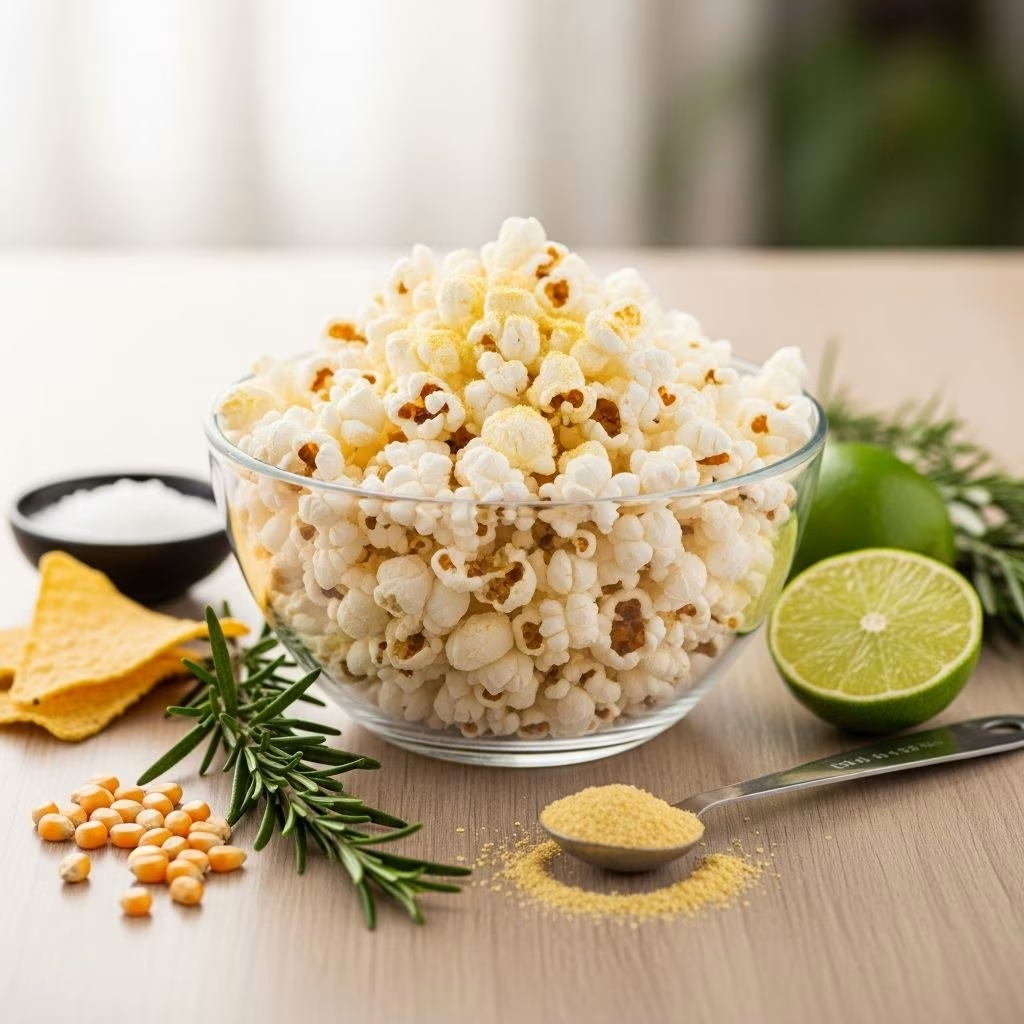
- Flavor creatively: Sprinkle with spices (chili powder, paprika, cinnamon), a pinch of sea salt, or nutritional yeast for flavor without extra calories or sodium.
- Control portions: Use a small bowl to avoid mindless snacking—a smart serving is 3 cups, popped.
Common Questions and Answers About Popcorn
Is popcorn gluten-free?
Yes. Popcorn is naturally gluten-free, making it a safe snack for people with celiac disease or gluten sensitivity. Just beware of added flavorings or packaged varieties that may introduce gluten contaminants.
Is popcorn safe for people with diabetes?
Yes, in moderation. Air-popped or minimally-seasoned popcorn has a moderate glycemic index and is digested slowly, which can aid in managing blood sugar levels .
Can you eat popcorn on a weight-loss diet?
Absolutely. The combination of low calories, high volume, and fiber makes popcorn filling and satisfying, supporting appetite management on calorie-controlled plans . Avoid heavy toppings to keep calories in check.
Is home-popped popcorn healthier than microwave or packaged varieties?
In most cases, yes. Homemade popcorn gives you control over fat, salt, and additives. Many commercial brands add palm oil, artificial flavorings, or excessive salt and sugar.
Is popcorn a whole grain?
Yes. Popcorn is a naturally unprocessed whole grain, containing the entire kernel—including the bran, germ, and endosperm—which delivers sustained energy, fiber, and nutrients .
How does popcorn compare to other whole-grain snacks?
| Snack (1 cup, typical serving) | Calories | Fiber (g) |
|---|---|---|
| Popcorn (air-popped) | 30 | 1.0 |
| Brown rice (cooked) | 215 | 3.5 |
| Wheat crackers | 120 | 1.0 |
| Corn chips | 140 | 1.0 |
Popcorn Myths and Truths
- Myth: “All popcorn is unhealthy.”
Truth: Plain, air-popped popcorn is a nutrient-rich, low-calorie snack; it’s ingredients and preparation that make the biggest impact on health. - Myth: “Popcorn has no nutritional value.”
Truth: Popcorn is rich in fiber, contains antioxidants, and beneficial vitamins and minerals as a true whole grain . - Myth: “Only ‘diet’ popcorn is healthy.”
Truth: Any unbuttered, unsweetened popcorn can be healthy. Many ‘diet’ or low-fat microwave popcorns add artificial flavors or salt instead of fats.
Tips to Make Your Popcorn Snack Smarter
- Limit serving size to 3–4 cups popped (ideal for snacking and calorie control).
- Flavor with herbs and spices (smoked paprika, black pepper, nutritional yeast) instead of salt, cheese powders, or caramel.
- Avoid store-bought bags—make your own to minimize sodium, fat, and preservatives.
- Experiment with healthy additions: Toss with pumpkin seeds, roasted chickpeas, or dried herbs for added crunch and nutrients.
Frequently Asked Questions (FAQs)
Q: Can popcorn trigger allergies?
A: True corn allergy is rare, but possible. Typical symptoms include hives, rash, or digestive discomfort. Individuals allergic to corn should avoid popcorn and related products.
Q: Is popcorn bad for dental health?
A: Unpopped kernels and hulls can get stuck in teeth or gums and sometimes damage dental work. Eat slowly and watch for hard, unpopped pieces.
Q: What about portion size for kids?
A: Serve smaller portions to children, and supervise younger kids (under 4), as popcorn can be a choking hazard for the very young.
Q: Can I eat popcorn every day?
A: Yes, if enjoyed as plain or minimally seasoned air-popped popcorn, and within daily calorie limits. Avoid butter-heavy, sugar-laden, or flavored varieties for routine consumption.
Q: Is organic popcorn better?
A: Organic popcorn avoids pesticides, but non-GMO conventional popcorn is also naturally unmodified. Both can be good choices if air-popped and not heavily seasoned.
Moderate, unbuttered popcorn is a healthy, whole-grain snack that fits nicely into most balanced diets. Enjoy it creatively and wisely, and let popcorn be more than just a movie night treat!
References
- https://www.ejmoams.com/ejmoams-articles/nutritional-value-and-health-benefits-of-popcorn-87942.html
- https://www.webmd.com/food-recipes/health-benefits-popcorn
- https://www.popcorn.org/All-About-Popcorn/Nutrition
- https://health.clevelandclinic.org/popcorn-benefits
- https://www.heart.org/en/news/2019/06/18/popcorn-as-a-snack-healthy-hit-or-dietary-horror-show
- https://tellus.ars.usda.gov/stories/articles/popcorn-a-healthy-whole-grain-snack
- https://www.mayoclinichealthsystem.org/hometown-health/speaking-of-health/discover-popcorns-healthy-side