Traditional Hanukkah Foods: Symbolic Recipes and Festive Delights
Hanukkah, the Jewish Festival of Lights, is celebrated with foods rich in history, symbolism, and flavor. Each dish not only delights the senses, but also commemorates the miracle of the oil that burned for eight nights in the rededicated Second Temple. Whether you’re observing ancient customs or seeking new culinary inspiration, here are the iconic foods and their stories that make Hanukkah celebrations memorable.
Why Hanukkah Is Celebrated with Food
At the heart of Hanukkah’s food traditions is the miracle of the oil. According to legend, a small flask of oil, enough to last only one night, miraculously lasted eight days during the rededication of the Holy Temple in Jerusalem. This event is honored through fried foods, symbolizing the central role oil played in the story and the enduring light it represents for the Jewish people.
- Fried foods: Symbolize the miracle of the oil.
- Dairy dishes: Commemorate the heroine Judith, who used dairy to defeat an enemy general.
- Hearty recipes: Warm, comforting dishes suit the winter season and bring family together.
The Essential Hanukkah Foods and Traditions
1. Potato Latkes (Potato Pancakes)
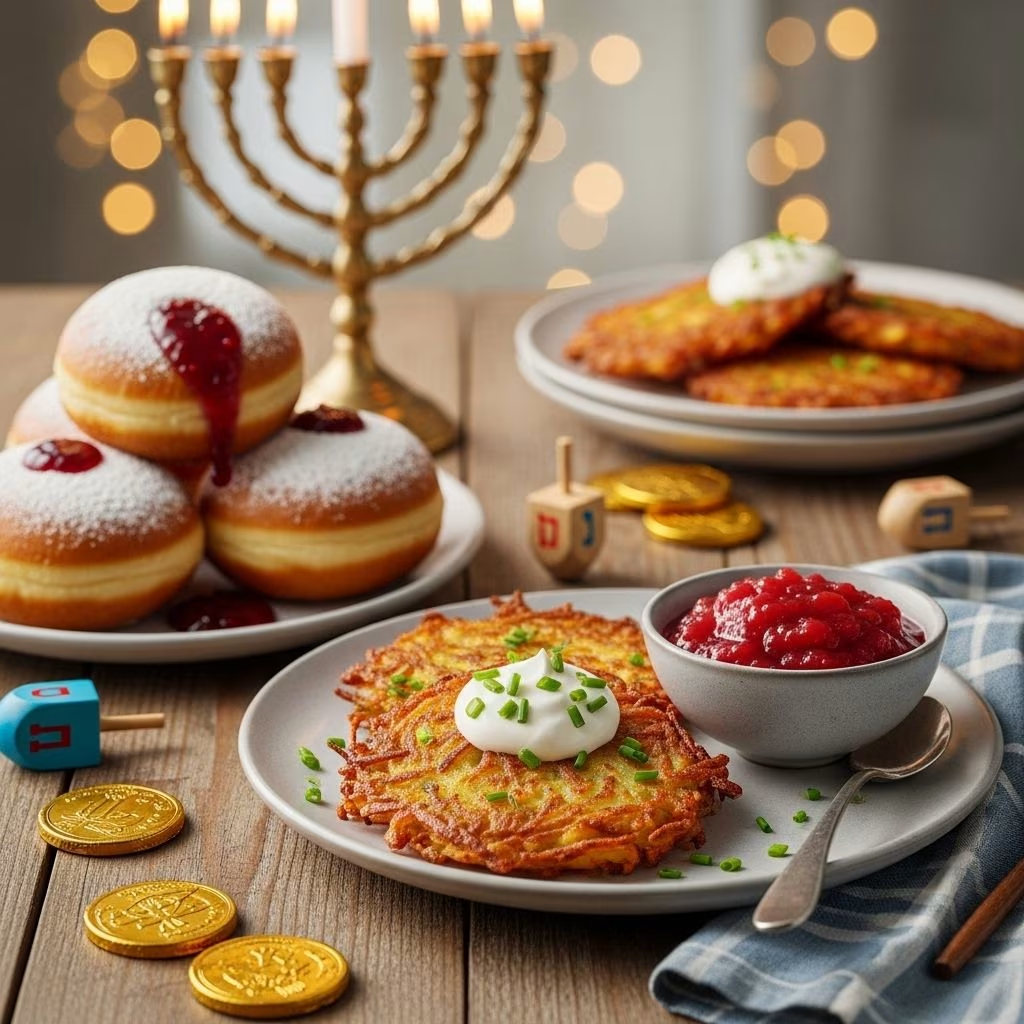
Potato latkes are crispy, golden pancakes made from shredded potatoes and onions, fried in plenty of oil. Latkes are the classic Hanukkah dish, deeply symbolic and beloved for their irresistible crunch and flavor.
- Often served with sour cream and applesauce.
- Many families experiment with variations using sweet potatoes, zucchini, or even cheese.
- Some contemporary recipes opt for baking instead of frying, but oil remains central for tradition.
Symbolism:
Latkes celebrate the miracle of oil and the resilience of Jewish people through the ages. Originally, other fried breads or cheeses were used; Eastern European Jews introduced potatoes in the 19th century, making latkes the staple they are today.
2. Sufganiyot (Jelly Doughnuts)
Sufganiyot are round, pillowy doughnuts fried in oil and filled with fruit preserves or jam, then dusted with powdered sugar. This festive treat is especially popular in Israel.
- Historically linked to the medieval practice of frying sweet pastries for Hanukkah.
- Traditionally filled with strawberry or raspberry jam, but modern variations include chocolate or custard.
- Always deep-fried to emphasize the significance of oil.
Symbolism:
The frying process commemorates the Hanukkah miracle and brings a sweet note to holiday gatherings, especially for children.
3. Brisket
Beef brisket is a hearty main course often served at Hanukkah meals. Slow-cooked until tender, it’s rich in flavor and pairs perfectly with starchy sides.
- Traditionally braised with onions, carrots, and herbs.
- Sometimes cooked with tomato sauce, wine, or root vegetables for added depth.
- Popular for its ability to feed a crowd and provide leftovers.
Significance:
Brisket is not specific to Hanukkah, but its warm and comforting nature has made it a fixture of Ashkenazi Jewish holiday tables, including Hanukkah and Passover.
4. Roasted Chicken
Roast chicken is another beloved main dish for Hanukkah, valued for its simplicity and ability to please both adults and children. Flavorful with herbs or simply seasoned, roast chicken is both festive and easy to prepare.
- Herbs like rosemary, thyme, and parsley are often used.
- Can be stuffed or paired with roasted vegetables or potatoes.
While roast chicken does not hold the same symbolic significance as fried foods, it contributes to the celebratory feel of a family meal and rounds out the Hanukkah spread.
5. Kugel
Kugel is a baked pudding or casserole, often made with egg noodles (lokshen kugel) or potatoes (potato kugel). It’s a quintessential Ashkenazi side dish, served at many Jewish holidays.
- Noodle kugel can be sweet, with raisins, cinnamon, and cottage cheese.
- Potato kugel resembles a giant latke and is usually savory and crispy.
Key Facts:
Kugel is prized for its versatility. It can be dairy or pareve (non-dairy), suiting kosher meal requirements. Sweet noodle kugel is especially popular among children, while savory versions appeal to adults.
6. Challah
Challah is a braided egg bread baked for Sabbath and holidays, including Hanukkah. Its slightly sweet, airy crumb makes it perfect for sharing and sopping up sauces and spreads.
- Can be shaped as a braid or in a round for a festive look.
- Often served as part of the main meal or at the start with blessings.
- Leftovers are used for French toast or bread pudding.
7. Applesauce and Sour Cream
Latkes are almost inseparable from their classic toppings: applesauce and sour cream. The debate over which is superior is a staple of many family gatherings.
- Applesauce offers a sweet contrast to savory latkes and is a nod to Ashkenazi influences.
- Sour cream complements the richness of fried potatoes, adding tang and coolness.
8. Root Vegetables and Roasted Sides
Root vegetables such as carrots, parsnips, and beets, roasted with olive oil and herbs, are common accompaniments at Hanukkah. These vegetables add color and natural sweetness to the meal.
- Oven roasting caramelizes flavors and brings out natural sugars.
- They provide a hearty, nutritious counterpoint to fried fare.
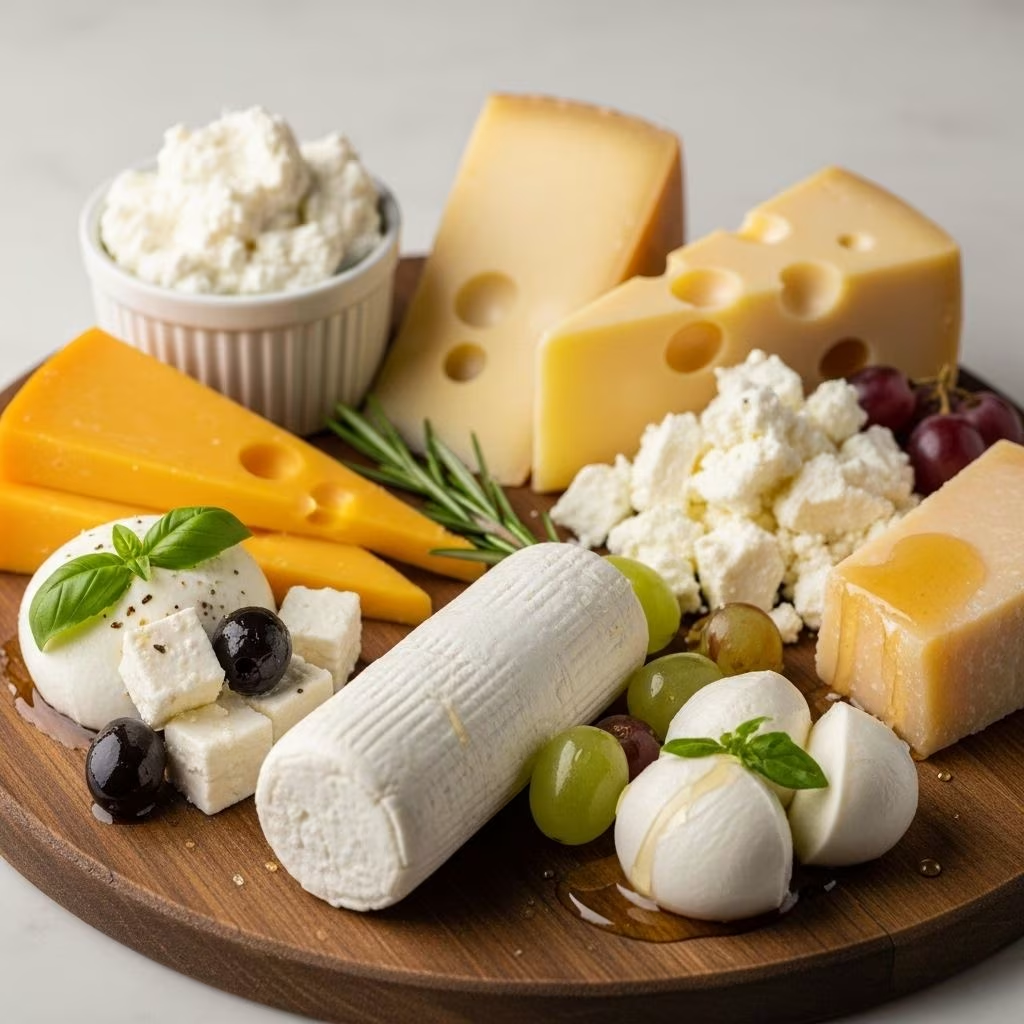
9. Cheese and Dairy Dishes
While fried foods are the main event, dairy dishes also feature during Hanukkah, inspired by the story of Judith. She is celebrated for feeding salty cheese to an enemy general, making him thirsty, and then giving him wine to make him sleepy, thus enabling his defeat.
- Cheese pancakes (cheese latkes) are traditional in Sephardic communities.
- Blintzes—thin pancakes filled with sweet cheese—are also sometimes served.
10. Chopped Liver
Chopped liver is a richly flavored spread made from sautéed chicken livers, onions, and eggs. It’s a classic Ashkenazi appetizer found on the holiday table.
- Served with challah or crackers.
- Eggs and caramelized onions add creaminess and depth to the flavor.
11. Other Hanukkah-Favorite Foods
- Buñuelos: Sephardic fried dough fritters, sometimes drizzled with honey.
- Oven-roasted root vegetables: A modern addition for color, texture, and nutrition.
- Modern latke twists: Zucchini, carrot, and even asparagus versions make appearances at contemporary tables.
Hanukkah Food Traditions from Different Cultures
While Ashkenazi Jews tend to favor latkes, kugel, brisket, and sufganiyot, Sephardic communities (from Spain, North Africa, and the Middle East) have their own distinctive Hanukkah favorites:
- Bimuelos or Buñuelos: Fried dough balls, sometimes sweet, sometimes savory.
- Keftes: Fried vegetable patties, sometimes made with leeks or spinach.
- Sephardic cheese pastries: Featuring tangy cheeses in flaky dough, emphasizing dairy traditions.
Sample Traditional Hanukkah Menu
| Course | Traditional Dish | Description |
|---|---|---|
| Appetizer | Chopped Liver, Cheese Latkes | Rich spread or savory pancakes, served with bread |
| Main | Brisket, Roast Chicken | Hearty roasted or braised meats, seasoned with herbs |
| Side | Potato Latkes, Kugel, Roasted root vegetables | Crispy pancakes, sweet or savory noodle/potato pudding, colorful vegetables |
| Condiment | Applesauce, Sour Cream | Classic toppings for latkes |
| Dessert | Sufganiyot, Buñuelos | Fried doughnuts and sweet fritters |
Hanukkah Food FAQs
Q: Why are foods fried in oil especially significant for Hanukkah?
A: Fried foods honor the miracle in which one day’s worth of holy oil lasted eight days during the rededication of the Second Temple. The process of frying in oil—whether for latkes, doughnuts, or other treats—stands as a symbol of this enduring light.
Q: Are there gluten-free Hanukkah food options?
A: Yes, many recipes for latkes and kugels can be adapted for gluten-free diets by using potato starch, gluten-free matzo meal, or alternative flours. Roasted vegetables and most meat dishes are naturally gluten-free.
Q: Is brisket a traditional Hanukkah food everywhere?
A: Brisket is particularly popular among Ashkenazi Jews, but is not universally specific to Hanukkah. It is served for many Jewish holidays thanks to its ability to serve large groups and provide comforting, rich flavors.
Q: What are some creative modern twists on classic Hanukkah dishes?
A: Today, home cooks often experiment with ingredients and cooking methods—such as making sweet potato or zucchini latkes, baking rather than frying, or filling sufganiyot with chocolate, caramel, or unique jams. Modern sides and salads add color and freshness to balance fried foods.
Q: How can I plan a kosher Hanukkah menu?
A: Menus must keep meat and dairy separate in a single meal: serve either meat mains (like brisket or chicken) with pareve sides, or focus on dairy mains with dishes like cheese latkes, blintzes, and sweet noodle kugel.
Hanukkah Recipe Tips for Every Kitchen
- Start latkes in small batches to ensure crisp edges and avoid crowding the pan.
- Let cooked brisket rest before slicing to maintain juiciness.
- Add citrus or herbs to applesauce for a fresh accent.
- Batch-fry sufganiyot so they stay light and fluffy when served.
- Roast vegetables in advance and reheat before guests arrive for less stress.
Sharing the Light—and the Table
At its heart, Hanukkah is about light overcoming darkness, community, and continuity. Each dish is more than a recipe—it conveys the story and values of resilience, joy, and unity passed down through generations. Whichever foods make your table, the flavors and memories will be just as enduring as the miracle that inspired them.
References
- https://www.wholefoodsmarket.com/recipe-collections/hanukkah-dinner-recipes
- https://food52.com/story/21083-latkes-doughnuts-and-more-hanukkah-fried-foods
- https://toriavey.com/hanukkah-holiday-recipe-roundup/
- https://www.delish.com/holiday-recipes/hanukkah/g63251313/last-minute-hanukkah-recipes/
- https://andrewzimmern.com/recipes/andrew-zimmerns-hanukkah-favorites/
- https://www.chabad.org/recipes/recipe_cdo/aid/454611/jewish/Chanukah-Recipes.htm
- https://www.youtube.com/watch?v=6E-CWlGSgJc