Passover, one of the most significant Jewish holidays, celebrates the Israelites’ liberation from slavery in ancient Egypt. Central to this holiday is the Seder—a ritual meal that combines storytelling, prayer, and a curated menu rich with symbolism. What’s served at the Passover table is not just about taste, but tradition, history, and meaning. This guide explores the essential elements of the Seder plate, iconic Passover dishes, and how these foods connect families and communities worldwide.
What Is the Passover Seder?
The Seder—meaning “order” in Hebrew—is a ceremonial dinner held on the first (and often second) night of Passover. It is structured around the retelling of the Exodus story, marked by the recitation of the Haggadah (a Passover narrative guide). Many foods eaten at the Seder are explained within the Haggadah for their ritual or historical significance. In addition to the symbolic items on the Seder plate, celebrants enjoy a festive meal featuring beloved family recipes and regional specialties.
The Seder Plate: Symbolic Foods and Their Meanings
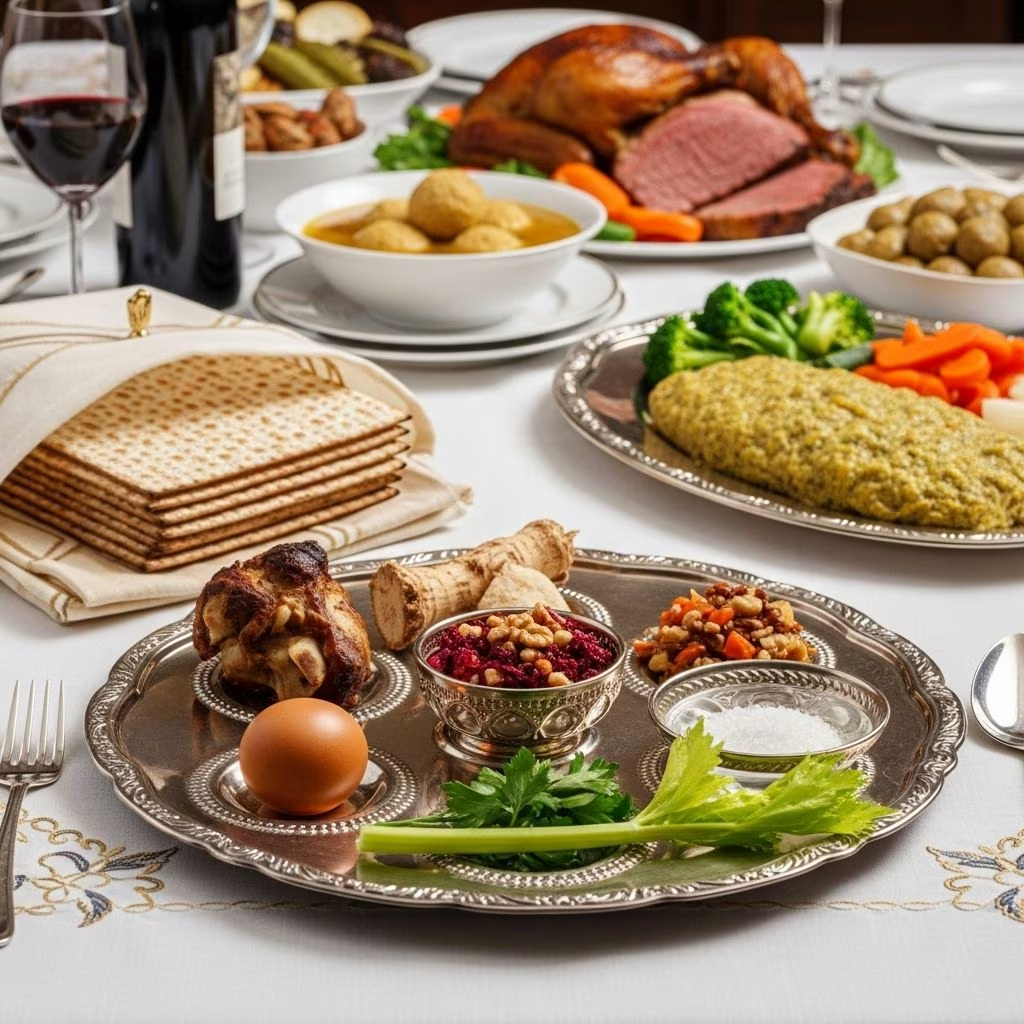
The Seder plate is the centerpiece of the Passover table, typically containing six symbolic foods—each representing a different part of the Jewish people’s ancient journey from slavery to freedom.
- Karpas (Green Vegetable)
Usually parsley, celery, or another spring green vegetable. Karpas symbolizes hope, renewal, and the coming of spring, but when dipped in salt water, it also recalls the tears shed by slaves in Egypt. - Charoset
A sweet, paste-like mixture (often apples, nuts, wine, cinnamon) that represents the mortar or clay used by Hebrew slaves to build Egyptian structures. Different communities create distinct variations—Sephardic Jews often include dates or figs. - Maror (Bitter Herb)
Typically fresh horseradish root or romaine lettuce, maror stands for the bitterness of slavery and servitude endured by the Israelites. - Chazeret (Second Bitter Herb)
Some Seder plates also include a second bitter herb, most often romaine lettuce. Not all households use chazeret, but it preserves the tradition of experiencing and recounting bitterness. - Zeroa (Shank Bone)
A roasted lamb shank bone (or sometimes a chicken neck, or for vegetarians, a roasted beet), symbolizing the Pesach (Passover) sacrifice once offered in the Temple in Jerusalem. It also stands for God’s “outstretched arm” of deliverance. - Beitzah (Egg)
A roasted or hard-boiled egg, representing the festival sacrifice and the cyclical nature of life, renewal, and spring.
| Item | Symbolizes | Common Variation |
|---|---|---|
| Karpas | Hope, spring, tears | Parsley, celery, potato, lettuce |
| Charoset | Mortar of slavery | Apple-walnut for Ashkenazi; date-honey for Sephardic |
| Maror | Bitterness of slavery | Horseradish, romaine |
| Chazeret | Additional bitterness | Romaine lettuce (optional) |
| Zeroa | Passover sacrifice | Shank bone, beet (vegetarian) |
| Beitzah | Life, spring, renewal | Egg (roasted or hard-boiled) |
Other Key Seder Table Foods
- Matzo (Matzah): Unleavened bread—simple flatbreads made from flour and water quickly baked before the dough could rise. Matzo recalls the haste of the Israelites’ flight from Egypt, when there was no time for fermentation. During Passover, eating leavened foods (chametz) is forbidden, making matzo the essential bread of the holiday.
- Salt Water: Used for dipping the karpas, representing the tears of slavery.
Classic Passover Recipes: Main Dishes and Sides
Beyond the symbolic items on the Seder plate, Passover meals are known for comforting, celebratory dishes—often featuring spring produce, tender meats, and flourless sweets. Here’s a closer look at the beloved foods enjoyed at Passover Seders around the world.
Matzo Ball Soup
The quintessential Jewish soup, featuring fluffy matzo meal dumplings simmered in a golden chicken broth with carrots, celery, and herbs. It embodies warmth, comfort, and a sense of home. Some families add dill or lemon zest for freshness.
Brisket
Slow-cooked, melt-in-your-mouth beef brisket is a signature Seder entrée. Traditionally braised with onions, carrots, potatoes, and herbs, it is rich, flavorful, and ideal for feeding a crowd. Some recipes are sweet and tangy with tomato or wine-based sauces.
Roast Chicken
Whole roast chicken, seasoned with herbs and garlic and surrounded by roasted vegetables, is another Seder staple—particularly for those who prefer poultry over beef.
Gefilte Fish
A poached mixture of ground fish (often whitefish and pike), gefilte fish is served chilled with horseradish (chrein). Though an acquired taste for some, it remains an Ashkenazi classic and a symbol of Eastern European heritage.
Potato Kugel
A baked pudding or casserole made of grated potatoes, onions, and eggs. Golden and crisp at the edges, potato kugel is beloved for its rich texture and can be enjoyed warm or at room temperature.
Tzimmes
This sweet stew of carrots (and sometimes sweet potatoes or prunes) is simmered with honey, orange juice, and occasionally meat. Its natural sweetness makes it a popular side, especially among Ashkenazi families.
Spring Vegetable Sides
- Asparagus: Often sautéed or oven-roasted, sometimes with lemon or garlic for brightness.
- Radish Salad: Sliced radishes paired with fresh greens and dill, offering crunch and spring flavor.
Other Sides
- Melting Potatoes: Thick-cut potatoes slow-roasted and braised in broth for a luscious, creamy inside.
- Ratatouille or Roasted Vegetable Platters: An array of round, colorful vegetables, symbolizing the circle of life and spring’s bounty.
Passover Desserts: Sweet Endings Without Leavening
Because traditional flour is prohibited at Passover, dessert tables feature delicious flourless treats. Here are some favorites:
- Flourless Chocolate Cake: Dense, rich, and deeply chocolatey, these cakes are made without any leavening agents, perfect for Passover and guaranteed to satisfy chocoholics.
- Macaroons: Chewy coconut cookies dipped in chocolate, which are gluten-free by nature and easy to enjoy throughout the holiday.
- Matzo-Based Sweets: Matzo toffee (sometimes called crack), chocolate-covered matzo, and berry matzo crumble are fun twists on the traditional matzo base.
Regional & Cultural Diversity in Passover Foods
Passover meals vary widely among Jewish communities:
- Ashkenazi Traditions: Brisket, potato kugel, gefilte fish, and apple-walnut charoset stem from Central and Eastern European Jewish heritage.
- Sephardic Traditions: Feature lamb stews, vegetable pies (like mina), and charoset with dates, figs, and nuts. Legumes are sometimes included, depending on regional custom.
- Mizrahi & Global Traditions: Dishes may include spiced lamb, fragrant rice (where permitted), and herbal salads, reflecting the foods of North Africa, the Middle East, and beyond.
Tips for Hosting a Memorable Passover Meal
- Plan Ahead: Prepare as much as possible in advance; brisket and kugel taste even better after resting overnight.
- Check for Kosher-for-Passover Ingredients: Ensure everything, from baking powder to spices, complies with Passover rules.
- Invite Family Participation: Encourage children and guests to help recite the story, ask questions, and even help prepare recipes.
- Include Regional Favorites: Try a new recipe from another Jewish tradition to enrich your Seder table.
Sample Passover Seder Menu
- Matzo Ball Soup
- Brisket or Roast Chicken
- Gefilte Fish with Horseradish
- Potato Kugel
- Tzimmes (Sweet Carrot Stew)
- Sautéed Spring Vegetables (Asparagus, Carrots, or Radishes)
- Flourless Chocolate Cake or Coconut Macaroons
Frequently Asked Questions (FAQs)
Q: Why can’t you eat leavened bread during Passover?
A: Leavened foods are prohibited because, according to the Exodus story, the fleeing Israelites had no time to let their bread dough rise. Eating only matzo for the week commemorates their haste and reminds Jews of their ancestors’ journey to freedom.
Q: What does the Seder plate represent?
A: Each Seder plate item symbolizes a piece of the Passover story—from the bitterness of slavery (maror) and hope for renewal (karpas) to the mortar used by slaves (charoset) and the sacrificial offering (zeroa).
Q: Can Passover recipes be adapted for allergies or vegetarian diets?
A: Many dishes, like vegetable kugels, ratatouille, and fruit-based desserts, are naturally gluten- and dairy-free. For vegetarian rituals, options like roasted beets can substitute for the shank bone, and plant-based proteins may replace meat mains.
Q: What drinks are served at a Passover Seder?
A: Four cups of wine (or grape juice) are traditionally consumed at set points in the Seder, symbolizing the four promises of redemption. Water and kosher-for-Passover juices are also common.
Q: How do Sephardic and Ashkenazi Seders differ?
A: Differences include permissible ingredients (some Sephardic communities eat legumes, while Ashkenazi Jews traditionally avoid them), flavor profiles, and heritage recipes. Both traditions celebrate the Exodus and Passover’s core values.
Celebrating Passover: Food, Memory, and Meaning
No matter which dishes fill your table, Passover is a time for family, remembrance, and reflection. Through its unique foods and rituals, the Seder invites us all to honor history and forge new connections with loved ones—from one generation to the next.
References
- https://www.thepioneerwoman.com/food-cooking/meals-menus/g35726399/traditional-passover-food-recipes/
- https://www.cookunity.com/blog/passover-foods
- https://www.qfc.com/blog/food/passover-seder-foods
- https://www.jewishfoodsociety.org/collections/passover-recipes-from-jewish-communities-around-the-world
- https://www.gelsons.com/recipes/view/passover-dinner-ideas
- https://toriavey.com/passover-recipe-index/
- https://www.youtube.com/watch?v=DmlDULCB_Sw