2-Ingredient Palmiers: The Quintessential French Cookie
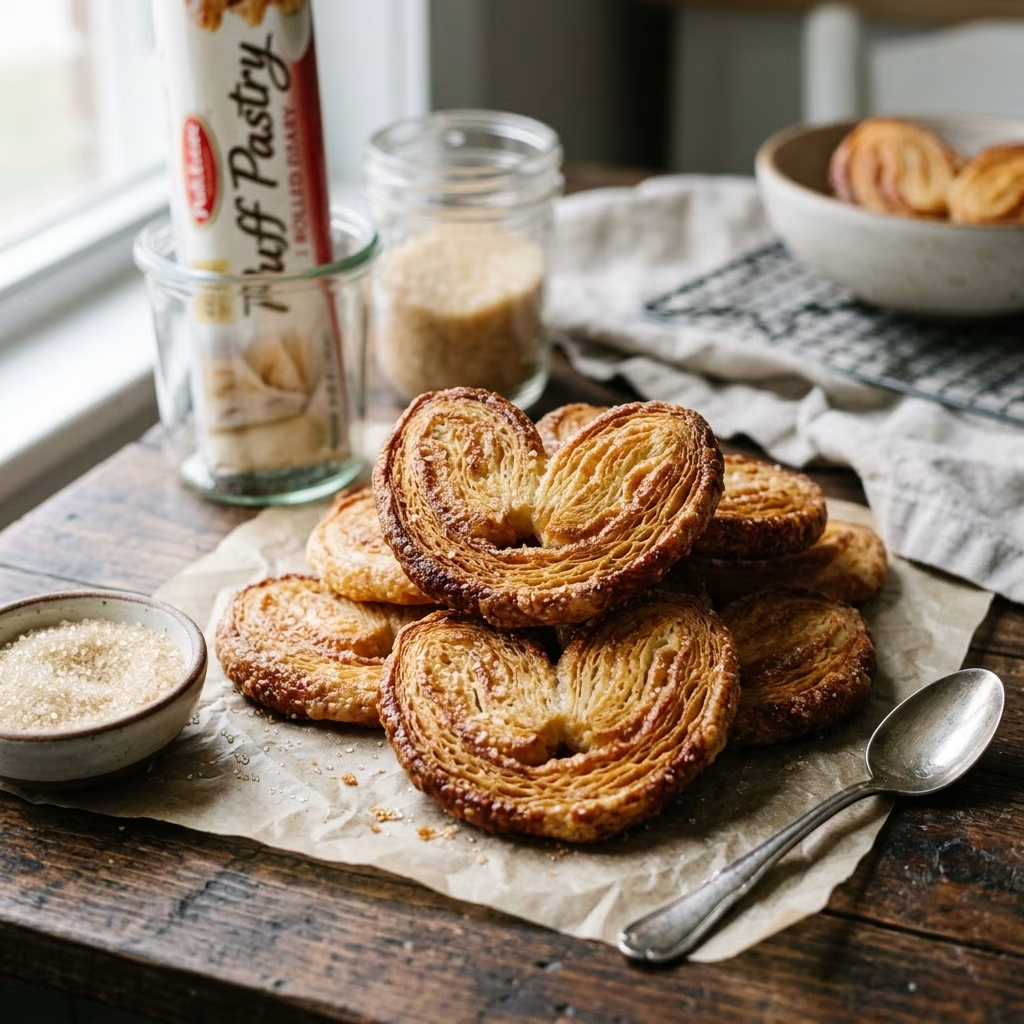
Few cookies evoke the same sense of elegance and simplicity as palmiers. Known as “elephant ears” thanks to their charming shape, these French pastries are a testament to how just two humble ingredients—puff pastry and granulated sugar—can be transformed into a golden, crisp, and delicious treat. This guide will walk you step-by-step through making perfect 2-ingredient palmiers, exploring their origins, technique, variations, and serving suggestions.
What Makes 2-Ingredient Palmiers So Irresistible?
- Effortless Elegance: With only two main ingredients, palmiers offer an accessible bakery-quality snack at home.
- Extraordinary Flavor: The caramelization of sugar over flaky, buttery pastry creates layers of texture and taste.
- Versatile Enjoyment: Serve as a sweet breakfast treat, an elegant dessert, or a crunchy complement to tea or coffee.
- Quick and Easy: The process requires minimal active time, suited for both novice bakers and seasoned pastry enthusiasts.
History and Origins of the Palmier
Palmiers originated in France in the early 20th century, their name derived from the word for “palm leaf.” The shape is also reminiscent of a butterfly or elephant ear. Traditionally, they are made with puff pastry and sugar, though regional and modern variations can include spices or flavorings. Palmiers now grace patisseries worldwide, beloved for their light, crunchy, and caramelized qualities.
Ingredients: The Simplicity of French Baking
| Ingredient | Notes |
|---|---|
| Puff Pastry | Typically found frozen in grocery stores; Pepperidge Farm is a popular choice. Thaw before use, but keep chilled for best results. |
| Granulated Sugar | White granulated sugar caramelizes best for classic palmiers. Use about 1 to 2 cups, depending on batch size and preference. |
Optional Equipment
- Parchment paper for lining baking sheets
- Rolling pin
- Serrated knife or sharp chef’s knife
- Measuring cup or scale
- Wire cooling rack
Step-by-Step: Mastering 2-Ingredient Palmiers
1. Preparing the Puff Pastry
Remove puff pastry from the freezer and thaw until pliable, but still cold to the touch. This helps maintain those signature flaky layers.
- Unfold a sheet of puff pastry onto a surface generously sprinkled with sugar. The sugar beneath infuses the bottom while baking.
- Sprinkle more sugar evenly over the top of the pastry.
- With a rolling pin, gently roll the pastry into a rough 12-inch (30 cm) square. Press enough to embed sugar but avoid thinning the dough excessively.
2. Shaping the Signature Palmiers
- Begin rolling each long side of the sugar-coated pastry towards the center so that the rolls meet in the middle.
- Keep the rolls tight for a more defined spiral; for a heart shape, press the center slightly after rolling.
- If desired, refrigerate the rolled dough for 20–30 minutes to make slicing easier and keep the shape neat.
3. Slicing and Arranging
- With a sharp knife, slice the rolled pastry into 1/4- to 1/2-inch (0.5–1 cm) thick pieces.
- Arrange each slice cut side up, at least 2 inches (5 cm) apart, on a baking sheet lined with parchment paper. This prevents sticking and ensures even caramelization.
4. Baking to Golden Perfection
- Preheat the oven to 425°F (220°C).
- Bake for about 8 minutes, until undersides are golden.
- Flip each palmier over, sprinkle with a little more sugar, and bake for 3–5 minutes longer until both sides are crisp and deeply golden.
- Transfer cookies immediately to a wire rack to cool completely—this helps retain their crispness.
Tips and Troubleshooting: Achieving the Best Palmiers
- Use cold dough: Warm puff pastry can become sticky and lose its layers. Chill dough between steps as needed.
- Generous sugar coating: Sugar caramelizes for crispness and flavor. Don’t skimp on either side.
- Spacing: Palmiers expand and puff. Space them at least 2 inches apart on the baking sheet.
- Proper flipping: Flipping halfway through ensures even browning and crispness.
- Avoid overbaking: Remove from the oven once golden brown—dark caramelization can lead to bitterness.
Variations and Creative Add-Ins
The classic French recipe is pure simplicity, but palmiers are infinitely customizable. Try these ideas for new textures and flavors:
- Cinnamon Sugar: Mix 1–2 teaspoons cinnamon with sugar before sprinkling for spiced warmth.
- Orange or Lemon Zest: Grate zest over the sugar before rolling for a citrusy twist.
- Chocolate: Sprinkle a handful of finely chopped chocolate with the sugar for a bittersweet note.
- Savory Palmiers: Swap sugar for grated cheese, pesto, or tapenade for impressive savory appetizers.
Serving Suggestions: How to Enjoy Palmiers
- With Coffee or Tea: Their crisp, light texture pairs perfectly with warm drinks.
- Dessert Platter: Add to a cookie tray for holidays or celebrations.
- Breakfast Accent: Serve alongside fruit and yogurt for a French-style breakfast.
- Ice Cream Accompaniment: Use as a crunchy, caramelized garnish for ice cream or custards.
Storage and Make-Ahead Tips
- Short-term Storage: Keep in an airtight container at room temperature up to 5 days for best crispness.
- Make-Ahead: Roll and slice the dough, then freeze unbaked slices on a tray. Store frozen in a bag, and bake straight from the freezer (add 2–3 minutes to the baking time).
- Recrisping: If palmiers lose their crunch, briefly reheat in a 350°F oven until revived.
Nutrition Profile
| Per Palmier (approximate) | Value |
|---|---|
| Calories | ~60–70 |
| Fat | ~4g |
| Sugar | ~4g |
| Carbohydrates | ~7g |
*Actual nutrition will depend on brand of puff pastry and thickness of cookies.
Frequently Asked Questions (FAQs)
What are palmiers made of?
Palmiers are traditionally made from just two ingredients: puff pastry and granulated sugar, making them one of the simplest classic French cookies.
Can I make palmiers ahead of time?
Yes. You can slice and freeze unbaked palmiers, then bake directly from frozen as needed. Baked palmiers can be stored in an airtight container for several days.
Can I use homemade puff pastry?
Absolutely. Homemade puff pastry yields exceptional results but store-bought pastry offers convenience and consistent flakiness.
Why do my palmiers stick to the baking sheet?
As the sugar caramelizes during baking, it can glue the cookies to unlined pans. Always use parchment paper for easy removal and perfect caramelization.
Can I add flavors to my palmiers?
While classic palmiers use only sugar, feel free to add spices (cinnamon, ginger), zest (citrus), or even savory ingredients for variety.
Recipe: 2-Ingredient Classic Palmiers
- Yield: About 45 cookies
- Prep time: 30 minutes
- Cook time: 10–12 minutes
- Total time: ~1 hour 10 minutes (including optional chilling/resting)
Ingredients
- 2 sheets frozen puff pastry, thawed
- 2 cups granulated sugar (or as needed)
Instructions
- Preheat oven to 425°F (220°C). Line two baking sheets with parchment paper.
- Sprinkle a work surface with sugar. Unfold one pastry sheet and set on the sugar. Sprinkle sugar generously over the top.
- Roll out pastry to a 12-inch square, pressing sugar into both sides.
- Roll each side tightly towards the center to meet in the middle and form two spirals.
- Slice into 1/2-inch thick pieces and arrange on prepared baking sheets, leaving space between.
- Bake for 8 minutes, then flip cookies over. Sprinkle with additional sugar if desired.
- Bake for 3–5 minutes more, until both sides are crisp and golden brown.
- Transfer immediately to a wire rack to cool completely.
Final Notes: Why You’ll Love Making Palmiers
With their addictive airy and crisp texture, deep caramel flavor, and elegant appearance, these homemade 2-ingredient palmiers are destined to become a favorite. Whether you’re preparing a treat for guests, looking for a quick snack, or longing for a taste of France, this recipe delivers with minimal fuss and maximal delight.
More Palmier FAQs
What is the texture of palmiers?
They are light, airy, flaky, and very crisp, thanks to layers of butter in the puff pastry and caramelized sugar on the exterior.
Are palmiers and elephant ears the same?
Yes, “elephant ears” is the American nickname for palmiers, reflecting their similar shape.
Can I make palmiers gluten-free?
Yes, use a gluten-free puff pastry brand—the method and baking remain the same.
How thick should I slice palmiers before baking?
Slices should be about 1/4-inch to 1/2-inch (0.5–1 cm) thick to ensure even baking and caramelization.
Explore, Share, and Savor
Palmiers are wonderful for sharing: impress guests, treat friends, or simply indulge yourself with homemade French cookies. Don’t be surprised if these two-ingredient wonders disappear fast once out of the oven!