Types of Squash: A Comprehensive Guide to 21 Varieties
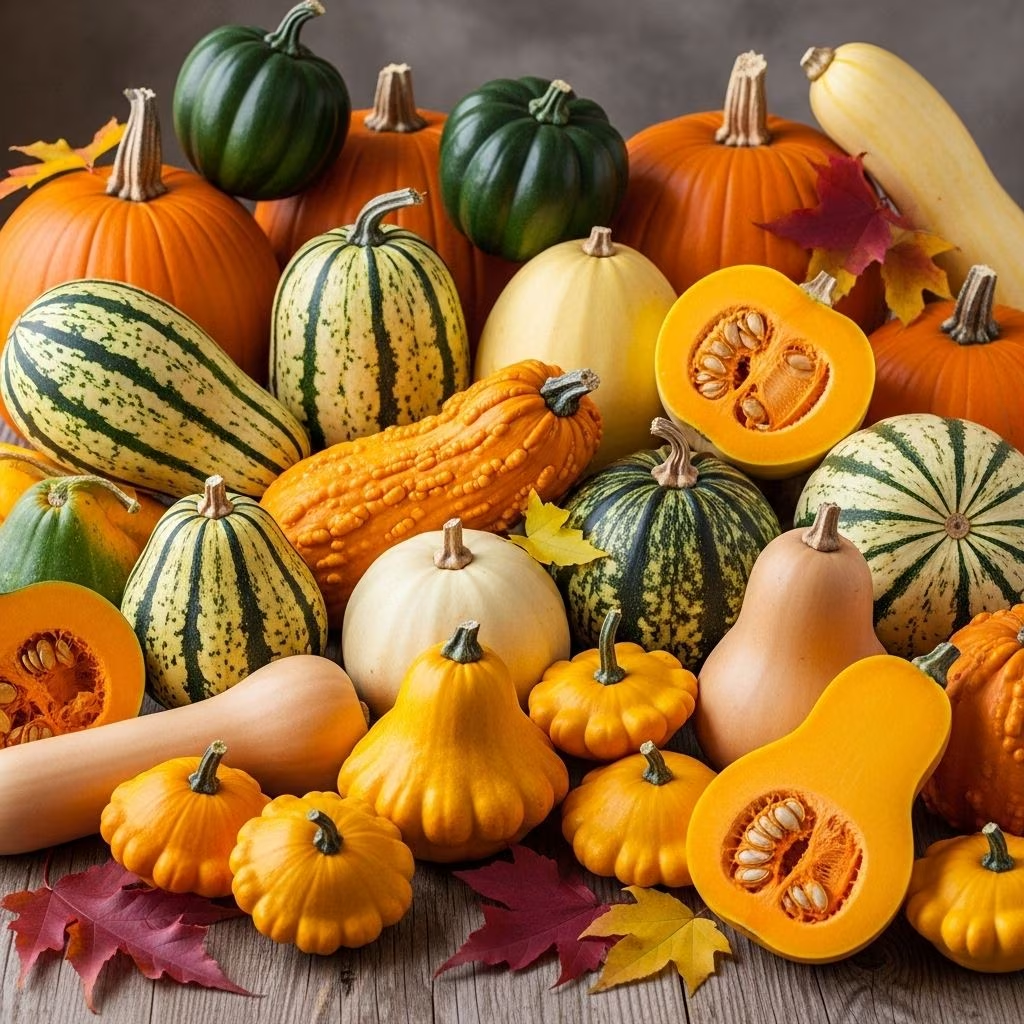
Squash is a remarkably diverse genus of vegetables, celebrated for its adaptability in the kitchen and its variety in taste, texture, and appearance. From the tender, fast-growing summer squash to the hearty, storable winter squash, each type offers something unique. This guide explores 21 essential types of squash—highlighting their key traits, uses, and recipe ideas to help you shop and cook with confidence through every season.
Summer vs. Winter Squash: What’s the Difference?
Squash varieties fall into two broad categories: summer squash and winter squash. The main difference lies in their skin, harvest time, and culinary uses.
- Summer squash have thin, edible skins and soft seeds. They are harvested while immature, resulting in tender flesh perfect for sautéing, grilling, or roasting. Examples include zucchini, patty pan, yellow squash, and more.
- Winter squash have thick, hard rinds and mature seeds. These store well for months and are typically cooked for longer periods. Their flesh is sweet or nutty, ideal for roasting, pureeing, and baking. Examples are butternut, acorn, kabocha, spaghetti squash, and others.
Popular Summer Squash Varieties
Patty Pan Squash
Patty pan squash is unmistakable for its scalloped, spaceship-like shape. Available in pale green, yellow, or dark green forms, its dense flesh has a flavor similar to zucchini. Patty pans range in size from barely larger than a coin to the palm of your hand. Ideal usages include sautéing, grilling, and roasting. Try stuffing them for a festive dish.
Zephyr Summer Squash
Zephyr squash is a visually striking hybrid—long and slender, with a yellow upper half and a green blossom end. Its taste is described as nutty and unusually delicious, making it a favorite among specialty growers. Prepare zephyr squash as you would zucchini or yellow squash: slice and sauté, grill, or roast.
Mexicana Summer Squash
This gray-green Mexican zucchini is popular for its high yields, resistance to disease, and ease of harvest. But its real appeal is found in its tender flesh and subtle, nutty flavor. Grill or sauté for best results, then finish with salt, lime, or fresh herbs.
Striped Zucchini
Not all zucchini look the same—striped varieties such as Dario and Safari feature attractive white or light green stripes. Use striped zucchini as you would regular varieties: grill, sauté, or shave into salads. Golden zucchini, with striking dark yellow skin, are also popular at farmers markets.
Round Zucchini and Squash
Round summer squash varieties—like One Ball (yellow), Eight Ball (green), and Ronde de Nice (striped)—are perfect for stuffing thanks to their shape. Alternatively, grill, roast, or sauté them just as you would traditional zucchini.
Yellow Crookneck Squash
Recognizable by its curved neck and bright, bumpy yellow skin, crookneck squash boasts a buttery flavor and firm flesh. It contains larger seeds than straightneck squash, but its rich taste makes it a favorite sautéed in butter or olive oil.
Chayote Squash
Unlike most summer squash, chayote is pale green and pear-shaped. Its flesh is crisp—similar to cucumber—and is enjoyed raw in salads or cooked in stir-fries. Native to central Mexico, chayote shines in Latin-inspired or fusion recipes.
Costata Romanesco
An Italian heirloom zucchini, Costata Romanesco is famous for its nutty flavor and ridged stripes. It is excellent raw in salads or cooked—try thinly sliced rounds drizzled with olive oil and lemon.
Cousa Squash
Pale green and gently tapered, cousa squash is native to the Middle East. Its flesh is notably sweeter than regular zucchini. Small cousa are ideal for stuffing, but roasting or sautéing also brings out their unique flavor.
Popular Winter Squash Varieties
Acorn Squash
Named for its distinctive acorn-like shape and deep ridges, acorn squash sports green or occasionally golden-hued skin. Its sweet, slightly nutty flesh is perfect for roasting, especially when filled with savory or sweet stuffing.
Butternut Squash
Butternut squash is among the most recognized squash varieties, prized for its smooth beige skin, elongated neck, and bulbous base. The sweet, creamy orange flesh excels in soups, risotto, roasting, and purees. Its medium size (usually 3–5 pounds) makes it efficient for meal prep.
Delicata Squash
Delicata squash is prized for its signature striped skin and tender, edible rind. Its flesh is sweet and soft, often compared to sweet potato. Cut into half-moons and roast, or stuff whole for an impressive centerpiece.
Kabocha Squash
Often called Japanese pumpkin, kabocha features dark green skin and rich, deep orange flesh. The flavor is sweet and earthy, and it’s perfect for tempura, soups, or roasted to highlight its creamy texture.
Spaghetti Squash
With its pale yellow skin and unique, stringy flesh, spaghetti squash transforms after cooking into noodle-like strands. Use as a gluten-free substitute for pasta, topped with sauce or sautéed with fresh vegetables.
Hubbard Squash
Typically the largest on this list, Hubbard squash may weigh 12–15 pounds or more. Its bumpy skin is blue-green, dark green, or orange, and its orange flesh works well in purees, soups, and decorative displays. Due to its size, it’s often sold cut into sections.
Red Kuri Squash
Also known as Hokkaido squash, red kuri is a petite variety in the Hubbard family. Its vibrant orange skin covers delicately sweet, nutty flesh with a smooth consistency—ideal for soups, roasting, or baking.
Buttercup Squash
Small and round with a flattened bottom and a distinct corky stem, buttercup squash features blocky green skin and a pale green protrusion on its base. The yellow-orange flesh offers a super sweet, nutty flavor—delicious roasted or in curries.
Carnival Squash
A hybrid of acorn and sweet dumpling squash, carnival squash is small, decorative, and colorful, with mottled orange and green vertical stripes on pale yellow skin. Its flesh is sweet, nutty, and slightly fibrous, suitable for baking and stuffing.
Turk’s Turban Squash
Easily recognized by its unique “turban” shape, this squash comes in a mix of colors and is often used decoratively. Its nutty-sweet flesh improves after storage, making it ideal for stews, baking, and festive autumn displays.
Honeynut Squash
Honeynut squash is a recent favorite, bred as a mini butternut with deeper buff skin and intense sweetness. Typically only 6 inches long, its sweet and creamy flesh is superb roasted, stuffed, or twice-baked for more concentrated flavor.
Golden Ace Acorn Squash
A petite heirloom acorn variety with golden-orange skin and richly flavored, orange-yellow flesh. It’s mildly nutty and slightly sweet, described as more flavorful than standard acorn squash. Use in classic stuffed squash recipes or roast with savory herbs.
Squash Identification Table
| Name | Category | Key Features | Best Uses |
|---|---|---|---|
| Patty Pan | Summer | Scalloped, flying saucer shape; white or green; dense flesh | Sauté, grill, roast, stuffing |
| Zephyr | Summer | Bi-colored (yellow/green); slender | Sauté, grill, roast |
| Butternut | Winter | Beige; elongated neck, bulbous base; sweet orange flesh | Soup, roast, puree |
| Kabocha | Winter | Dark green; pumpkin shape; very sweet flesh | Soup, roast, tempura |
| Spaghetti | Winter | Pale yellow; noodle-like strands after cooking | Pasta substitute, bake, saute |
| Hubbard | Winter | Large, bumpy blue-green/orange skin; firm flesh | Puree, soup, bake |
| Buttercup | Winter | Small; green; button-like protrusion; sweet, dry flesh | Roast, curry, puree |
| Chayote | Summer | Pale green, pear-shaped; crisp flesh | Raw salads, saute, stir-fry |
Choosing and Storing Squash
- When selecting summer squash, look for firm, glossy skins and avoid soft spots.
- Winter squash should be heavy for their size with hard, unblemished rinds and a dry stem.
- Store summer squash in the fridge for up to a week; winter squash can last months in a cool, dry place.
Delicious Squash Recipe Ideas
- Sautéed Patty Pan Squash: Slice into rounds, sauté in olive oil with garlic and fresh herbs for a simple side dish.
- Roasted Honeynut Squash: Halve, remove seeds, and roast until caramelized for an intense, sweet flavor. Top with feta and thyme.
- Stuffed Round Zucchini: Fill with grains, cheese, and herbs for a visually stunning entree.
- Kabocha Squash Soup: Simmer roasted squash with ginger, coconut milk, and vegetable stock for a velvety autumn soup.
- Spaghetti Squash “Pasta”: Roast squash, scrape strands, then toss with marinara or pesto for a gluten-free option.
- Red Kuri Squash Puree: Bake or steam flesh, then blend with butter and spices for a creamy side.
Frequently Asked Questions (FAQs)
Q: How can I tell the difference between summer and winter squash?
A: Summer squash have thin, edible skins and soft seeds, and are typically eaten soon after harvest. Winter squash develop hard, thick rinds and firm seeds, and can be stored for months after picking.
Q: Can you eat squash skin?
A: Most summer squash skins are edible and tender. Some winter squash skins (like delicata) can be eaten, while others (like butternut and kabocha) are typically removed before eating.
Q: What’s the best way to cook squash?
A: Popular methods include roasting, sautéing, grilling, and stuffing. Harder winter squash benefit from roasting or pureeing, while summer squash can be quickly sautéed or grilled.
Q: Are all squash varieties available year-round?
A: Summer squash are typically available during warmer months, while winter squash are harvested in fall and can be stored into winter.
Q: Which squash are best for stuffing?
A: Round zucchini, patty pan, acorn, and small cousa squash are ideal for stuffing due to their shape and cavity size.
Conclusion
With 21 types to discover and dozens of ways to prepare them, squash is one of the most versatile vegetables you can enjoy throughout the year. Whether you’re searching for new flavors, cooking inspiration, or ideas for your home garden, each squash variety brings its own distinctive taste, texture, and culinary excitement.
References
- https://goodgourds.com/ultimate-squash-guide/
- https://www.loveandlemons.com/types-of-squash/
- https://www.ecofriendlyhomestead.com/sustainable-garden/learn/squash-spectrum-the-ultimate-gardeners-guide-to-varieties-and-traits
- https://recipes.howstuffworks.com/types-of-squash.htm
- https://www.bbcgoodfood.com/howto/guide/20-types-of-squash
- https://www.youtube.com/watch?v=RNUrpvrXW10