Andrew Carmellini’s Whipped Sheep’s Milk Ricotta: An Appetizer Icon
Few appetizers have captured the hearts—and palates—of diners quite like Andrew Carmellini’s whipped sheep’s milk ricotta. Served at the renowned NYC restaurant Locanda Verde since its opening, this simple yet decadent starter has become a must-have, inspiring home cooks and chefs alike to recreate its lush, creamy magic on their own tables. What makes it such a standout? The secret lies in quality ingredients, careful technique, and an ingenious balance of rustic Italian sensibility with modern flavor finesse.
The Origins: From Classic Italian to Modern Staple
At first glance, whipped ricotta might seem almost too humble, but Carmellini elevated this traditional Italian ingredient to new heights. Drawing on both his Italian heritage and modern culinary influences, he transformed plain ricotta into a creamy, cloudlike spread seasoned with olive oil, herbs, flaky salt, and sometimes a hint of citrus. Guests returning to Locanda Verde often cite it as the dish they crave most, often ordering it before glancing at the rest of the menu.
A Chef’s Passion for Ingredients
Carmellini is known for his respect for outstanding dairy products, especially sheep’s milk ricotta. The unique tang and extra-velvety texture of sheep’s milk cheese sets this appetizer apart from those prepared with cow’s milk. Whenever possible, he sources ricotta made from sheep’s milk for its complexity and creaminess, though high-quality cow’s milk ricotta can be used in a pinch with good results.
What Makes Whipped Ricotta Special?
Whipped ricotta is not merely ricotta cheese spooned onto a plate. The magic emerges through a few smart culinary steps:
- Whipping or beating the ricotta: This lightens the texture, making it silky-smooth and luxurious.
- Adding whole milk: Introducing a splash of whole milk (ideally sheep’s milk, if available) while whipping helps transform the ricotta into a spread that’s both dense and airy.
- Seasoning: High-quality extra virgin olive oil, flaky salt, freshly ground black pepper, and simple herbs provide subtle flavor harmonies.
- Generous olive oil drizzle: A finishing touch of fruity, robust olive oil makes the ricotta luxurious and craveable.
- Served alongside crusty country bread: The ultimate partner for creamy whipped ricotta, allowing diners to scoop up every bit.
How to Whip Ricotta Like a Pro
Recreating Carmellini’s whipped ricotta is well within the grasp of any home cook. The key is to focus on technique and ingredient quality. Here’s how you can master it:
Ingredients
- 2 cups sheep’s milk ricotta (substitute high-quality cow’s milk ricotta if you must)
- 1/2 cup whole milk (preferably sheep’s milk)
- 2–3 tablespoons extra virgin olive oil
- 1 teaspoon fresh thyme (or combination of fresh thyme and dried oregano)
- Coarse flaky sea salt and freshly ground black pepper
- Toasted country bread or baguette for serving
Method
- If using fresh ricotta, make sure it is well-drained. Place it in a fine mesh sieve set over a bowl, cover, and let it drain in the refrigerator for 1–2 hours if excess liquid is present.
- Using a stand mixer fitted with the whisk attachment or a hand whisk, combine ricotta and whole milk. (Add the milk slowly to achieve the desired airy, spreadable consistency.)
- Beat until the ricotta is smooth, creamy, and slightly fluffy. Periodically scrape down the sides for even mixing.
- Season with salt and pepper to taste. Fold in fresh herbs such as thyme and dried oregano.
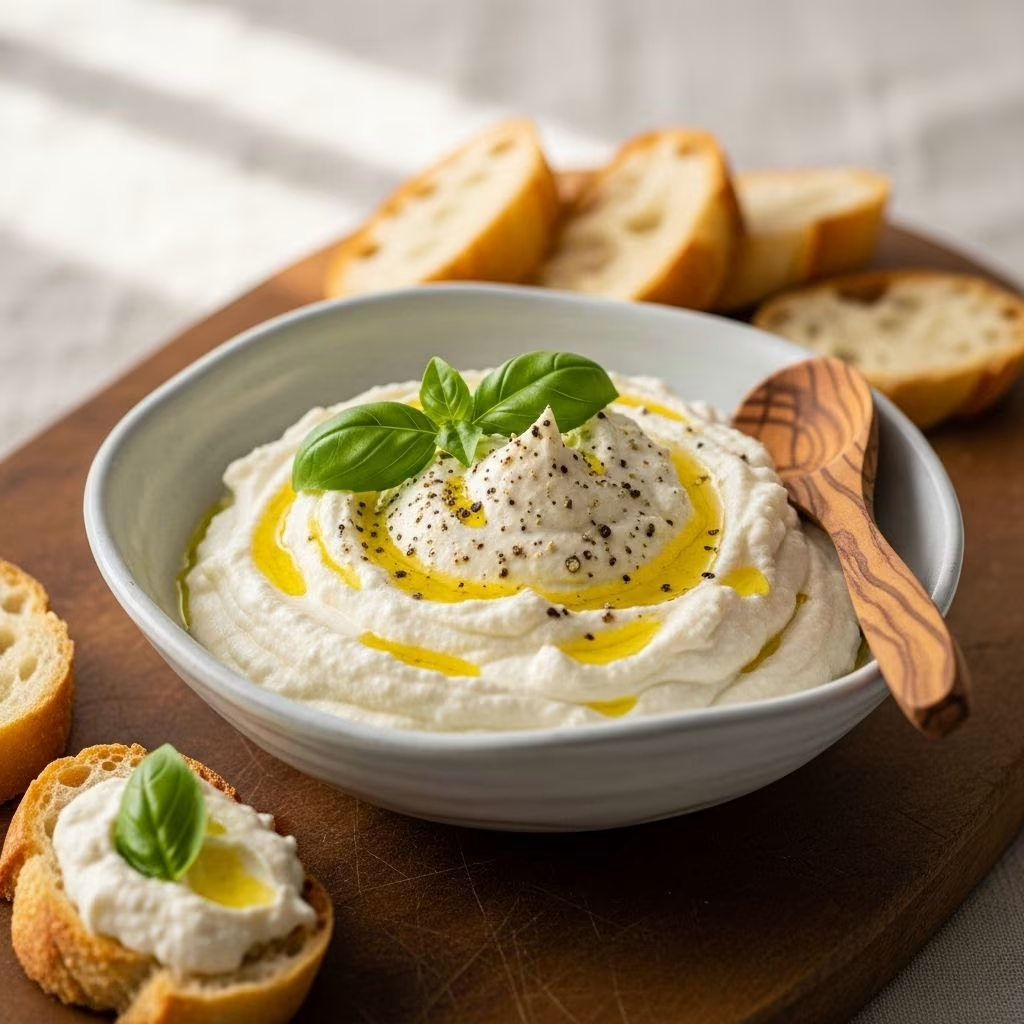
- Transfer the whipped ricotta to a serving bowl. Drizzle generously with high-quality extra virgin olive oil; add another pinch of salt and a grind of pepper on top.
- Serve with warm, toasted country bread brushed with olive oil and grilled or baked until golden-brown and crisp.
Choosing and Sourcing the Best Ricotta
For an appetizer so reliant on dairy, quality is paramount. Carmellini recommends sourcing artisan sheep’s milk ricotta whenever possible. This can often be found at specialty cheese shops, Italian delis, or farmers’ markets, especially in regions with active sheep dairies. If sheep’s milk ricotta is not available, opt for a fresh, small-batch cow’s milk ricotta with no gums or stabilizers. Avoid ricotta that is overly wet or grainy; it should be soft, creamy, and clean-tasting.
Tip: Some enterprising cooks even make their own ricotta at home, using fresh milk, heavy cream, and lemon juice for curdling. The result is a cheese with a buttery, spreadable consistency far superior to mass-market ricotta.
Layering Flavor: Additions and Variations
Carmellini’s classic version keeps the flavors straightforward—just cheese, herbs, olive oil, and bread. But this dish is highly adaptable, serving as a canvas for a variety of seasonal toppings and accompaniments:
- Roasted or confit cherry tomatoes
- Grilled eggplant, zucchini, or peppers
- Fresh or dried oregano, thyme, basil, or rosemary for extra herbal notes
- Lemon zest or a splash of lemon juice for brightness
- Toasted pine nuts, pistachios, or walnuts for crunch
- Heady honeys or flavored sea salts for sweet-salty interplay
- Seasonal fruit such as figs, peaches, or pomegranate arils
This versatility makes whipped ricotta a perfect choice for year-round entertaining; simply swap in what looks abundant or inspiring at your local market.
The Art of Serving: Presentation and Pairings
How you serve this appetizer is nearly as important as how you prepare it. At Locanda Verde, the whipped ricotta is presented in a rustic crock alongside a pile of toasted slices of country bread, each brushed with extra virgin olive oil and charred lightly on a grill for superior flavor and texture.
For a show-stopping experience at home, consider the following tips:
- Use a shallow bowl or earthenware crock for serving.
- Garnish with plenty of herbs, a generous drizzle of olive oil, and shimmering flakes of sea salt.
- Offer a variety of toasts or crostini, from craggy, rustic sourdough slices to thinner spears of baguette.
- Pair with an Italian aperitif—a crisp white wine or a Negroni works beautifully.
Hosting with Whipped Ricotta: Tips and Tricks
- Make ahead: The ricotta can be whipped, covered, and refrigerated up to 12 hours in advance. Hold off on topping with olive oil and fresh herbs until just before serving.
- Temperature: Bring to cool room temperature before serving for best texture and flavor.
- Grill bread just before guests arrive to maximize crispness and aroma.
- Serve family-style: Let guests help themselves, encouraging convivial grazing and conversation.
Homemade Ricotta: An Extra Layer of Decadence
For those seeking the ultimate upgrade, homemade ricotta brings unbeatable flavor and lushness. Making it at home is surprisingly easy:
- Heat a combination of whole milk and a touch of cream in a nonreactive saucepan.
- Stir in fresh lemon juice to curdle the milk.
- Let it sit, then gently ladle curds into a cheesecloth-lined sieve and drain for 1–2 hours.
- Season to taste, then whip as described above.
Fresh ricotta has a buttery mouthfeel and mild, grassy flavor worlds away from supermarket tubs.
Frequently Asked Questions (FAQs)
Q: Can I use store-bought cow’s milk ricotta if I can’t find sheep’s milk ricotta?
A: Yes, while sheep’s milk ricotta offers superior flavor and texture, high-quality cow’s milk ricotta works well. Look for small-batch or artisanal brands with few additives.
Q: Is whipped ricotta the same as whipped feta or labneh?
A: No. While all are creamy dairy-based spreads, ricotta is much milder and less salty than feta, and lighter and less tangy than labneh. Each offers a different flavor profile, so substitutions will alter the finished dish.
Q: How long can I keep whipped ricotta in the fridge?
A: Whipped ricotta is best the day it’s made but can be stored in an airtight container in the refrigerator for up to 3 days. Always add olive oil and fresh toppings right before serving for the best taste.
Q: What bread pairs best with whipped ricotta?
A: Rustic Italian country bread or a chewy sourdough baguette, sliced and toasted until golden. For variation, use grilled ciabatta or thin crostini.
Q: Is whipped ricotta gluten-free?
A: The ricotta itself is gluten-free. Serve with gluten-free crackers or bread for gluten-sensitive guests.
Table: Key Elements for Perfect Whipped Ricotta
| Element | Importance | Tips |
|---|---|---|
| Ricotta Quality | Essential | Choose sheep’s milk if possible; drain well before whipping |
| Olive Oil | Flavor enhancer | Use a robust, fruity extra virgin variety |
| Herbs | Optional | Fresh thyme, oregano, or basil add seasonal complexity |
| Bread | Crucial accompaniment | Toast or grill slices for crispness and flavor |
| Serving Temperature | Texture and taste | Serve at cool room temperature for peak flavor |
Conclusion: Elevating the Humble to the Sublime
With just a handful of ingredients, Andrew Carmellini’s whipped sheep’s milk ricotta proves how simple Italian traditions can become unforgettable moments at the table. Whether as a convivial starter for friends or an indulgent snack for yourself, this creamy spread offers the best of what Italian-inspired entertaining is all about: hospitality, generosity, and flavor elevated without fuss.
References
- https://relishme.wordpress.com/2012/07/27/a-weekend-project-sweet-simple-decadent-and-creamy-homemade-ricotta-cheese/
- https://www.theyellowtable.com/posts/crostini-with-herbed-ricotta-and-fresh-figs
- https://foodcombo.com/recipe/228041
- http://www.gastronommy.com/2012/12/new-years-eve-ricotta-dip-with-country.html
- https://wp.stylishspoon.com/2014/01/16/recipe-crostini-with-whipped-ricotta-and-vanilla-bean-sea-salt/
- http://mykentuckyhome-kim.blogspot.com/2010/05/urban-italian-menu-lamb-ragu-sheeps.html