Seriously Asian: Blue Crab, Two Delicious Ways
Crab has always commanded special attention in Asian kitchens, celebrated not only for its sweet meat but for how it invites hands-on feasting and communal enjoyment. In this guide, we’ll unlock the secrets of preparing blue crab using two beloved Asian techniques: stir-frying with robust aromatics and simmering in a creamy, decadent butter sauce. Whether you’re a seasoned crab lover or venturing into the world of crustacean cookery for the first time, these recipes capture the spirit, skill, and irresistible flavor that define the best of Asian seafood cuisine.
Blue Crab in Asian Cooking
Across Asia, fresh crab is more than a luxury—it’s a symbol of celebration and togetherness. The blue crab (commonly found in North America and Southeast Asia) is particularly prized for its sweet, tender flesh and adaptability to bold flavorings. Whether showcased in fiery stir-fries or enveloped in luscious sauces, crab brings out convivial dining and an unmistakable sense of occasion. Choosing the best crab means seeking out those that are alive and active, ensuring peak freshness and flavor.
Cleaning and Prepping Blue Crabs
Cleaning live blue crab might seem intimidating, but it’s a crucial step for achieving restaurant-quality results at home. A clean, prepped crab absorbs seasonings better and makes eating more pleasurable later. Here’s how the process goes—from tank or market to pan:
- Purchase: Select live, healthy blue crabs—the shell should be bright, the crab lively.
- Scrub: Under cold running water, use a stiff brush to scrub shells and legs. Remove any visible sand or mud.
- Detach the Shell: Gently pry upward at the back of the shell to remove the top carapace. Take care—crab shells can be sharp.
- Remove the Crab “Butter” (Tomalley): Scoop out and set aside the yellow-green innards from beneath the shell. This will be used for flavor later.
- Trim and Rinse: Using kitchen shears, snip off the mouthparts, apron (“tail flap”) beneath, and legs if desired. Rinse the crab halves thoroughly and pat them dry.
- Segment: Split the crabs into halves or quarters depending on recipe requirements.
This initial work pays off—the flavors and textures shine through cleanly, unmarred by grit or excess moisture. Once cleaned, you’re ready to proceed to one of two foundational Asian blue crab dishes.
Method One: Stir-Fried Blue Crabs With Aromatics
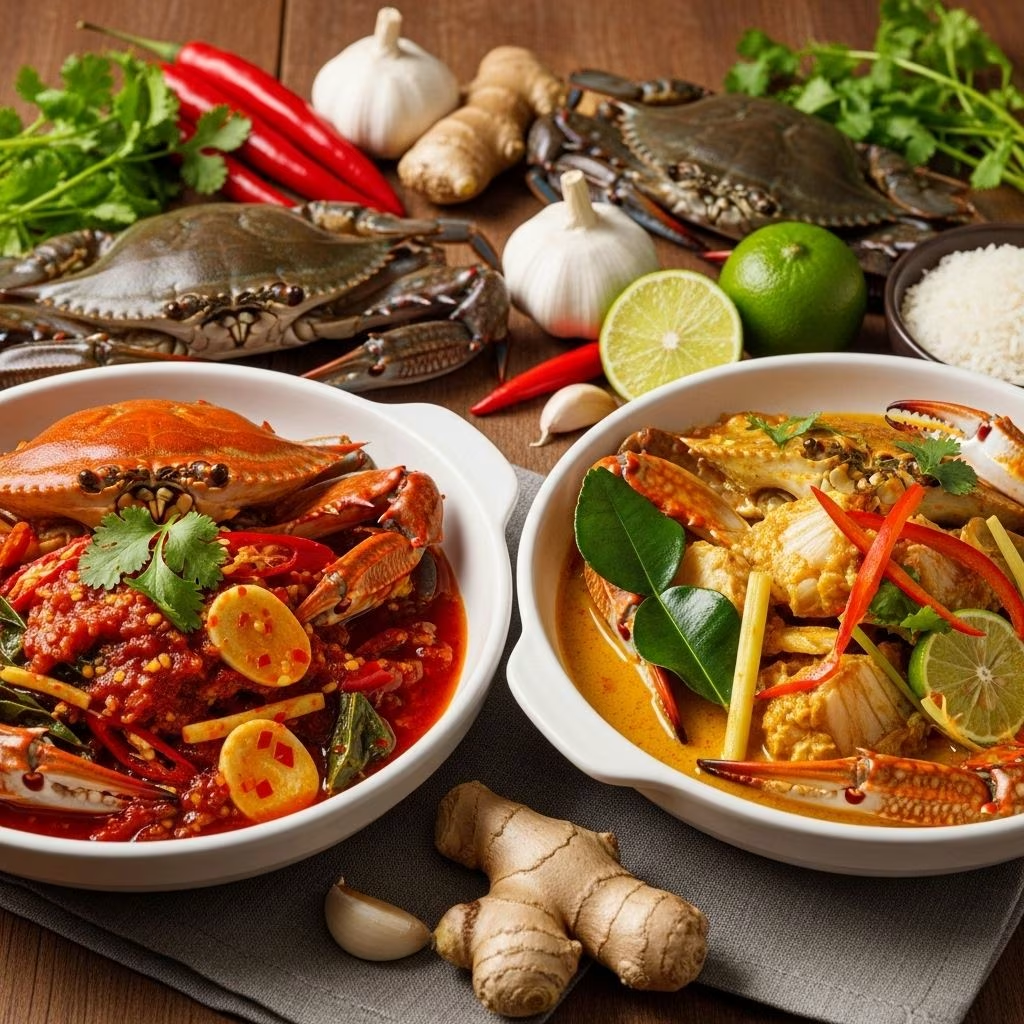
The quickest way to let the blue crab’s natural sweetness sparkle is via a high-heat Chinese or Vietnamese stir-fry, loaded with foundational aromatics: ginger, scallions, chili, and soy-based sauces. This approach not only infuses the crab with layers of savory depth, but also caramelizes the shells for even more flavor.
Ingredients
- 8–12 blue crabs (cleaned and segmented as above)
- 3 tbsp vegetable oil
- 3 tbsp oyster sauce
- 1 tbsp light soy sauce
- 2 tbsp sugar (or to taste)
- 1 tsp salt
- 1 tsp ground black pepper
- 1 tsp five-spice powder (optional but enhances aroma)
- 1/2 tsp cayenne or chili powder (adjust for heat)
- 3-inch piece of fresh ginger, thinly sliced
- 1 shallot, diced
- 4–5 scallions, white parts sliced, greens cut into 2-inch batons
- 2 fresh chilies (red or green, or dried, to preferred heat level)
Step-by-Step Cooking Instructions
- Season Crab: In a bowl, blend all dry seasonings. Sprinkle half over the crab segments and toss well. Let rest 10 minutes to absorb flavors.
- Fry Crab: Heat half the oil in a large wok or pan over medium-high. In batches, fry the crab pieces for about 10–12 minutes, flipping to expose all sides, until shells turn vibrant orange and meat is just firm. Remove and set aside. Reserve the pan drippings (the “fond”).
- Sauté Aromatics: In the same pan, add a bit more oil if needed, then the ginger, shallot, chilies, and white parts of the scallion. Fry for 2 minutes or until fragrant.
- Combine: Return the cooked crab to the pan, add the reserved crab butter, and the rest of the seasoning mix, followed by soy sauce and oyster sauce. Toss vigorously to coat every piece.
- Steam and Finish: Cover the pan and steam gently for 5 minutes to infuse. Uncover, toss again, and cook for 2–3 minutes to reduce and caramelize the sauce. Finish by stirring in the scallion greens for the last minute of cooking.
- Serve Hot: Arrange on a platter and garnish with fresh herbs (scallion tops or cilantro).
Chef’s Note:
This dish is often served with steamed white rice, but you can take it one step further by
- Scraping up the pan bits after removing the crabs.
- Adding a little cooked rice and butter to the pan.
- Stir-frying until rice is golden and thoroughly coated in savory seafood flavor.
Method Two: Creamy Butter Blue Crabs
If you’re in the mood for something rich and indulgent, look to Southeast Asia’s creamy butter crab recipes. This style combines the briny punch of blue crab with sweet cream, fragrant curry leaves, and a savory blend of spices, creating a sauce meant to be sopped up by rice or steamed buns. Perfect for gatherings where hands and hearts get equally involved in the feast.
Ingredients
- 6–8 blue crabs (cleaned as above, segmented)
- 3–4 tbsp peanut or vegetable oil for deep frying
- 70g unsalted butter (room temperature)
- 3–4 sprigs fresh curry leaves (or 12–15 leaves), optional but traditional
- 3-inch fresh ginger, finely minced
- 3–4 garlic cloves, minced
- 2–3 fresh bird’s eye chilies, sliced (adjust for heat)
- 1 cup evaporated milk or half-and-half
- 1 tsp chicken bouillon or seasoning powder
- 2 tsp sugar
- Salt and freshly ground black pepper, to taste
- Optional: splash of fish sauce for depth
Step-by-Step Cooking Instructions
- Deep-Fry the Crab: In a wide wok or sauté pan, heat the oil over medium. Deep-fry crab pieces in small batches until shells are bright and crisp at edges (don’t overcook—just 5–7 minutes per batch). Remove to paper towels to drain.
- Prepare Butter Sauce: Pour out excess oil, melt the butter in the pan over medium-low heat. If using fish sauce, stir it in at this stage. Add the ginger, garlic, and curry leaves. Sauté until aromatic and lightly caramelized (1–2 minutes).
- Add Heat: Stir in sliced chilies and sauté for another minute.
- Build the Creaminess: Pour in the evaporated milk, add chicken bouillon (or seasoning powder), and sugar. Stir and taste—adjust with salt, pepper, or more sugar as you like.
- Return the Crab: Add fried crab pieces back to the pan. Toss gently to coat every nook and cranny with sauce. Simmer until everything is heated through and flavors meld (3–5 minutes).
- Serve Immediately: Offer with plenty of rice or toasted bread, and extra sauce spooned over the top.
This opulent dish is a mainstay of celebratory banquets, prized for its interplay of sweetness, heat, and dairy richness against tender blue crab.
Pro Tips for Cooking and Serving Asian Crab Dishes
- Always use freshly killed or live crab for maximum flavor and texture.
- Be thorough in cleaning: removing grit, gills, and tomalley for a pristine taste.
- Keep aromatics plentiful: Ginger, scallions, curry leaves, and chilies are the foundation of flavor.
- Don’t discard the crab butter (the yellow-green innards under the shell)—mixed back into the sauce, it enhances depth and savoriness.
- Serve with hands-on tools: Crab crackers or kitchen shears make extracting the meat easier for guests.
- Pair with simple starches: White rice, fried rice, steamed mantou buns, or crusty bread let the crab and sauces shine.
- Reserve pan fond: After plating the crab, use the same pan to fry up rice for a bonus side dish packed with concentrated crab flavor.
| Feature | Stir-Fried Aromatic Crab | Creamy Butter Crab |
|---|---|---|
| Base Flavors | Soy sauce, oyster sauce, ginger, scallion, chili | Butter, evaporated milk, curry leaves, garlic, chili |
| Texture | Light, saucy, slightly caramelized | Rich, silky, clingy sauce |
| Serving Pairing | Steamed rice or fried rice | Rice, steamed buns, or crusty bread |
| Occasion | Weeknight meals, sharing platters | Special occasions, banquets |
Frequently Asked Questions (FAQs)
Q: What type of crab works best for these recipes?
A: Blue crab is traditional, known for its sweet, tender meat, but Dungeness or mud crab also work well if blue crab is unavailable.
Q: Do I have to use live crab? Can I substitute frozen?
A: Live crab yields the freshest flavor and texture, but high-quality, flash-frozen crab can also be used in a pinch. Thaw thoroughly and pat dry before cooking.
Q: Is cleaning crab necessary before cooking?
A: Absolutely—thoroughly cleaning removes sand, gills, and unwanted flavors. The extra effort translates to a better-tasting dish.
Q: What can I do with leftover pan bits or crab sauce?
A: Scrape up any bits and use them to stir-fry leftover rice for an umami-rich side, or serve the extra sauce with bread or buns.
Q: Can I make these dishes ahead of time?
A: These are best enjoyed freshly cooked. However, you can clean and prep the crab earlier in the day, refrigerate, and cook just before serving.
In Closing
Mastering the art of Asian-style blue crab—whether quick stir-fries or decadent butter sauces—opens up a world of flavor, technique, and shared delight. With a little patience, great ingredients, and a willingness to get your hands dirty, these dishes bring friends and families together in pursuit of culinary joy worth every effort.