When spring arrives in Northern Italy, few dishes better celebrate its bounty than Asparagus alla Milanese. This delightfully simple recipe pairs vibrant green asparagus with a gently fried egg and a generous dusting of Parmigiano-Reggiano, creating a dish that manages to be both comforting and elegant. Whether served for brunch, lunch, or a light dinner, it captures the essence of Italian cooking: best-quality ingredients and minimal fuss.
What Is Asparagus alla Milanese?
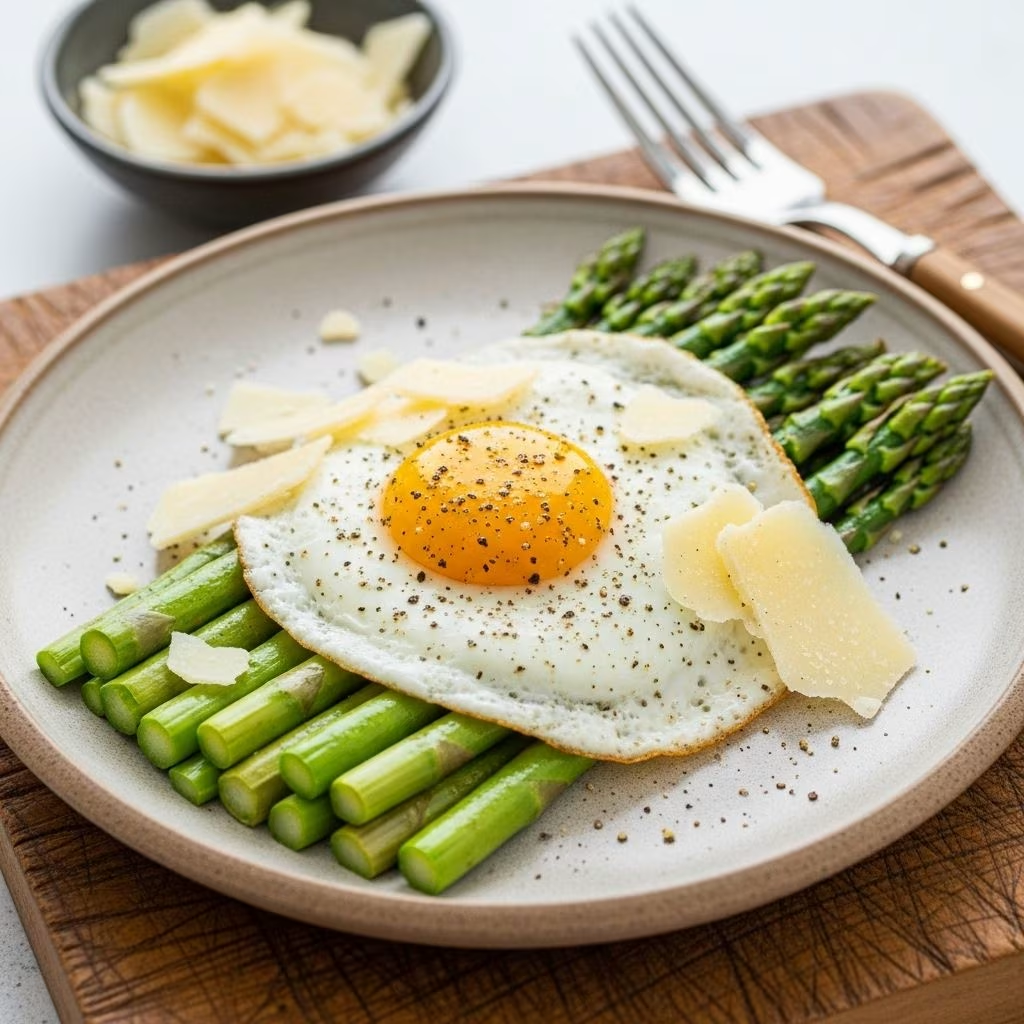
Asparagus alla Milanese is a beloved dish from Milan, in the Lombardy region of Northern Italy. Its core elements are remarkably simple:
- Blanched or steamed asparagus spears, cooked until just-tender
- Sunny-side-up egg (sometimes gently fried in butter)
- Parmigiano-Reggiano cheese, freshly grated
- Finishing touches such as melted butter, lemon juice, and black or white pepper
The dish’s name comes from its presentation “alla Milanese”—meaning in Milanese style—where the richness of egg and cheese unites with the vegetable’s delicate flavor.
A Brief History of Asparagus alla Milanese
Asparagus has long been celebrated in regional Italian cuisines, especially in Lombardy, where the fertile soil yields tender spears each spring. The tradition of pairing eggs and asparagus stretches back centuries. Eggs symbolize renewal and spring; asparagus is among the season’s first green offerings. When combined—often with Europe’s prized Parmigiano-Reggiano—the result is a dish that resonates with generations of Italian cooks and families.
Choosing and Prepping Asparagus
The foundation of this dish is fresh, high-quality asparagus. Look for:
- Firm stalks with tightly closed tips
- Bright green color, avoiding wrinkling or limpness
- Uniform thickness for even cooking
Preparation tips:
- Snap off the woody ends: Gently bend each spear; it will naturally break at the point where tender stalk meets fibrous base.
- If needed, line up the asparagus and trim so all spears are similar in length and appearance.
- Store freshly purchased asparagus upright in a tumbler with an inch of water; loosely cover with plastic and refrigerate to keep them crisp for several days.
Key Ingredients
| Ingredient | Role in Dish | Recommended Type/Notes |
|---|---|---|
| Asparagus | Main vegetable, provides fresh, grassy flavor | Thick spears, fresh, in season (spring) |
| Egg | Provides richness; yolk creates natural sauce | Large, very fresh |
| Butter | Infuses both asparagus and egg with flavor | Unsalted, high quality |
| Parmigiano-Reggiano | Savory topping, sharp and nutty | Freshly grated; substitute Grana Padano if needed |
| Lemon | Optional brightness, balances richness | Fresh juice |
| Salt & pepper | For seasoning | Kosher salt, freshly cracked black or white pepper |
| Olive oil | Optional garnish | Extra virgin |
Step-by-Step: How to Make Asparagus alla Milanese
This recipe highlights both the technique and the elegance in restraint. Here’s how to prepare this dish at home:
1. Prep the Asparagus
- Snap off tough ends; trim to even length if desired.
- If spears are very thick, consider peeling the lower half with a vegetable peeler for extra tenderness and a more uniform presentation.
2. Blanch the Asparagus
- Fill a large skillet or sauté pan with about an inch of water. Salt it generously.
- Bring to a simmer. Carefully lay the asparagus in a single layer.
- Cook, uncovered, until just tender (generally 3–5 minutes depending on thickness). Test doneness by piercing the base with a knife; it should glide in easily but the spears should retain their shape and color.
- Immediately remove asparagus. Shake off excess water and place on a warmed serving plate.
3. Fry the Egg
- Pour off the asparagus cooking water from the pan. Melt a tablespoon of butter in the same pan over gentle heat.
- Crack the egg into a small bowl for easier transfer.
- Slide the egg into the melted butter. Season lightly with salt and pepper.
- Cook until the white is set but the yolk remains runny. The classic approach is to keep the yolk sunny-side-up, just cooked through, and luscious.
4. Assemble the Dish
- Slide the fried egg directly over the arranged asparagus, letting the yolk sit temptingly atop the spears’ center.
- Pour remaining melted butter from the pan over everything.
- Shower liberally with freshly grated Parmigiano-Reggiano.
- Squeeze a few drops of lemon juice over the egg, if desired, and drizzle with olive oil or finish with more black or white pepper.
Tips & Tricks for Perfect Asparagus alla Milanese
- Don’t overcook the asparagus: Aim for just-tender with a bright green color—the stalks should retain a little snap.
- Yolk is the sauce: The runny yolk is essential; it combines with butter and cheese to cloak the asparagus in richness.
- Parmesan matters: Use Parmigiano-Reggiano, freshly grated right before serving. A pre-grated or powdery substitute will fall flat.
- Serve immediately: The dish should be hot, as the egg yolk and butter bring together all the flavors and textures in that perfect first bite.
- One-pan efficiency: Cooking both the asparagus and egg in the same pan minimizes cleanup and captures extra flavor.
Variations & Additions
While the basic version is a classic, cooks throughout Italy (and beyond) make small adjustments according to taste:
- Soft-poached egg can be used instead of fried for a lighter twist.
- Drizzle truffle oil or add shaved truffle for a luxurious, earthy upgrade.
- Swap butter for olive oil for a more Mediterranean profile (though Lombard tradition favors butter).
- Crispy breadcrumbs or a few shavings of aged prosciutto can lend texture or extra savor.
Serving Suggestions
Asparagus alla Milanese shines as a standalone lunch or elegant brunch, but is also a gorgeous starter for a larger Italian meal. Pair it with:
- Crusty bread to soak up the egg yolk and butter
- A light, crisp white wine—such as Pinot Grigio or Verdicchio
- Simple mixed green salad dressed with lemon and olive oil
Nutritional Profile
This dish is naturally low in carbohydrates, high in protein, and full of vitamins—a reflection of the Mediterranean diet’s focus on vegetables, healthy fats, and moderate use of cheese. Asparagus is especially rich in folate, vitamin K, and fiber. Eggs provide a complete source of protein, while Parmigiano brings calcium and umami depth.
Frequently Asked Questions (FAQs)
Q: Can I use another cheese besides Parmigiano-Reggiano?
A: While Parmigiano-Reggiano is classic for its robust flavor, you can substitute a high-quality Grana Padano or even a finely grated Pecorino Romano for a sharper, saltier finish.
Q: How can I make this dish dairy-free?
A: For a dairy-free version, use olive oil in place of butter and omit the Parmesan, or substitute with a vegan Parmesan alternative. The dish will remain simple and bright.
Q: Is it necessary to peel thick asparagus?
A: Peeling the lower third of thick asparagus helps ensure tenderness and a more attractive presentation, though thin spears do not require peeling.
Q: Can I prepare the dish in advance?
A: Asparagus can be blanched ahead and kept at room temperature for a few hours, but the egg should always be cooked fresh for best results.
Troubleshooting and Advanced Tips
- Egg whites spreading when fried? Lower heat and use fresh eggs, which have firmer whites.
- Asparagus overcooked? Plunge into ice water immediately after boiling to stop the cooking, then gently rewarm before serving.
- Want richer flavor? Brown the butter slightly before adding the egg for a nutty aroma (be careful not to let it burn).
- Gluten-free and vegetarian: This dish naturally meets both criteria if no breadcrumbs or meat are added.
Conclusion: The Essence of Spring, the Heart of Milan
Asparagus alla Milanese is more than a recipe—it’s a celebration of spring produce, a testament to the enduring appeal of Italian country cooking, and a reminder that true elegance lies in simplicity. Serve it proudly at your next brunch or as a stunning appetizer, and savor each bite as Italians have for generations.