Asparagus Quiche: A Detailed Guide to Spring Perfection
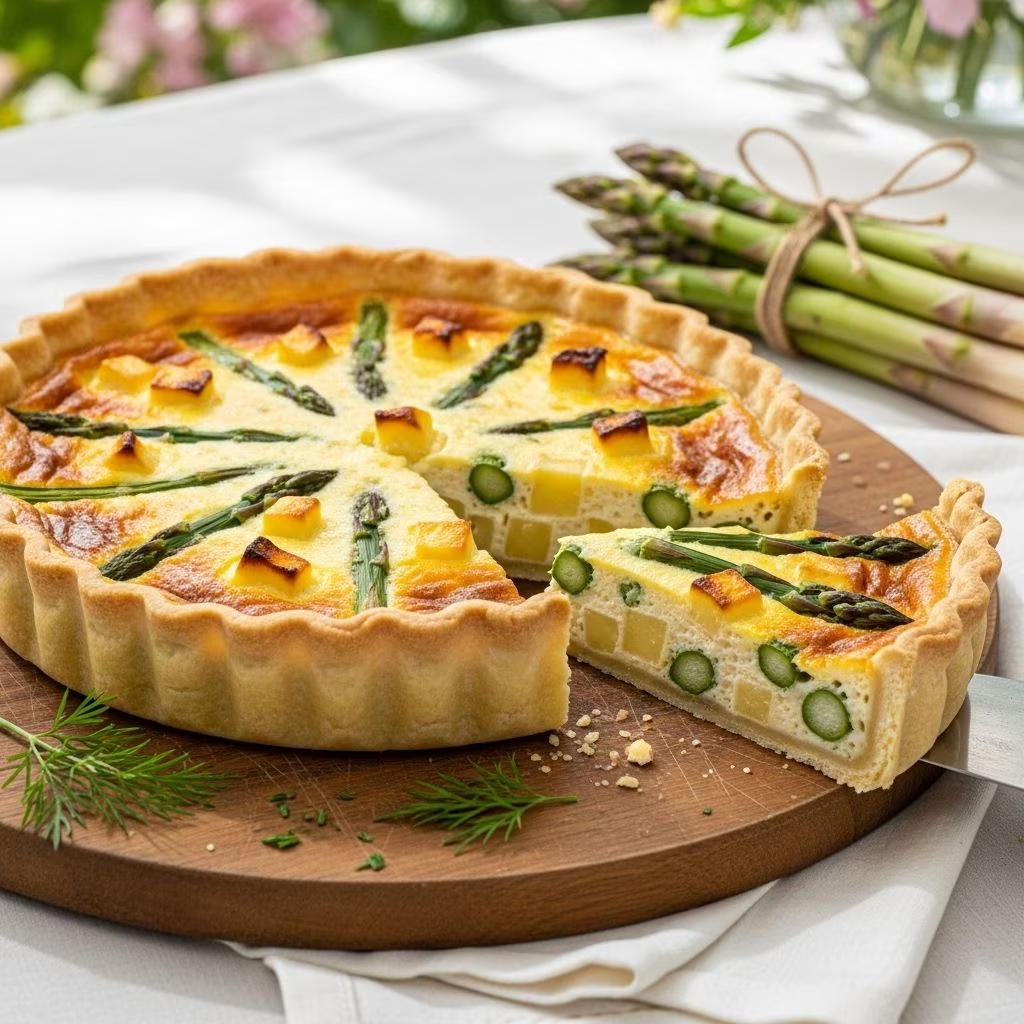
Asparagus quiche is a celebrated dish for spring, blending crisp-tender asparagus, mellow custard, and a shatteringly flaky crust. This article thoroughly explores the classic French quiche, highlighting techniques that ensure a harmonious result with vibrant vegetables and perfect texture.
Why Asparagus Quiche is a Spring Classic
With asparagus marking the start of spring produce, this quiche capitalizes on its delicate flavor and firm texture.
Quiche as a concept is deeply rooted in French culinary tradition, especially in regions like Lorraine—known for their savory custard pies encased in pastry.
What makes asparagus quiche special?
- Showcases seasonal ingredients
- Ideal for brunch, lunch, or light supper
- Customizable with cheese and herbs
- Great make-ahead dish—flavor improves as it rests
Ingredients and Their Function
The beauty of asparagus quiche lies in its balance of creaminess, flakiness, and true flavor. Each component matters:
- Asparagus: Spring’s signature vegetable. Look for firm, bright green spears; thinner ones cook quickly and blend easily with custard, while thicker spears provide chunky bites.
- Pie Crust: For authentic texture, a homemade crust is preferred. The goal is a crisp, layered base that can hold the custard without sogginess.
- Cream and Milk: Heavy cream adds richness, while whole milk lightens the mix. Skimp on either, and the texture suffers.
- Eggs: Structure and flavor. The egg-to-liquid ratio is key to preventing a rubbery custard.
- Cheese: Optional—Gruyère is classic, but Swiss, Comté, or even a sharp cheddar work well.
- Herbs: Chives, tarragon, dill, or parsley give freshness.
- Seasoning: Salt, white or black pepper, and sometimes a pinch of nutmeg.
Pie Crust: The Foundation of Quiche
A superior quiche starts with a strong base. Achieving a perfectly flaky pie crust requires attention to temperature, handling, and baking technique:
- Flour: Use all-purpose for the right balance of structure and tenderness.
- Fat: Butter delivers flavor and flakes; some recipes add a touch of vegetable shortening for extra tenderness.
- Water: Ice-cold to prevent excess gluten formation; measure carefully—a moist dough yields puffier layers.
- Blind Baking: Essential. Line the crust with parchment, fill with weights, and bake before adding custard. This keeps the bottom crisp.
Blind Baking Steps
- Roll chilled dough to about 1/8-inch thick.
- Fit into pan; dock with fork.
- Chill again before baking.
- Add parchment and weights (beans, rice, pie weights).
- Bake until edges set and bottom is dry but not browned.
- Remove weights, return to oven briefly to dry bottom.
| Component | Purpose | Tips |
|---|---|---|
| Dough Flour | Structure, strength | All-purpose best |
| Butter | Flavor, flakiness | Use cold, diced pieces |
| Water | Binds, puffs pastry | Ice-cold, add gradually |
| Blind Baking | Prevents soggy base | Use weights, chill dough |
Custard: Silky, Savory, Never Rubbery
The heart of any quiche is its custard—a blend of cream, milk, and eggs. Aim for a texture that’s just set, tender, and never bouncy or watery.
- Ratio: Best results come from careful balance. For a 9-inch quiche, 3 large eggs to 1 cup cream and 1/2 cup milk works well.
- Mixing: Whisk gently to avoid air bubbles, which disrupt creaminess and cause cracks.
- Seasoning: Don’t forget salt and pepper! Taste before baking.
- Sit Time: Let custard base rest 10–15 minutes to dissipate bubbles and hydrate proteins.
Vegetable Prep: Getting Asparagus Just Right
Fresh asparagus is the star—cooked to perfection before folding into the quiche:
- Trim Tough Ends: Snap or cut off fibrous bottoms.
- Blanch, Saute, or Roast: Blanching preserves color and crispness; sautéing adds flavor and caramelization.
- Cut to Size: Thin coins for even distribution or longer pieces for visual appeal.
- Timing: Add just before pouring custard and baking to avoid overcooked, mushy spears.
Assembling the Quiche
- Layer asparagus evenly on blind-baked crust.
- Scatter cheese and herbs if using.
- Pour custard mixture carefully to fill but not overflow; the top should be just below crust edge.
- Bake until just set—edges should be firm, center still slightly jiggly.
Baking Tips for Perfect Quiche Texture
- Temperature: 325–350°F (160–175°C) ideal; hot enough to set custard gently, without rubbery texture.
- Oven Rack: Middle position ensures even baking.
- Check Early: Custard should wobble like gelatin, not splash like liquid.
- Rest: Let cool at least 20 minutes before slicing.
Serving Suggestions
Quiche excels in versatility:
- Hot or Room Temperature: Serve quiche freshly baked or cooled; flavors meld as it sits.
- Accompaniments: Pair with simple green salad, vinaigrette, crusty bread, or chilled rosé for a complete brunch.
- Garnishes: Chopped fresh herbs, dollops of crème fraîche, or extra grated cheese.
Make-Ahead, Storage, and Freezing
Quiche is ideal for prep in advance:
- Make-Ahead: Assemble and bake, then cool fully. Store, covered, in fridge up to 2 days.
- Freezing: Bake, cool, freeze whole or in slices; reheat gently at low oven temperature until warmed through.
- Reheating: Cover loosely with foil, heat at 300°F until warmed but not dried out.
Variations and Substitutions
Customize quiche based on what’s in season or your taste:
- Vegetables: Try spring peas, leeks, spinach, mushrooms, or roasted tomatoes.
- Cheese Choices: Comté, Swiss, goat cheese, or feta add unique flavor dimensions.
- Herbs: Experiment with basil, chervil, dill, or tarragon.
- Crust: Gluten-free option: use a nut-or seed-based crust.
Expert Troubleshooting: Common Quiche Mistakes
- Soggy Bottom: Blind bake crust fully; cool slightly before custard.
- Rubbery Texture: Use proper egg-to-dairy ratio; avoid overbaking.
- Split or Leaky Custard: Don’t overwhisk, avoid sudden temperature changes.
- Bland Flavor: Don’t skimp on salt, cheese, or herbs; taste mix before baking.
Frequently Asked Questions (FAQs)
Q: Can I use frozen asparagus for quiche?
A: Yes, but thaw and pat dry well. Frozen asparagus may be softer and less vibrant; fresh is preferred for best texture.
Q: How do I keep my quiche crust from getting soggy?
A: Fully blind bake the crust before adding filling. Bake until lightly golden and cool slightly before adding custard.
Q: Can I make quiche ahead?
A: Yes. Quiche keeps well for 2 days in the fridge. Bake, cool completely, cover, and refrigerate. Reheat gently before serving.
Q: What’s the best cheese for asparagus quiche?
A: Gruyère is traditional, but Swiss, Comté, goat cheese, or sharp cheddar also match well with asparagus.
Q: Can I make this quiche gluten-free?
A: Yes, substitute a gluten-free pie crust, made from almond flour or a commercial blend, and ensure all other ingredients are gluten-free.
Conclusion: Elevating Quiche from Everyday to Special
Crafting the perfect asparagus quiche means respecting each element—the flaky crust, silky custard, and peak-season vegetables. Mastering technique and understanding ingredient purpose ensures a dish worthy of spring’s bounty, ideal for sharing at a celebratory brunch or as a refined weeknight main. With these detailed steps and troubleshooting guidance, you are ready to bake an asparagus quiche that’s as beautiful as it is delicious.