\n\n
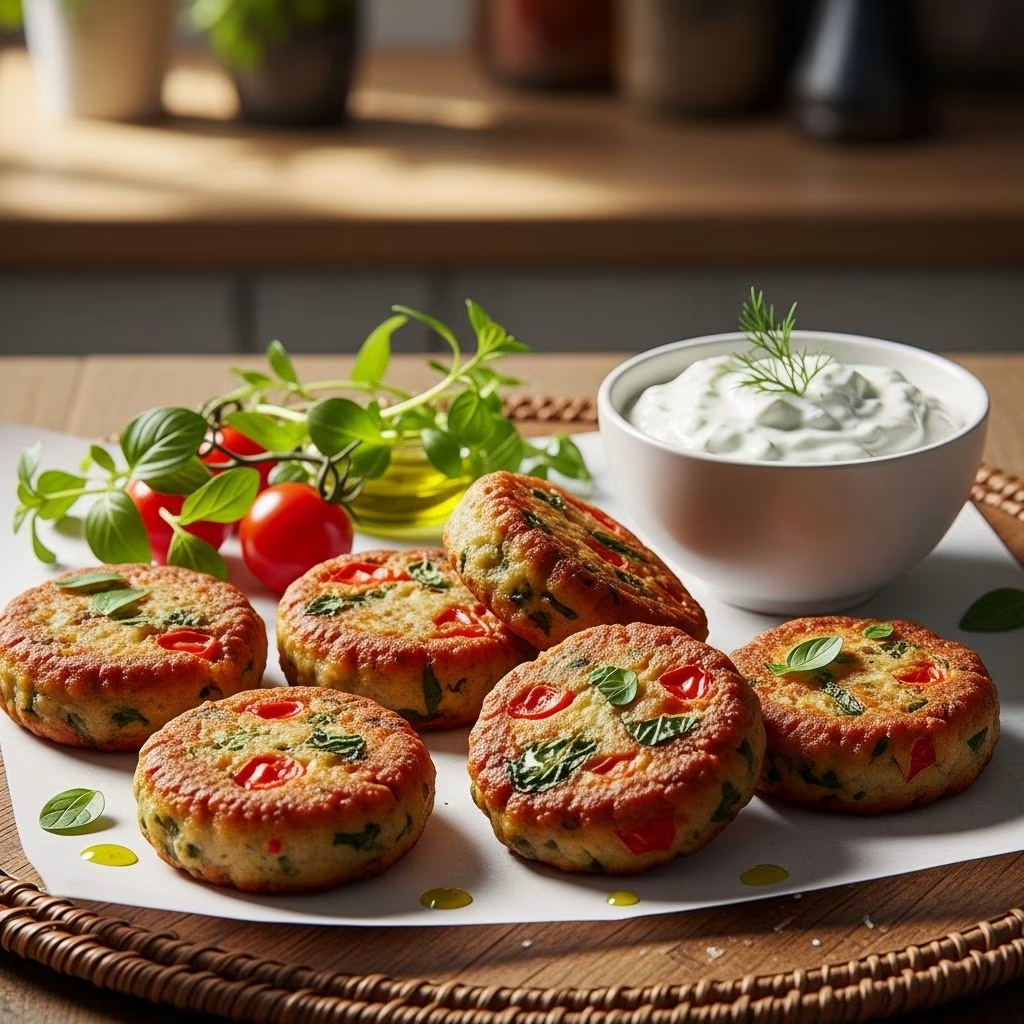
Tomato fritters, known in Greek as Ντοματοκεφτέδες (Tomatokeftedes), are a quintessential summer specialty hailing from the volcanic island of Santorini. Bursting with fragrant herbs, sun-ripened tomatoes, and a pleasing crunch, these rustic fritters capture the essence of the Mediterranean on a single plate. In this comprehensive guide, explore the origin of Tomatokeftedes, the secrets behind their remarkable flavor, step-by-step instructions, beloved regional and modern variations, plus expert tips for perfect results every time.
\n\n
What Are Tomatokeftedes?
\n
Tomatokeftedes (pronounced toe-mah-toh-kehf-TEH-thess) are Greek tomato fritters made from a batter of fresh tomatoes, herbs, onions, and flour, shallow- or deep-fried to a savory golden crisp. Originating on Santorini, these fritters are designed to showcase the island’s famously sweet, intense local tomatoes. They are customarily served as a meze (appetizer), paired with cool yogurt dips or simply enjoyed on their own.
\n\n
History and Origins
\n
Santorini’s unique volcanic soil and minimal rainfall yield tomatoes of exceptional flavor—small, dense, and bursting with natural sweetness. This agricultural distinctiveness led local cooks to incorporate tomatoes into many traditional dishes, with Tomatokeftedes becoming a beloved staple. While they originated on Santorini, their popularity has spread across Greece, gracing summer tables and taverna menus everywhere.
\n\n
The Role of Santorini Tomatoes
\n
Santorini’s cherry tomatoes are so prized that they’re awarded PDO (protected designation of origin) status. However, if these aren’t available, the recipe’s techniques allow home cooks to approximate the outcome with high-quality, ripe, yet firm tomatoes or a blend of plum and cherry types.
\n\n
Key Ingredients: Choosing the Best
\n
The brilliance of Tomatokeftedes lies in their balance of simple, quality components. Here are the essentials:
\n
- \n
- Tomatoes: Ripe, fragrant, yet firm. Use the sweetest local tomatoes you can find. Roma and cherry types work well. Drain thoroughly to prevent sogginess.
- Onions: Adds punch and aroma. Red or white onions are used, sometimes with spring onions for freshness.
- Herbs: A trio of fresh mint, parsley, and basil is classic for Mediterranean fragrance.
- Flour: All-purpose flour binds the mixture. The quantity depends on the juiciness of your tomatoes.
- Seasonings: Salt, freshly ground pepper, and sometimes a pinch of sugar to balance acidity.
- Olive oil: Used for frying, imparting rich flavor and a crisp crust.
\n
\n
\n
\n
\n
\n
\n
Optional (regional or modern variations): crumbled feta, grated zucchini, corn kernels, or red pepper flakes.
\n\n
Step-by-Step Guide: Authentic Tomatokeftedes
\n \n
1. Prepping the Tomatoes
\n
Drain is key: Finely chop or grate the tomatoes. Place in a colander, season lightly with salt, and set aside for at least 30 minutes. Gently press to release excess juices; this step prevents soggy fritters and lets the batter crisp up.
\n\n
2. Mixing the Batter
\n
- \n
- Combine drained tomatoes in a large bowl with finely chopped onions (and spring onions, if using).
- Mix in chopped parsley, mint, and basil.
- Season generously with salt and pepper. Add a touch of sugar if tomatoes are too acidic.
- Gradually add the flour, stirring gently until a thick, slightly sticky batter forms. Avoid overmixing; lumps are fine.
- If your tomatoes are particularly juicy, add extra flour as needed so the mixture holds together when scooped.
\n
\n
\n
\n
\n
\n\n
3. Resting
\n
Refrigerate the batter for at least 30 minutes. This firms up the mixture and improves binding, making frying easier and tidier.
\n\n
4. Frying
\n
- \n
- Heat 1–2 inches of olive oil in a wide skillet over medium-high heat.
- Drop spoonfuls or small mounds of batter into the oil.
- Fry for 3–4 minutes per side, turning once, until golden brown and crisp all over.
- Transfer to a paper towel-lined plate to absorb any excess oil.
\n
\n
\n
\n
\n\n
5. Serving
\n
- \n
- Serve hot or at room temperature.
- Accompany with creamy Greek yogurt or tzatziki sauce for dipping.
- Fritters pair especially well with chilled white wine, ouzo, or a crisp lager.
\n
\n
\n
\n\n
Pro Tips & Troubleshooting
\n
- \n
- Moisture matters: Insufficiently drained tomatoes can lead to a loose, oily batter. Always drain well and let stand.
- Binding aid: Some cooks add a small egg for additional binding, though traditional recipes are typically eggless. Start with the classic method, adding flour or a spoonful of beaten egg if needed.
- Extra flavor: Crumbled feta or a handful of grated summer zucchini can be stirred in for richness and complexity (see Variations).
- Crispiness: Overcrowding the pan causes steam and makes fritters soggy. Fry in batches for the best texture.
- Make ahead: The mixture can be prepared and chilled a few hours ahead. Fry just before serving.
\n
\n
\n
\n
\n
\n\n
Ingredient Table (Classic Santorini Style)
\n
| Ingredient | Quantity |
|---|---|
| Ripe tomatoes (Roma/cherry) | 500g (1 lb) |
| Onion (finely diced) | 1–2 medium |
| Spring onions (optional) | 4 (finely sliced) |
| Parsley (minced) | 1/2 cup |
| Basil (minced) | 1/2 cup |
| Mint (minced) | 1/2 cup |
| All-purpose flour | 1.5 cups (200g) or as needed |
| Salt & pepper | To taste |
| Sugar (optional) | 1 tsp |
| Olive oil | For frying |
\n\n
Regional and Modern Variations
\n
- \n
- With feta: Add 1/2 cup crumbled Greek feta to the batter for a tangy, creamy note.
- With zucchini: Fold in 1 cup grated zucchini (well-drained) for extra texture and summery flavor.
- With corn: Sweet corn kernels (1 cup) lend an unexpected pop and balance the acidity of tomato (see The Greek Foodie variation).
- Spicy version: Sprinkle chili flakes into the batter, or add a touch to the accompanying yogurt dip.
\n
\n
\n
\n
\n\n
Some cooks experiment with alternative binding agents (egg, baking powder) or flours (chickpea flour for a gluten-free touch).
\n\n
Serving & Pairings
\n
Tomatokeftedes are typically enjoyed as a meze—small plates intended for sharing. Here are classic and creative accompaniments:
\n
- \n
- Greek yogurt or tzatziki: Their cool, tangy creaminess is a perfect foil for the fritter’s savory warmth.
- Greek salad: Pair with crisp cucumbers, olives, feta, and more tomato for a balanced summer spread.
- Breads: Serve with pita or crusty country bread to mop up juices and dips.
- Drinks: A chilled glass of Santorini Assyrtiko wine, ouzo on the rocks, or a light lager shine alongside.
\n
\n
\n
\n
\n\n
Storing & Reheating
\n
- \n
- Fresh is best: Tomato fritters are at their crisp, aromatic prime straight out of the pan.
- Short-term: Leftovers keep in an airtight container in the fridge for up to 2 days. Reheat gently in a skillet—not a microwave—for best texture.
- Freezing: Not recommended, as the high moisture content of tomatoes can lead to soggy, unappetizing fritters upon thawing.
\n
\n
\n
\n\n
A Taste of Santorini: The Story Continues
\n
For visitors to Santorini, enjoying these fritters—tender on the inside, crisp and aromatic on the outside—overlooking the caldera is a highlight of island cuisine. They evoke the sun-drenched fields where the tomatoes are grown and the timeless spirit of Greek hospitality. While modern kitchens may substitute the volcanic tomatoes, the principles of freshness, careful handling, and generous herbs ensure these fritters always transport the senses to the Aegean.
\n\n
Frequently Asked Questions (FAQs)
\n
How do I keep my tomato fritters from falling apart?
\n
Thoroughly drain chopped or grated tomatoes to minimize excess moisture. If the mixture is still too loose, mix in a bit more flour until the batter holds together. You may also rest the mixture in the refrigerator to help it firm up.
\n\n
Can I make these gluten-free?
\n
Yes, substitute all-purpose flour with a gluten-free blend or use chickpea flour for a slightly earthy flavor and suitable binding.
\n\n
Are eggs required for binding?
\n
Traditional recipes are usually eggless, relying on flour and proper moisture control for binding. Some cooks add an egg for extra insurance, especially if their tomatoes are very juicy.
\n\n
What is the best oil for frying Tomatokeftedes?
\n
Greek or extra-virgin olive oil is preferred for its flavor and tradition, but you can use light olive oil or a neutral frying oil with a high smoke point if desired.
\n\n
Can I bake Tomatokeftedes instead of frying?
\n
While baking is possible, the classic crispy texture is best achieved through frying. If baking, brush with oil and bake at a high temperature, turning once until golden.
\n\n
Conclusion
\n
Greek tomato fritters, or Tomatokeftedes, embody the spirit of Santorini’s cuisine: vibrant, minimalist, and fragrant. Whether you follow the traditional method or experiment with feta and summer vegetables, these fritters are a celebration of summer that bring the best of Greek hospitality to your kitchen.