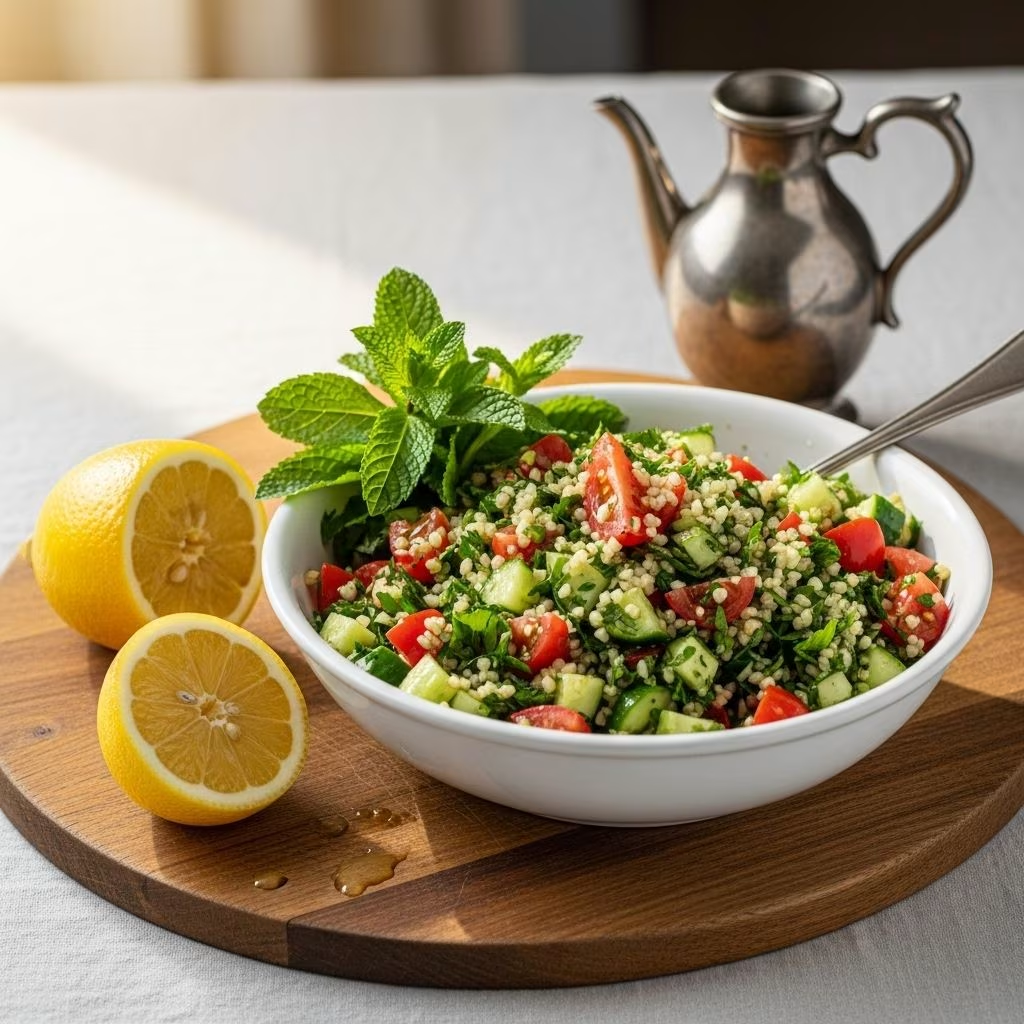
Tabbouleh stands as one of the crown jewels of Middle Eastern cuisine, representing the perfect harmony between fresh herbs, wholesome grains, and vibrant vegetables. This traditional Lebanese salad transforms simple ingredients into a refreshing, nutritious meal that captures the essence of Mediterranean cooking. Unlike heavy, mayo-laden salads, tabbouleh celebrates the natural flavors of its components, creating a dish that’s both satisfying and energizing.
The beauty of tabbouleh lies in its simplicity and the quality of its ingredients. Each bite delivers a burst of freshness from abundantly chopped parsley and mint, complemented by the nutty texture of bulgur wheat and the bright acidity of lemon juice. This mezze platter staple has gained popularity worldwide for good reason – it’s incredibly healthy, naturally vegetarian, and bursting with flavors that transport you straight to the sun-soaked shores of the Mediterranean.
The Origins and Cultural Significance of Tabbouleh
Tabbouleh, also spelled tabouleh or tabouli, originates from the mountainous regions of Lebanon and Syria, where it has been a dietary staple for centuries. Traditionally prepared by the women of the household, this herb-heavy salad was originally made with whatever fresh ingredients were available in the garden. The name itself comes from the Arabic word “tabil,” meaning “to season,” reflecting the dish’s emphasis on fresh, aromatic herbs and zesty seasonings.
In authentic Middle Eastern preparation, tabbouleh is predominantly a parsley salad with bulgur playing a supporting role, rather than the grain-heavy versions often found in Western interpretations. This traditional approach emphasizes the medicinal and nutritional properties of fresh herbs, particularly parsley, which is rich in vitamins A, C, and K, as well as folate and iron.
Essential Ingredients for Authentic Tabbouleh
Creating exceptional tabbouleh begins with selecting the finest ingredients. Each component plays a crucial role in achieving the perfect balance of flavors and textures that define this beloved salad.
The Herb Foundation
Fresh Parsley: The star of the show, parsley should comprise the majority of your tabbouleh. While flat-leaf Italian parsley is commonly used in many cuisines, curly parsley offers a lighter texture and brighter color that works beautifully in tabbouleh. Choose bunches with vibrant green leaves and firm stems, avoiding any with yellow or wilted portions.
Fresh Mint: Mint adds cooling, aromatic notes that complement the parsley beautifully. Use spearmint rather than peppermint for a gentler flavor that won’t overpower the other ingredients. The leaves should be bright green and fragrant when gently crushed between your fingers.
The Grain Component
Bulgur Wheat: This partially cooked and dried cracked wheat provides a nutty flavor and satisfying texture. Fine bulgur is traditional, but coarse bulgur works equally well and is often easier to find in grocery stores. The grain should be properly prepared by soaking in hot water until tender but still maintaining a slight bite.
Fresh Vegetables
Tomatoes: Ripe, juicy tomatoes add sweetness and acidity to balance the herbs. Roma or beefsteak tomatoes work well, but ensure they’re at peak ripeness for the best flavor. Remove seeds and excess moisture to prevent the salad from becoming watery.
Cucumbers: English or Persian cucumbers are ideal due to their crisp texture and fewer seeds. Regular cucumbers work too, but should be peeled and seeded. The cucumbers provide a refreshing crunch that contrasts beautifully with the soft herbs and grain.
Scallions: Green onions offer a mild onion flavor that doesn’t overpower the delicate herb flavors. Use both the white and light green portions for optimal flavor and texture.
The Flavor Enhancers
Garlic: Fresh garlic, finely minced or grated, adds depth and aromatic complexity to the salad. Use it sparingly to avoid overwhelming the fresh herb flavors.
Lemon Juice: Freshly squeezed lemon juice is essential for authentic tabbouleh. The bright acidity not only flavors the salad but also helps preserve the vibrant green color of the herbs.
Extra Virgin Olive Oil: High-quality olive oil binds the ingredients together and adds richness without heaviness. Choose a fruity, well-balanced oil that complements rather than competes with the other flavors.
Step-by-Step Preparation Guide
Preparing the Bulgur
Begin by preparing the bulgur wheat, as it needs time to absorb liquid and soften. Place 2/3 cup of bulgur in a bowl and cover with hot water by about an inch. Let it soak for 30-45 minutes until tender but still maintaining some texture. Drain thoroughly and squeeze out excess moisture using a clean kitchen towel or cheesecloth. This step is crucial for preventing a soggy salad.
Herb Preparation Technique
The key to exceptional tabbouleh lies in properly preparing the herbs. Wash the parsley and mint thoroughly, then dry completely using a salad spinner or by patting with paper towels. Any residual moisture will dilute the flavors and make the salad soggy.
Using a sharp knife, finely chop the herbs by hand rather than using a food processor, which can bruise the delicate leaves and create a mushy texture. The parsley should be chopped extremely fine – almost minced – while the mint can be slightly less fine. This hand-chopping technique preserves the herbs’ structure and prevents them from releasing excess moisture.
Vegetable Preparation
Dice the tomatoes into small, uniform pieces, removing seeds and excess juice. Salt them lightly and let them drain in a colander for 15 minutes to remove excess moisture. Cut the cucumber into small, consistent dice. Finely slice the scallions, using both white and light green parts.
Assembly and Seasoning
In a large mixing bowl, combine the prepared bulgur, chopped herbs, diced vegetables, and minced garlic. In a separate small bowl, whisk together the lemon juice, olive oil, salt, and any additional spices like ground coriander or a pinch of cinnamon for depth.
Pour the dressing over the salad and toss gently but thoroughly to ensure even distribution. Taste and adjust seasoning as needed – the salad should be bright and well-seasoned but not overpowering.
Serving Suggestions and Pairings
Tabbouleh is incredibly versatile and can be served in numerous ways. As part of a traditional mezze spread, it pairs beautifully with hummus, baba ganoush, stuffed grape leaves, and warm pita bread. The fresh, herbaceous flavors make it an excellent accompaniment to grilled meats, particularly lamb or chicken.
For a complete Mediterranean meal, serve tabbouleh alongside falafel, grilled vegetables, and tzatziki. It also works wonderfully as a light lunch on its own or as a side dish for barbecued foods during summer gatherings.
Nutritional Benefits and Health Advantages
Tabbouleh is a nutritional powerhouse, packed with vitamins, minerals, and antioxidants. Parsley is exceptionally rich in vitamin K, which supports bone health, and vitamin C, an important antioxidant. The herb also contains folate, important for cell division and DNA synthesis.
Bulgur wheat provides complex carbohydrates, fiber, and plant-based protein, making the salad satisfying and supportive of stable blood sugar levels. The olive oil contributes healthy monounsaturated fats, while the fresh vegetables add various vitamins and minerals.
This salad is naturally low in calories but high in nutrients, making it an excellent choice for those seeking healthy, flavorful meals. It’s also naturally vegetarian and can easily be made vegan.
Storage and Make-Ahead Tips
Tabbouleh actually improves with time, as the flavors meld and develop. The salad can be refrigerated for up to three days, though it’s best consumed within 24-48 hours for optimal texture and freshness. Store it covered in the refrigerator and give it a gentle stir before serving.
For meal prep, you can prepare all components separately and assemble just before serving to maintain the best texture. The herbs can be chopped and the bulgur prepared a day ahead, stored separately in the refrigerator.
Variations and Adaptations
While traditional tabbouleh is perfect as-is, there are several delicious variations to explore. Some recipes include a small amount of ground cinnamon or allspice for warmth and complexity. Others incorporate pomegranate seeds for bursts of sweet-tart flavor and beautiful color contrast.
For a gluten-free version, substitute the bulgur with cooked quinoa, cauliflower rice, or finely chopped cauliflower. These alternatives maintain the salad’s texture while accommodating dietary restrictions.
Frequently Asked Questions
Q: Can I make tabbouleh without bulgur wheat?
A: Yes, you can substitute bulgur with quinoa for a gluten-free version, or use cauliflower rice for a grain-free alternative. Cook quinoa until tender and let it cool completely before using.
Q: How long does tabbouleh last in the refrigerator?
A: Properly stored tabbouleh will keep for 2-3 days in the refrigerator. The flavors actually improve over time, but consume within this timeframe for the best texture and freshness.
Q: Why is my tabbouleh soggy?
A: Soggy tabbouleh usually results from excess moisture in the ingredients. Make sure to drain the bulgur thoroughly, salt and drain the tomatoes, and completely dry the herbs before chopping.
Q: Can I use dried herbs instead of fresh?
A: Fresh herbs are essential for authentic tabbouleh. Dried herbs won’t provide the same flavor, texture, or nutritional benefits. Fresh parsley and mint are fundamental to the dish’s character.
Q: What’s the proper ratio of herbs to bulgur?
A: Traditional tabbouleh is predominantly herbs with bulgur as an accent. Use about 3 cups of chopped parsley to 2/3 cup of prepared bulgur for authentic proportions.
Tabbouleh represents the perfect marriage of nutrition and flavor, offering a fresh, healthy option that satisfies both body and soul. This timeless Middle Eastern salad proves that the simplest ingredients, when treated with respect and combined thoughtfully, can create extraordinary culinary experiences. Whether served as part of an elaborate mezze spread or enjoyed as a light, refreshing meal, tabbouleh brings the vibrant essence of Mediterranean cuisine to your table.