Basil 101: Complete Guide to Growing, Using, and Savoring This Fresh Herb
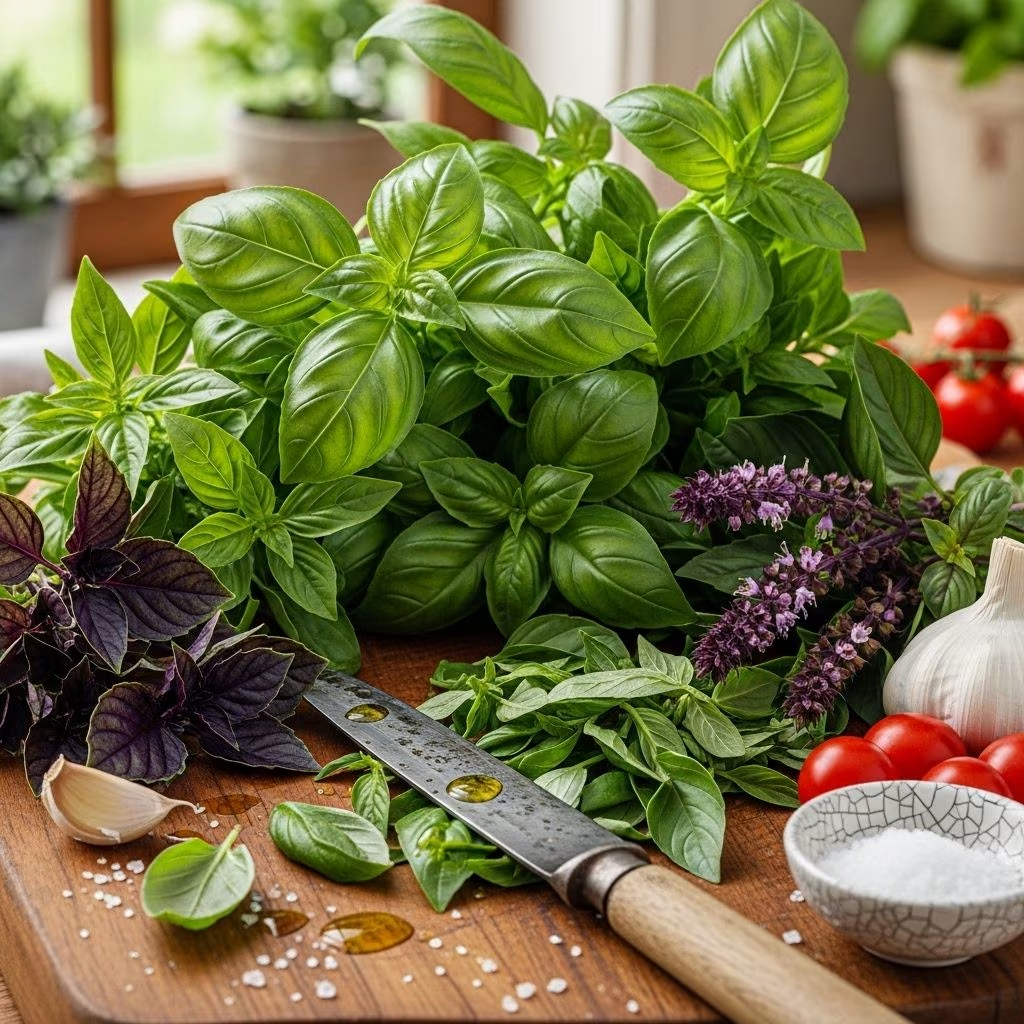
Basil is much more than a kitchen staple—it’s an essential addition to any cook’s garden and an ingredient that can transform everyday meals into vibrant, fresh creations. Whether you’re new to gardening or an experienced home chef, this guide shares expert growing tips, creative ways to use basil, and a curated collection of basil-packed recipes for every course of the meal.
Why Grow Your Own Basil?
Fresh basil, picked right from your garden or windowsill, offers an intensity of flavor and aroma that grocery store bundles rarely match. Growing your own is cost-effective and encourages more frequent use—inspiring culinary creativity and bringing brightness to even the simplest dishes.
- Cost-efficient: Skip pricey store packets that spoil quickly—grow once, harvest all season.
- Flavorful meals: Snip leaves on demand for the most potent taste.
- Minimal maintenance: With the right knowledge, basil thrives with little effort and delivers lush returns through summer and fall.
Growing Basil – Best Tips from Experience
Starting a basil plant isn’t difficult, but these field-tested tips will help you cultivate thriving, lush plants that keep producing through the season:
- Wait for warm weather: Basil is cold-sensitive. Make sure all danger of frost or sudden temperature dips has passed before planting outside. Even a cool night can slow growth or damage young plants.
- Start with transplants: Purchase healthy basil seedlings if you can, ideally from a trusted greenhouse or local farmer’s market. Transplants are hardier and mature faster than seeds, letting you enjoy your harvest sooner.
- Ensure adequate sunlight: Basil is a sun lover. Place your plant where it receives at least 6–8 hours of sunlight daily.
- Water wisely: Water only when the top layer of soil feels dry. Overwatering can be as harmful as underwatering; roots should be moist but not soggy. In rainy spells, monitor soil to prevent excess moisture.
- Pinch and prune for bushiness: Pinch leaves at the stem tips, not just the tops. This triggers the plant to branch out, increasing the number of leaves for harvesting and delaying flowering.
- Remove flowers promptly: When basil starts to flower, pinch blossom tops immediately. This ensures energy goes into growing more leaves, not flowers or seeds. (Bonus: Basil flowers are edible—scatter them on salads for an extra punch of flavor.)
Pro Tips for Thriving Basil
- Grow in well-drained soil; basil dislikes soggy feet.
- Fertilize sparingly—too much can diminish the herb’s flavor.
- If possible, harvest in the early morning for peak aroma and flavor.
The Versatility of Basil in the Kitchen
Basil is best known for starring in Caprese salads and classic pesto, but its uses extend far beyond these favorites. Basil’s sweet, slightly peppery profile brings depth to salads, dressings, drinks, soups, mains, and even desserts. Here’s how you can invite more basil into your meals:
- Add fresh leaves to sandwiches, pizza, pasta, and wraps for instant freshness.
- Chop and blend into dressings, marinades, or compound butters.
- Infuse drinks like lemonade, iced tea, or cocktails with torn basil leaves.
- Pair with fruit—basil complements watermelon, strawberries, peaches, and more for unique, refreshing desserts.
Favorite Basil Recipes: Inspiration from Salads to Dessert
Ready to elevate your meals with basil? Here’s a curated selection of favorite recipes that highlight the fresh, aromatic character of this essential herb.
Basil-Packed Salad Recipes
Fresh basil leaves brighten up salads, adding intensity and surprising depth to combinations of fruits, vegetables, and grains.
- Watermelon & Feta Salad: Sweet, juicy watermelon tossed with feta, basil, and a splash of lime for the ultimate summer refresher.
- Cherry Tomato Couscous Salad: Roasted or fresh cherry tomatoes, tender couscous, torn basil, and tangy dressing create a vibrant dish.
- Spicy Watermelon Tomato Salad: Watermelon and tomatoes mingle with peppers, basil, and an optional hint of chili for bold flavor.
- Pattypan Squash Panzanella: Cubes of toasted bread, chunks of pattypan squash, cherry tomatoes, and fresh basil bring new dimension to panzanella.
Classic Basil Recipes for Every Occasion
Basil’s role in the Mediterranean kitchen is iconic, but its appeal is universal. Here are ways to enjoy it all season long:
- Basil Pesto: Blend basil leaves, pine nuts, parmesan, olive oil, and garlic for a sauce that’s as good tossed with pasta as it is on pizza or sandwiches.
- Tomato Basil Soup: Roast fresh tomatoes and simmer with onions, garlic, carrots, and a bundle of basil for a creamy, comforting bowl.
- Caprese Salad: Layer slices of ripe tomato, mozzarella, and basil, finishing with olive oil and a drizzle of aged balsamic vinegar.
- Basil Oil: Whiz basil with olive oil to drizzle over soups, roasted vegetables, and salads for an extra splash of color and taste.
- Summer Pasta: Toss al dente pasta with zucchini, cherry tomatoes, basil leaves, a little garlic, and olive oil for a quick and satisfying dinner.
Entry Table: Creative Basil Pairings
| Ingredient | Best Basil Pairing | Dish Ideas |
|---|---|---|
| Tomatoes | Sweet or Genoese basil | Caprese, salads, soup |
| Peaches | Lemon or sweet basil | Salads, bruschetta |
| Berries | Thai or lemon basil | Sorbets, dessert toppings |
| Cheese | Sweet basil | Pizza, pasta, sandwiches |
| Eggplant | Italian basil | Grilled vegetables, pasta |
Basil for Dessert – Think Beyond the Savory
Though basil is typically savory, its natural sweetness and aromatic edge pair beautifully with summer fruits, making it a standout ingredient in desserts.
- Raspberry Basil Sorbet: A vibrant blend of raspberries, basil, and a touch of lemon creates a refreshing frozen treat with surprising complexity.
- Basil-Infused Berry Salad: Toss basil leaves with a medley of berries and a dollop of coconut cream for a healthy, flavorful dessert.
- Strawberry Shortcake with Basil: Add finely chopped basil to macerated strawberries for a sweet, herbal twist.
Harvesting and Storing Basil
Maximize your basil harvest with these strategies, ensuring fresh flavor anytime you need it:
- Pinch leaves regularly: Harvest often to keep the plant producing.
- Avoid cutting more than one-third: Taking too much at once can stunt plant growth.
- Store in water: Place basil stems in a jar of water at room temperature, loosely covered, to extend life for up to a week.
- Freeze or dry for later: Blend with olive oil and freeze in ice cube trays, or dry in a cool, dark area for use when fresh basil isn’t in season.
FAQs: Basil Growing and Cooking Questions
Q: Why is my basil plant flowering? Should I let it?
A: Flowering is a natural stage in basil’s lifecycle. However, if you want continuous leaf growth, pinch off flowers as soon as they appear. This redirects the plant’s energy back into leaf production.
Q: Can basil grow indoors?
A: Yes, basil grows well in containers on sunny windowsills. Ensure at least 6 hours of direct light per day and don’t overwater.
Q: What should I do if my basil leaves turn yellow?
A: Yellowing is often due to overwatering or poor drainage. Ensure your soil is well-draining, and only water when the top inch feels dry.
Q: How can I intensify basil’s flavor?
A: Harvest leaves early in the day and pinch young shoots. Use immediately after picking for the strongest flavor.
Q: Are basil flowers edible?
A: Yes. They are flavorful and can be sprinkled over salads and pasta for extra color and herbal aroma.
Top Takeaways: Basil’s Role in the Kitchen & Garden
- Basil is one of summer’s easiest, most rewarding herbs to grow—even a small sunny patch or pot is enough for a generous harvest.
- Regular pinching, careful watering, and patience are the keys to lush, ongoing growth.
- Fresh basil elevates a wide array of dishes—from salads to soups to desserts—offering new inspiration every season.
- Experimenting with basil in both savory and sweet recipes keeps summer flavors alive, even into colder months.
References
- https://www.loveandlemons.com/basil/
- https://www.loveandlemons.com/cherry-tomato-basil-salad/
- https://www.loveandlemons.com/tomato-basil-soup-recipe/
- https://www.loveandlemons.com/pesto-recipe/
- https://www.loveandlemons.com/tag/basil/
- https://www.loveandlemons.com/basil-zucchini-soup/
- https://www.loveandlemons.com/spring-green-pasta-lemon/
- https://www.loveandlemons.com/grilled-veggies-basil-miso/