Basin Street Blues Cocktail: The Jazz, the Legend, and the Recipe
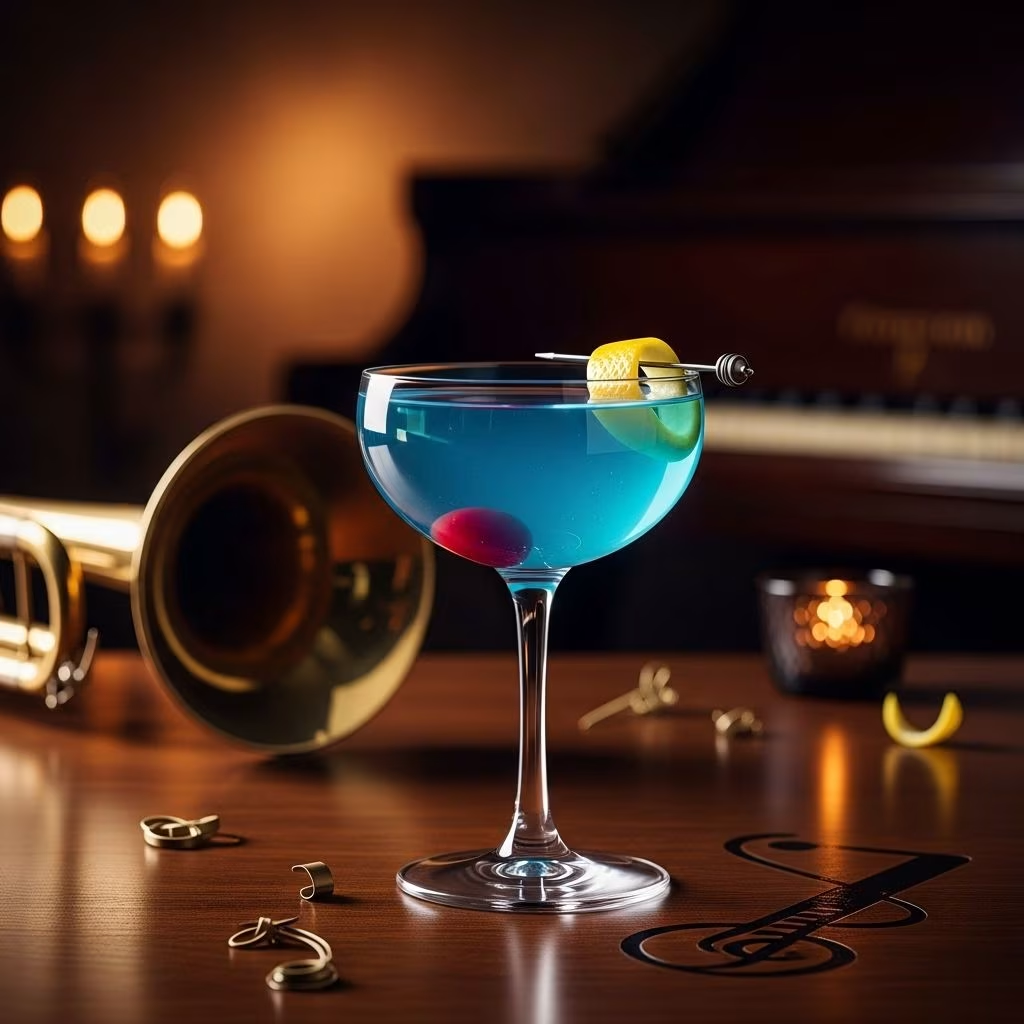
The Basin Street Blues cocktail captures the essence of New Orleans—its music, its history, and its unique cocktail culture. This drink, emerging from the creative minds at Domenica in New Orleans, brings together Old World liqueurs, fresh citrus, and the spirit of jazz itself, all in a glass. Join us as we trace the classic tune that inspired the drink, the legendary street that gave it its name, and explore how to craft this evocative cocktail at home.
Basin Street: From Bustling Heart to Jazz Mythology
Basin Street was once the pulse of Storyville, New Orleans’ famed red-light district at the turn of the 20th century. Lined with theaters, clubs, brothels, and bawdy venues, it was as much a gathering place for musicians as it was for revelers. Storyville is widely recognized as the crucible where jazz as we know it was forged—Louis Armstrong (“Satchmo”) himself grew up mere steps away.
When Storyville was shut down in 1917, the street’s legendary night scene faded, but its echoes lived on in music, memory, and the city’s enduring devotion to celebration.
- Location: Basin Street is in the heart of New Orleans, bordering the French Quarter and Storyville.
- Notable Influence: Home to seminal jazz musicians, hosting the city’s most infamous venues.
- Modern Legacy: Today, it’s a symbolic street that still stirs reverence among jazz lovers and visitors alike.
The Resonance of “Basin Street Blues”
Composed by Spencer Williams in 1928 and immortalized by Louis Armstrong, “Basin Street Blues” became one of the most instantly recognizable standards in American jazz. Its wistful lyrics paint a picture of longing for a vibrant past, with Basin Street described as “the place where the elite always meet.” The song’s enduring popularity cemented the street’s mythos and inspired generations of musicians and mixologists alike.
- “Basin Street Blues” is performed by countless jazz legends—Louis Armstrong, Ella Fitzgerald, and Miles Davis among them.
- Lyrics evoke nostalgia, celebration, and a sense of homecoming for New Orleans natives and transplants alike.
- The tune remains a staple in jazz repertoires, keeping the memory of the old street alive internationally.
From Jazz to Glass: The Birth of the Basin Street Blues Cocktail
At Domenica restaurant in New Orleans, a city renowned for inventive, history-rich cocktails, the Basin Street Blues cocktail was created as a liquid tribute to the legendary street and signature song. Much like “Basin Street Blues” the tune, the cocktail is an ode to creative fusion—melding unexpected flavors and nodding to both European liqueurs and Southern sensibility.
Domenica is an influential Italian restaurant housed in the historic Roosevelt Hotel, known for blending classic techniques with New Orleans flair. Their bartenders drew inspiration not only from the neighborhood’s history but also from its tradition of innovation. According to accounts of the drink’s invention, the creators sought a cocktail that was as “deeply layered as jazz and as brightly spirited as the city’s music scene.”
- The cocktail was developed to reflect both the romance and bittersweet nostalgia of its namesake song.
- It adapts classic European ingredients—like Pimm’s No. 1 and Amaro Nardini—and fresh American citrus for unique balance.
- Created for easy sipping and conversation, much like jazz itself: complex yet warmly inviting.
Ingredient Profile: Inside the Basin Street Blues Cocktail
This modern New Orleans original stands out for its deft blending of Italian bitters, English fruit liqueur, and bright juices commonly found in Southern cocktails. Each component layers new flavors, much like instruments in a jazz band.
| Ingredient | Role | Note |
|---|---|---|
| Amaro Nardini | Bittersweet base liqueur | From Bassano del Grappa, Italy. Herbal, slightly chocolatey, with a bracing bitterness |
| Pimm’s No. 1 Cup | Fruity, slightly spicy modifier | A British gin-based liqueur with flavors of citrus, herbs, and spices |
| Fresh Orange Juice | Citrus sweetness | Freshly squeezed is key for a bright, natural tang |
| Fresh Lemon Juice | Sour backbone | Adds needed tartness and balances the bittersweet notes |
| Simple Syrup | Mellow sweetness | Stabilizes acidity and deepens the flavor layers |
Why These Ingredients?
- Amaro Nardini is less common in classic American cocktails, but its bitter herbal profile accents the drink’s complexity—mirroring the jazz genre’s improvisational spirit.
- Pimm’s No. 1 Cup, well known for summer cups in Britain, brings subtle fruit, spice, and earth notes. It softens the amaro and intertwines with the bright, pulpy flavors of orange and lemon.
- Fresh citrus juices enhance both the aroma and mouthfeel, vital for a lively, refreshing cocktail reminiscent of spritzes but with deeper flavor.
- Simple syrup ensures proper balance so the sharpness of the citrus and bitterness of the amaro don’t overpower the palate.
How to Make the Basin Street Blues Cocktail
This cocktail uses a shaken preparation to maximize the aeration and brightness of its juices, then is served up in a chilled glass to preserve clarity and temperature.
Ingredients List
- 1 oz Amaro Nardini
- 1 oz Pimm’s No. 1 Cup
- 1/2 oz fresh orange juice
- 1/2 oz fresh lemon juice
- 1/2 oz simple syrup
- Ice (for shaking)
- Optional: Orange wheel or twist for garnish
Step-by-Step Instructions
- Add Amaro Nardini, Pimm’s No. 1 Cup, orange and lemon juices, and simple syrup to a shaker. Fill with ice.
- Shake vigorously for 15–20 seconds to thoroughly chill and mix all ingredients.
- Strain into a chilled coupe or cocktail glass.
- Garnish with an orange wheel, twist, or other creative touch.
Pro Tips:
- Use fresh-squeezed citrus juice for the most vibrant flavor.
- If Amaro Nardini is unavailable, substitute with another robust Italian amaro—Cynar or Averna can work in a pinch, though the flavor profile will change.
- For a more pronounced herbal note, add a dash of bitters such as orange or Peychaud’s.
Tasting Notes: What To Expect
The Basin Street Blues cocktail delivers a multilayered drinking experience, echoing the nuanced harmonies of jazz music.
- First Sip: Gentle aroma of orange, intermingled with grassy, spicy notes from Pimm’s and deep herbal character from Amaro Nardini.
- Mid-Palate: Bittersweet flavors of amaro unfold, balanced by the juicy tang of orange and lemon; Pimm’s adds a subtle spicy-fruity undertone, smoothing any harshness.
- Finish: Lingering bittersweetness from amaro, lifted by citrus brightness, leaving the palate refreshed but intrigued—inviting the next sip.
Creative Variations and Experimentation
Like its jazz roots, the Basin Street Blues cocktail invites improvisation. Here are some inspired alternatives for intrepid home bartenders:
- Spirit Forward: Substitute 1 oz bourbon or rye for Pimm’s No. 1 for a richer, spicier profile reminiscent of classic New Orleans whiskey cocktails.
- More Bittersweet: Boost Amaro Nardini to 1.5 oz and reduce simple syrup for a drier, more complex sip.
- Added Citrus: Swap half the orange juice for grapefruit juice for a slightly bitter, floral twist.
- Tropical: Add 1/4 oz banana liqueur or passionfruit syrup for additional fruit complexity (as found in some other Basin Street variations).
- Garnish Play: Use a dried citrus wheel, fresh mint sprig, or edible flower for both aroma and visual interest.
Serving & Pairing Ideas
- Serve as a pre-dinner aperitif: Its bittersweet, refreshing style whets the palate for rich meals.
- Pair with New Orleans classics such as shrimp remoulade, fried oysters, or muffuletta sandwiches.
- Spotlight the drink during jazz brunches or music-themed parties—play Louis Armstrong’s “Basin Street Blues” to truly set the mood.
For a full New Orleans cocktail experience, complement it with a Sazerac or French 75 on your menu.
Frequently Asked Questions (FAQs)
Q: Is there a substitute for Amaro Nardini?
A: Yes. While Amaro Nardini’s herbal, chocolatey flavor is distinctive, you can try Cynar, Averna, or Nonino as substitutes. Expect slight differences in bitterness and depth.
Q: Can I make the drink in advance?
A: For freshest flavor, always use fresh juice and shake to order. However, you can mix the liqueurs and syrup in advance and add juice plus ice just before serving.
Q: Is the cocktail very sweet?
A: No. It balances between bittersweet and citrus, with just enough simple syrup to round out the edges. Adjust syrup up or down to taste.
Q: Where can I find Amaro Nardini?
A: It’s available at well-stocked liquor stores or specialty Italian markets. If unavailable, refer to the substitution tip above.
Q: What’s the origin of the name “Basin Street Blues” outside this cocktail?
A: Its name is shared with the beloved jazz standard written by Spencer Williams in 1928, celebrating Basin Street’s historic status as a hub of early jazz. The cocktail pays homage to this legacy.
Conclusion
The Basin Street Blues cocktail is more than a drink—it’s a taste of New Orleans, a tribute to jazz, and an invitation to linger and savor the good things in life. Whether you enjoy it while listening to a vintage jazz record or sharing stories with friends, it brings a little Southern hospitality and artistry to your glass.
References
- https://www.oliversmarket.com/recipe/bourbon-street-blues/
- https://www.shakeitdrinkit.com/basin-street-cocktail-68.html
- https://www.shakerofspirits.com/single-post/day-95-basin-street-blues
- https://kindredcocktails.com/cocktail/basin-street-blues
- https://cocktails.fandom.com/wiki/Basin_Street_Blues
- https://cocktailvirgin.blogspot.com/2013/05/
- https://www.tourlouisiana.com/recipes/St.-Phillip-Street-Blues